

What Makes a Good Storeroom?
Jim Story, Senior Consultant, IDCON INC, a TRM Company
Posted 7/21/2026
What are the “best” Key Performance Indicators (KPIs) for world-class (MRO) storeroom management (and a good storeroom)? Well, as the Supply Officer said to Napoleon about winning at Waterloo: it depends.
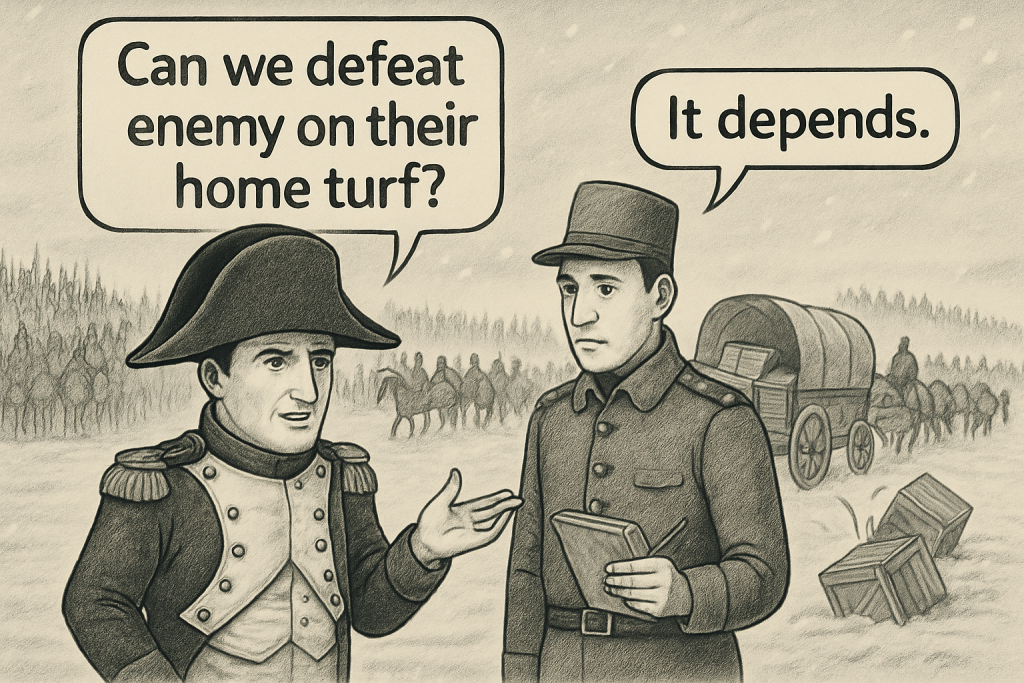
Unfortunately, many businesses approach KPIs once, and they may not consider the specific behavior they’re trying to drive. Then once KPIs are in place, it’s often akin to an Act of Congress to get them changed, even if it’s discovered they’re driving destructive behavior. In general, KPIs should:
- Drive the specific behaviors desired by those being measured
- Reflect this year’s current business climate, even if reviewed and maintained
- Be few enough to provide an organizational focus that yields improvement
One overused metric to get over…
If a storeroom is measuring anything, it’s probably total inventory value. Of course businesses need to be aware of the value of all of their assets, including parts inventory. The key question is: what will we DO with this metric as a Key Performance Indicator? Normally businesses want to reduce their inventory value. (Lower is better, right?) And there are real costs to maintaining a high inventory value, and benchmarks as to what it should be. We can quickly tell when a stockroom is out of control, partly by checking the dollar value. But having a lower inventory value for its own sake is not a valid business strategy.
One WAY underutilized metric that could drive increased performance…
How many are tracking stock-outs? And by stock-outs, we mean each time a part is needed and not available, whether on the inventory list or not. In so many plants we see, it’s not even considered as a metric, let alone a KPI. Some may track the cost of inventory; how many track the cost of parts unavailability? How much does it cost when the line is down awaiting a part? How about even expedited shipping costs? If we track the time we lost awaiting parts or at least track the number of times a needed part has not been available, we can start to prioritize good storeroom management within the larger context of Reliability.
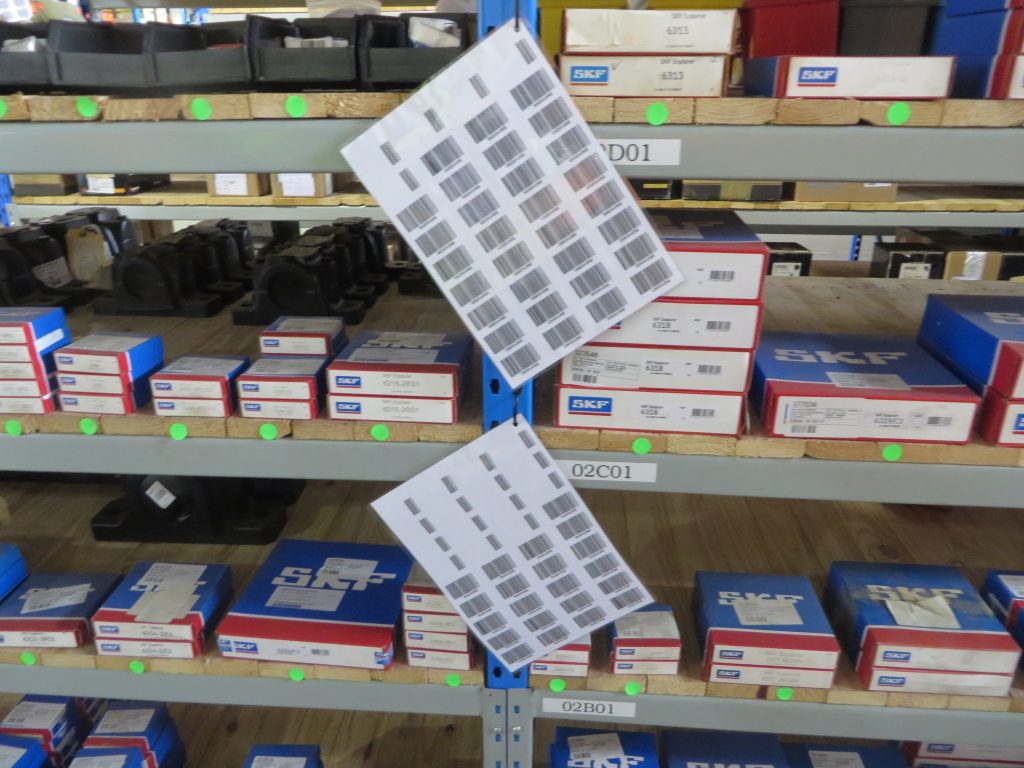
Why have a storeroom?
What is the specific mission of a good storeroom…surely not to be as low a value as possible? I would suggest that it’s to have the correct parts when they are needed. Measuring stock outs then becomes the best way to measure that. And the old reliable measure of inventory accuracy achieves an important 2nd place.
On inventory accuracy, we really need to get inventory record accuracy close to 100% to avoid stock-outs, which should be below 4%. Are we doing cycle counts? For more critical spares, we may do more cycle counts through the year, say quarterly instead of annually. And if we have a “turns” measure in our stockrooms, the critical spares list should be “exempted” from that. A critical spares list should be developed from those particularly high-cost or long-lead parts that have the potential to put the line down if they fail. These items may not turn as frequently as the majority of parts in the storeroom, and so need to be more carefully maintained over a long-term shelf life.
Many times cost pressures lead a company to increase the difficulty of adding parts to stock. Very seldom do we see a proactive storeroom crew managing supply & demand and adding parts to designated inventory when it makes operational sense. But if it’s too hard to add parts to stock, people go around the parts stock system…and costs go UP, not down.

Example: U.S. Antarctic Program
When I led equipment maintenance for the U.S. Antarctic Program, we were at the end of the world’s longest logistics pipeline. When I started, “the word in the shop” was that we “never” had the parts we needed, despite a generous store of parts left to us by the U.S. Navy. The long “deadline” of hulks that couldn’t be fixed for want of the right part and the long faces of disappointed mechanics who would troubleshoot a problem only to be unable to fix it were the visible signs. We tracked stock-outs for EVERY part that wasn’t there when it was needed, and many of the guys felt it was just to make them feel better. But they did it. And every year we would order up the stock-outs for resupply first…and automatically added them to inventory. Then we made more room with sending out obsolete parts, and started a demand-based resupply system that started to drive the zero fills down. Result? No more “deadline”. LOWER resupply costs. A storeroom fulfilling its mission. And fewer long faces.
Good Storeroom – Conclusion
Of course, we look carefully at other metrics and context when we are called in to help improve a Parts Stores operation. A critical metric the Stores supervisor should track and provide is inventory accuracy. The only thing that makes a face longer than just not having the part you need is when the system SAYS you have the part (yay!) and then you don’t (boo)!
TRM together with IDCON has industry leading experts that can help you identify where the critical shortfalls for meeting the “big picture” productivity goals your organization has, then help you correct the problems. Your storeroom may be your workflow’s “weakest link”…

Related Articles

Using Reliability Importance Measures to Guide Component Improvement Efforts

The Cost of Producing Electricity
Reduced Wear and Failure of Machine Components: Failure Analysis of Mechanical Components

Vibration Pen, Shock Pulse Measurement (SPM), & Vibration Analysis - What's the Difference?
Understanding Shaft Alignment: Thermal Growth

Tips For Blower Maintenance

The Power of Single Minute Exchange of Dies (SMED)
The Affinity Laws for Rotary, Positive Displacement Pumps 13-6
The ANSI Pump Standard 14-5

The Dual Seal Arrangement

The Pump Affinity Laws 2-1
Understanding the 'Diesel Effect' and How it Damages Hydraulic Cylinders
What is a valve?

World Standard Maintenance Skills through Assessment and Multi-Skilling
Martin Sprocket and Gears: Maintenance and Troubleshooting Guide
Troubleshooting Mechanical Seals | Heat Checking or Cracking | Part 8
Troubleshooting Mechanical Seals | Mechanical Seal Blistering | Part 9

Artificial Intelligence vs. Reliability Studies
What is the Technical Database and How Does it Affect Planning and Scheduling?
How to Fix the 70/30 Phenomenon

Keys for Effective Troubleshooting

A Planner's Tool Kit

All About Eye Protection
Analyzing Semiconductor Failure

Achieve Energy Savings in Plant Facilities
The Lubrication Requirements of Couplings

Zen and the Art of Managing Maintenance

Why do maintenance improvement initiatives fail to deliver? (Hedgehog or Fox?)

Why Maintenance Improvement Efforts Fail

Arc Flash/Arc Blast Review with Safety Suggestions for Design & Maintenance
CSA Launches First Confined Spaces Standard in Canada

Do You Need NFPA 70E?

Electrical Hazards
Eliminating Conveyor Concerns

Eye Injuries are a Serious Threat to American Workers

Fluid Power Safety Alert

Human Factors: Beyond the "Dirty Dozen"

Hydraulic Systems Safety

TPM and RCM: Whirled Class

Where Do Maintenance Professionals Come From?

What is the True Downtime Cost (TDC)?

Improvement: What Comes First?
Machine Safety: Machinery Friend or Foe?

How Maintainers Can Work More Safely

Plant Deaths Fall 14.0%

Plant Safety - Avoid Pitfalls of New and Untrained Plant Employees

Prevent Injuries: Workplace Safety is Everyone’s Job

Preventing Workplace Eye Injuries

Protective Clothing: The Hazard of Selection

Quality Control of the Inspection Process

Improved Safety

Safe Use of Clamps Through Proper Selection
Use P-F Intervals to Map, Avert Failures
Safety and Reactive Maintenance

Safeguarding: Hoops, Health & Harmonization: Design Standards Do it All

Symbiosis of Maintenance and Safety in Process Industry

The New ISO 12100 – Safety of Machinery

The Safety Catalyst: Handling Stubborn Safety Problems

What to do When you Receive an OSHA Citation

Use this Game Plan to Justify an Investment in Maintenance and Reliability

Uptime: Fill Out Work Orders? Who's Got Time for Paperwork?

TPM and Tecate: The New Translation

The Totally Responsible Individual: Dealing with Chaotic Events

The Reliability Paradox

The Real Value of the Plant You're Buying

The RCM Trap

The Japanese Path to Maintenance Excellence

The Face of Effective Reliability Management

What the Emperor’s New Clothes Says to Plant Reliability and Maintenance Professionals

The Cost of Doing Nothing

Switch in Contract, Maintenance Proves Costly

Spare Parts Management Indicators

6 Ways Outsourced Maintenance Saves

Reliability Improvements Drive Down Maintenance Costs

Reliability Centered 'Workforce' Maintenance

Reliability and Current Best Practices - An Educational Journey

Reliability and Maintenance Implementation Model

Reducing Maintenance Costs in a Tough Economic Climate

Properly Aligning Projects to Corporate Strategy

Professional Development: Driving the Economic Engine

People Management - Workforce Shortage: Acceptance is the First Step

OEE: Overall Equipment Effectiveness

Novozyme Leverages Results Oriented Maintenance and Highly Motivated Staff to Win the North American Maintenance Excellence (NAME) Award 2000

Need of Motivation for Maintenance Staff

Mechanical Quality Assurance: The Next Progression of Reliability

Maintenance Business: Managing Maintenance as a Business
Maintenance Standards at Weyerhaeuser Company

Tips for Maintenance Planning

Maintenance Outsourcing: A Step Towards Product Service Systems

Maintenance Management - Defining, Clarifying "Reliability"

Maintenance Management Legends

Maintenance Management as a Quality Process
Maintenance Key Performance Indicators (KPIs)

"Lean" on your Maintenance Materials

How to Cut Your Maintenance Budget (Without Cutting Your Throat)

Hiring of Maintenance Management Personnel – Top 10 Mistakes

The Danger of the Reduction of Workforce

Global Indicators for Maintenance, Availability Performance

Key Performance Indicators and Frontline Maintenance Leaders

The Building Blocks to Creating an Effective Lubrication Program

Evolution of the "Grease Monkey" to the Maintenance Professional

All Win - A Maintenance Partnership in Three Pulp Mills: Reasons, Results and Lessons

Maintenance Training - The Backbone of Cultural Change
Too Small for a CMMS? Think Again

The Role of Information Technology in Plant Reliability

The Maintenance Storeroom: Keys to Efficient Maintenance Operation

The Future of CMMS

The 8 Key Elements to Look for in Maintenance Software

Skimping on the Training Puts your CMMS Project at Risk

Elastopipe: Safety Pipe for Oil Rigs

Reaping the Benefits of CMMS

RCM Success Starts with CMMS
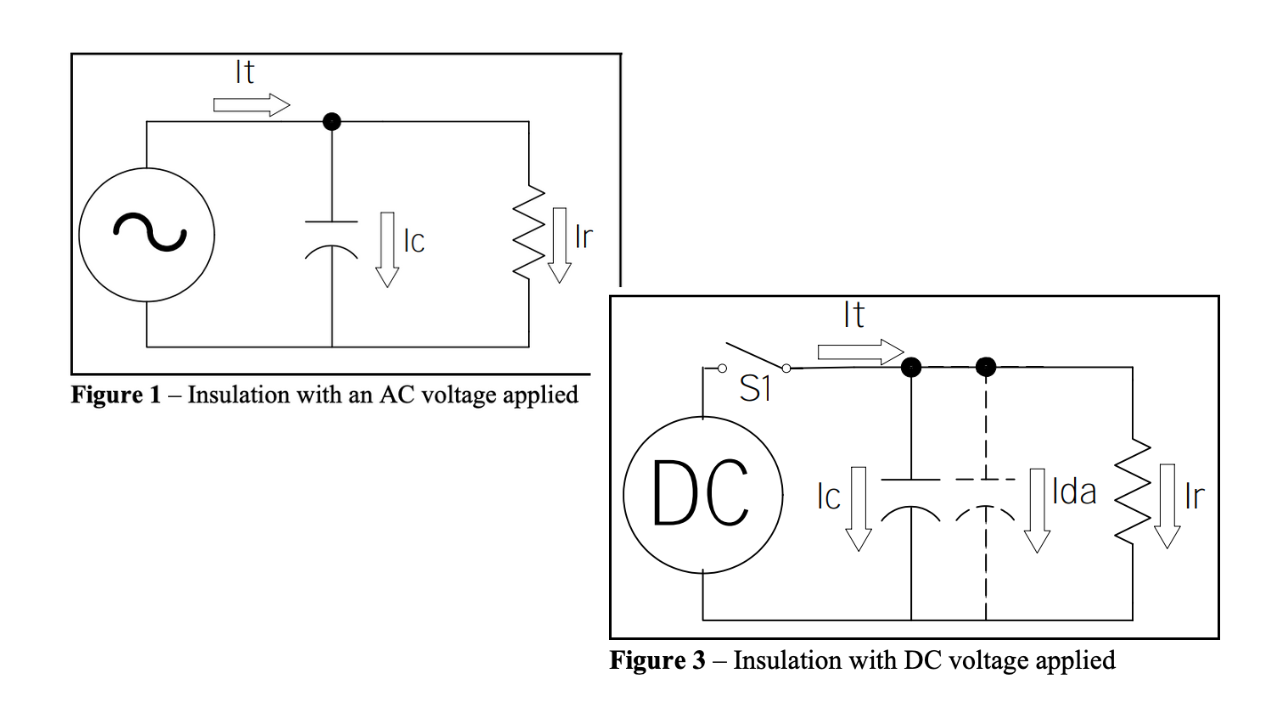
Principles of Insulation Testing

Open Warehouse System

Mobile CMMS: The Future Maintenance Team's BFF
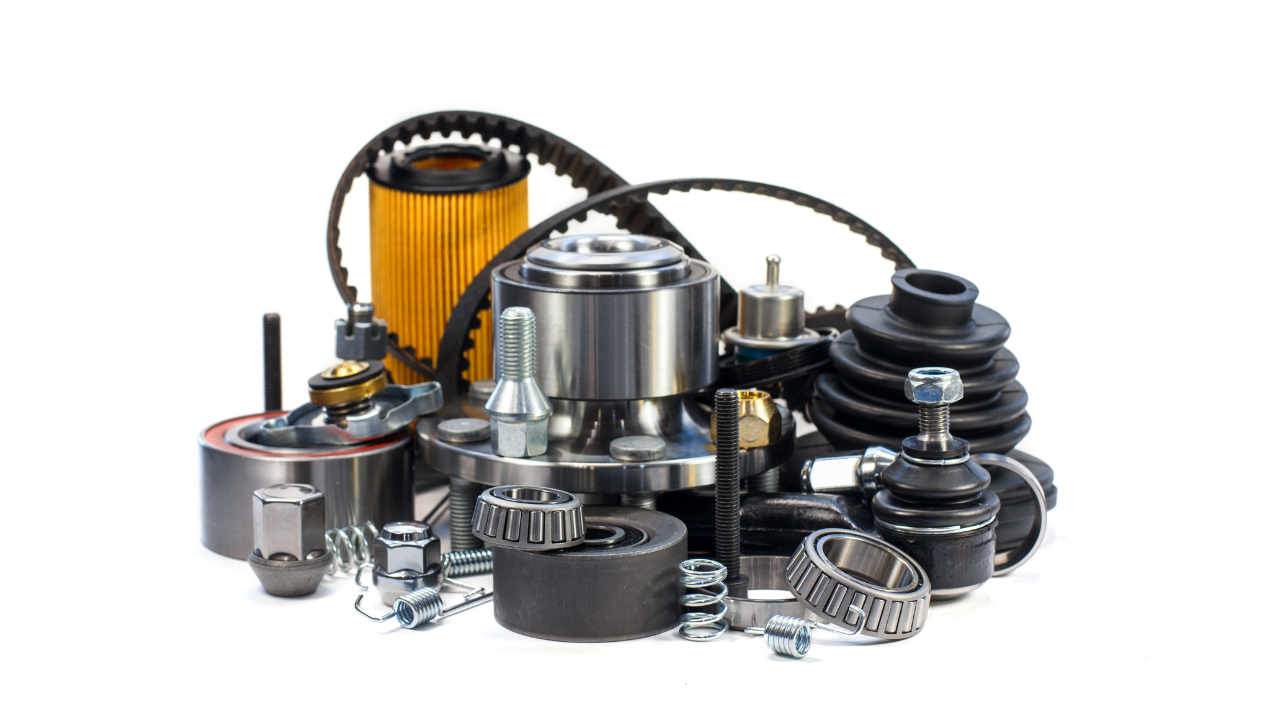
Managing Spare Parts

Managing an EAM / CMMS Selection

Managing an EAM/CMMS Implementation

Fixing Maintenance

Few Make the Most of Their CMMS
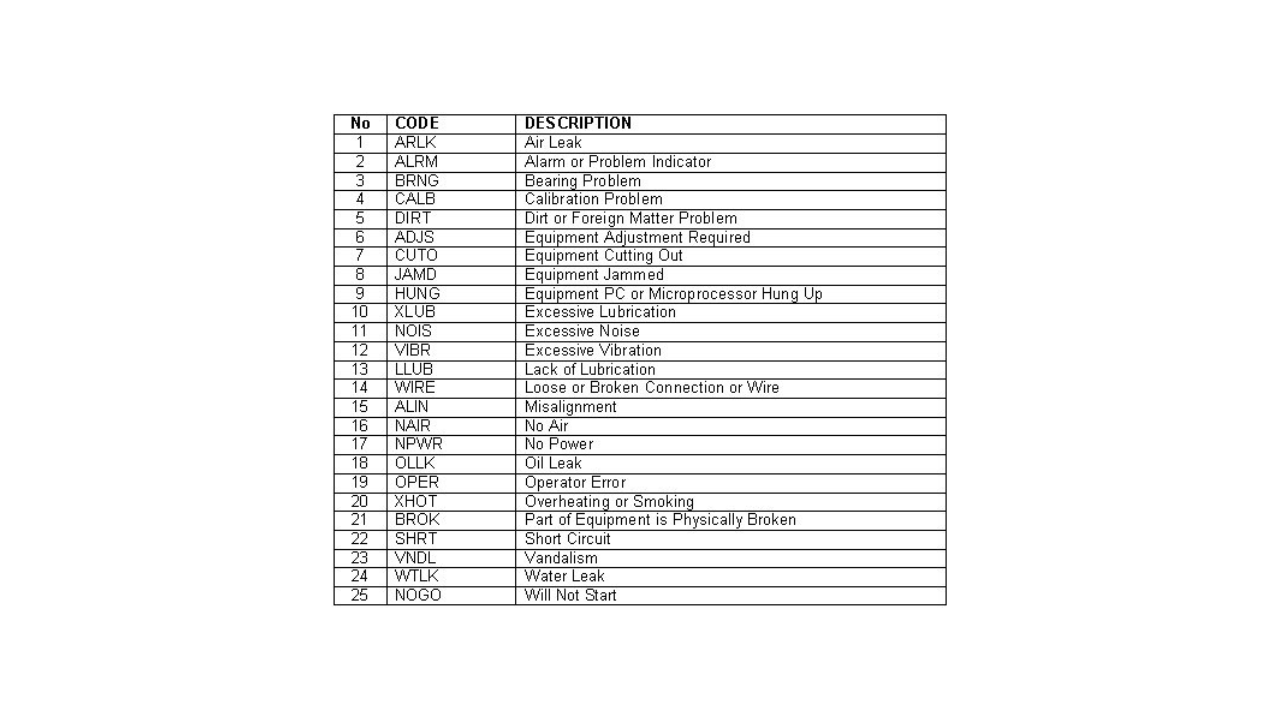
Failure Codes in Maintenance Systems - CMMS

Effective Maintenance Management at Doe Run

Eat an Elephant - Implement a CMMS

Does Lubrication Belong in the CMMS?

Developing CMMS Implementation Templates

Define the Need Before Software Installation

Collaborative Production Management in the Process Industries

CMMS Software - Selecting the Right CMMS

CMMS: Integrating Real-Time Information for Condition-Based Maintenance

Calculating the Savings from the Implementation of a CMMS

Barcode-Driven Tracking System Coordinates Toolrooms

Balancing CMMS User Configurability with Centralised Control

An Integrated Process for System Maintenance, Fault Diagnosis and Support

Maintenance Software Implementation

Maintenance Control - from Zero to Hero

Enhancing Overall Equipment Effectiveness Through TPM

Direction is Not Supervision: Tips for Supervisors
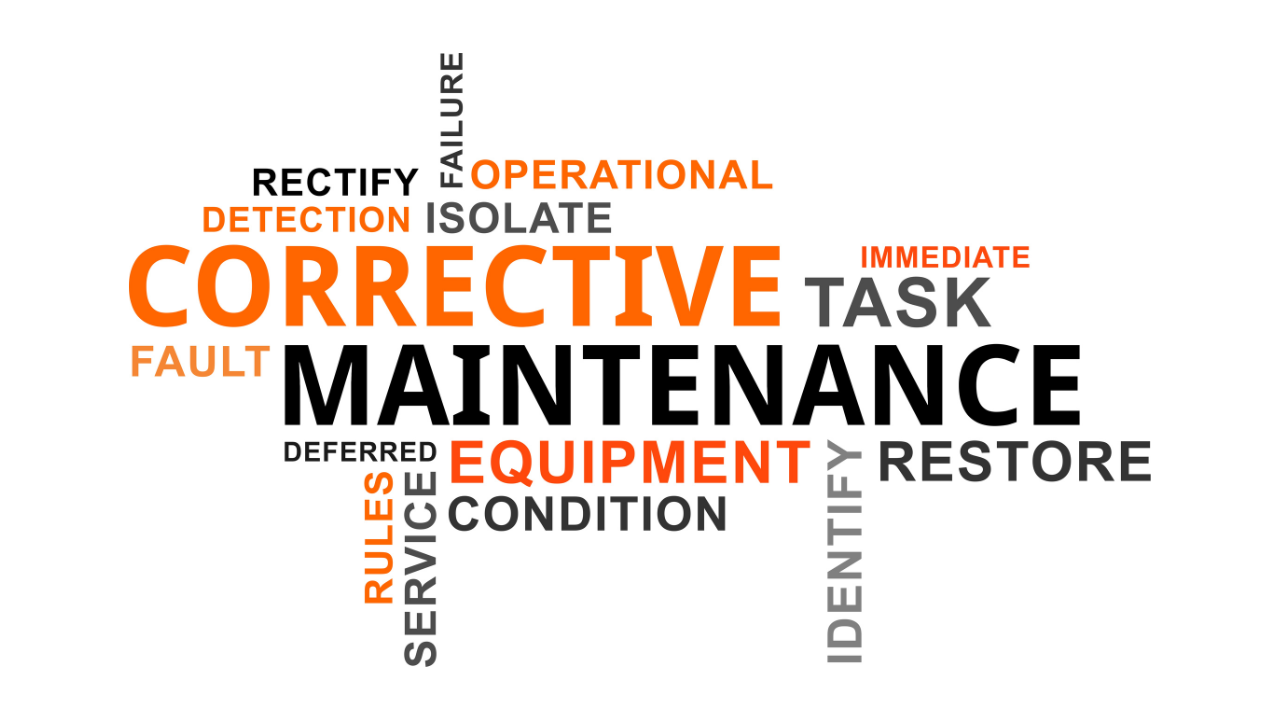
Corrective Maintenance Task Generation
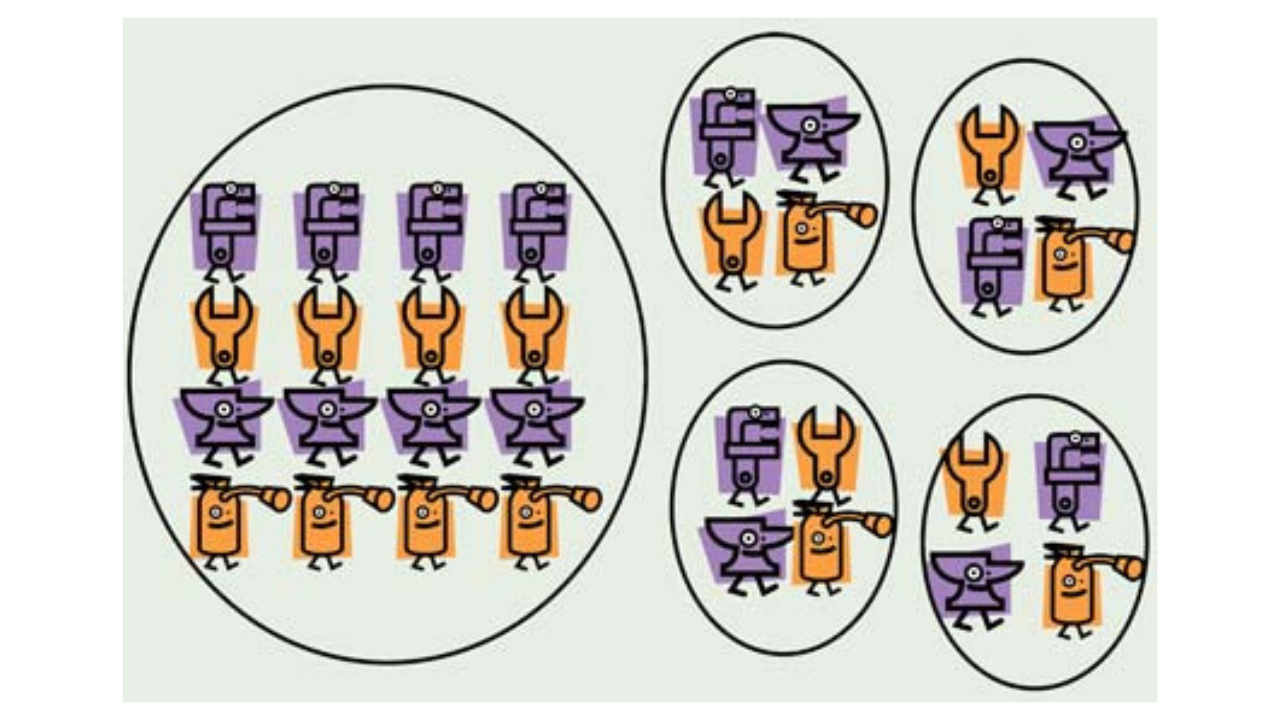
Centralized Maintenance vs. Decentralized

Can You Really Justify Reliability Centered Maintenance (RCM)?

Avoid Waste: Lean Maintenance Can Reduce Overall Costs

Availability in a Supply Constrained Environment is the #1 Issue for Refinery Executives
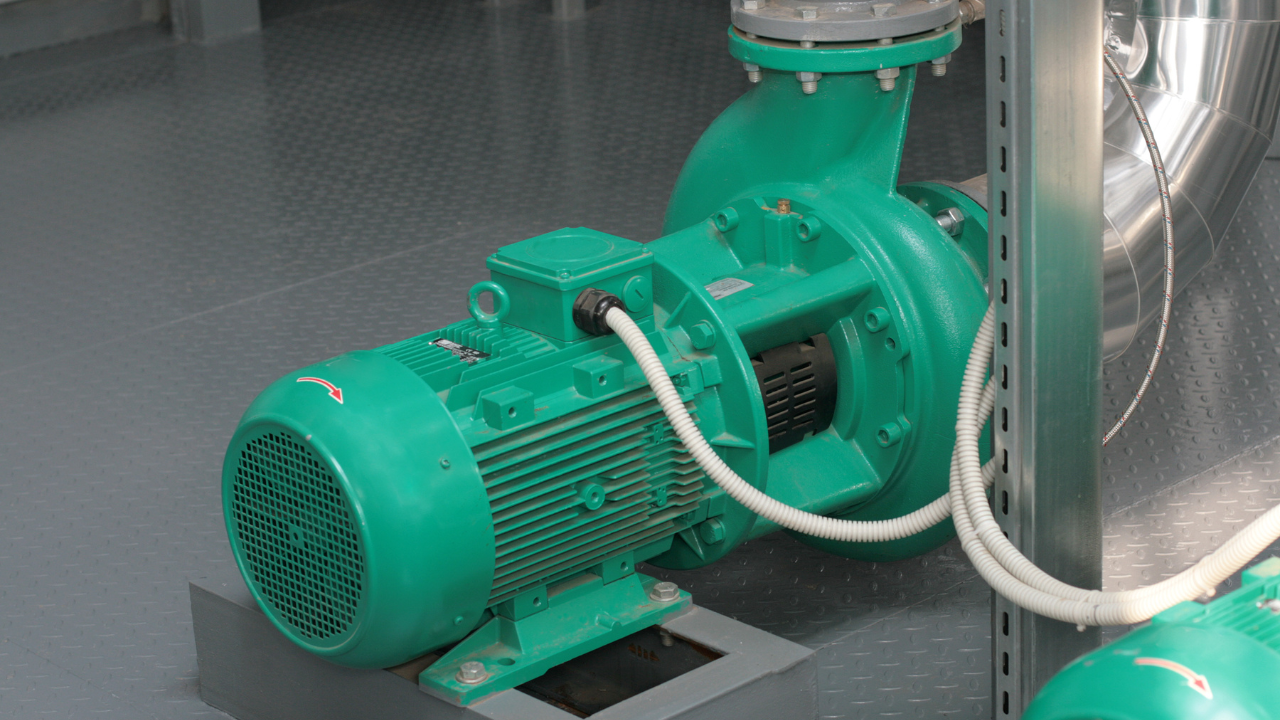
What the Pump Was Designed to Do and Why it Doesn't Do it
What is Wrong with the Modern Centrifugal Pump?

Weibull Point Process Applied to Repairable Subsystems
Top Tips for Selecting Pressure Measurement Transmitters

The Full Circle of Engineering Education

The Achilles Heel of Modern Electronics

Developing Marketable Engineering Skills
Sorting Out Flexible Couplings

Safety Circuits, Force Guided Relays vs. General Purpose Relays
Preheater Points Out the Value of Cooling Off

Mining Maintainability

Maintainability Design Checklist

Engineered Building Maintenance

Energy Savings Through Pump Refurbishment and Coatings

Digging Up Savings: Go with the Flow

Design for Maintainability: The Innovation Process in Long Term Engineering Projects

Design for Maintainability

Communications: The OEM Partnership
Chain Drive Design Recommendations
Carbon in a Metal Holder

Classifying Chemicals to Assure Effective Sealing
A Guide to Matching Electric Motors with Hydraulic Power Units
Anatomy of a Boiler Failure—A Different Perspective
Anatomy of a Hydraulic Pump Failure

Are We Willing to Hear What “Failure” Has to Say?

Causes of Overheating in Cartridge Mechanical Seals
Centrifugal Pump Troubleshooting

Definition of Root Cause Analysis (RCA)

PLC Troubleshooting

Electrical Troubleshooting in 7 Steps
Fatigue Failure 101
Gearbox Diagnostics Fault Detection

Getting Root Cause Analysis to Work for You

How to Conduct Effective Root Cause Analysis
A Framework for Achieving Best Practice in Maintenance

An Introduction to the Maintenance Scorecard

You Cannot Maximize Production or Reduce Costs Without the use of an Effective Planned Maintenance System
Wrench Time

Work Order Prioritization

Work Order Execution and Data Capture

Work Flow Concepts
Why Planned Maintenance?

The What, Why, How of Wrench Time
Smart Shutdowns: Avoid Costly Mistakes with Your Outages

Setting Disciplined Priorities when Prioritizing Maintenance Work

Proactive Approach to Shutdowns Reduces Potlatch Maintenance Costs

Planned Work Predominance: Contribution to the Bottom Line

Planned Hours: What's a good total?

Mining Planning Department: Planning for Profits

No-no’s for the Maintenance Planner Role

Maintenance Planning in Underground Mining Operations

Maintenance Planning and Scheduling

Maintenance Management - The Planned State

'Ja, maar' Mentality Can Hurt Planning
Improving Estimating Quality

Improve Basic Work Systems First

How Project Management Software Can Smooth the Way

Cutting Maintenance Cost Through Effective Shutdown Management

Critical Component of the CMMS: The Repair Work Order

Backlog Management

Accurately Estimating Labor Hours

Ceramics Win the War on Erosion

What is Vibration?

Why Record? Infrared Video
What You Should Know Before you Buy – A Guide to Buying an Infrared Camera

Web Based Vibration Analysis Programs

Water Contamination

Vibration & Ultrasound Technologies: A Possible Integrated Inspection Tool?

Vibration Analysis Reveals Poor Motor Mounting Structure
Ultrasonic Leak Detection in Heat Exchangers

Using Corrective Maintenance Work Plans to Improve Plant Reliability

Understanding The Basics Of Balancing & Measuring Techniques

Ultrasound for Better Lubrication

Top Ten Ways Not to be World Class at Machinery Lubrication

3 Important Words for Success in Lubrication and Oil Analysis

The Truth Behind Misalignment Vibration Spectra of Rotating Machinery

The Hidden Cost of Oil Changes
The Effectiveness Equation for Infrared Predictive Maintenance Programs

The Case of Successful Filtration and Oil Analysis Implementation

The Basics of Lubrication PM Procedures

Vibration Standards and Damage Factors for Machinery

Standard Practices vs. Right Practices

Solving Electrical Problems with Thermal Imaging

Smurfit-Stone Pursues Profitable Path with Fernandina Maintenance Program

Corrective Maintenance | Smart Methods in Maintenance

6 Easy Steps to Maintain Your Hydraulic Equipment

Silent Assumptions of Bearing Reliability

Should Jack Screws be tight or backed off?

Maintenance Crisis Song

Shock Pulse Goes Spectrum

Selecting the Proper Offshore Lubricant

Reliability Of Critical Turbo/Compressor Equipment
Refrigerated Air Dryers Can Be the Solution to Getting the Water and Moisture Out of your Compressed Air System
Reducing Motor Bearing Failures: Modified Lubrication Procedures Improve Reliability at TVA

Protecting Mission Critical Electronics
Proactive Maintenance for Hydraulic Cylinders
Protection of Equipment During Storage, Standby and Decommissioning
Practical Condition Monitoring for Preventive Maintenance

Power Transmission: Select Proper Re-Lubrication to Extend Bearing Life

Power Company Foresees Failures

Power Quality Testing Can Reduce Costs

Outsourced Condition Monitoring Services

Optimizing Lube PMs

Online Condition Monitoring Reaps Benefits for Borealis
Nine Lubrication Systems that Keep Chains Up and Running

New Generation IR Cameras

Measure to Improve Bearing Lubrication

Management Aspects on Condition Based Maintenance: The New Opportunity for Maritime Industry

Maintaining Process Control Field Devices
LubeRight: A New Tracking System for Manual Greasing

Longer Lasting Lubricants for The Aluminum Industry

Keeping Things Moving… Capture Problems Faster With High-Speed Video Technology

Is Air a Contaminant?

Integrating Vibration and Wear Debris Analysis for Machine Condition Monitoring

Inspecting Seals with IR Thermography
In-Process Motor Testing Results Using Model Based Fault Detection Approach
Infrared Thermography and Distribution System Maintenance
Infrared Thermography

Improving Rolling Mill Lube Oil Performance and Useful Life
Implementing an IR Thermography Maintenance Program
How Unbalance Affects Bearing Life

How to Use Condition Monitoring to Optimize Grease Lubrication
How to Read an Oil Can Label

How The Eyes (and IR camera) Can Be Misled
How Effective is Your Lubrication Program?

Ultrasonic Testing: Heeding the Screams of Sick Machines

Handling, Storing and Dispensing Lubricants

Greasing Bearings: It's a Whole New Ball Game
Fast, Reliable Measurements Give Us An Effective Way of Planning Preventive Maintenance In Advance

Everyone Needs a Playbook of Lube Procedures

Energy Waste You Didn't Know About...Do You Care?

Dynamic Movement White Paper

Documentation Tip – Document “As Found” Condition
Developing and Implementing an Infrared Predictive Maintenance Program

Determining Accurate Alignment Targets

Data Analysis Tip 3 – Compare Identical Machines

Data Analysis Tip 2 – Create a Vibration Test and Analysis Guide

Data Analysis Tip 1 – Consider the Machine First and Then the Graphs

Electrical Corona & Testing
Condition Monitoring of Steam Turbines by Performance Analysis

Hydraulic Cylinder Failure Caused by the Diesel Effect

Hydraulic System Troubleshooting - Check the Easy Things First

Implement a Cost Effective Root Cause Problem Elimination (RCPE) Process

Keeping Up to Date - Human Behavior Analysis Without a PhD

Problem Analysis to Manage and Enhance Customer-Supplier Relationships

Productivity Improvement Through Operational Reliability and Knowledge Workers
RCFA of Bearing Failure

Condition Monitoring based on Acoustic Emission

Condition Monitoring at Norske Skog

Coal Plant O & M: Condition Monitoring Cuts Mirant Mid-Atlantic’s Costs
Clean Oil Reduces Engine Fuel Consumption

Change Your Lubrication Culture, Not Your Oil

Certification of Vibration Analysts in a Dynamic Job Market
How to Achieve Results Using Infrared Technology

Beyond the Usual Applications for Infrared Thermography
Better Mixer Maintenance Ensures Cleaner Effluent at Smurfit-Stone

Bearing Failures Dry Up at Weyerhaeuser

Ball Bearing Lubrication in Centrifugal Pumps

Automated Bearing Wear Detection

Analyzing Mechanical Systems Using Infrared Thermal Imaging

Achieving "Near Zero" Refrigerant Emissions in HVAC Systems

Machine Alignment: Alignment Pitfalls - How to Identify and Eliminate Them

Motor Condition Monitor and its Applications in Foundry Industry

Adjusting Packed Centrifugal Pumps with Open Impellers

A Team Approach to World Class Lubrication at Eli Lilly

Magnetic Plug Inspection Enhances Condition-Based Maintenance

Leaders in Maintenance: Parts 1 - 4

Visible and Invisible Maintenance Cost Savings

Can Maintenance and Operations Coexist? A Radical Process Change Story

Contractor Management Controls

Effective Benchmarking in Pursuit of Better Maintenance Operations
Energy Optimization

Focus On Results and Change the Culture Along the Way

Four on the Floor: Training Strategies - Many Paths, One Goal

Get Where You Want to Go: Operator Driven Reliability

Go Execute the Continuous Improvement Plan!

How to Make TPM Everyone's Priority

Is Your Plant Organization Ship Shape?

Kinda, Sorta Lean…So What Comes Next?
Manufacturing Operations Management: How Processors can take a New Approach to Raw Material Price Inflation

MRC Bearings' TPM Journey: From Totally Painted Machines to Taking Pride in Our Machines

Mentoring

Operations and Maintenance = Production - Parts 1 through 5

Operator Driven Reliability — Who Owns Your Mill’s Equipment?
Process Improvements: Cutting Costs with OEM Parts

Repowering or Replacement: What Is the Solution?

Reliability Business Case: Conversion Costs

Resistance to Change: Meet the ´Tators´

The Bad News Has Arrived: Your Plant is Undergoing Severe Curtailment/Closure

The Fuzzy Side of Equipment Reliability

Skills Shortage: The Perfect Storm Intensifies

The Pitfalls of Planning and Scheduling
TPM Concept and Implementation Approach

Writing a Set of Seal Specifications

7 Costly Causes of Nozzle Wear
Adhesives Assure Fastener Reliability

API Plans that I Use. 15-05

Bearings for High Temperatures
Bearing Repair: An Alternative to Replacement
Basis for Bearing Life Calculation
Cavitation
Creating Reliable Electrical Connections
Comparing the Value of Single- and Double-Layer Insulation on Boiler Walls
DC Motor Brush Holder and the Performance of Carbon Brushes
DC Motor Carbon Brushes for Elevators: Composition, Function, Solutions

Double the Drive Life at One-Third of the Cost
Drying Your Compressed Air System Will Save Real Money

Effects of Aeration on Industrial Lubrication Equipment

Energy and Life Cycle Cost Savings in Pumping Systems

Eliminate Belt Drive Problems

Examining an Oil Purification System
Extending Pump Motor Life in Liquid Level Applications
Gear Pump Operation and Maintenance

Growing Reliability Down on the Wind Farm

How Can I Extend the Performance Range of Standard Cartridge Mechanical Seals?

How the Carbon/Graphite Seal Face is Manufactured and Where Carbon/Graphite Cannot be Used
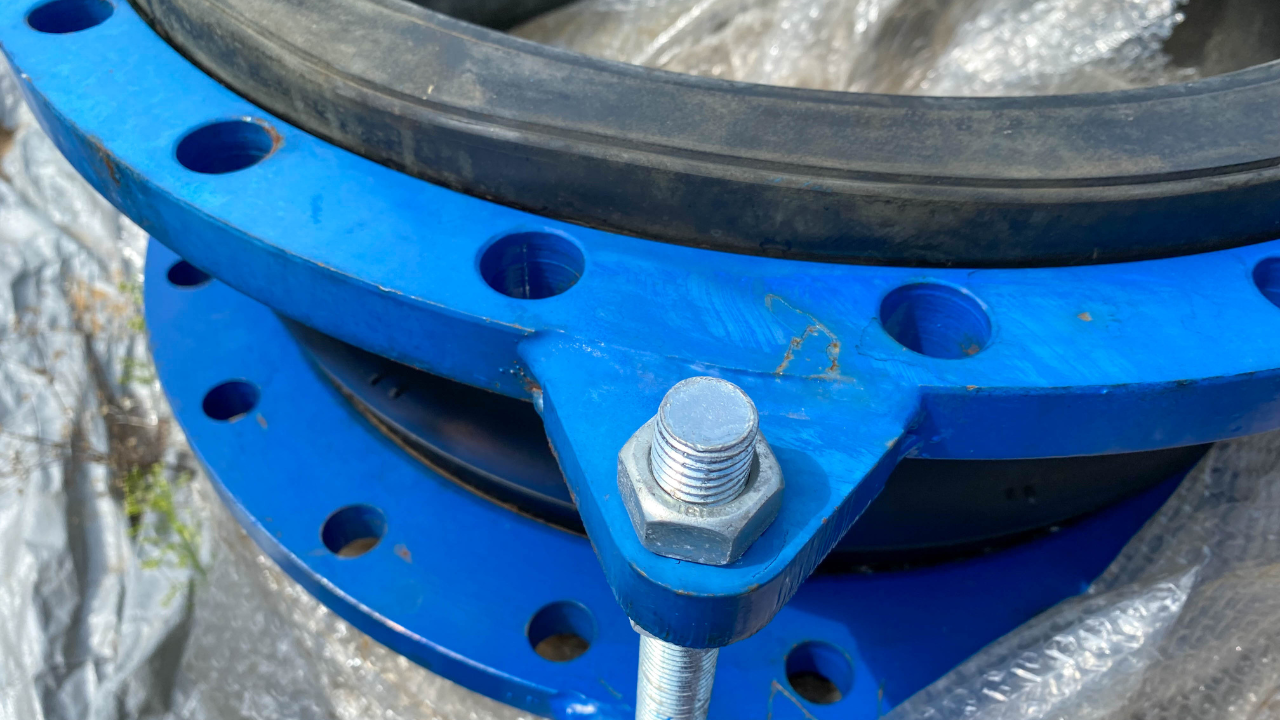
How to Get the Best from Expansion Joints

How Water Causes Bearing Failure

Huge Cost Avoidance Using Oil Analysis at LTV Steel

HVAC Attack - How to Select the Right HVAC Filter for the Job
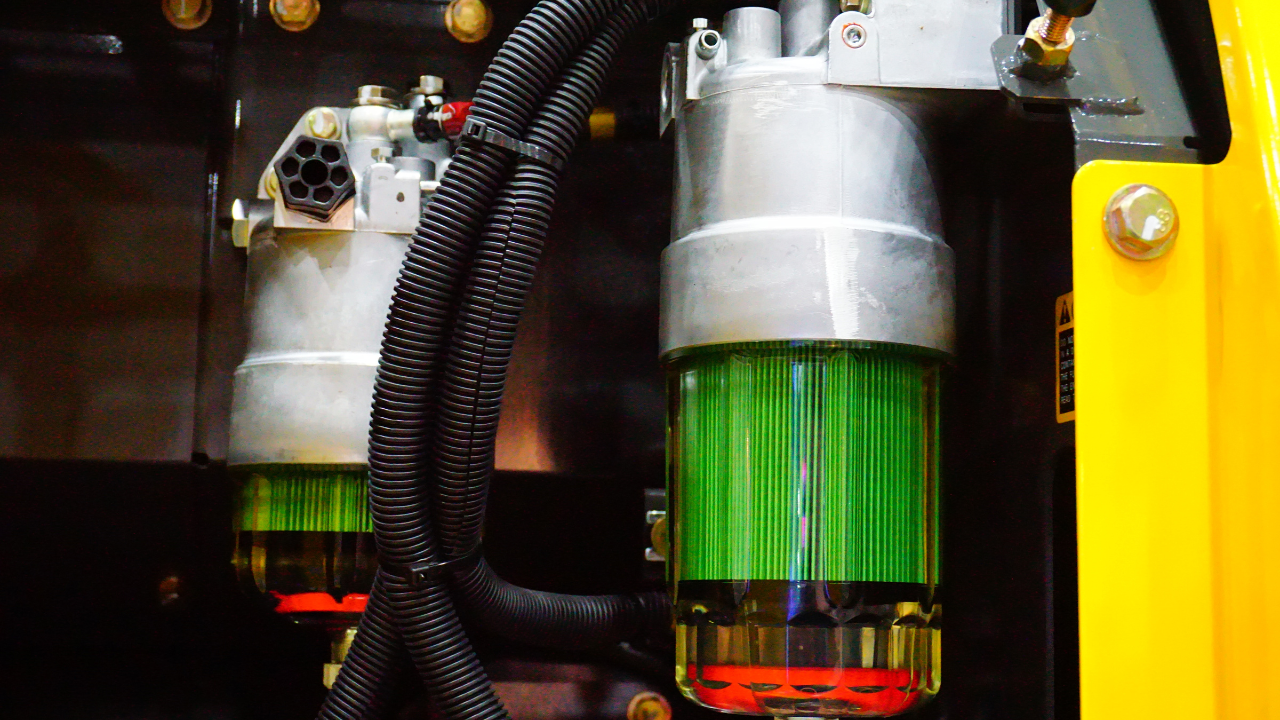
Hydraulic Filters that Do More Harm than Good
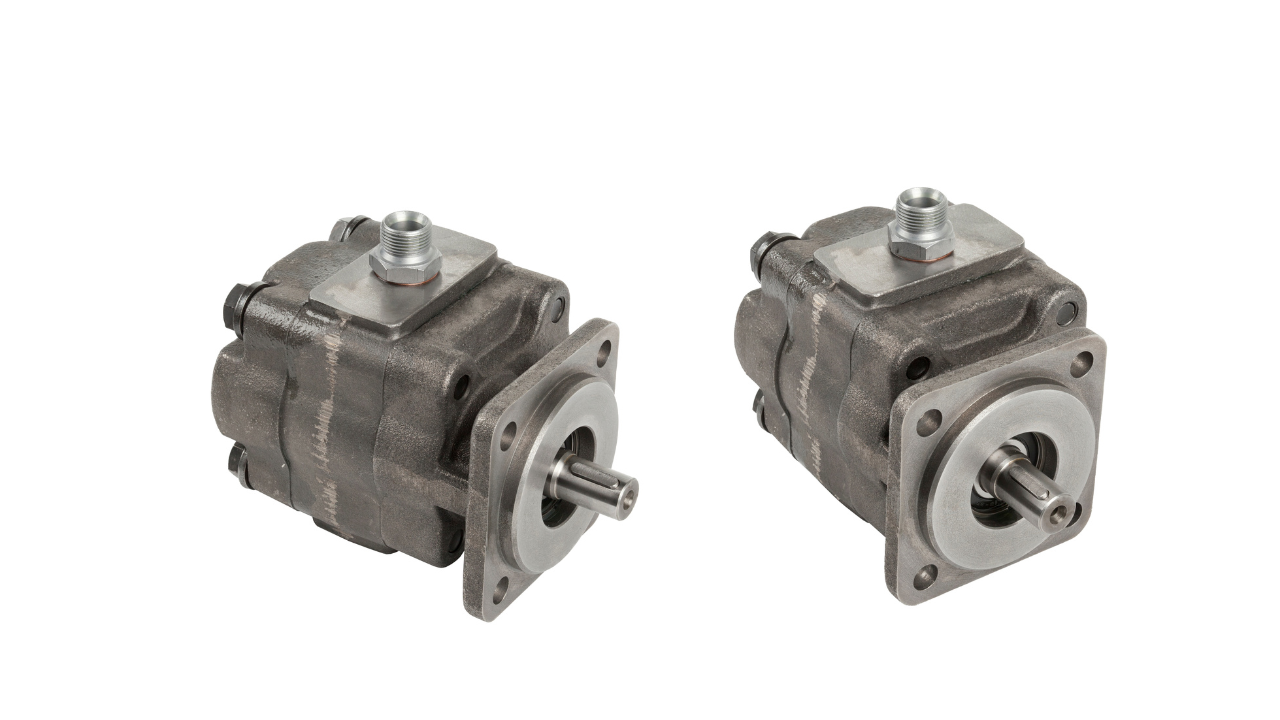
Hydraulic Pump Life Cut Short by Particle Contamination
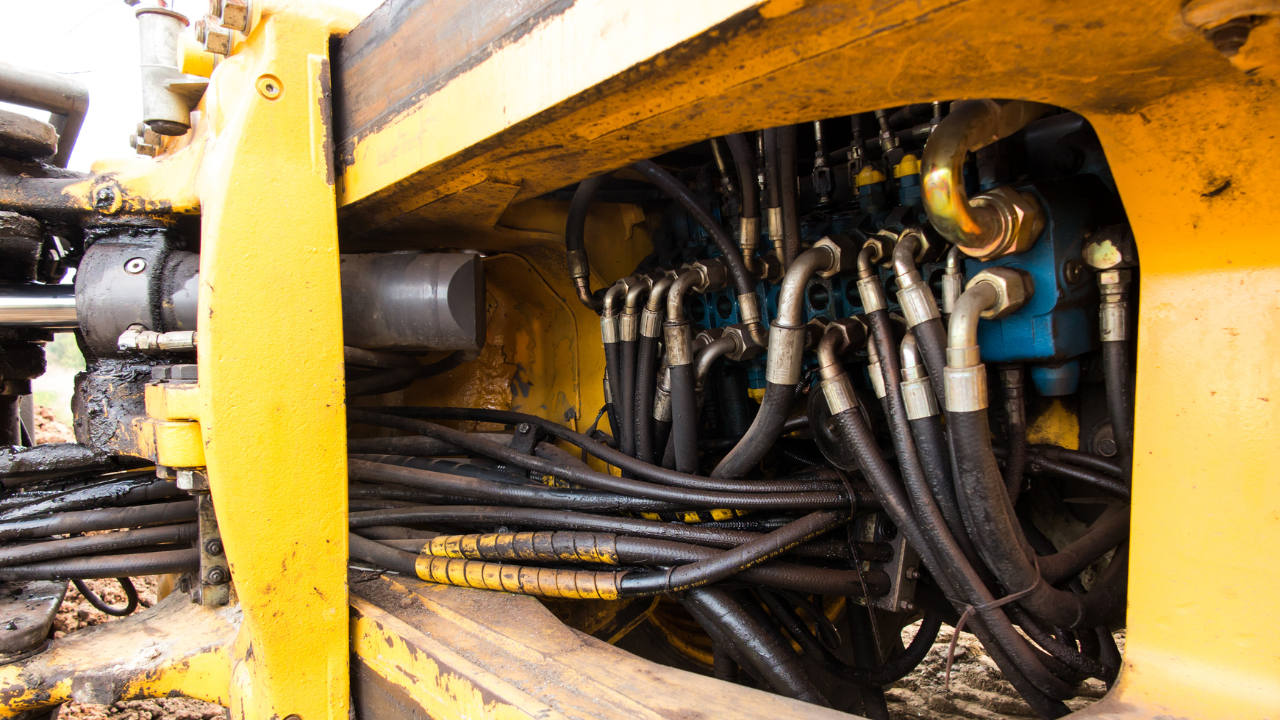
Hydraulic Valves - Preventing Cavitation Damage
Electrical Motor Diagnostics: Impact of Electric Motor System Maintenance and Management
Increasing Pump Reliability and Life
Steam Maintenance: Inspect Steam Traps for Efficient System

Installation Errors Shorten Bearing Life
Is a Repaired Motor Less Reliable?

Keeping Compressed Air Dry
Leaky Shaft Seals

Magnifying Mini: Microelectronics Miniaturization
Maintain Pumping Systems Effectively
Maintenance and Troubleshooting of Electric Motors
Maintenance Equipment: Basic of Centrifugal Pumps
Maintenance Management of Your Company's PLC
Maintenance of Bearing Seals
Maintenance Theory: How do Motors Work?

Non-Destructive Exposing of Buried Energized Lines

Pitfalls of Pump Piping

PLC: Programming in List on a Mitsubishi PLC – Part 1

Pump Cavitation Solutions: Polymeric Solutions for Pumps Suffering from Cavitation

Practical Automation: Understanding Pneumatic Power Circuits
Pump and Driver Alignment 14-3

Suction Bell Upgrades for Vertical Turbine Pumps
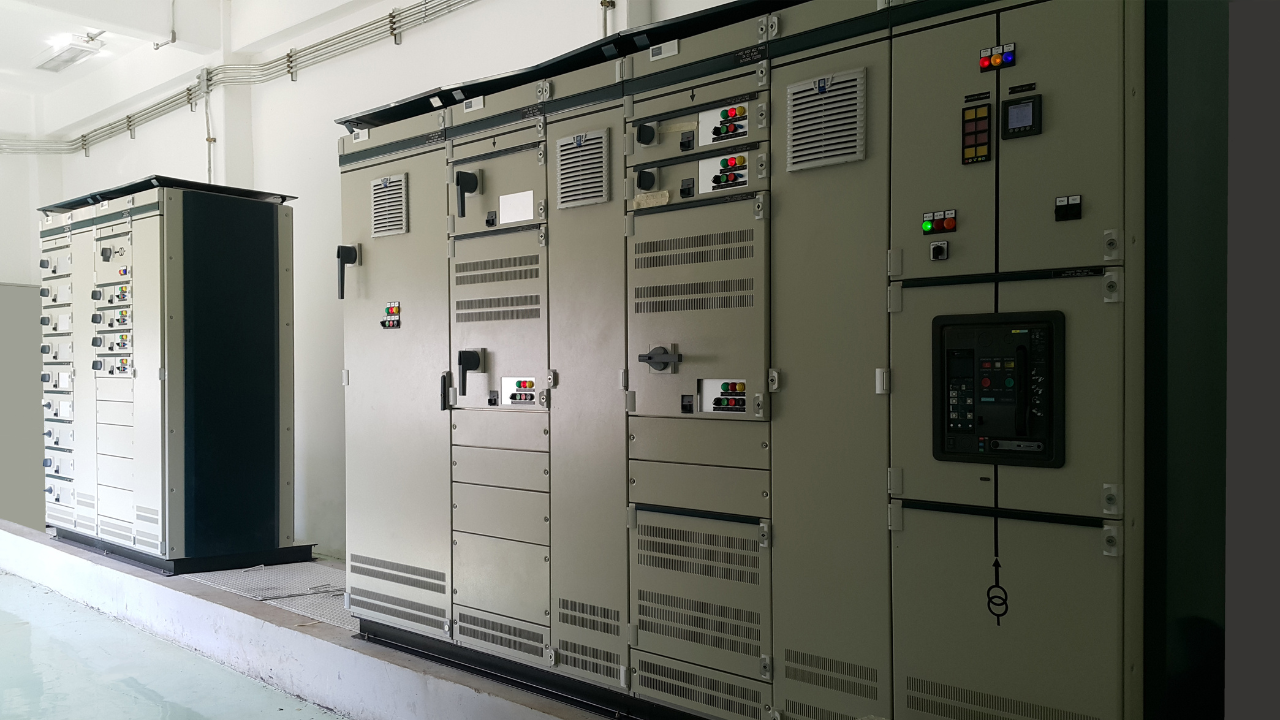
Refurbishing Aged MCCs Proves Beneficial

Barrier or Buffer Fluid: The Liquid we Circulate Between Dual Seals

Revitalizing an Aging Grounding System
Saving Energy with Bearing Isolators

Skills Development of Craftspeople

Solving Hydraulic System Overheating Problems

Some Dangers of Batch Processes
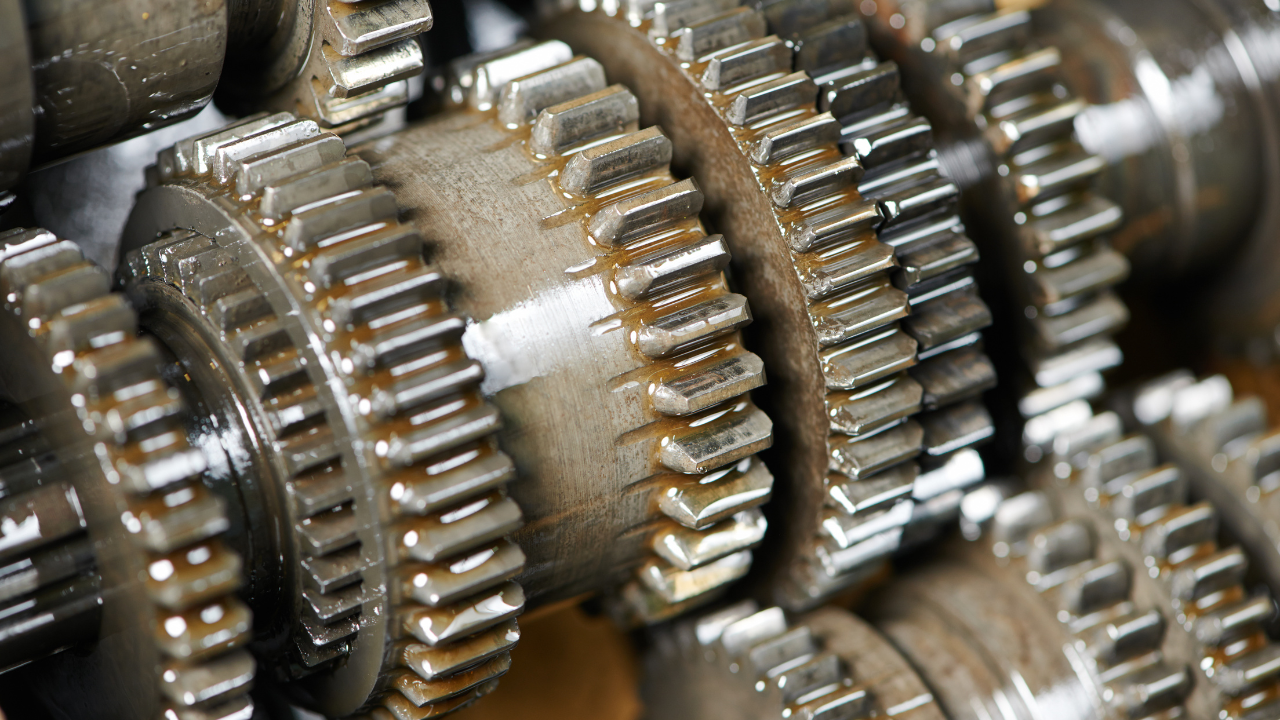
Strive to Improve Your Gearbox Performance
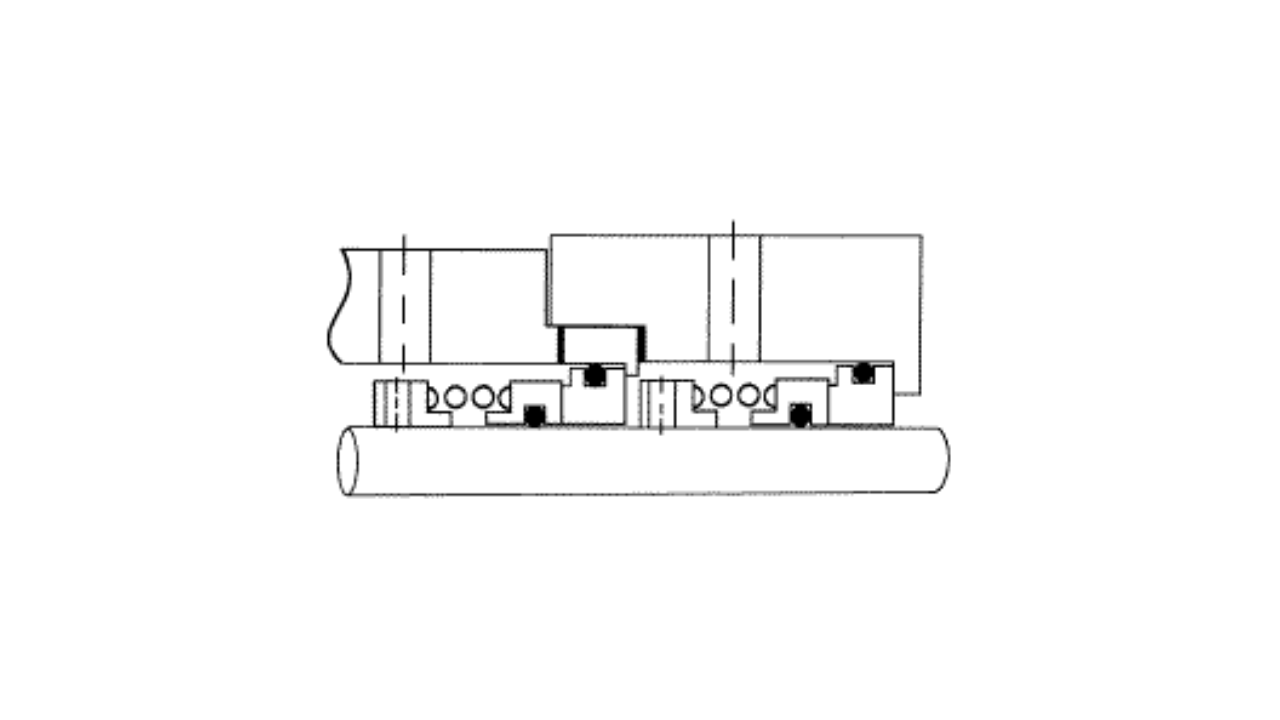
Let's Clear Up the Confusion About Flushing Seals 3-6

Temperature Shock of Hydraulic Components and How to Avoid it
Test for Pumping System Efficiency
The API Gland
The Non Seal Pump

The Role of Fireside Corrosion on Boiler Tube Failures

The Role of Fireside Corrosion on Boiler Tube Failures: Part 2
The 7 Secrets of Pump Reliability
The Trouble with Torque in Electrical Connections

Fire Sprinkler Corrosion: The True Threat of a High Corrosion Problem to a Fire Sprinkler Line

Understanding Shaft Alignment: Basics
Who Should Recondition My Seals?
Why Should I Upgrade to a Programmable Logic Controller (PLC)?

Pumps: You Get What You Pay For... Or Do You?

RCFA: How to Select the "RIGHT" Root Cause Failure Analysis

Developing a Root Cause Analysis Work Process - Part 1

Developing a Root Cause Analysis Work Process - Part 2

Developing a Root Cause Analysis Work Process - Part 3

Root Cause Analysis Chronic Events: Panning For Gold

RCM for Medium Sized and Lean Organizations

Examples of Root Cause Analysis

Root Cause Analysis Guidance Document
Root Cause Analysis: Will It Find the Weak Link?

Case Study: Root Cause on Seal Failure in Refinery

7 Points to Successful Root Cause Analysis (RCA)

The Latent Causes of Industrial Failure
Troubleshoot AC Motors

Troubleshooting Hydraulics

Troubleshooting Paper Machine Problems Through Thermal Imaging

Troubleshooting Valves
The Process of Troubleshooting Mechanical Seals - Part 1
Troubleshooting Mechanical Seals | Wide Wear Track | Part 2
Troubleshooting Mechanical Seals | Centered/ Miscentered | Part 3
Troubleshooting Mechanical Seals | Even/Uneven Wear Track | Part 4
Troubleshooting Mechanical Seals | Scoring | Part 5
Troubleshooting Mechanical Seals | Chipping | Part 6
Troubleshooting Mechanical Seals | Coking | Part 7

Troubleshooting Premature Bearing Failure

The Top 10 Reasons Why Root Cause Analysis Sucks in the United States

Why Do Pump Bearings Fail?

Why Some Root Cause Investigations Don't Prevent Recurrence

Lube Routes vs. Combo PMs: What's Best? What are the Issues?
Brinelling of Bearings

Hydraulic Troubleshooting
Factors which Influence the Speed of an Air Cylinder

Hydraulic Testing & Diagnostics

Logical Troubleshooting in Hydraulic Systems
Hydraulic Filter Condition Monitoring

Three Simple RCA (Root Cause Analysis) Facilitation Tips

Planning and Scheduling in the Process Industry
How Do Variable Speed Drives Impact Mechanical Seals?
The ‘Maintenance Crisis’ and Innovations that are Changing it

Flow through Orifices
Carbon Brushes for DC Motors and Generators
Matching a Hydraulic Motor to the Load

Creating Reliable Equipment Information

Figure Out the Dollars Behind CMMS Automation
Disc Couplings Dump Downtime
Leading Change: Why Transformation Efforts Fail

What is Vibration? Linear and Non-Linear Systems

How Green is Green When it Comes to Using Everyday Industrial Cleaning Products for Plant Maintenance?

How to Build Your ISO 55001 Asset Management System Quickly and make ISO 55001 Certification Easy

PLC: Programming in List on a Mitsubishi FX PLC - Part 2

Rethinking the Decision Factory

What Do Your Preventive Maintenance Tasks Really Do For Your Asset Care Strategy?

The New Productivity Challenge

Leadership in Maintenance Weekly/Daily Operations and Maintenance Meetings

Focusing RCM on Equipment Critical to Electrical Safety
Failure Teaches Success
Ten Steps to Pump Reliability - Part 1

Shining a Black Light on Coating Inspections

7 Ways Leaders Fail

Fluorescent Cleaning Non-Destructive Testing

A Twist on Particle Evaluation: Redefining the ISO Cleanliness Code

You Cannot Lose With Training

The Financial Benefits of Reliability

Safety Incidents: Is Safety a Backseat Driver?

10 Reasons Why You Should Audit Your Vibration Monitoring Program NOW!
Optimizing your Shutdown Program in 5 Steps

3 Keys to Improved Bolted Flange Joint Integrity

Beginning a Maintenance and Operations Partnership
10 Steps to Pump Reliability - Part 2
Wrench Time - Why the “FEAR” to Measure Maintenance Productivity?

Maintenance Planning and Scheduling Basics

Cost-Benefit Analysis and Projecting Project Payback

4 Ways To Break Free From Being ‘Too Busy’
NFPA’s Hazard Diamond

Workforce Development

Can a CMMS/EAM Solution Really Solve All Your Problems?

21st Century Oil Analysis – Fantastic Gains – Still More to Learn and Do

Maintenance Cost and Estimated Replacement Value

Whose Job Is Leadership, Anyway?
Pump Technology Balancing Tradition & Innovation

A Sustainable & Effective Approach to Vibration Analysis

Victor Wowk: Field Balancing Standards - How Good Is Good Enough?

Lubrication Audit, Develop and Implement

Should You Contract Out Maintenance?

Cost of Unreliability

Fire Prevention and Emergency Action Plans: Are you ready to handle emergencies?

Air Canada takes a 'pit crew' approach to 787 maintenance
How do you measure reliability?

Lifetime Coating Systems: Major Problem When Product Life Exceeds Coating Life

Corporate Maintenance Reliability: Certification & Job Performance

What is Reliability?

Contamination Control Can Reduce Costs

How a Photoelectric Sensor Saved My Job

Nondestructive Testing for Protective Coatings: Implementing a Lifetime Corrosion Prevention Program

Identify the Reliability Gap

Developing Leaders: To Train or Not to Train?

10 Components of a Successful Vibration Program - Part 1

Definition of Maintenance

You Think a Computerized Maintenance Management System Is an Option?
10 Components of a Successful Vibration Program - Part 2

Industry Insight with Christer Idhammar of IDCON INC

Corrosion Prevention a New Market Niche?

Visual Inspection: A Necessary Component of Infrared Inspections

RPM Method + RCM = Reliability

Human Capital and the Internet of Things

Three Ways to Reduce Maintenance Cost

Evidence Based Asset Management: Actionable Intelligence in the Era of Big Data

ERP and EAM: Partners, Not Competitors

Does Your Company Need a Maintenance Culture Intervention?

M2M Strategies for Machine Tool Maintenance

Practical Maintenance Strategy Design For Capital Expansions

Maintenance Cost and Reliability
10 Components of a Successful Vibration Program: Part 3

Asbestos Risk in Manufacturing Plants
How to Extend Bearing Life

Reliability: Concepts and Trends
The True Value of Reliability: A Look at the DuPont Bradley Curve

Breakthrough Technology for Maintenance Inspections

What are Current Best Practices (CBPs)?

CMMS - Computer Maintenance Management System
The True Cost of Bearing Lubrication

Vibration Analysis Using ADCs Keeps Industrial Equipment Working

Reliability, Resilience and Damage

Cooling the Industrial Workplace

Systematizing Your Asset Management Operation
The Meaning of Bearing Life

Using Performance and Development to Sustain Performance Improvement

Power Plant Maintenance: Which Strategy Is Best?
Maintenance is Really Not the Problem

10 Ways to Reduce Reactive Maintenance

Standard Job Plans

Unleash the Potential of Your Reliability Function

Costs and Capabilities of Pneumatic, Electric Actuators

How to Build a High Performance Maintenance Team

The Story of a Work Order
Preventive Maintenance - Visible Change

Releasing Asset Value Sustainably - An Analysis of ISO55000x

10 Steps to Achieve World-Class Manufacturing Maintenance Practices

Internal Clearance & Its Effect on Bearing Fatigue Life

Using Effective EAM to Improve Asset Utilization & Reduce Costs

Job Interviews: The 4 Levels of Fit

Operations Maintenance Coordinator Role (OMC)

Making a Successful Case for Maintenance
Principles of Measuring Performance

Start Designing a Planning and Scheduling Program

Asset and Maintenance Managers: Key Decision Makers

Gear Pump Operation and Maintenance

RCPE: What vs. Who

The Key to Unlocking the Full Potential of Your CMMS

Hydraulic Systems Hack! Preventative Maintenance Checklist

Bad Salesmanship Hinders Reliability

The Most Definitive Test of a Hydraulic Pump

Vibration Analysis: Interpreting the Vibration Signature of Plant Equipment

How the Industrial Internet of Things (IIoT) Is Shaping Manufacturing

MEMS Accelerometer Performance Comes of Age

The Secret to Making Your Deferred Maintenance Backlog Manageable
Do We Really Want to Be Proactive?

Debunking the Myths Around Bearings

The Evolution of Performance Measurement

Condition Monitoring in the 21st Century

Asset Performance: Wiring Your Assets for Success
What is Total Productive Maintenance?

Setting Techniques for Tapered Roller Bearings
Grid Coupling: How Does a Component Fail?

Normalization of Deviance and the Perception of Defects

The Challenge: Developing a Reliability Culture

Back to Basics for True Operational Excellence
Hydraulic System FMEA Made Easy
The Top 10 Improvements to Pursue in Your MRO Spare Parts Program
How to Determine Lubricant Mixing

Acceleration Enveloping: Opening the Envelope on Bearing Vibration

11 Tips for Effective Workplace Housekeeping

From Screwdrivers to Testers: Vibration Testing and Analysis Comes of Age
How to Make the Most of Predictive Maintenance

Why Organizations Leave Money on the Table

Cleanliness is Indicative of Quality

Engineers Need a Nap

Improving Safety: 10 Tips, Tricks, Rules and Suggestions
Safety Tips for Handling Petroleum Products

The Golden Rules for Machinery Reliability

Justification of Planners
An Introduction to Machine Vibration

3 Outlooks on What's Trending and What's Important in Industrial Lubrication and Oil Analysis

How to Use Condition Monitoring as a Proactive Equipment Reliability Improvement Strategy
Why You Should Avoid Using Oil Funnels

Creating a Spare Parts Holding List with Confidence
Why Oil Goes Bad

Some Plain Talk About Nuts and Bolts: Part 1 of 2

Drone Based Inspections and their Use in the Future of Facility Maintenance

How to Get the Resources and Support You Need
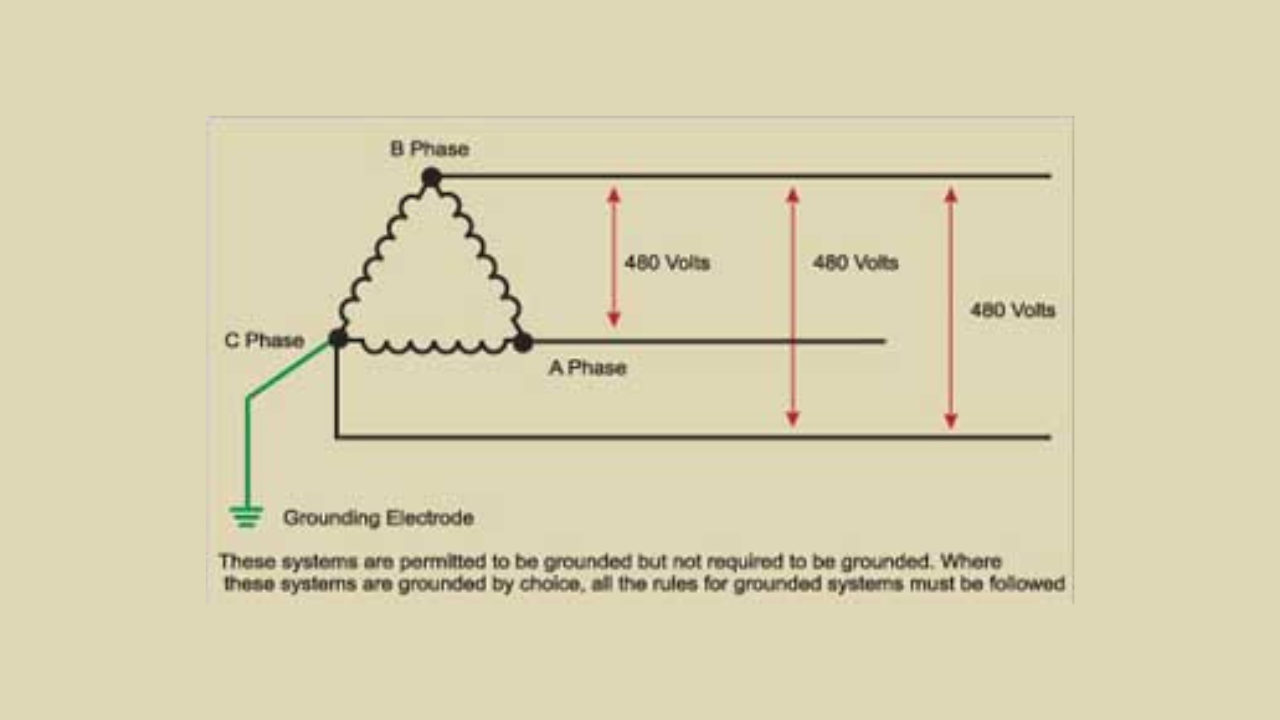
Installations and Inspections of Corner-grounded Systems

Building a Reliable Plant Through Constant Evolution

Best Practices for Lubricating Paper Machines

Failure vs. Breakdown: What is the difference between a failure and breakdown?
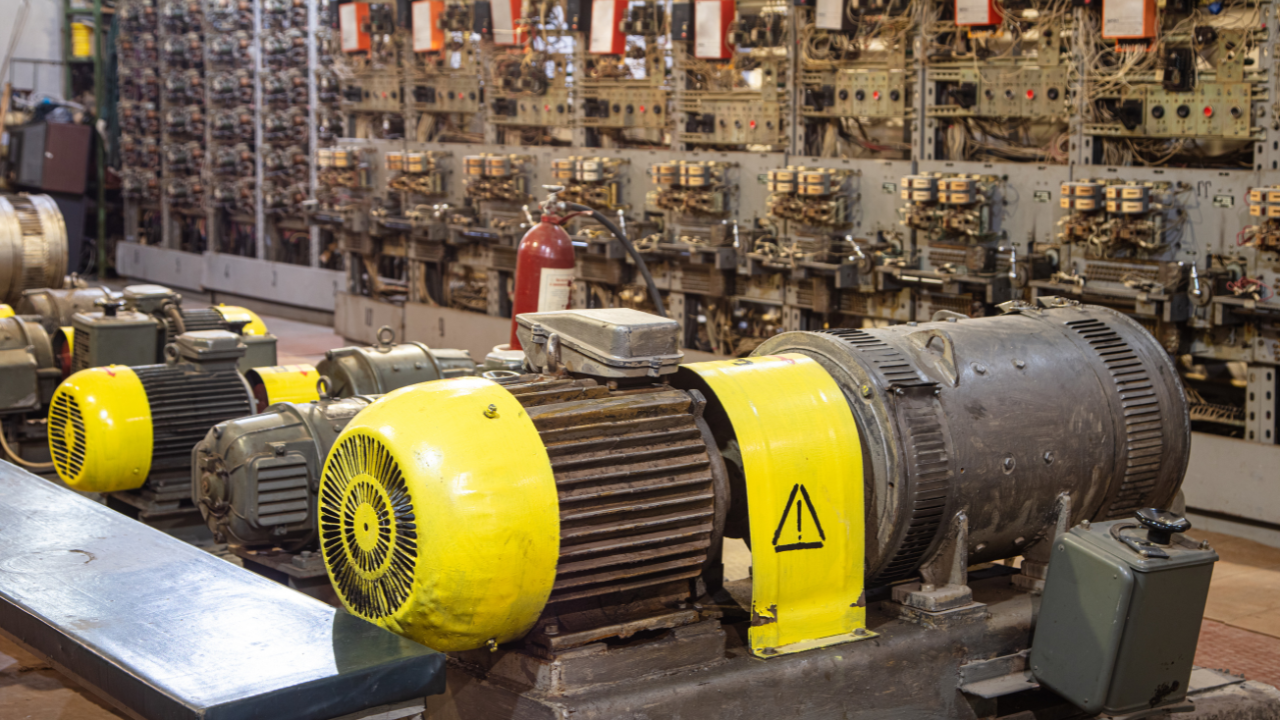
Vibration Analysis as a Diagnosis Tool for Health Monitoring of Industrial Machines

Why Temperature Affects Lubricants

Five Pillars for a Maintenance and Reliability Program

Best Practices for Compressor Storage

Three Levels of Condition-Based Maintenance

Your Maintenance Debt Dictates Your Maintenance Cost
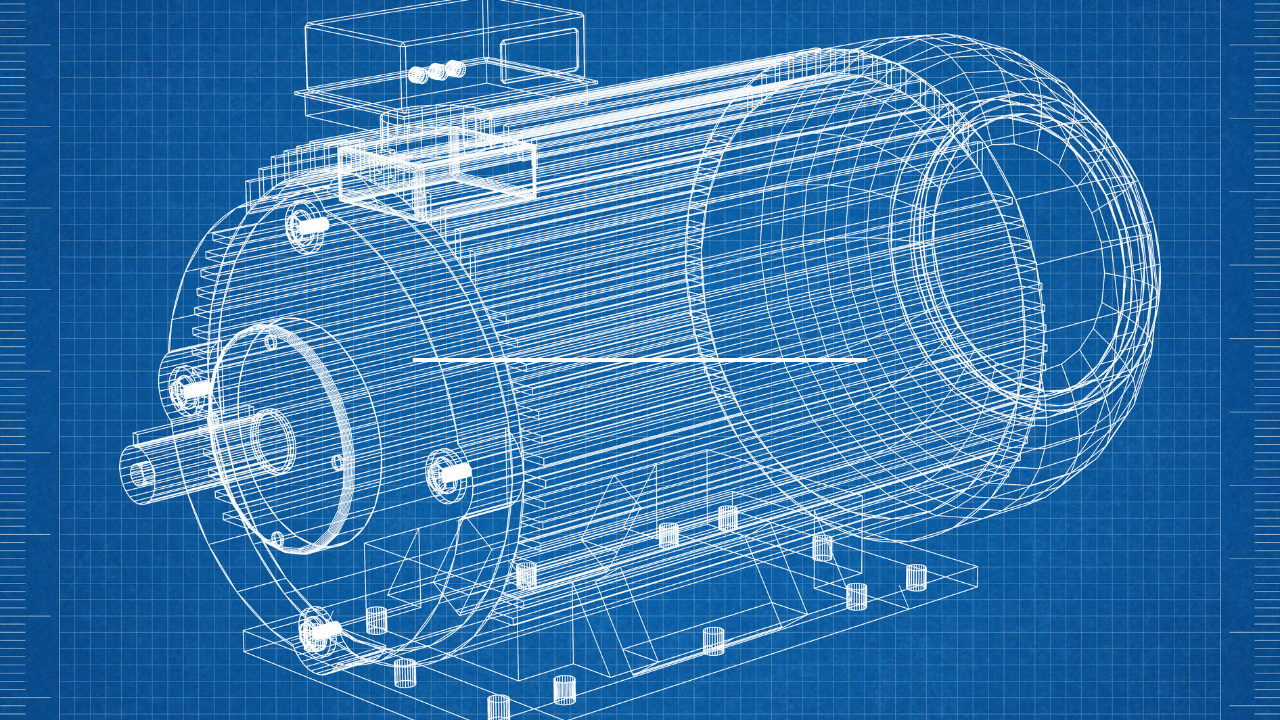
Developing an Effective Electric Motor Testing Program

Common Sense: Is It Common?
Indoor Air Quality Increases Workforce Productivity

Highly Effective Maintenance Training is to “Know Why”

The 5 Habits of Great Reliability Engineers

The Industrial Internet: Disruptive, Innovation, Readiness

Back to Leadership Basics

Reliability Tips: The Layers of Root Cause

How to Optimize Big Data in Factory Maintenance

90% of all Training is Wasted!

10 Things Your Management Needs to Know Now

How many Planners and Supervisors do we need?

Did you Review Your Last Shutdown/Turnaround?

No Part Left Behind: 4 Simple Rules for Efficient Inventory Management

3 Techniques for Optimizing Preventive Maintenance

Can Operations Manage Maintenance?

The Past and the Future of Industrial Maintenance Management

Piping Vibration - Causes, Limits and Remedies
How Service Parts Planning Impacts Machine Uptime

A Driving Lesson for Plant Management

Continuous Predictive Maintenance Is the Way Forward

Importance of Flooring for Food Processing Plant Hygiene

Why Online Oil Quality Monitoring is a Best Practice for Reliability Programs

A Plan for Breaking Out of Maintenance Budget Jail

7 Steps to Trouble-free Grease Lubrication

On-Site Fluid Intelligence: A Revolution to Advance Machinery Reliability

Leadership is Vital to Success

Planning and Scheduling: Planners Should Not

Asset Strategy Management: The Missing Piece in the Asset Management Puzzle

3 Ways to Improve Motor Health with Vibration Testing

Are Most Maintenance Organizations Overstaffed?

The New Industrial Culture: Journeys Toward Collaboration
Technologies That Make Asset Monitoring Boring...in a Good Way

Best Practices in Lubrication

Can Your Mill Produce the Right Results?
Avoid Oil Sampling Pitfalls

Sustaining Life Span of Rotating Equipment in Plants

Work Safety - Part 1

Work / Job Safety – Part 2

Maintenance Work Orders in the Age of Industrial Internet of Things


Why Machine Learning and AI Are the Future of Oil Analysis

How to Improve Your PM Program in 10 Steps
Checking Best Practices for Preventive Maintenance

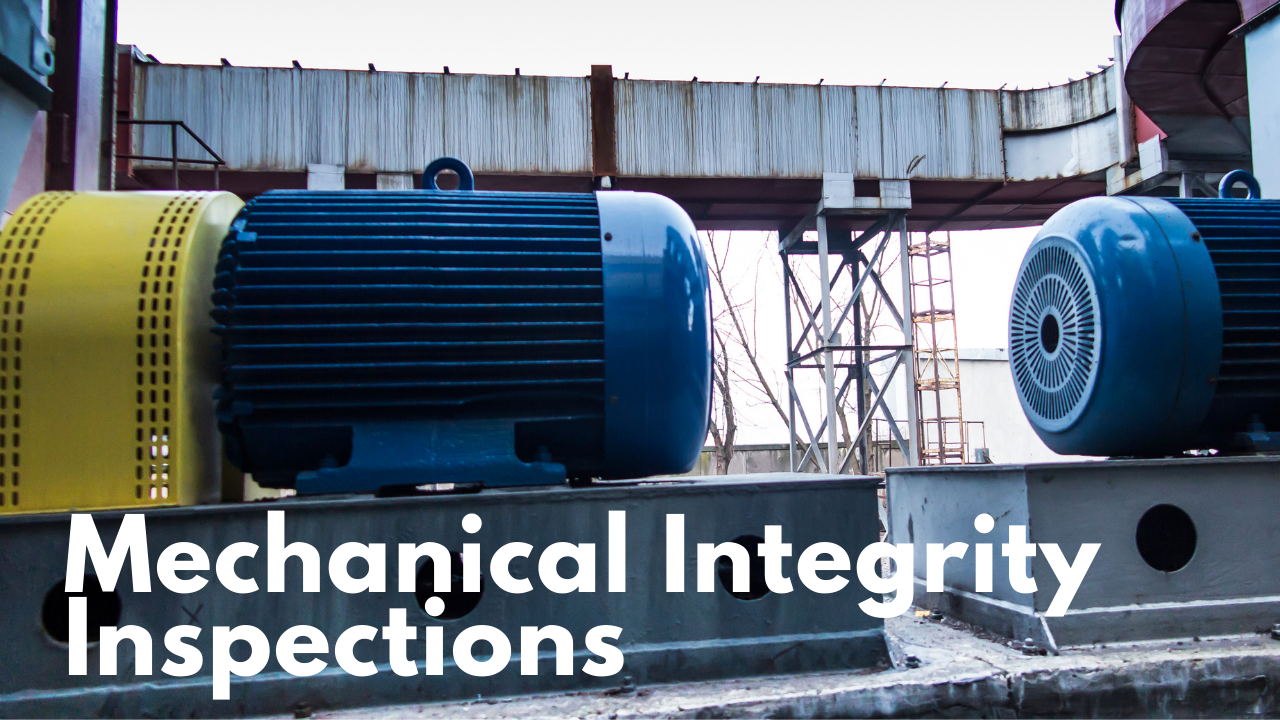
How to Use Mechanical Integrity Inspections

The Keys to Solving Fatigue: The Silent Killer
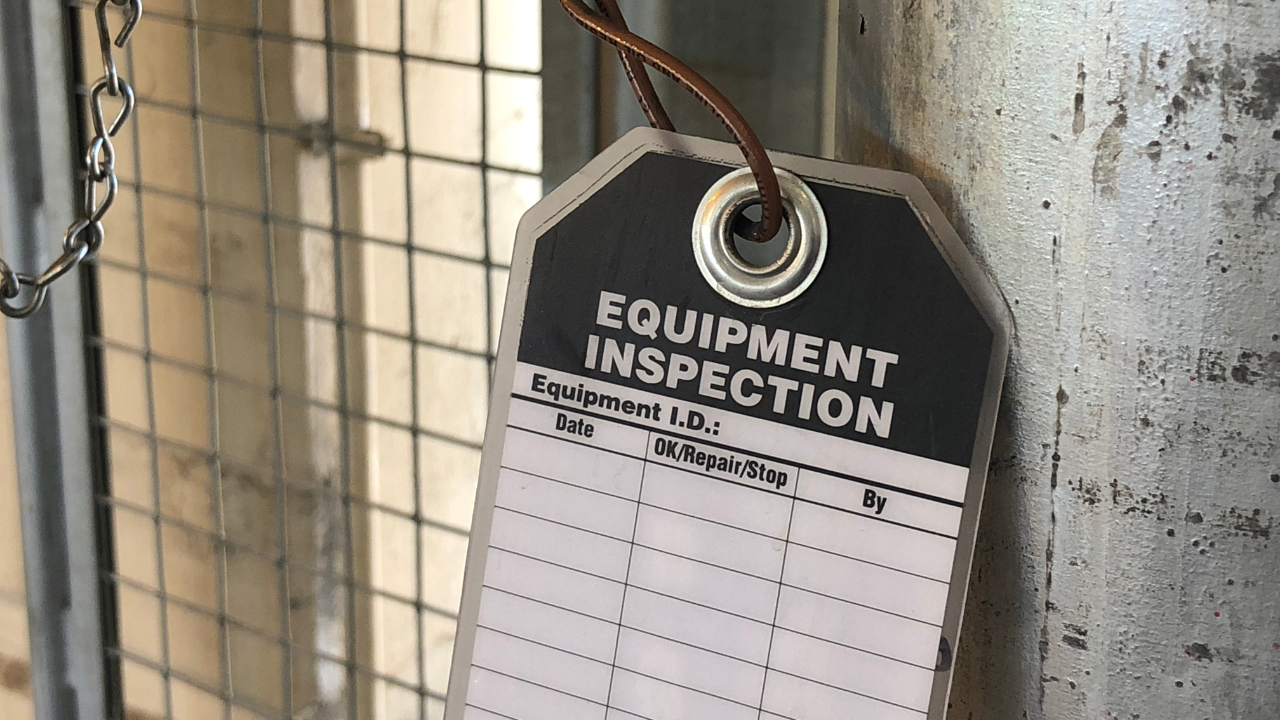
Equipment Inspections: Who is Doing Them?

Self-paced: Work Management Training

Maintenance Apps for Smartphones

Does Operations Know Their Role?


Creating a Culture of Manufacturing Reliability

How Building Managers Can Save On Energy Purchasing Through Changing Paradigms

CAT I - Introduction to Machinery Vibration
CAT II - Basic Machinery Vibration
CAT III - Machinery Vibration Analysis
BRM - Balancing of Rotating Machinery
VAO - Vibration Analysis Overview

Sources of data for AI Empowered Maintenance – Manufacturing Execution System

What Is Facilities Management? Challenges, Solutions, & More

What is Preventive Maintenance? A Comprehensive Guide

10 Steps to Getting More From Your Equipment Lubricants

How a Platform Approach Can Transform Your Building Operations
Develop and Manage Preventive Maintenance
Root Cause Problem Elimination
Essential Care and Inspection Techniques

Is the Objective Reliable Availability?

Plant Numbering and Asset Identification

Achieving TPM Excellence the Fast Jet Way
Introduction to MCEMAX*
MCEMAX Data Analysis
Electric Motor Testing Certification**

Managing Today's Castles with InMapz

The Trifecta of Motor Maintenance

Gaps in Your Electric Motor Reliability Program

Improve Your Year End Inventory Results

3 Trends That are Set to Shape Property Ops in 2023

How to Mitigate Risk with Your Mobile Solution Proof of Concept

Linear and Nonlinear Vibrations

Allocating and Analyzing Downtime

RFID: Is It the Right Solution for your Problem?
Electric Motor Problems
Facilities Management Technology for 2023

Practical Guide to Equipment Hierarchy
The Missing Link Between OEE and TPM
Common Mechanisms of Failure & Preventive Methods

Brinelling and False Brinelling

The Edison Principal - More Science than Guesswork for Corrosion Prevention

Cardinal Manufacturing, Helping to Bridge the Manufacturing Skills Gap

South Carolina Ranked as the #1 State for Manufacturing

The Decade of American Reshoring

Install, Maintain Single-Packaged Units for Optimal IAQ

What is ISO 55000?
How do I Test Relays and Contactors?
How to Label and Number Equipment for Easy Identification
Vibration Institute 46th Annual Training Conference and Expo
Lost Radioactive Capsule Proves Preventive Maintenance is as Important as Ever

Asset Performance Management Improvement by the Numbers
HBD Condition Monitoring Devices at the center of Ohio Derailment

Get Your Bearing on Brinelling
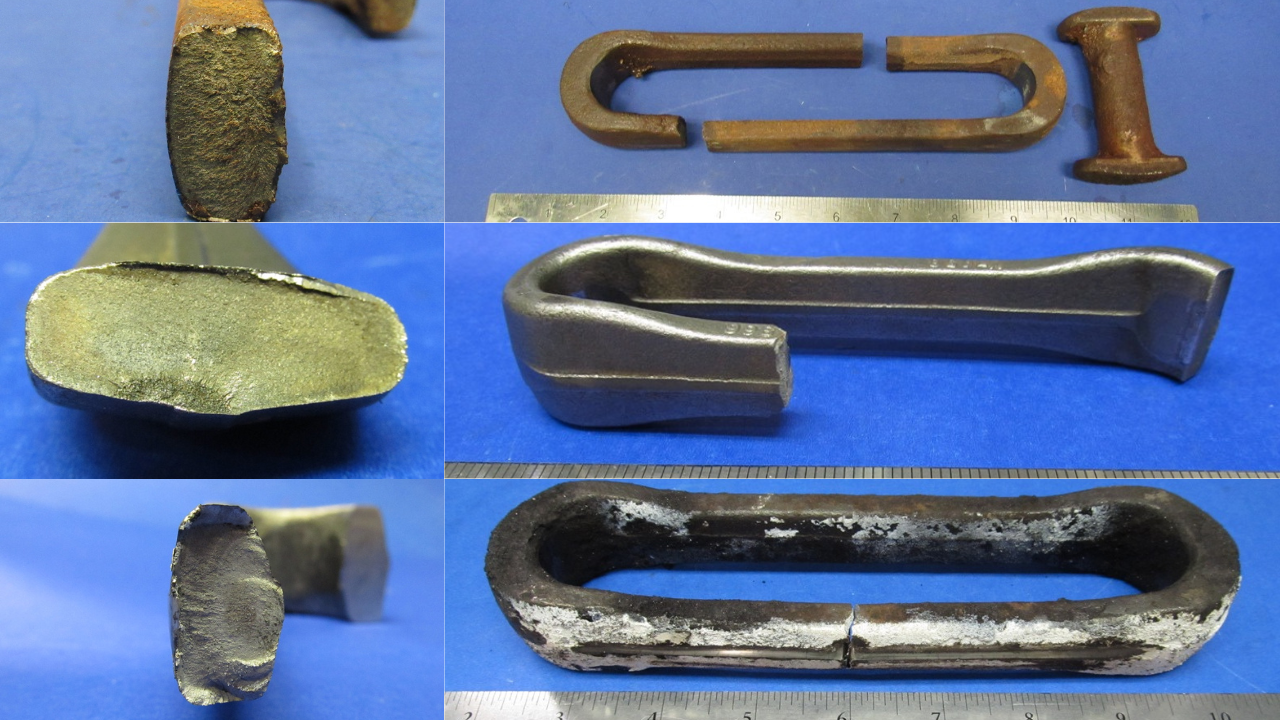
Studying Fractures: Recognizing and Understanding Failure Modes

Managing Models
Put Your Equipment Drawings, Manuals and Pictures to Work for Cost Savings
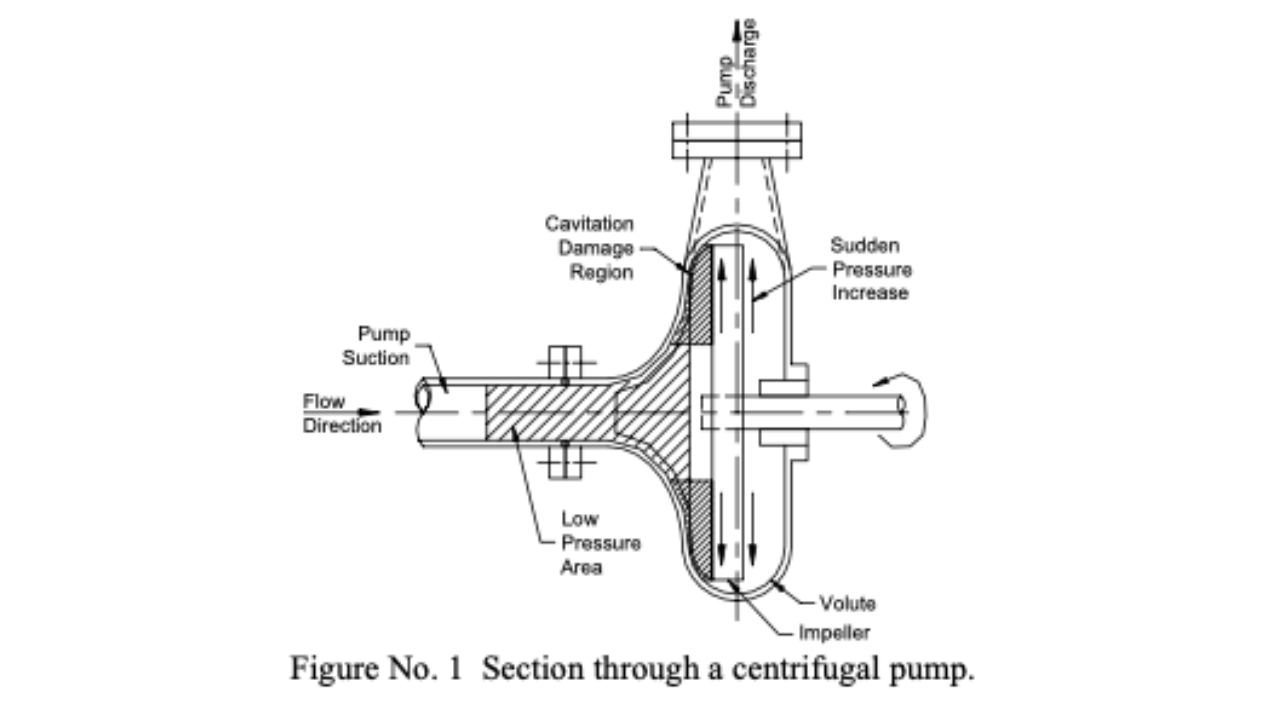
The Pump Impeller: Pump Life Extension
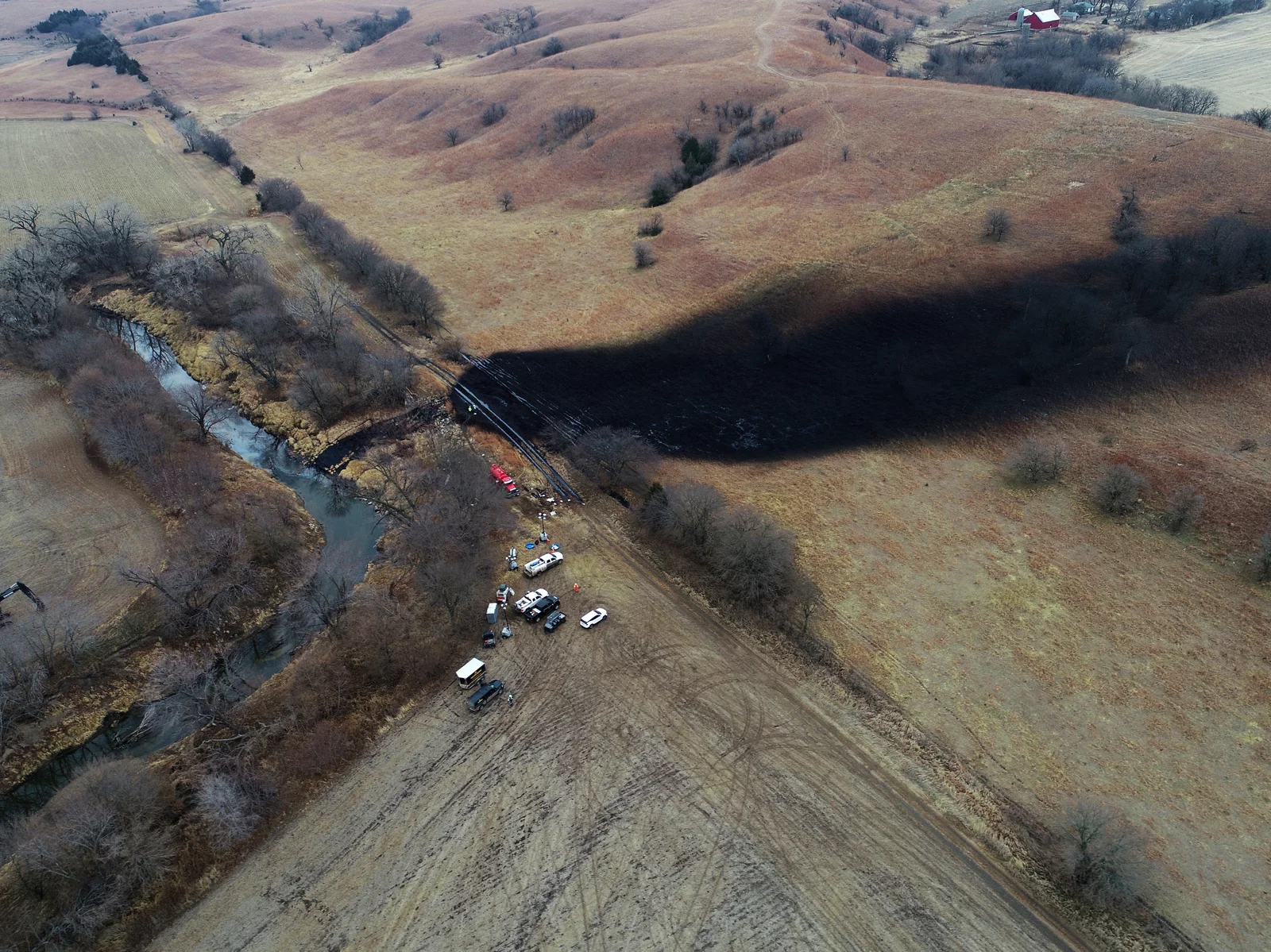
Failure Analysis Uncovers the Cause of the Keystone Oil Spill

Maintenance, Lean Processes and the Drive to Net Zero

New Challenges in Maintenance Management
Transitioning from Military to Industrial Maintenance: 2nd Times-a-Charm
Ohio Foundry Explosion

The Maintenance Leader’s Journey from ‘Command and Control’ to ‘Mission Command’

Oil and Gas Layoffs

DOJ Files a Lawsuit against a Neoprene Manufacturing Plant in Louisiana
Ohio Files Federal Lawsuit over Norfolk Southern Derailment

Why Might your Business Need a CMMS?
Ohio Manufacturing Plant Producing Refurbished Tanks

Happy Retirement Tim! But Don't Forget About the New Employees

Metal Fatigue Failure

Biden kicks off his ‘Investing in America’ Tour in NC

Navigating O&M’s new responsibilities with Connected CMMS

Growing Old: 6 Risks of Aging Facilities

Industrial Coaching

The Eco Edison is Making Waves in Louisiana
Engineering Standards to Help Lower Cost

5 Key Maintenance Manager Skills Needed in 2023

EPA Tightens Mercury and Air Toxics Standards for Coal Plants

Physical Asset Management: Turning your Vision into Reality

What is the Role of a Maintenance Storeroom?
Controlling Materials Returned to Maintenance Stores

Industrial Outbreak of Blastomycosis at Michigan Paper Mill
How to Navigate the Facility Condition Assessment Industry

The Godfather of Reliability: Christer Idhammar

Dr. Yellow: More than just good luck, it’s good maintenance

Equipment Criticality Analysis and Managing Storeroom Assets

France Struggling with Nuclear Reactor Maintenance

Russian Ball Bearing Shortage
Bill of Materials: A List of Parts to Streamline Maintenance Work Management
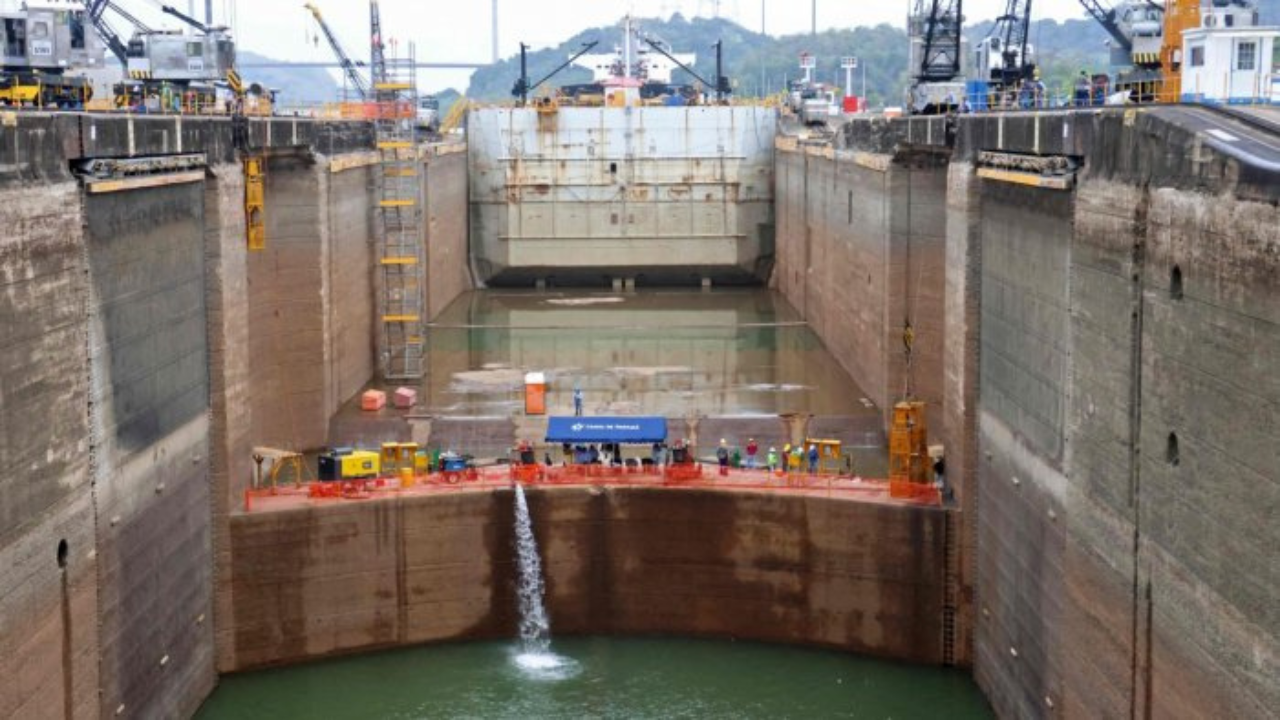
Panama Canal Maintenance to Extend Life Another 100 years

The Benefits of a Modern CMMS for Solar Power Farms

Heating Solutions: Avoid Heating Concerns with Preventative Maintenance

Making These 8 Simple Changes in Your CMMS Will Give You Surprising Results

IDCON Talks: Christer Idhammar

Embracing the Power of Computer Aided Facility Management
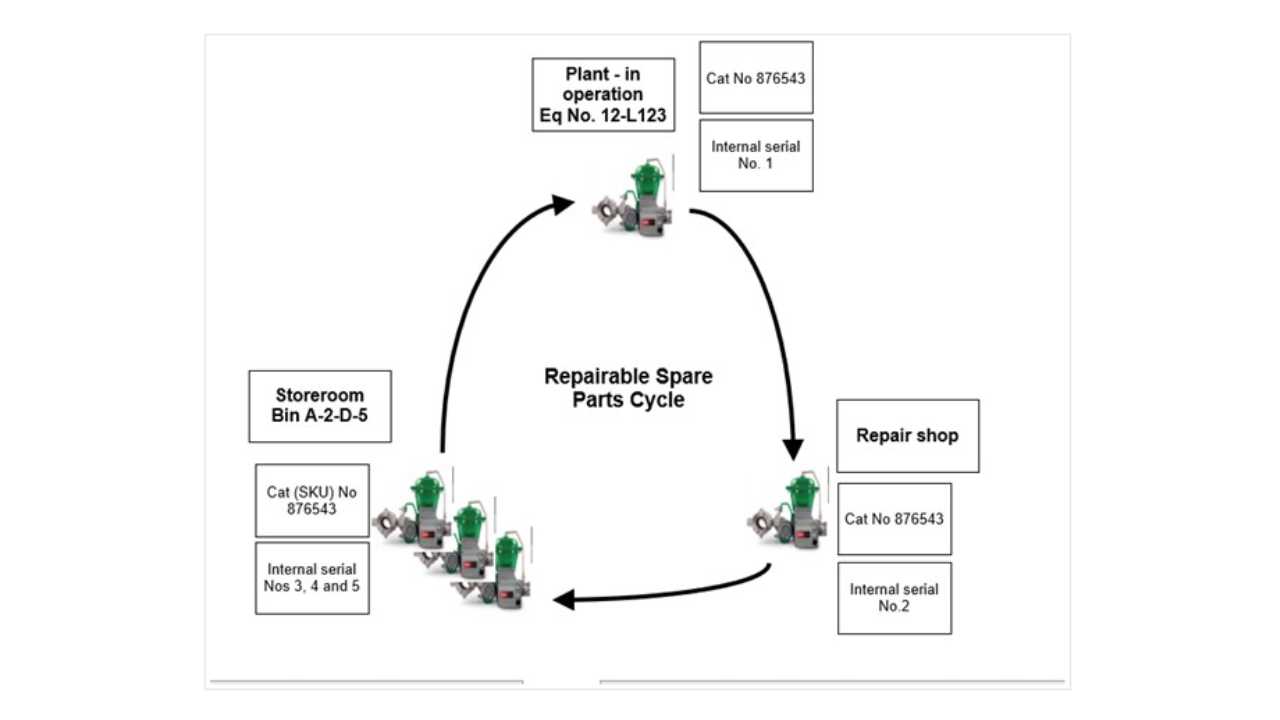
Managing Repairable Spares
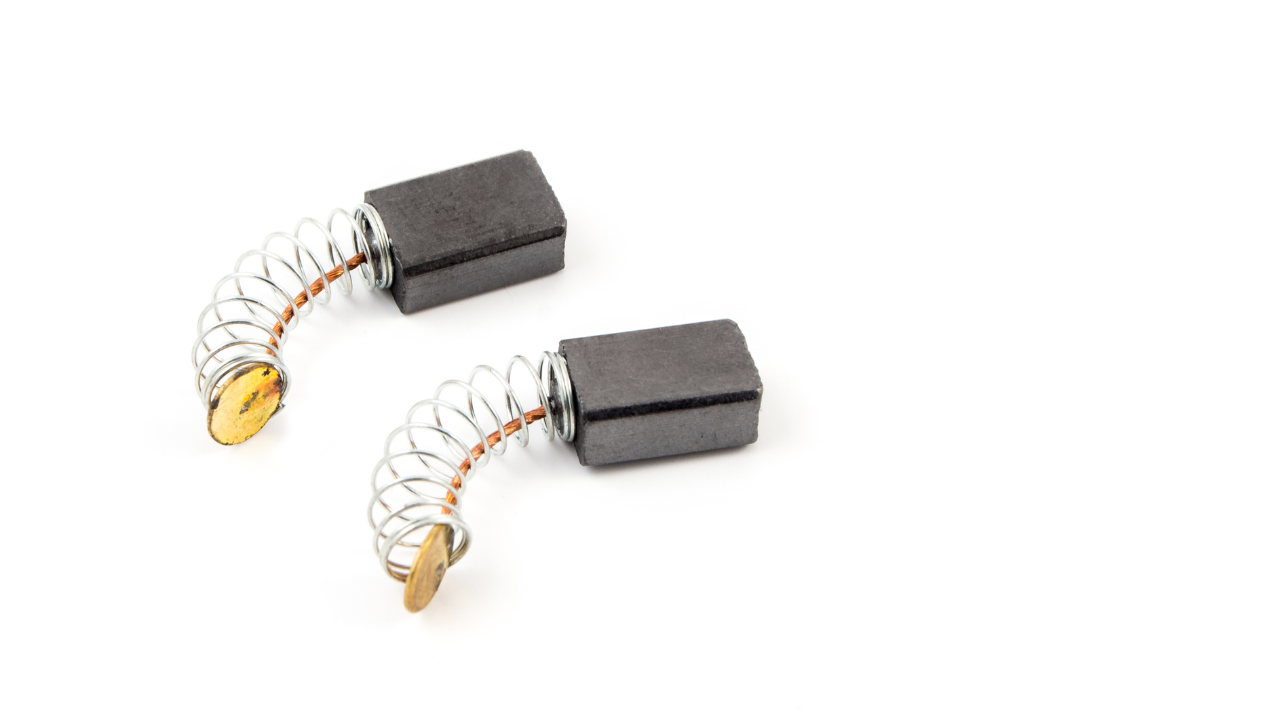
Motor Brush Facts and Maintenance

Semiconductor Industry Facing Worrisome Talent Shortage

Potable Water Contamination aboard US Naval Ships

The Lost Recipe of Self-Healing Concrete: A Maintenance Dream
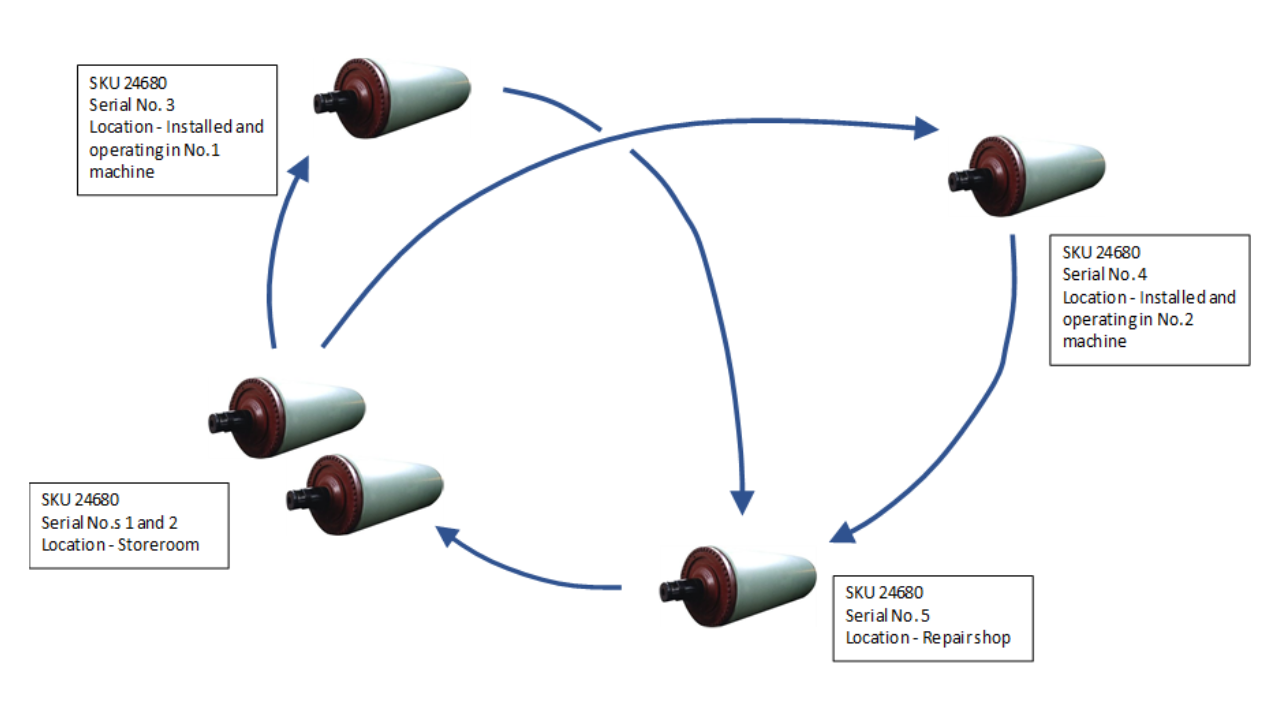
Serialized Spare Parts

Critical Gaps in the Sky: The Looming Aviation Maintenance Technician Shortage
The 8 Pillars of TPM

Lathered in Valor: Saluting the Maintenance Heroes of Operation Ivory Soap

Repair, Don't Waste: The Solution to Our E-Waste Problem

The Fight to Repair Industrial Electronics

Maintenance Management: The Perfect Role for Critical Thinkers

Balasore Train Crash: Urgent Need for Maintenance and Safety Upgrades

The Journey to Operational Excellence

The Journey to Operational Excellence | Improvement Plan

The Journey to Operational Excellence | Continuous Improvement

The Journey to Operational Excellence | Commitment

The Unfilled Seats: Exploring the School Bus Technician Gap

Scaling New Heights: Innovative Solutions aid Navy's Maintenance Efforts
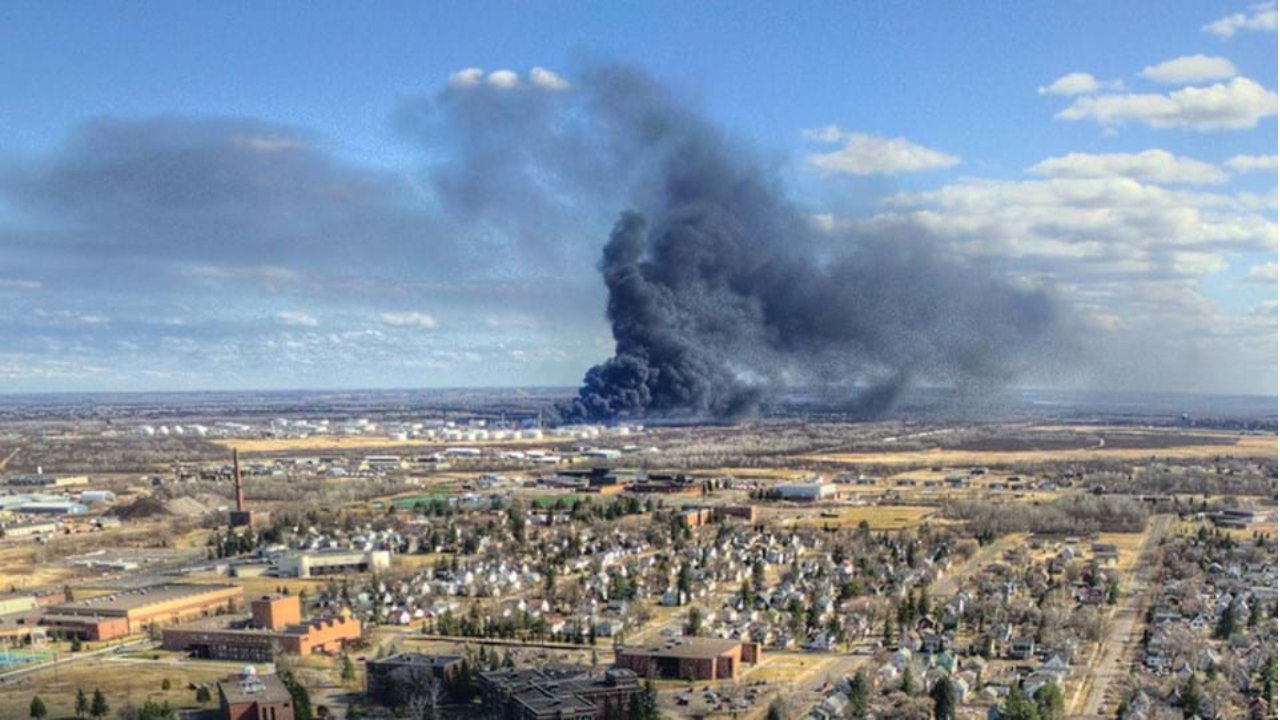
Superior Refinery Wisconsin to Reopen in 2023

How a CMMS Can Reduce Downtime
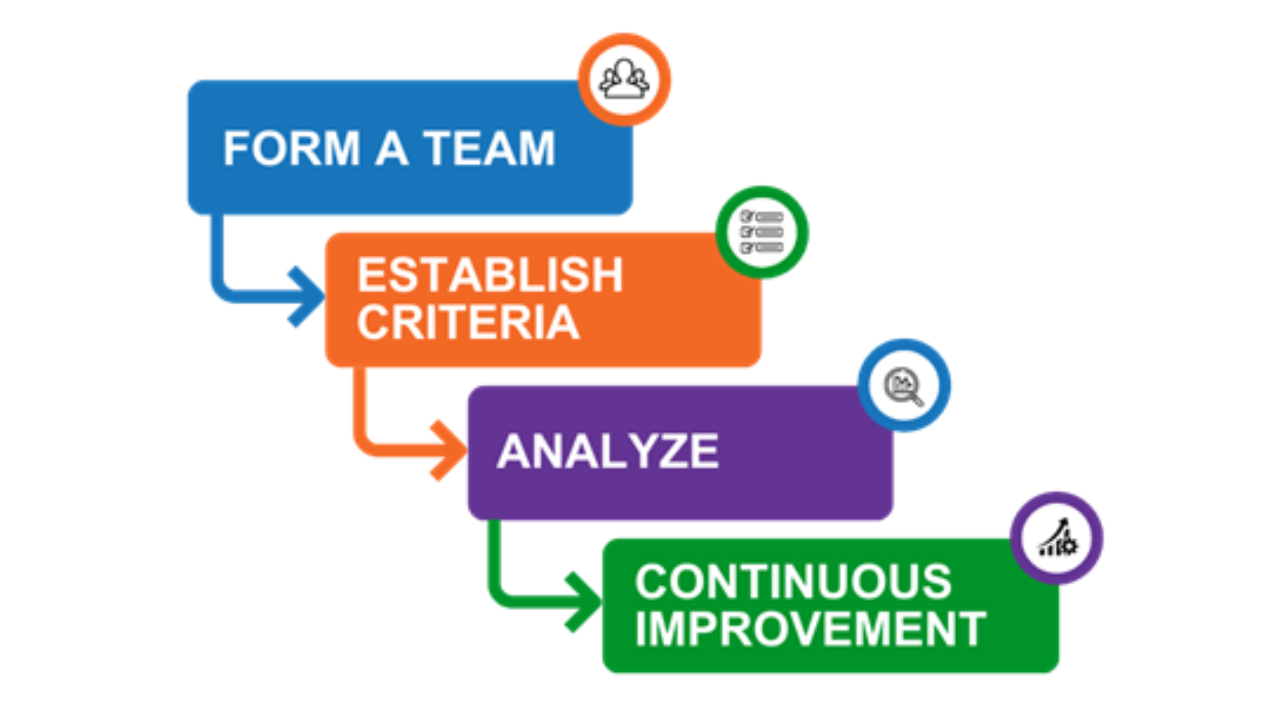
Watching the Horizon with Criticality Analysis
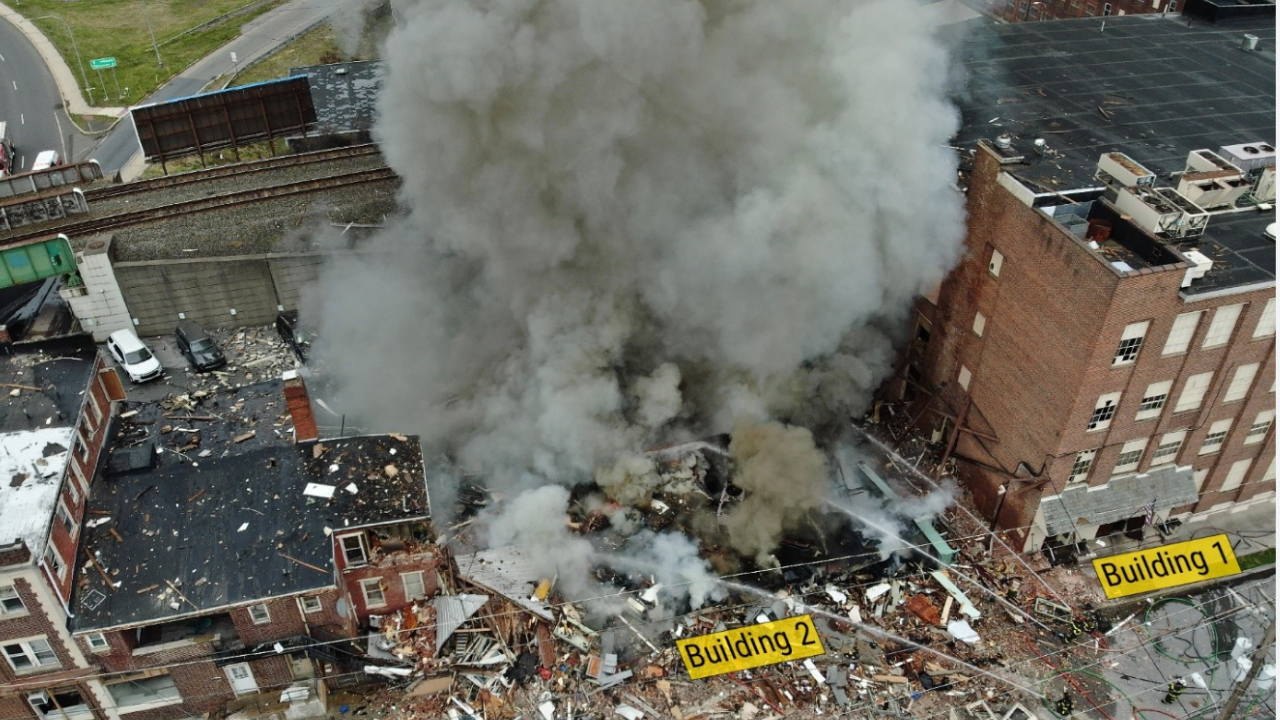
NTSB Report Points to Natural Gas Leak as Catalyst in Chocolate Factory Explosion
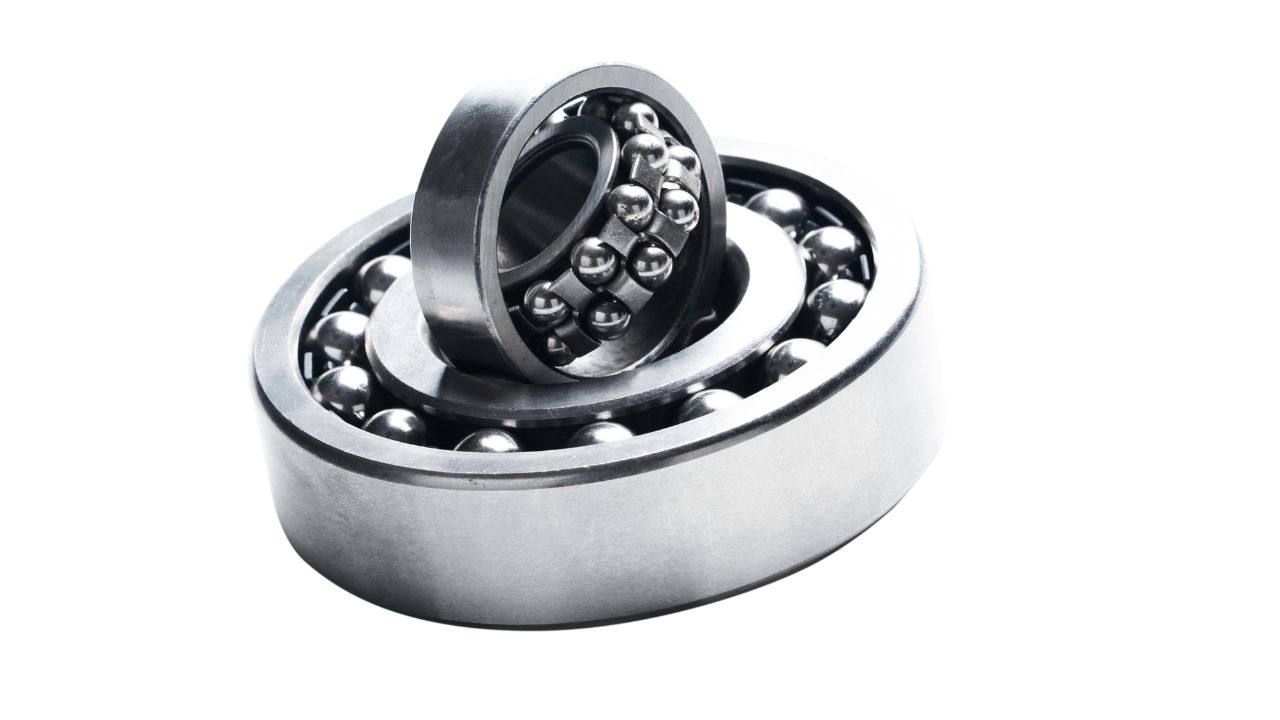
Root Cause Failure Analysis of Bearings According to ISO 15243
Nuclear Weapons Release Systems & Your Electrical Reliability Program

Why Condition Based Maintenance Should Be Considered a Critical Component of Any Business’s Asset Maintenance Strategy

Why You Should Become a Certified Vibration Analyst

Condition Monitoring Matters: Lessons Learned from Fury 325

The Hard Edge to Soft Skills
Industrial Steam Cleaning
Are You Reliability?

Equipping Crews for Cost Savings with Standard Job Plans

Unmanned Aircraft Systems and the Future of Autonomous Inspection

Embracing the Power of Predictive Maintenance in Industrial Manufacturing

Beyond the Headlines: Embracing Positivity in Industrial Safety – OSHA’s Voluntary Protection Programs Shine

The 5 Pillars of A Comprehensive Maintenance Strategy

Fighting Back Against the US Manufacturing Workforce Shortage: Specialized Programs and Nonprofits

What are the Differences between CMMS, EAM, and APM?
Why did the Ohio Foundry Explosion Happen?

Revolutionizing Train Maintenance: 3D Printing Redefines Spare Parts Procurement

You Want to See Through Walls?

Challenging the P-F "Curve"

Landscape to Lambscape: How Sheep are Reshaping Solar Farm Maintenance

3 Things You Should Not Be Doing As A Facility Manager

Every Interaction is an Opportunity: Maximizing Business Potential

AAA Best Practices Make the Difference

Design for Reliability: Facility Upgrades

8 Tips for Getting Maintenance Technicians to Adopt CMMS Software

Preparing Facilities for Extreme Weather
The Switch to Swiss: Why are Manufacturers Swapping out Traditional CNC Turning Machines for Swiss Lathes?

Best Practices for Preventive Maintenance on Unit Heaters

Harmonics and Sidebands

Innovative Thinking + Standards = Ubiquity

Glasses on, Troubles Gone: Augmented Reality Takes Flight in Maintenance

A Discussion about Root Cause
Navigating the Depths: The US Navy's Quest for Submarine Spare Parts
Experiences with Magnetic Drive Pumps

The Essential Role of Psychological Safety in Building High Performance Teams

Demystifying Demodulation and Enveloping

Harnessing the Flow: The Potential of Hydropower for a Cleaner Tomorrow

Realistic Goals During the First Year of a CMMS Implementation

Optimizing Operations: Conveyor Belt PM and Advances in Fabrication

Technical Database Performance Survey: Get the Full Picture

Trade-Offs in Drone Technology: High-Performance vs. Data Security

Spare Parts Management Trends and Essential Tips

How to Turn the Right People into the Wrong People

Good Equipment Health = Good Business Health

Asset Management Strategy: Detail Doesn’t Come from a Summary

Ammonia Safety Precautions: How to Incorporate Predictive Maintenance and the CMMS for Safe Ammonia Use

How SMED Can Turn Back Time

Under the Hood: Unraveling the Diesel Technician Shortage

Breaking Tech Barriers to Excel in a Competitive FM Arena
Diagnosing a Bent Shaft
Safety First: Preventing Lead Contamination in Food and Beverage Manufacturing

The CMMS: Where Data Goes to Die – Unleashing the Potential of Your Maintenance Digital Backbone

6 Tips for Getting Executive Approval for CMMS Software

Find the Hidden Value of the Technical Database

The Benefits of Participating in Manufacturing Apprenticeships

A Better Convention Navigation Experience

Charging Up: The Resurgence of Battery Manufacturing in the US

What is Plant Maintenance?

How to Avoid Losing Retiring Employees’ Business Experience

Zero-Based Budgeting in SAP

Preventing Failures and Extending Equipment Life: The Key to Increasing Uptime

Does Condition Based Maintenance (CBM) Improve Reliability?

Offshore Wind Farms for Renewable Energy

Predictive Maintenance in the Aftermarket: Extending Machine Lifespan and Sustainability

Five Ways CMMS Software Helps Transform Maintenance Managers into Leaders
Is Your Wet Scrubbing Tower Working?

Who is Driving Your Leadership Career?

Making Sense of NIST & Cybersecurity Requirements for Maximo

Failed Business Metrics

How to Optimize Operations and Maintenance for Success

Guide to 2024 Reliability and Maintenance Conferences

Forging into the Future: A Brief Overview of the Metal Forging Industry
Pump Selection – Key Considerations

Property Operations in 2024: Navigating a Transformative Landscape with Integrated Solutions, Automation, and Purposeful Innovation

Guide to 2024 European Reliability and Maintenance Conferences

The Impact of Lower Quality Process Materials on Manufacturing Equipment Downtime

Innovations in Maintenance Safety: Tools and Techniques for Safer Work Environments

The Power of Machine Condition Monitoring 2024
Gas or Electric: Which Fuel Source is Right for You?

Leveraging Maximo for Inventory Management

Mining Industry 2024: Focusing on Safety, Reliability, and Reducing Greenhouse Gases

The Benefits of Floating HRSG Duct Liners

Textile Industry 2024

6 Simple Tips for Lubrication Success

Continuous Improvement Leadership – Accelerating Your Success
10 Reliability and Maintenance Books to Read in 2024

Unlocking Growth: Overcoming the 6 Tech Roadblocks to Scale Your FM Services

How to Choose the Most Effective PPE for Maintenance Workers
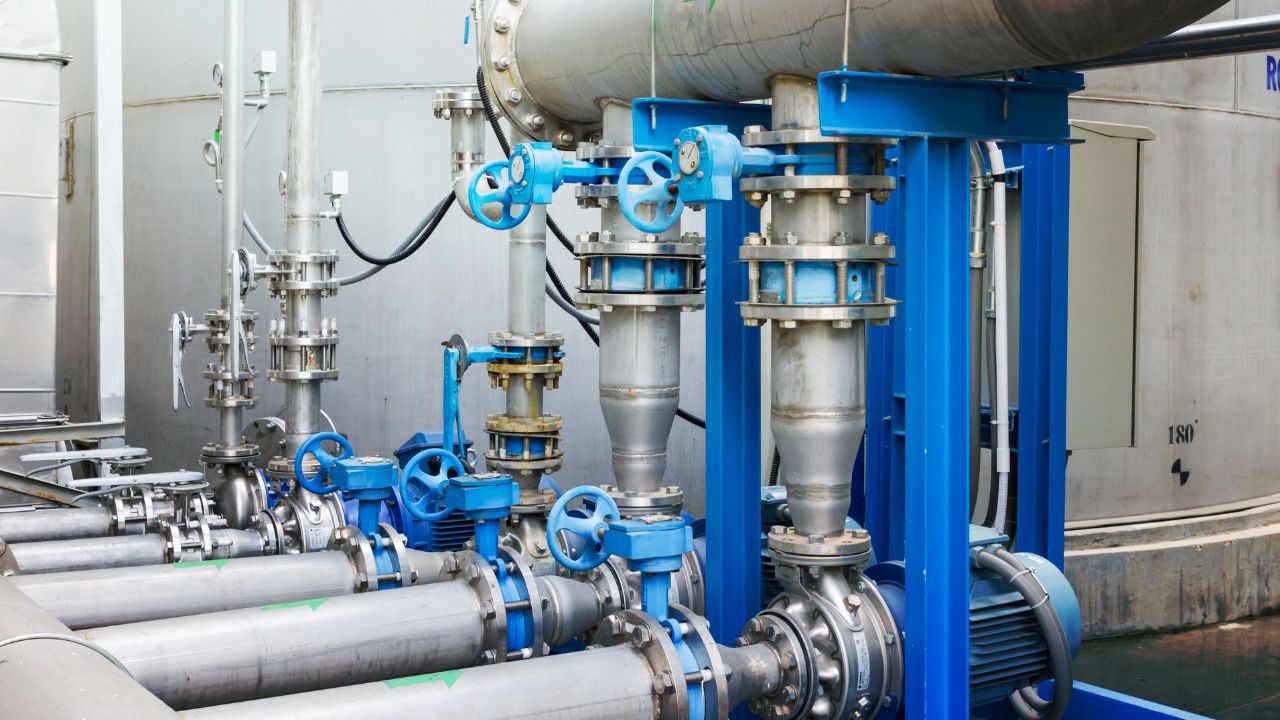
Maintenance in the World of Pumps
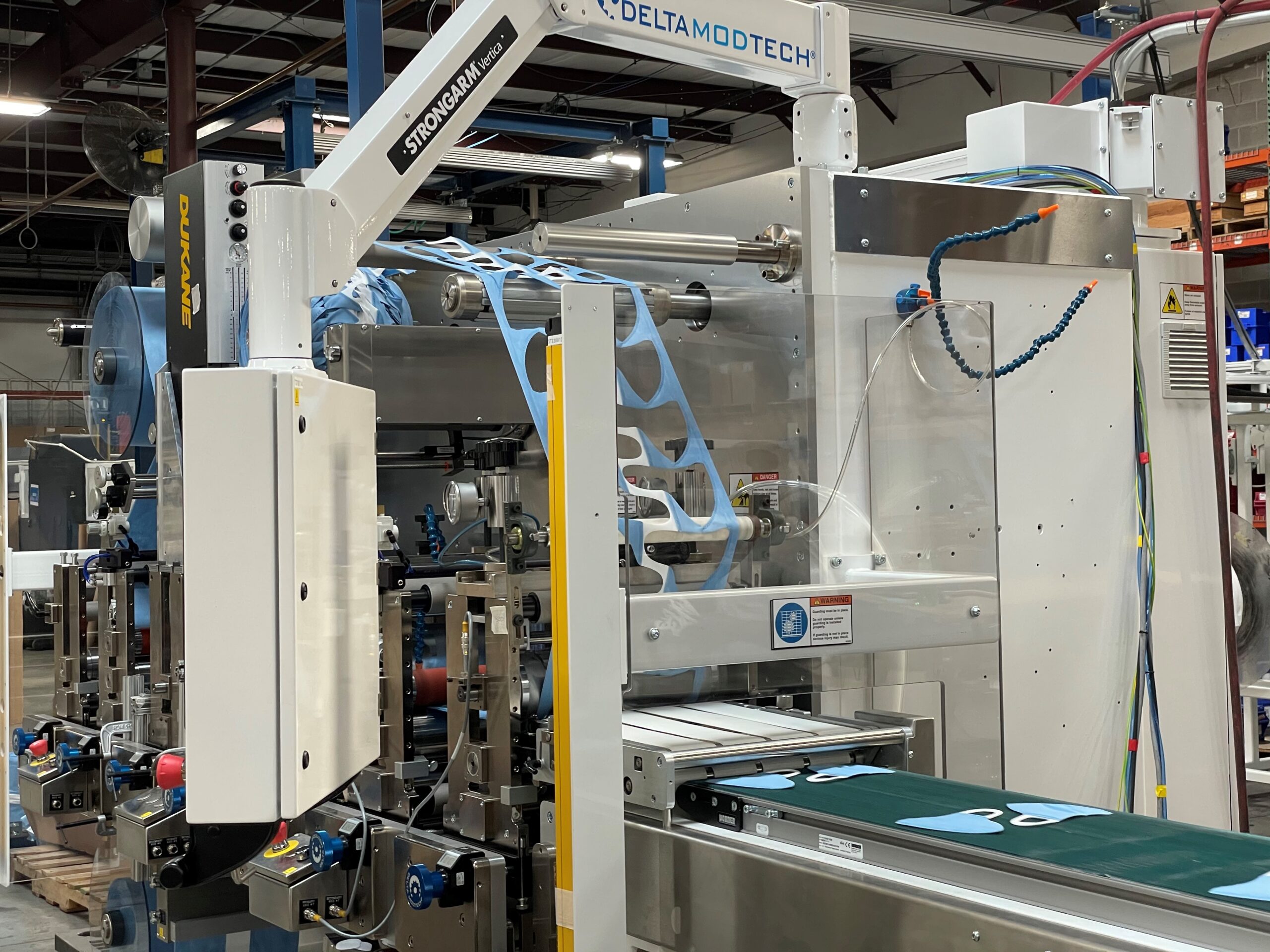
Condition Monitoring & Preventive Maintenance for Die Cutters & Tooling

Cloud-Based vs. On-Premise CMMS Compared

Revolutionizing Reliability and Maintenance through Production Automation

New EPA Soot Pollution Standard 2024
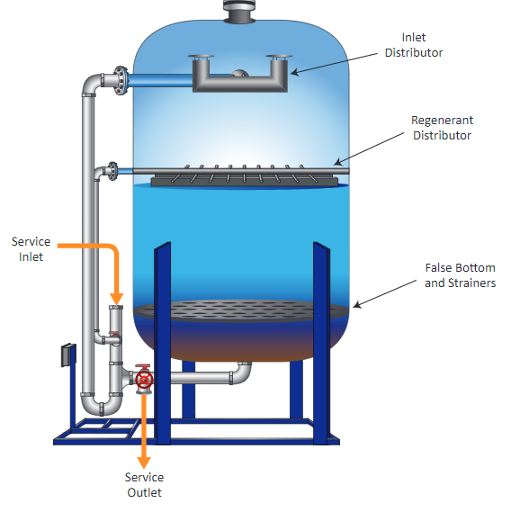
Preventive vs. Reactive Maintenance: Don’t Neglect Makeup Water and Condensate Return Treatment

CSV vs. CSA: Moving from Software Validation to Assurance

Tool Inventory Management: How and Why?

Continuous Improvement Leadership: Accelerating Your Success Part II

Oil vs. Latex Paint: Which is Best for Your Commercial or Industrial Painting Needs?
33 Reliability Engineering Certifications to Further Your Career

Spending Money to Save Money – How Investing in Technologies Can Reduce Maintenance Costs

What is a Shaft Centerline Diagram?

Engineering Degrees Around the World

Proactive Over Reactive: IoT's Role in Redefining Industrial Maintenance

Artificial Intelligence: The Future of Searching for Spare Parts in the Maintenance of Large Industrial Enterprises

The Fern Hollow Bridge Collapse: A Wake-Up Call for Bridge Maintenance Programs

Preventive vs. Reactive Maintenance: Don’t Neglect Makeup Water and Condensate Return Treatment – Part 2

What is the Value of Failure Prediction - Early Warnings?

Heat Transfer Basics

Continuous Improvement Leadership – Accelerating Your Success Part III

How to Protect Your Business from Cybercrime

Optimizing Maintenance: The Power of Metrics and KPIs

A Guide to Understanding Project Management in Engineering
A Simple Fault Finding Technique
Additive Manufacturing 101
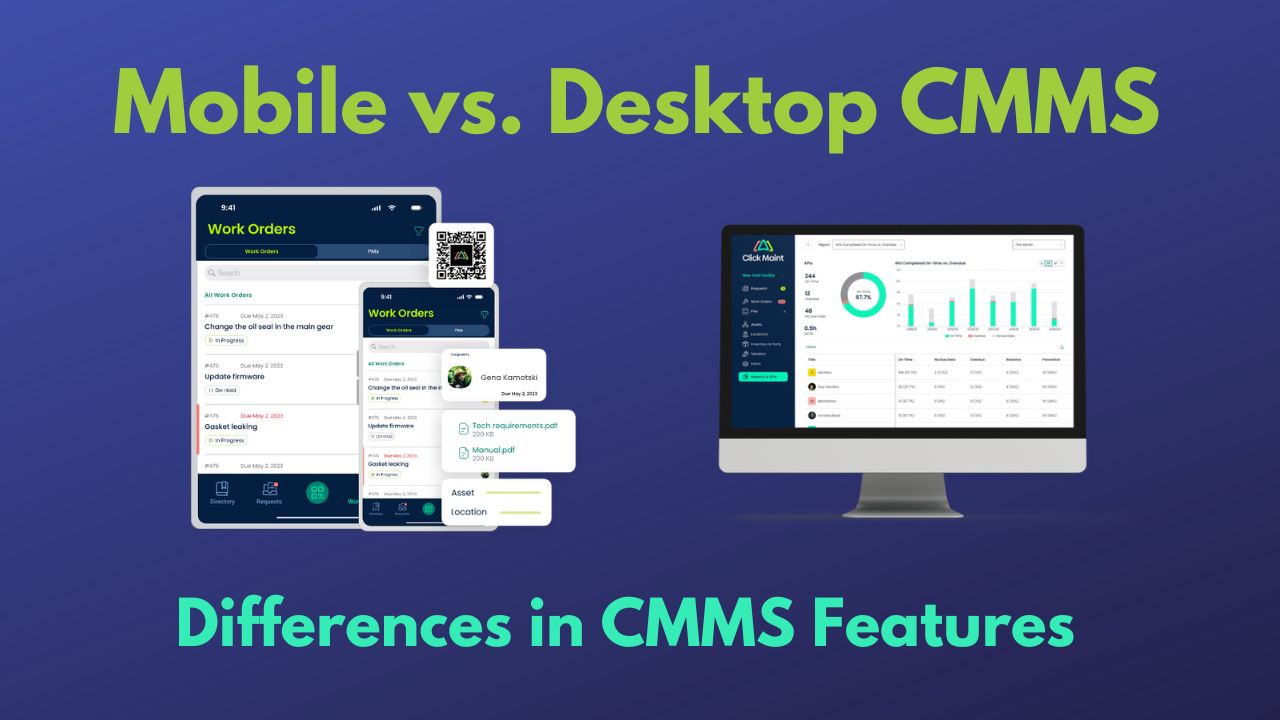
Mobile vs. Desktop: Differences in CMMS Features

How to Minimize Environmental Waste in Mines
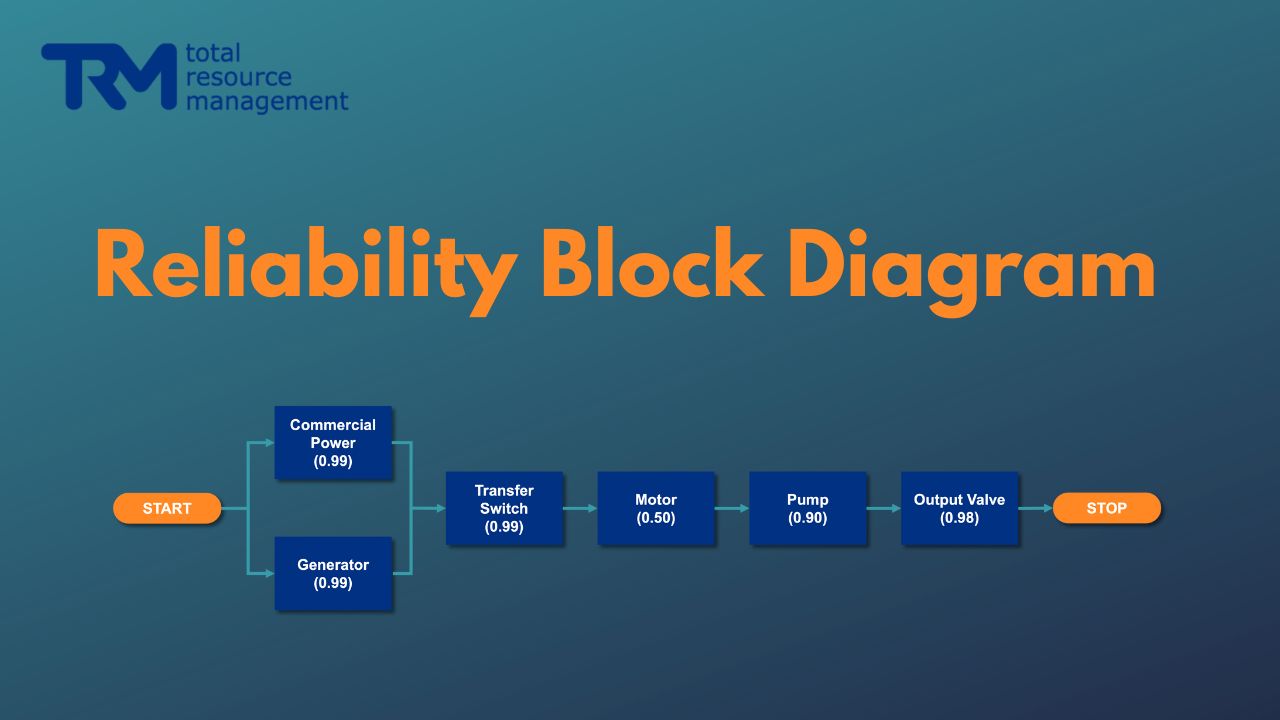
Back to Basics: Understanding Reliability Block Diagrams (RBD)

Grease, Gears, and Great Insights: Essential Reliability and Maintenance Podcasts and YouTube Channels
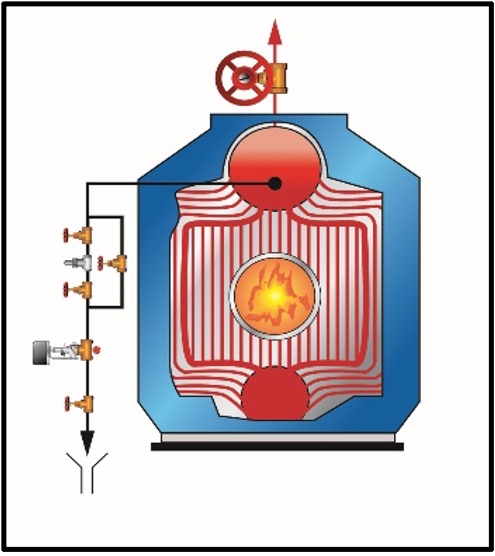
Boiler Water Chemistry Control: Preventive vs. Reactive Maintenance

Essential First Aid Skills for Maintenance Workers

Heat Illness Prevention

High-efficiency SynRM motors, a game changer in potentially explosive environments

Understand Your Goals with New Maintenance Technology

Happy World Facilities Management Day!

Leveraging BIM for Enhanced Maintenance: A New Era in Facility Management

Maintaining Heating Solutions in The Off Season

Leadership of Industry 5.0 and ‘New Quality 5.0’ - A Paradigm Shift
How Can Control Systems Trick Operators?

Supply Chain Issues 2024: How Good Reliability and Maintenance Helps

Coating Care: Erosion vs. Corrosion
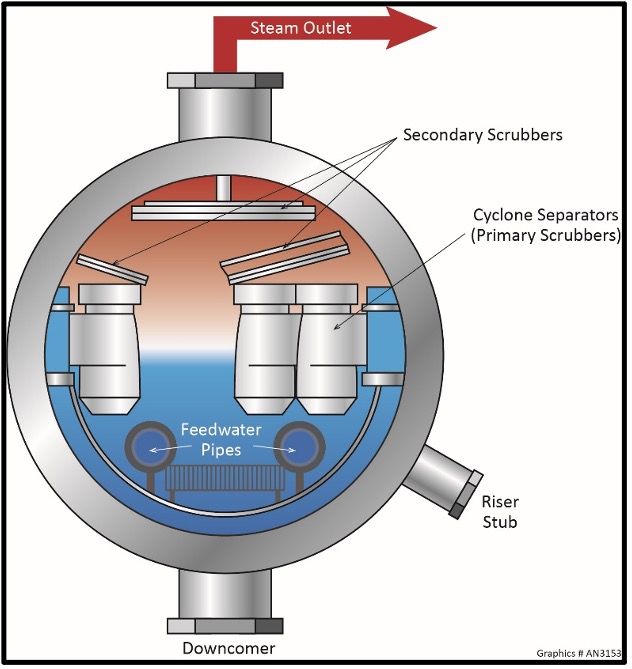
Preventive vs. Reactive Maintenance Part 4: Steam Generation Series

Working with SAP Master and Transactional Data

The Role of Maintenance and Reliability Teams in Infectious Waste Management
Mechanical Insulation for the Manufacturing Industry
CMMS System: Integration for Off-site Operations
Balancing Continuous Operation and Root Cause Troubleshooting: Maximizing Production

Recycled Copper: Turning Scraps into Sustainability

Does Investing in CMMS Software Make Sense During a Tough Economy?
2024 Trench Safety Stand Down Week

National Safety Month 2024: Ensuring Worker Safety Through Proactive Facility Maintenance
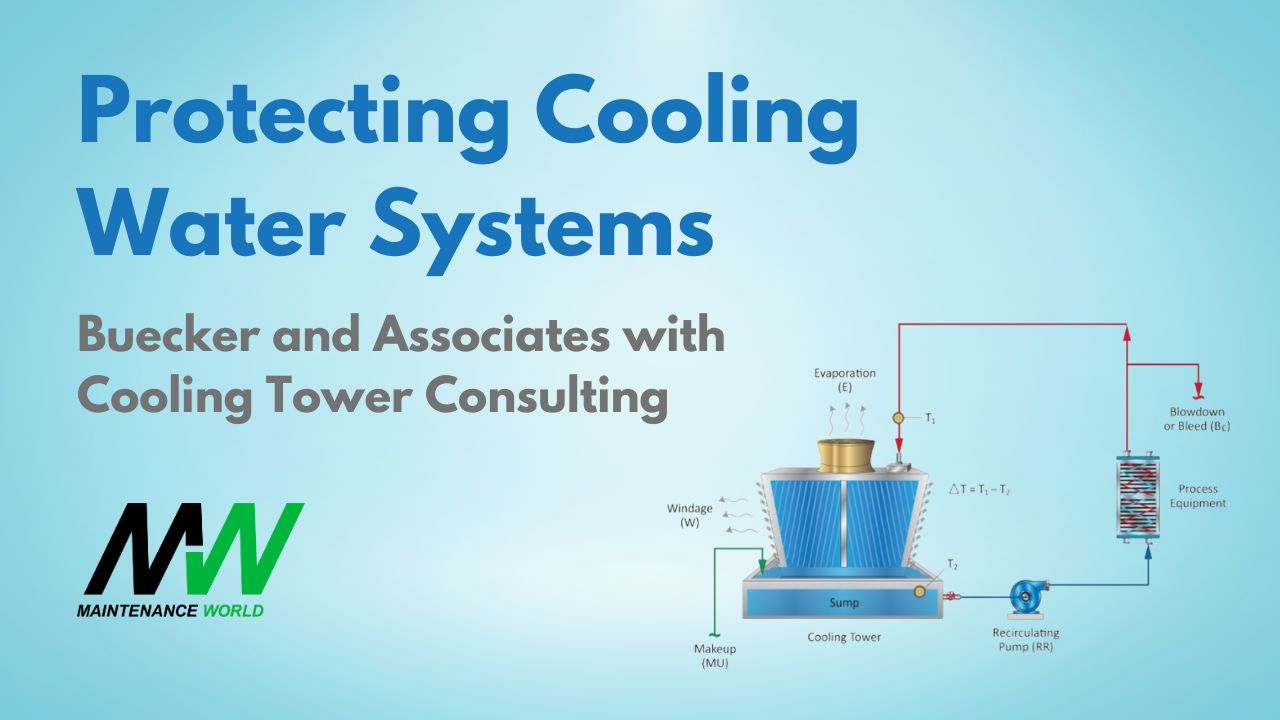
Protecting Cooling Water Systems – Part 1

How to Protect Bearings from Dust and Water
Data Preparation Strategies & AutoAI Advancements: Watson Studio Essentials
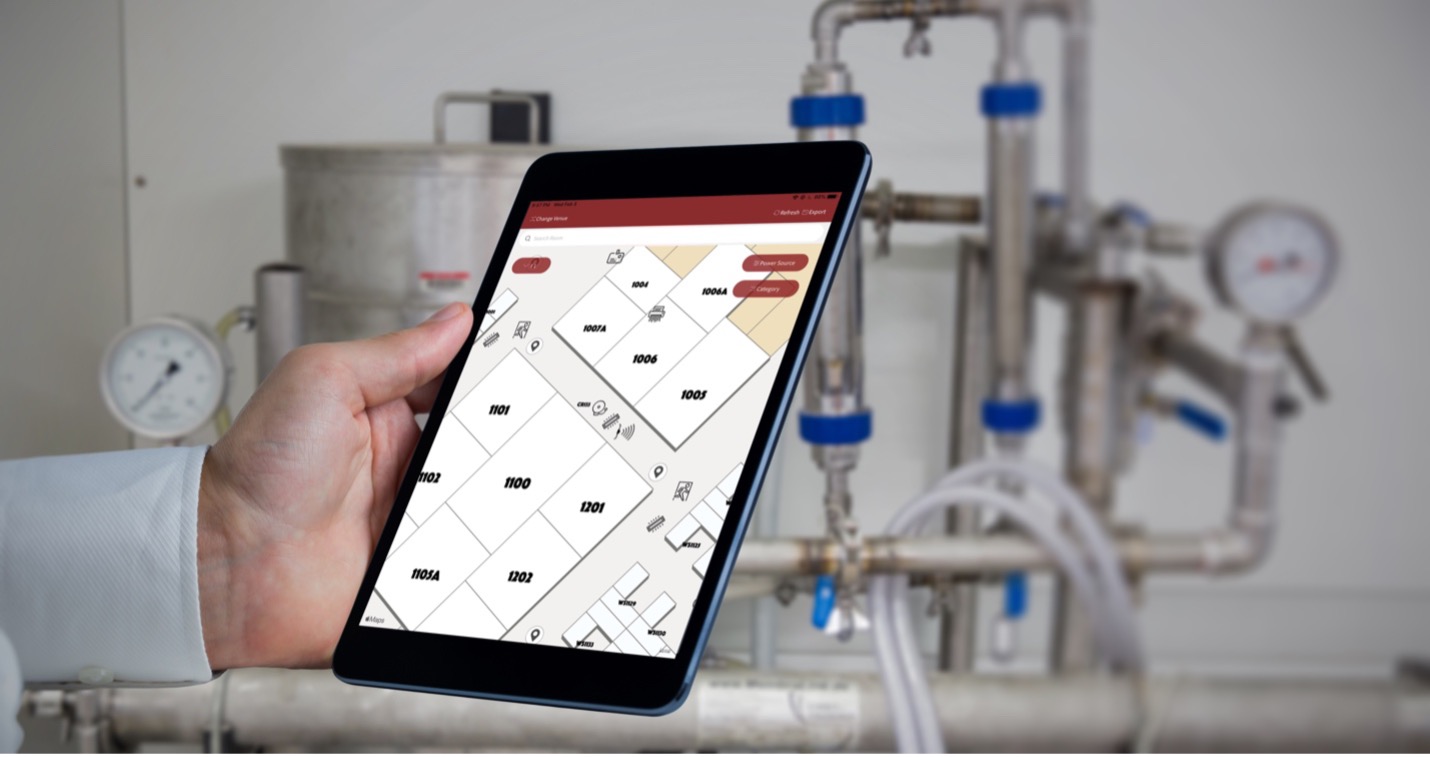
Digital Maps for Plants and Factories

Firework Manufacturing Safety

Utilizing Decision Intelligence Technology Across Industries

Autonomous Maintenance: Maximize Equipment Uptime with CMMS

Embracing the Sun: How VR/AR is Revolutionizing Follow-the-Sun Maintenance

Robotics in Manufacturing

Unpacking Lean Leadership: Part 1

30-60-90 Day Plan for New Maintenance Managers

Resources for Essential Reliability and Maintenance Case Studies
The Critical Connection Between Digital Transformation and Sustainable Continuous Improvement
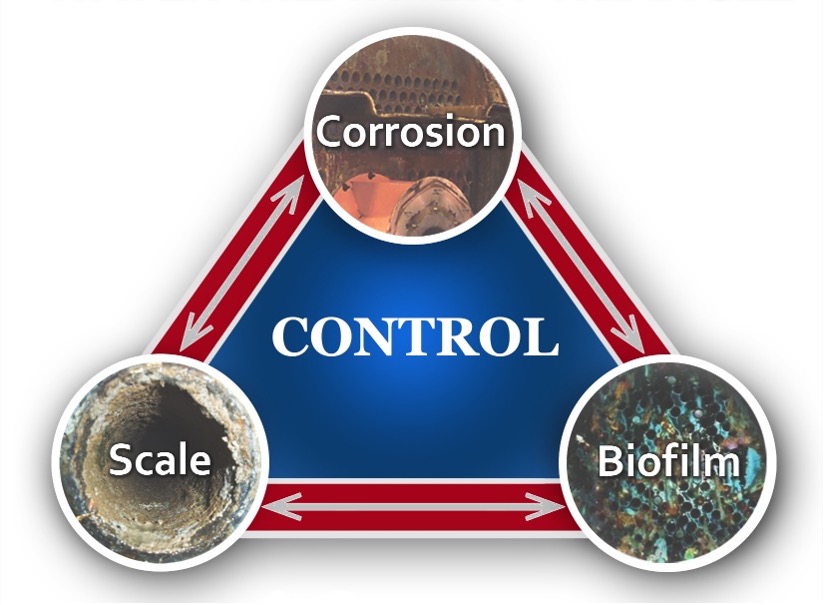
Protecting Cooling Water Systems – Part 2
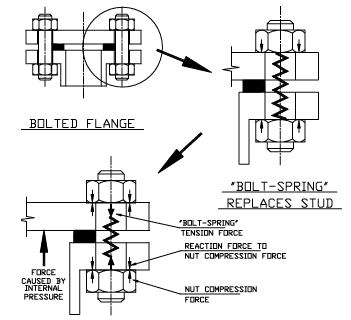
Prevent Flange Leaks with Proper Bolting Practices

The Evolution of AI in Maintenance: From Expert Systems to Intelligent Agents

Safe + Sound Week 2024

Building A Diverse Lean Leadership Team: Unpacking Lean Leadership Part 2

Fault Reporting: How to Improve Workflows in Maintenance Operations

Optimizing Preventive Maintenance Activities
Metal Corrosion Basics
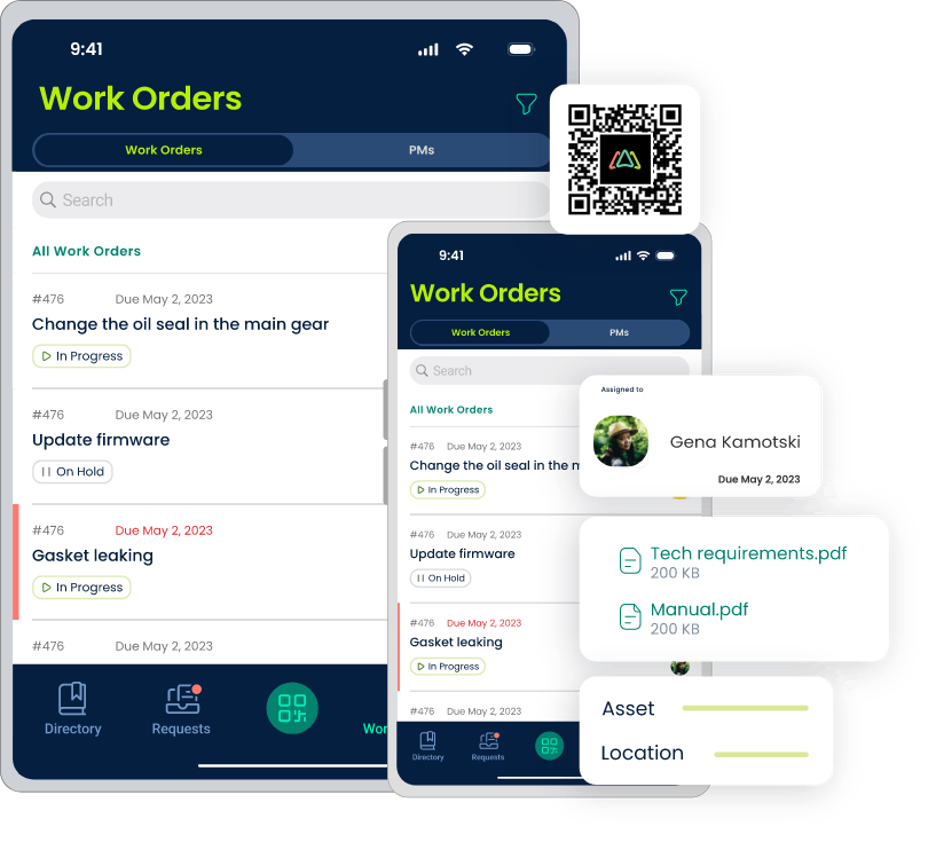
CMMS Features that Maintenance Teams Should Use to Improve Maintenance Performance

The Integrity Test Advantage

SAP for Asset and Service Management Conference 2024

Scale Formation in Cooling Water Systems: Protecting Cooling Water Systems, Part 3

How to Make the Most of S/4HANA Asset Management

Maintenance in the Era of Industry 4.0

AI-Powered Maintenance: AI Models and Possible Use Cases
How to Develop Inclusive Lean Leadership Training
Using a CMMS for Root Cause Analysis (RCA)
Define and Measure KPIs and Goals for Condition Based Maintenance
Durability Meets Innovation: Exploring BRUTE’s Toughest Solutions for Manufacturing & Industrial Settings

Shifting Maintenance Perspectives from a Cost Center to a Critical Business Asset
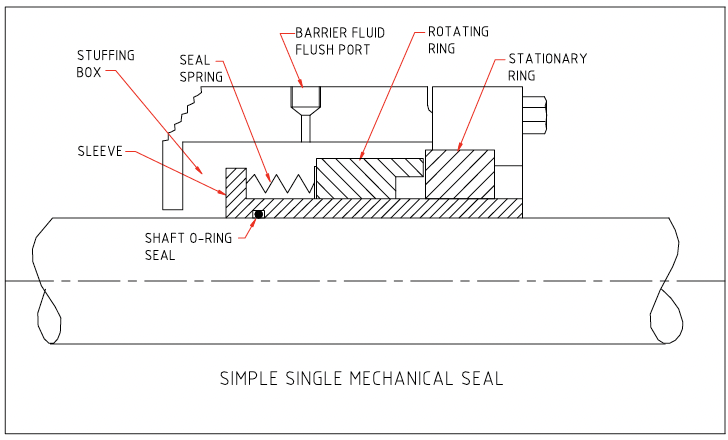
Get Mechanical Seals Working Properly

Guide to Manufacturing Plant Hurricane Preparation

Corrosion Fundamentals: Protecting Cooling Water Systems – Part 4
Reliability Strategies Function for MAS 9.0 (MAS RS)

Navigating the AI Frontier: Balancing Innovation and Caution in Maintenance

National Manufacturing Day 2024

Asset Data Configuration - A Journey from Concept to Value Extraction (Part 1: Structuring an Asset Register)

Nurturing Lean Leaders for Business Sustainment and Retention
Use the Right Grease for the Job

End of the Year Reliability and Maintenance Conferences 2024
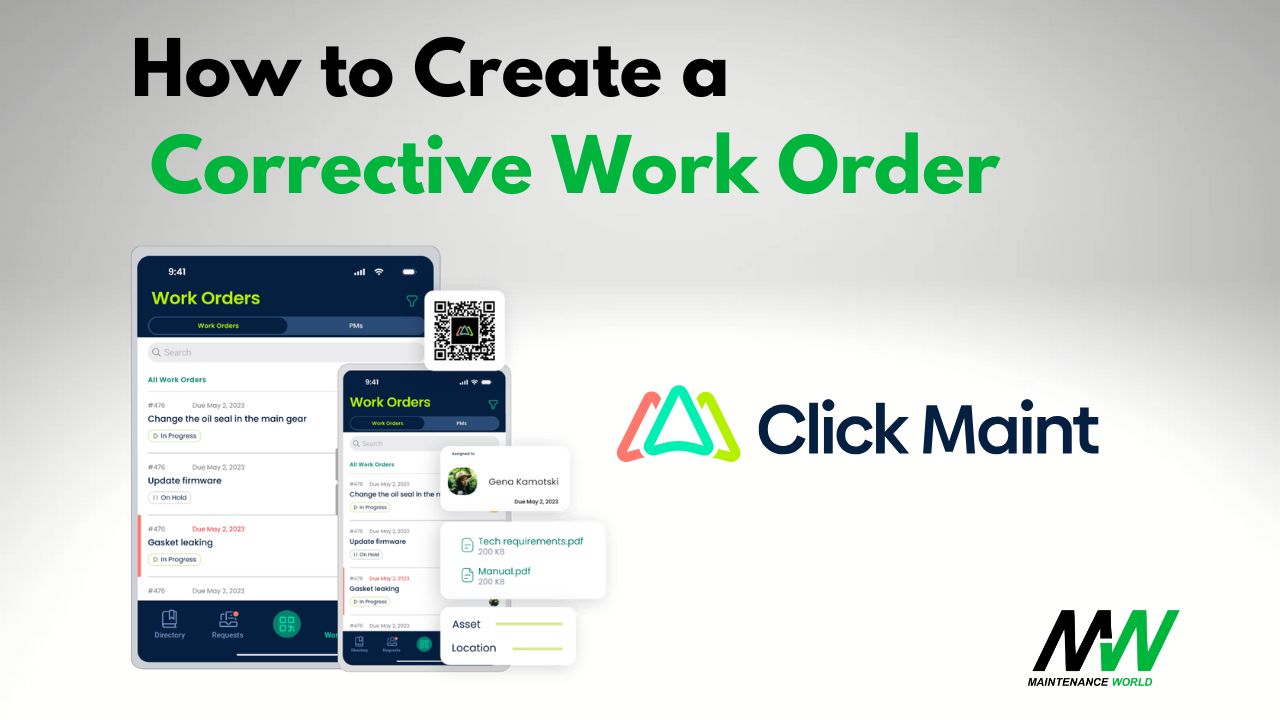
How to Create a Corrective Maintenance Work Order

RCM or not? Are you shooting mosquitos with a big cannon?

Cybersecurity Awareness Month 2024

Work Order Management: Structure and Organize Maintenance Processes
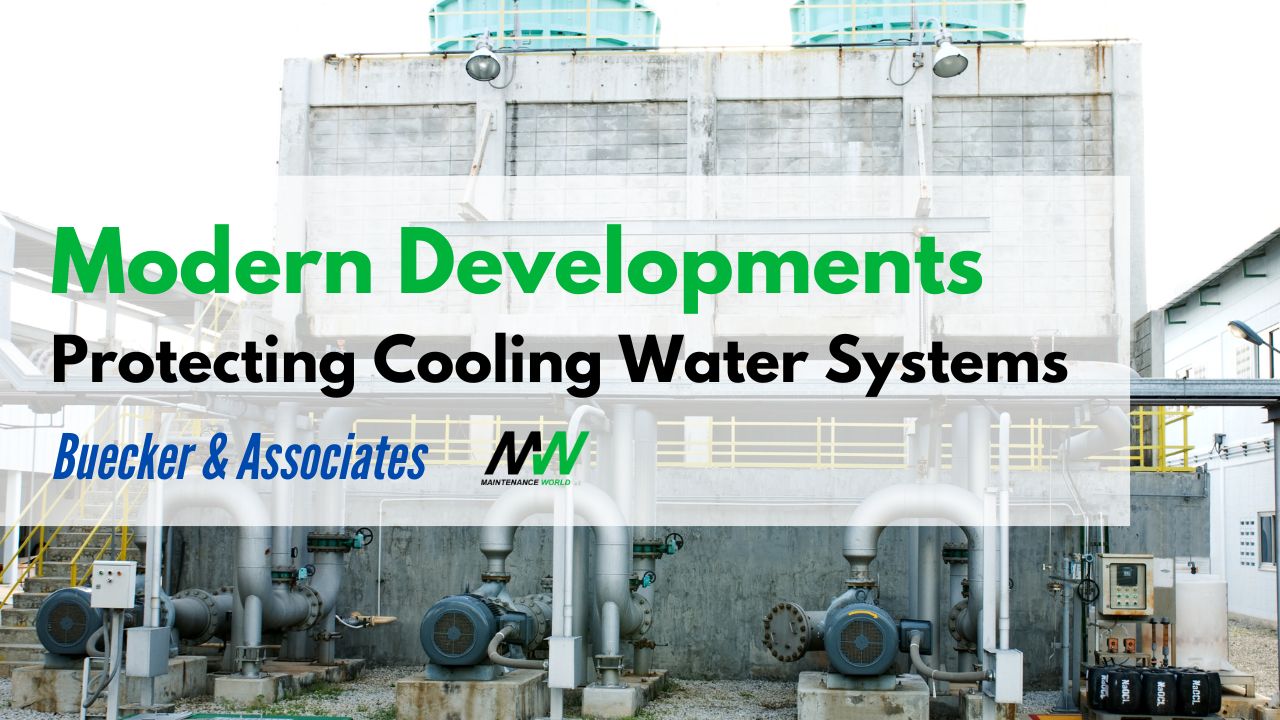
Part 5: Modern Developments in Protecting Cooling Water Systems

What is Predictive Run to Failure?

Write for Maintenance World in 2025

Asset Data Configuration Part 2: Work Order Prioritisation

Where AI, Industry 4.0, and IIoT Meet Maintenance Data Integrity

A Look at Closed Cooling Water Issues

The State of the Semiconductor Industry and Its Growth
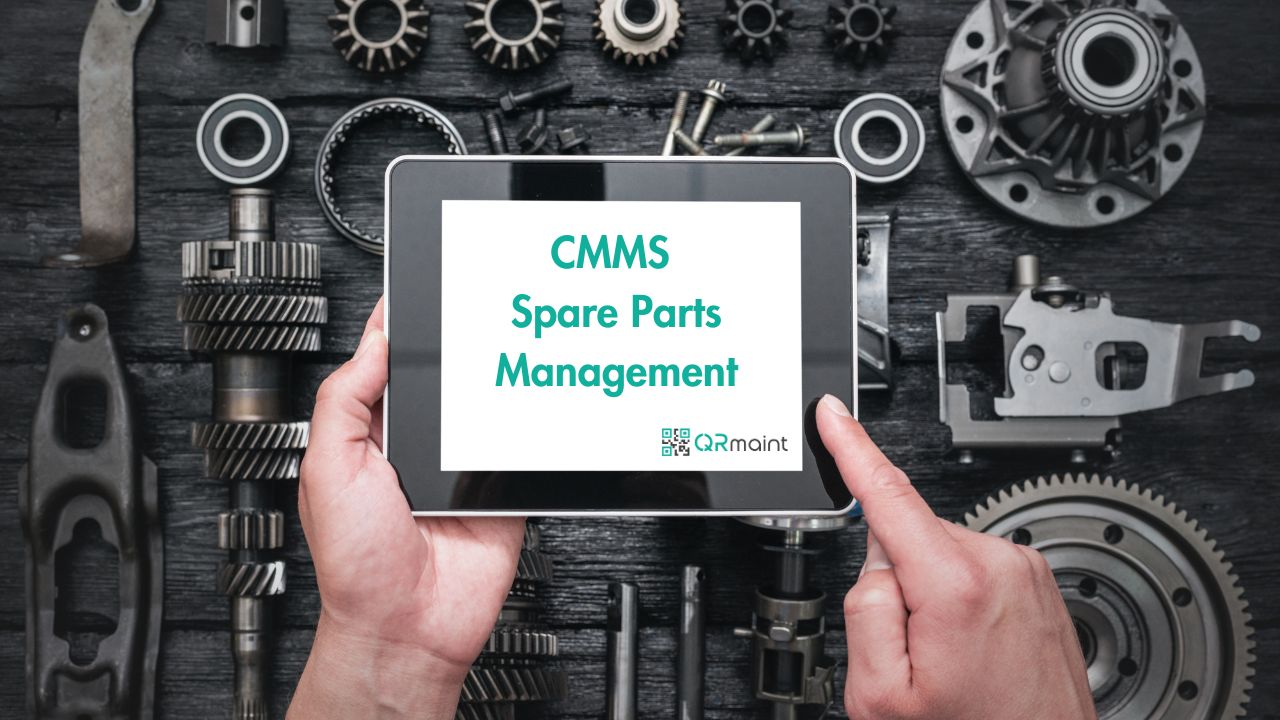
Parts Inventory Management: What do You Need in Your Storeroom?
The Joined Cybersecurity and Data Integrity Framework for Maintenance
How to Track Large Rotating Equipment
Procurement Challenges of Maintenance Spare Parts Supply

Guide to 2025 Reliability and Maintenance Conferences

Essential Vibration Analysis Tips - All About Sheaves

Five CMMS Trends to Look for in 2025

How to Organize Location and Asset Hierarchies

Building Operational Excellence into Factory Moves: The Lean Advantage

The Interplay of Smart Manufacturing Technologies: IIoT, Industry 4.0, and AI

Ultrasonic Level Detectors

Solar Engineering FAQ: Harnessing the Power of the Sun

Streamlining Work Order Management for Improved Facility Operations

The Seven Cs of Procedures

10 Reliability and Maintenance Books to Read in 2025

Root Cause Prevention Principles for Boiler Protection from Water-Side Corrosion and Scale Formation

Maintenance Key Performance Indicators: Tracking KPIs

What happens when I click this button?

The Importance of Process Confirmation and Layered Process Audits in Lean Manufacturing

Chocolate Factory Equipment Maintenance and Worker Safety Tips

Confined Space Entry Safety
8 Steps to Jump Start Digital Transformation

Maintenance Best Practices: Communication in Maintenance Departments

Talent Shortage Among Maintenance Professionals and How a CMMS Can Help


How BIM Transforms Facility Management for a Sustainable Future
The Differences Between APM, EAM, and CMMS and What you Really Need

Mastering Lean: Balancing Detail and Business Strategy
Spring Cleaning in Manufacturing Plants

The Hidden World of Data Management
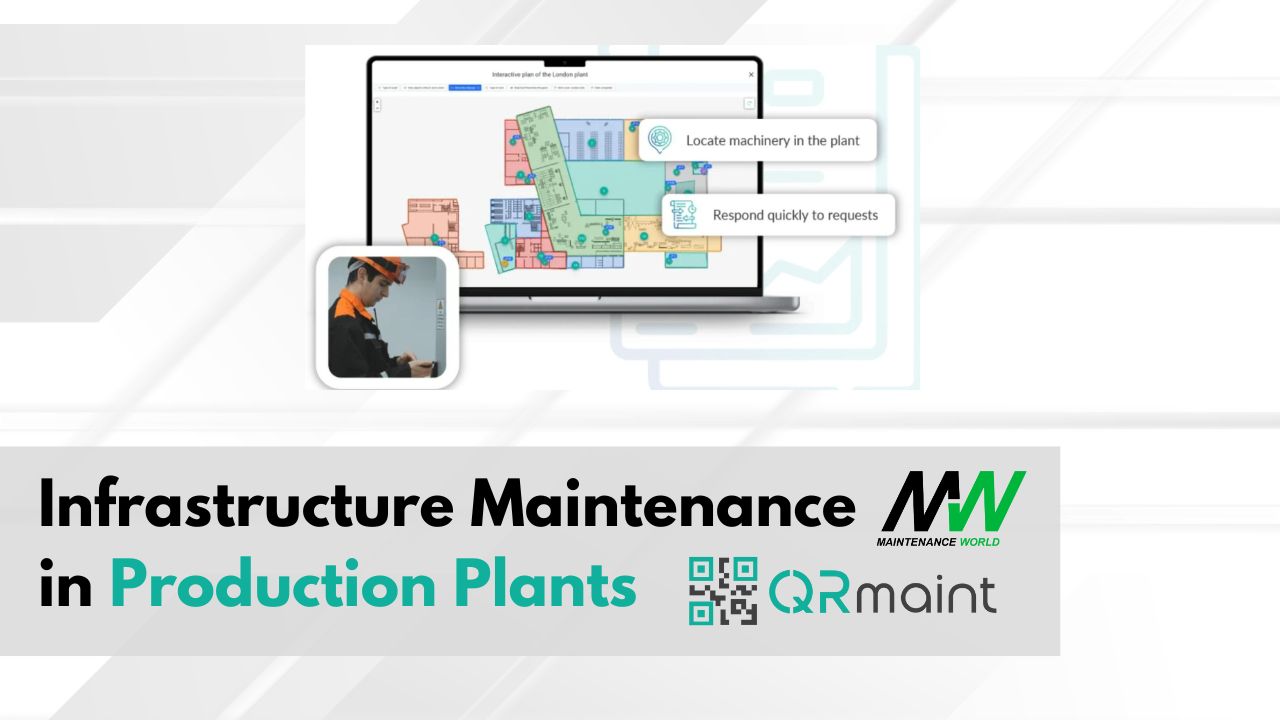
Infrastructure Maintenance in Production Plants
Chemical Corrosion Control

8 Wind Energy FAQ: Short Term Safety Issues of Wind Energy and How JMS Solves Them

Maintenance Workforce Development: Adapting to Industry Shifts

Time to Upgrade Your Plant's Heating System?

Leveraging Inspection Forms for Job Hazard Analysis (JHA)

Plastic Welding Best Practices

Direct Access vs. APIs: Which is Better for Handling App Data?

Case Study: CMMS Implementation for SMBs

When AI Cannot Help: Lessons for Manufacturing Leaders

Creating a Reliability Culture with a Belief-Driven Maintenance Strategy: Beliefs 6-10

Back to Basics: Understanding Decibels and Vibration Sensor Orientation

The Importance of Automatic Lubrication and Monitoring in Preventive Maintenance

Dynamic Map: The Map That Keeps on Giving

Work Order Prioritization and Risk Assessment

Enabling Smart Maintenance with Event-Driven Architectures in the Cloud

The Impact of Bearing Isolators on Life-Cycle Cost in Rotating Equipment

Maintenance Checklist Templates in the CMMS System


The Importance of Equipment Fit, Tolerance, and Clearance

Making the Case for Harmonics, Part 1

Case Study: Achieving Regulatory Cloud Security in Compliance with NERC CIP and NIST CSF

AI-Powered Mapping Technology for Condition Monitoring and Predictive Maintenance

From UI to Backend – A Maintenance App Dissection

Preventive Maintenance and Inspection with the CMMS System

Shutdown and Turnaround in 6 Phases

Making the Case for Harmonics, Part 2


2025 Maintenance Technician Tools: A CMMS System for Total Maintenance

How do Control Valves Work?

Condition Monitoring Tools: Be Creative

Train Your Maintenance Team To Fix Things Before They Fail

Condition Monitoring of Pumps in the Food and Beverage Industry

Smart Sensors in Maintenance: Hype or Game Changer?

What is the Tools API for MAS Manage?

Don’t Digitize Chaos — Fix It First

The Contract Maintenance Conundrum: Balancing Expertise and Cost

Safety Tip: Keep Up with Unfired Pressure Vessel Inspections

OSHA Safe+Sound Week 2025

The Critical Role of Digital LOTO Technologies in Industrial Safety
Root Cause Steam Generator Protection: Feeding the Proper Chemicals – Part 3
How CMMS Software Helps Data Centers


Benefits of the Checklist Generator in the CMMS System

Maintenance Cloud Operations - Updates are the new Spare Parts

See Reliability Clearly: Lessons from the Georgia Mining Association Annual Conference

How to Read Centrifugal Pump Curves
Bearing Life: Condition Monitoring, Care, and Cleanliness

Avoid Training Fatigue for your Maintenance Team

Upcoming October 2025 Maintenance & Reliability Events

Manufacturing Day 2025

Is Agentic AI Just a Fancy CMMS?

Failure Analysis of Gearboxes, Fans, Bearings, and Shaft

Dynamic Fault Reporting: Maintenance for Infrastructure and Equipment Upkeep

Wireless Sensors and Shaft RPM

Corrosion Protection through pH Stabilization

The Hidden Dangers of Counterfeit Parts in Critical Equipment Applications

What is Electrical Preventive Maintenance?

Spooky Sounds in the Haunted Factory

The Importance of Minimizing Corrosion Product Transport to Steam Generators

5 Ways to Enhance Maintenance Team Communication with Model Context Protocol (MCA)
Spherical Roller Bearings Preventive Maintenance


SAP Plant Maintenance vs. CMMS System in 2026
Unbalanced Spinning Equipment

The New Toolkit: Why Maintenance Digital Skills Can't Be Outsourced


A CMMS for Employee Engagement



Everyday Digital Solutions that Transform Modern Workflows

Building Maintenance and Management: AI Checks in 2026

Weatherproofing and Ingress Protection in Mobile Control Components


Hazardous Areas for Dust and Flammables

What is More Important - the Digital Tool or its Users

Preventive Maintenance for Wintertime Heating
Major Corrosion Issues in Industrial Water Systems – Part 1
Manufacturing Automation: Discover Asset Management in 2026
Stress in Metals Causes Failure

Chaos is Inevitable — Panic is Optional


Major Corrosion Issues in Industrial Water Systems – Part 2: Microbiological Fouling

What are Angular Contact Bearings?

What Happens When the New Team Member is AI?

How do Fluids Flow in Pipes?

Destratification Fans: A Solution for Temperature Stratification in Industrial Spaces

Guided Growth: Mentoring Humans and Humanoids in Complex Systems

Implementation of CMMS Systems in Metal Manufacturing

Cyclone Separator Overview

Execution in MRO: Aerospace and Defense’s Next Competitive Advantage

Physical AI on the Shop Floor: Translating Emerging Tech into Maintenance Tasks

Manufacturing Handbook: Inside the Role of Director of Manufacturing Engineering

What do Oil and Gas Risk Filings Reveal about Maintenance?

Pump Maintenance Basics: Service Duty and Shaft Alignment

Asset Tracking Is Not Enough: Why Preventive Maintenance Needs Cloud-Based CMMS

Pump Reliability: Mechanical Seals - Small Component, Big Impact

An Engineer's Guide to Robots
A Review of Major Corrosion Issues in Industrial Boiler and Condensate Systems – Part 4

2023 DCMUG: Mapping a Road to MAS
![Embracing Digital Transformation in Maintenance and Plant Operations [webinar]](https://maintenanceworld.com/wp-content/uploads/2025/01/update-banner-for-top-of-landing-page-1.webp)