

by Alan Friedman – DLI Engineering
Click here to view the full pdf: Bearing Wear Example #1 – Bearing Inner Race Fault
Related Articles

Root Cause Prevention Principles for Boiler Protection from Water-Side Corrosion and Scale Formation
This article provides an overview of several of the most important root cause prevention techniques to minimize corrosion, scaling, and fouling in steam generating systems. A follow-up piece will outline instrumentation that is vital for these efforts.
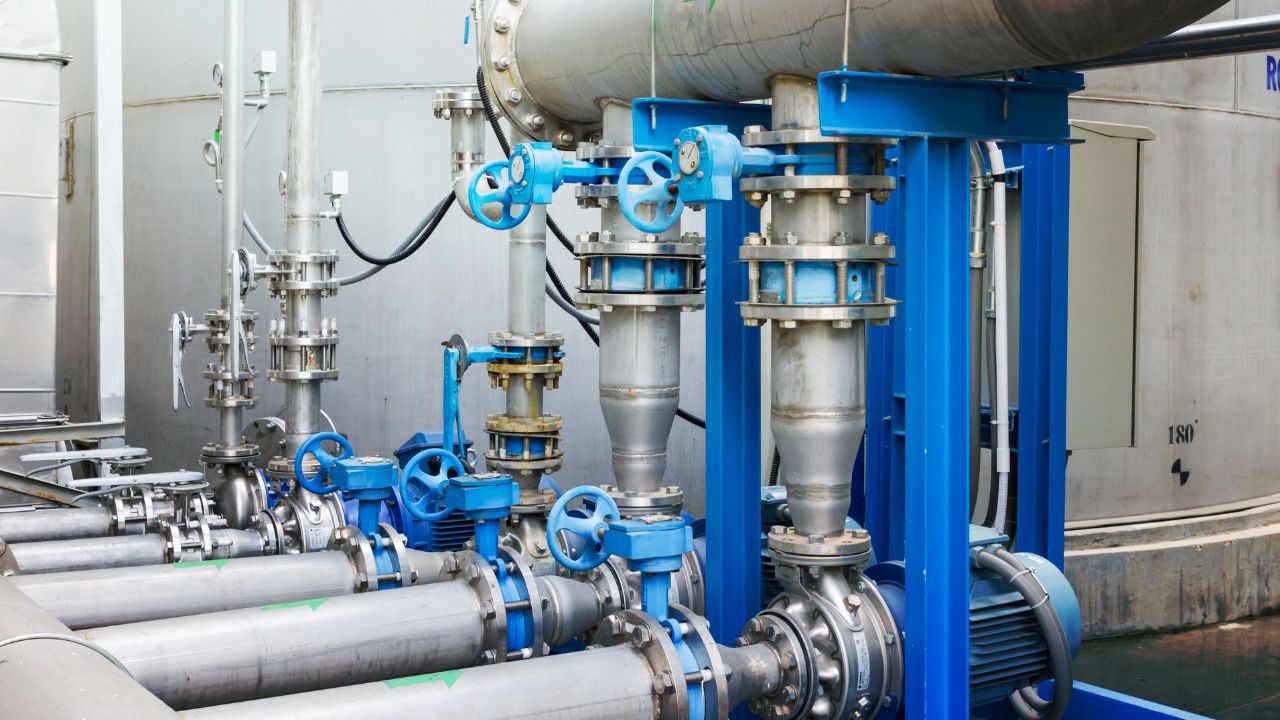
Maintenance in the World of Pumps
Maintenance in the world of pumps is basically no different than any other machinery-based industry. It requires the same common sense and good practices that make any machine with moving parts run, accomplish goals, run with great dependability and most importantly, make the owner money.

You Want to See Through Walls?
In most buildings, critical pipes carrying water and natural gas; cables carrying data and electricity; ventilation pipes carrying cool or warm air, are all typically hidden behind walls, out of sight. The facilities team needs to see them. They need to know where everything is and what each pipe connects to so that they can always maintain and ensure the proper functioning of these conduits. So how does one see through walls?

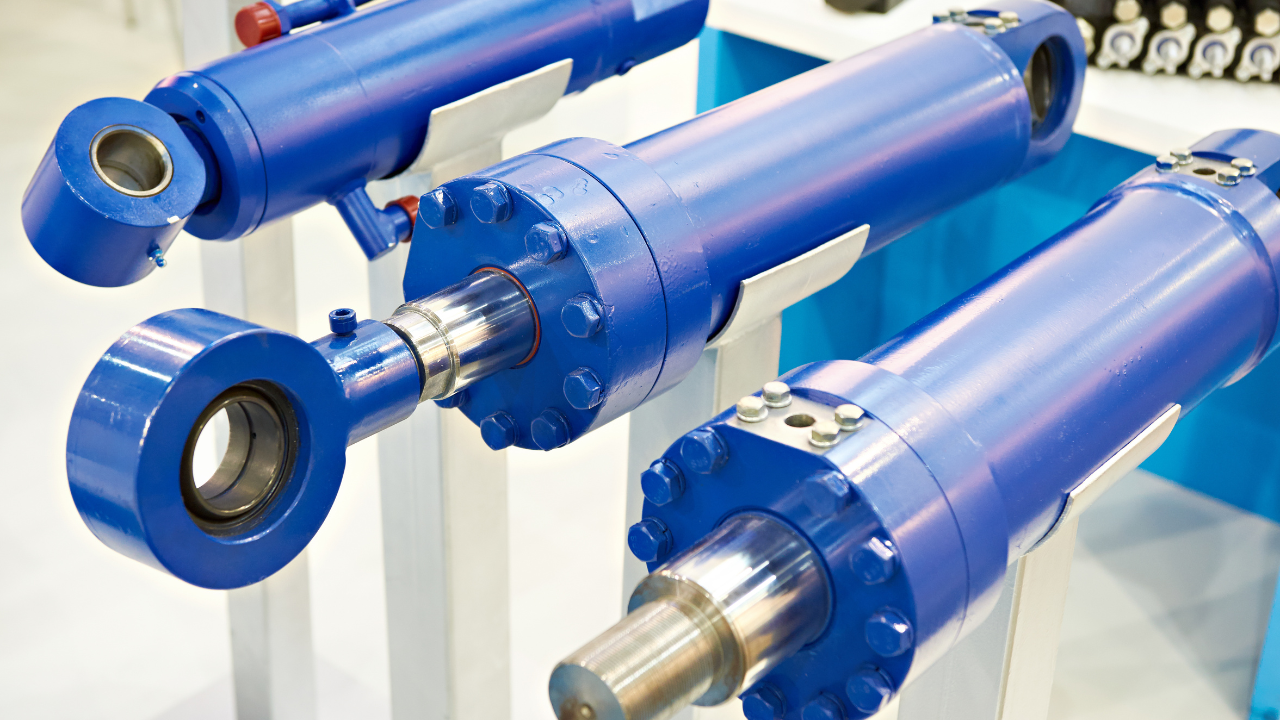
Proactive Maintenance for Hydraulic Cylinders
Damaged hydraulic cylinder rods and wiper seals are an eternal problem for users of hydraulic machinery. Dents and gouges on the surface of hydraulic cylinder rods reduce seal life and give dust and other contaminants an easy path into the hydraulic system. Many hydraulic cylinders also have bent rods, which cause distortion and ultimately premature failure of the seals.

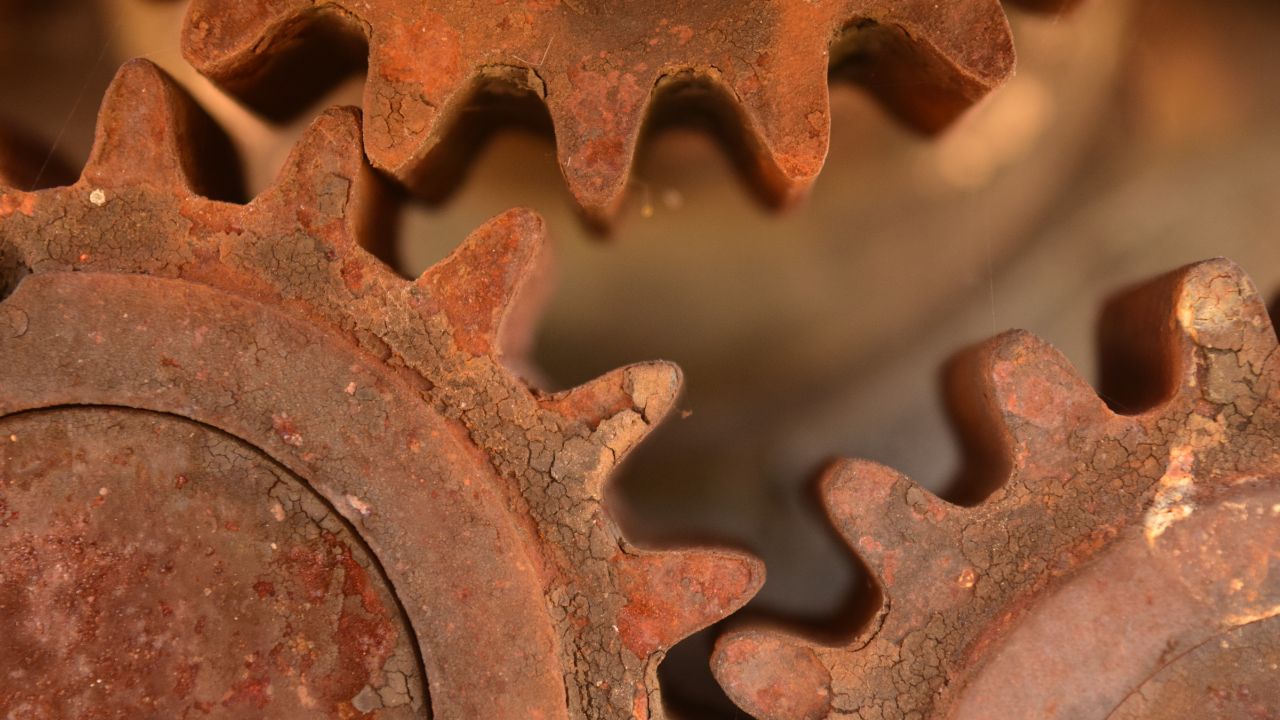
Coating Care: Erosion vs. Corrosion
Recoating based on visible rust is a form of reactive maintenance, when coating failure and rust formation are the reason for repairs or replacements. Erosion is a far more effective reason for recoating. Maintenance based on erosion is a form of preventive maintenance where repairs are performed to prevent a more serious future failure.