
Test for Pumping System Efficiency
Hydraulic Institute Knowledge Series
Hydraulic-Institute-Knowledge-Series
Click here to download the full pdf.
Hydraulic Institute Knowledge Series
Related Articles
How the Carbon/Graphite Seal Face is Manufactured and Where Carbon/Graphite Cannot be Used
Seal companies purchase carbon/graphite seal faces from one of several carbon manufacturers. The seal companies pay for the necessary molds and then retain the exclusive use of them. A good seal face would be a mixture of carbon, graphite and nothing else. The carbon is purchased as a byproduct of a manufacturing process while the graphite is mined with the main sources being in Canada and Madagascar.

Machine Alignment: Alignment Pitfalls - How to Identify and Eliminate Them
In theory, machine alignment is a straightforward process, but in real world applications, it is often compounded by structural faults such as ‘soft foot’, piping strain, induced frame distortion, excessive bearing clearance or shaft rubs. These pitfalls can turn a simple job into an all day affair - frequently with unsatisfactory results despite a conscientious effort and a considerable investment in manpower and downtime. This paper will examine how to eliminate some of the typical reasons why alignments are unsuccessful.

Determining Accurate Alignment Targets
The previous article in this series, "Understanding Shaft Alignment: Thermal Growth," explained thermal growth and its affect on proper equipment alignment. A practical example involves a recent project at a wastewater treatment plant in Cleveland that needed realistic cold alignment targets for a 3600 rpm compressor to reach their accurate alignment targets.

Writing a Set of Seal Specifications
It is extremely important for any modern process company to have a good set of seal specifications. When written properly the seal specifications will classify seals by operation condition.
How a Photoelectric Sensor Saved My Job
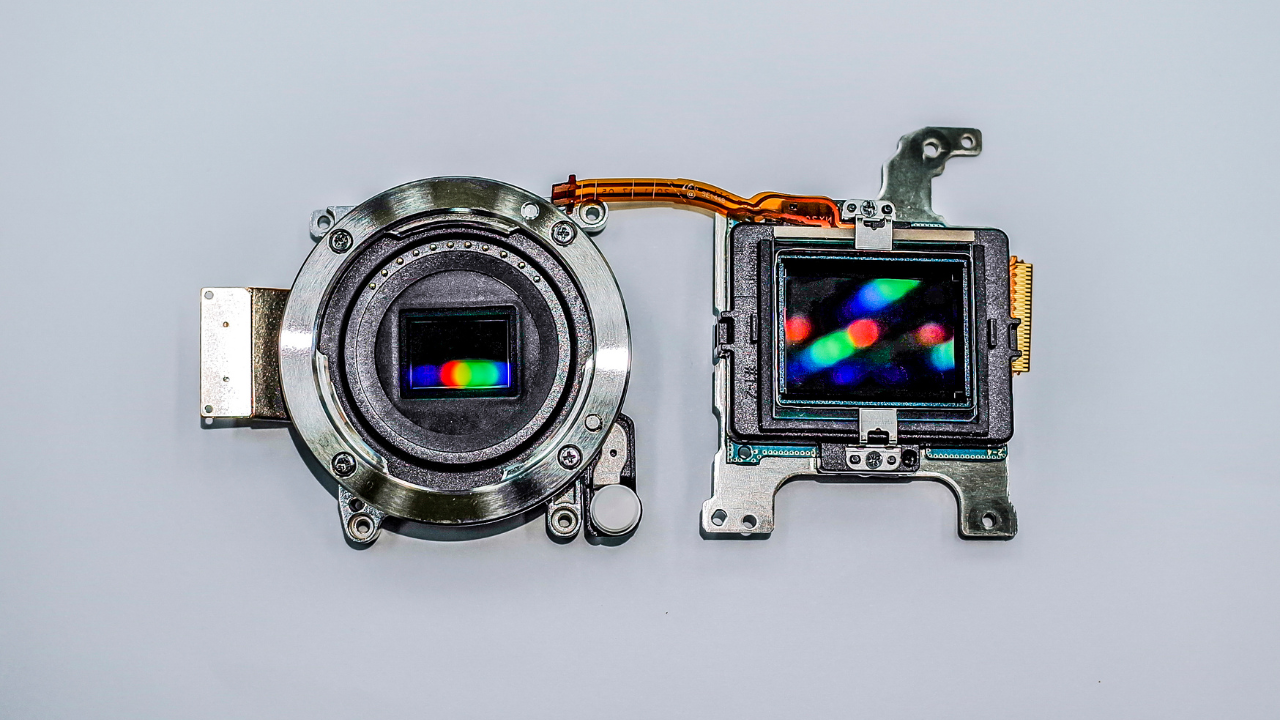
It turned out that the photoelectric sensor could only be adjusted to stay on all the time or off all the time when the cans were going by at any higher rate than Jog speed on the Seamer. We adjusted and adjusted the sensors. The sensors were replaced with new sensors. It did no good. The lines were stopped while we traced all the control and power wiring so we could try to determine if there was a problem in the wiring.
Motor Brush Facts and Maintenance
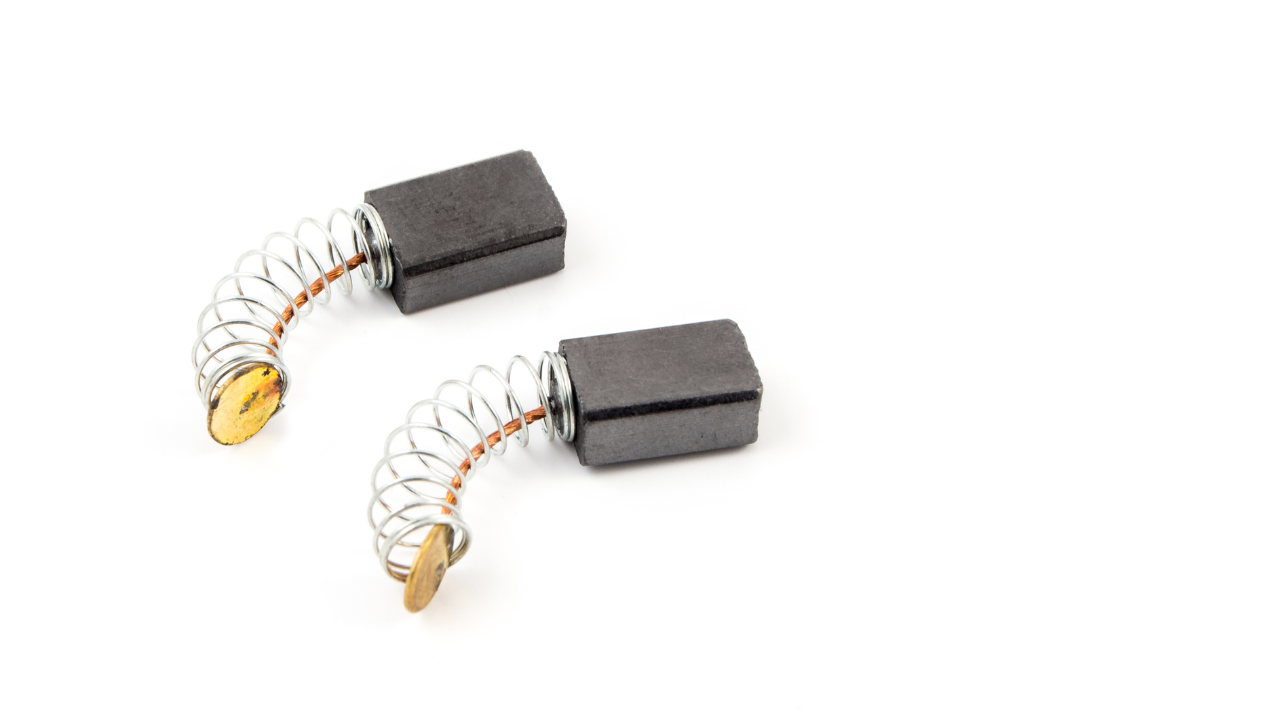
A motor brush is not a brush at all in the traditional sense. It is actually a carbon or graphite cube, commonly held in place by a spring, that acts as a conductor between the electrified stationary and rotating parts of a motor. The whole brush assembly is made up of a carbon block, one or more shunts, a spring and a holder. The carbon blocks are easily replaceable and are therefore intended as a wear part to prevent damage to more costly motor components.

How do Control Valves Work?
How do control valves work? Control valves regulate the flow of a liquid or gas by opening or closing internal passages. They form part of a control loop used to control a process. The control valves respond to instructions from the controller and adjusts the internal openings accordingly.