
Root Cause Analysis Guidance Document
US Department of Energy – DOE Guideline
Click here to download the full pdf.
Related Articles
Anatomy of a Boiler Failure—A Different Perspective
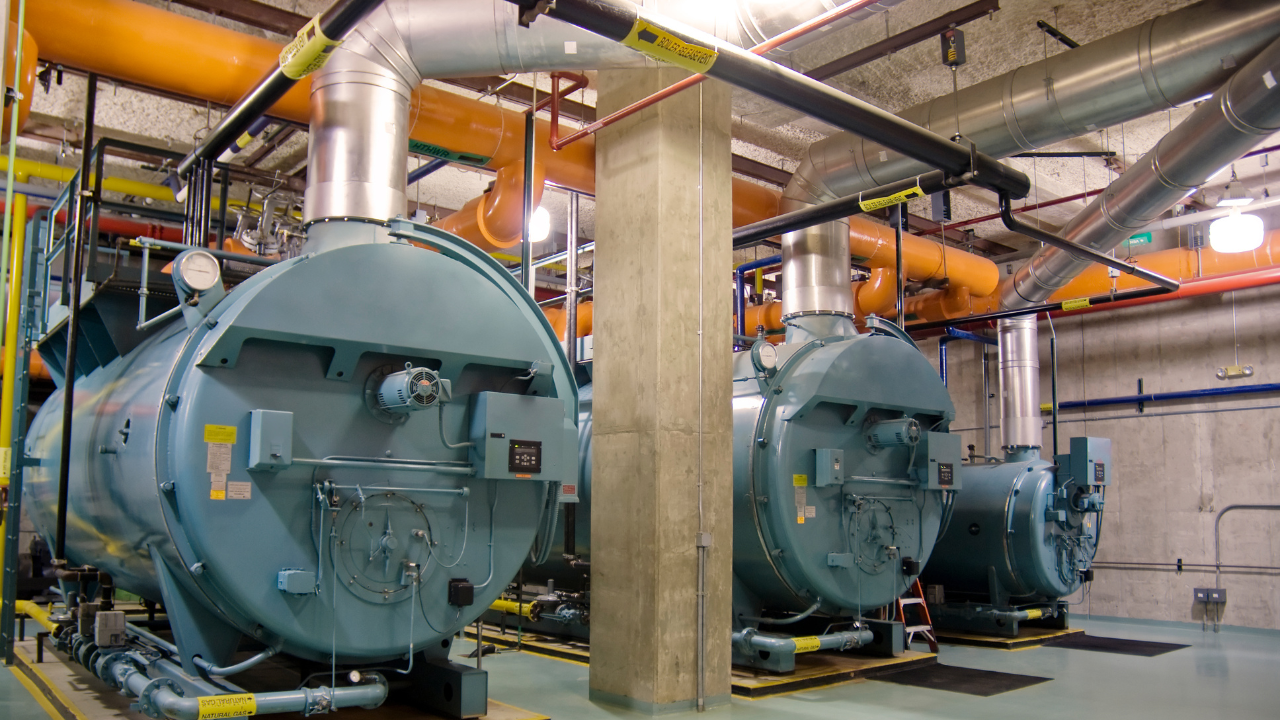
The power industry’s operating and maintenance practices were held up to intense regulator and public scrutiny when on November 6, 2007, a Massachusetts power plant’s steam-generating boiler exploded and three men died. The Department of Public Safety’s Incident Report investigation determined that the primary cause of the Dominion Energy New England’s Salem Harbor Generating Station Unit 3 explosion was extensive corrosion of boiler tubes

Why Some Root Cause Investigations Don't Prevent Recurrence
To successfully carry out this mission, a root-cause investigation needs to be evidence-driven in accordance with a rigorous application of the bedrock of all root-cause methodologies: the Scientific Method. Consistent with the Scientific Method, underlying assumptions have to be questioned and conclusions have to be consistent with the available evidence, as well as with proven scientific facts and principles. Sometimes root-cause investigations fail to fulfill their primary mission and the failure recurs. In that regard, diagnosing the root cause of root-cause investigation failures is, in itself, an interesting topic. Here are three common reasons why some root-cause investigations fail their mission.

RPM Method + RCM = Reliability
Picture this: It’s Monday morning and you’re the maintenance manager of an industrial plant. On your desk is a printout of 432 open work orders and the operations manager is screaming because air compressor #2 just tripped for the third time this month. To make matters worse, you just remembered two of your technicians went fishing for the week. The question is: “What can this maintenance manager do to improve this situation?” The obvious answer is to go fishing with the two technicians. Maybe a better question to ask is: "What can be done to improve plant performance?"

Getting Root Cause Analysis to Work for You
Root Cause Analysis (RCA) is rapidly becoming another one of those “flavour of the month” TLAs (Three Letter Acronyms). Like all TLAs, it is easy to get carried away with the hype surrounding the approach. Inevitably, then, the reality doesn’t live up to the expectations created by the hype. But nevertheless, the appropriate application of Root Cause Analysis techniques can yield significant organisational and individual benefits. This paper discusses some of the practical issues surrounding the implementation of Root Cause Analysis processes within organisations, and in doing so, attempts to give some guidance to those wishing to obtain success from their Root Cause Analysis program.

Implement a Cost Effective Root Cause Problem Elimination (RCPE) Process
The business process is most commonly named Root Cause Failure Analysis (RCFA) or root cause analysis. The name itself implies the largest and most expensive problem when implementing problem solving in an organization. The results wanted from the process are to eliminate the problem, not to analyze the failure. To convey the desired result to the organization, the name should therefore be changed to Root Cause Problem Elimination (RCPE).

Examples of Root Cause Analysis
If I have an unwanted situation which consumes resources and tends to happen in a repeated fashion then there is a possibility that it might be beneficial to figure out what is really causing this situation to occur and remove it so the situation does not occur again. This is generally referred to as Root Cause Analysis, finding the real cause of the problem and dealing with it rather than simply continuing to deal with the symptoms.