

The Building Blocks to Creating an Effective Lubrication Program
Paul Dufresne
Click here to download the full pdf.
Related Articles
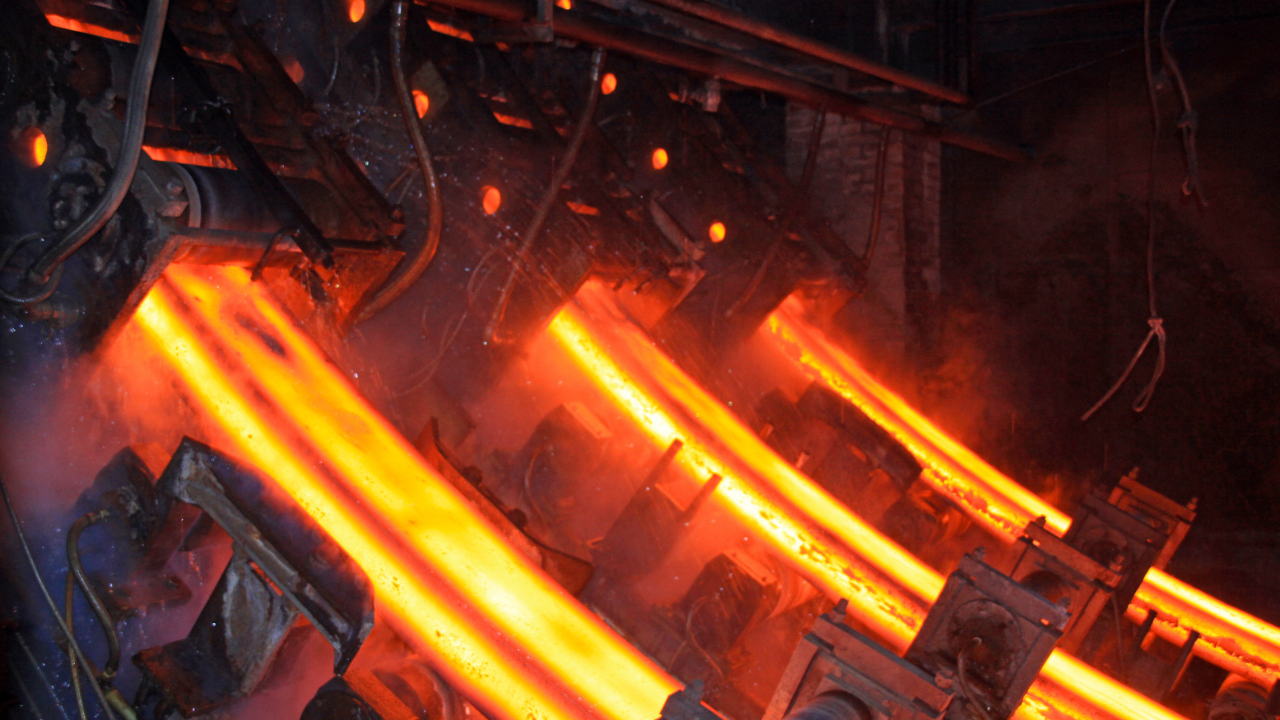
Bearings for High Temperatures
When rolling element or sleeve bearings operate under extreme conditions, it’s more important than ever to follow proper lubrication selection and maintenance procedures to maximize effective life and efficient performance. Long-term analysis of field data shows that the lack of proper lubrication is the most commonly cited cause of bearing failure and accounts for over 40 percent of breakdowns. Bearings for high temperatures must be properly maintained and lubricated to withstand high heat.

Selecting the Proper Offshore Lubricant
Choosing the right lubrication in the offshore industry is typically based on considerations such as performance and reliability, but this does not have to come at the expense of the environment. For any piece of industrial machinery to run smoothly, lubrication is a key consideration. In the offshore industry, where equipment may be stranded more than 100 miles from the shore, maximum efficiency is essential, so lubrication treatment must be carefully selected to ensure reliable performance. Where spares and replacement parts may be days away, ensuring that everything is fully functional is critical to the bottom line.

Best Practices in Lubrication
Like blood coursing through the veins of living beings, lubrication is what keeps a plant’s capital investments operating smoothly and efficiently. At the same time, when lubrication becomes contaminated or depleted of its sustaining properties, overheating or exhaustion are among the problems that can occur. That leads to downtime and loss of production, and the potential of some hefty maintenance expenses.
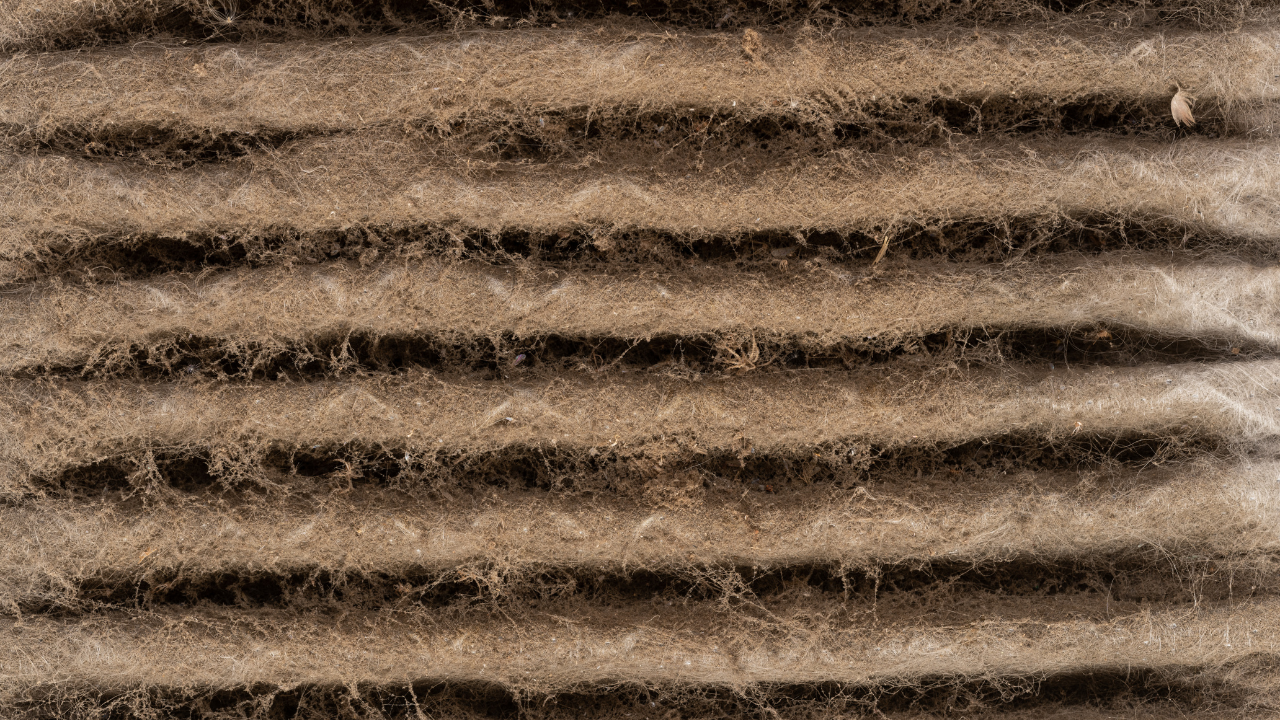
Is Air a Contaminant?
When we think of contamination in lubricated systems, we often focus on particle and water contamination. The fact of the matter is that there are many other contaminants we should consider and attempt to control. Most contaminants, which include any material not contained in the lubricant's formulation, can potentially damage the oil and the lubricated components. Although air is always present in lubricating oil, it is often justifiable to adopt measures to minimize its presence.

Bearing Failures Dry Up at Weyerhaeuser
Like all industry these days, the economics of running a plant requires a keen eye on operating costs. In an effort to increase uptime and reduce maintenance costs, the mechanical maintenance team at the Valiant plant undertook a program to reduce dryer bearing failures with lubrication management, which included aggressive contamination control and oil analysis.

Optimizing Lube PMs
A number of common mistakes are made in selecting, scoping and carrying out lubrication PM tasks and intervals. I have outlined four common "wrongs" with respect to lube PM optimization, which can, with some effort and guidance, be turned into four "rights."

Contamination Control Can Reduce Costs
Today’s mining industry is facing a new set of challenges. Commodity price projections for the future remain uncertain, global demand remains high and there is a global labor shortage. While the mining industry remains highly competitive and essential to continued global economic growth, mining companies continue to search for ways to sustain growth and profitability.