Heating liquid by steam sparging. Steam is often used for heating liquids. The direct steam injection into the process is known as steam sparging. The sparge design and location affect the efficiency of the process.
As water is heated it boils and some turns into a damp vapor called ‘wet’ steam. If heated further the water is all boiled away and at that point it is called saturated vapor. If heated still more, it turns into super-heated steam. In super-heated steam the water molecules are at very high energy levels. This energy in steam can be used for heating.
Pressure also affects the amount of energy in steam. Water at sea level boils at 212°F, while on top of Mount Everest it boils at a lower temperature, and in a pressure cooker heated on a stove, it boils at a higher temperature. A higher pressure allows higher temperature and energy.
If water is to be used to make steam at more than 212°F on planet Earth, it is done in a pressure vessel called a boiler.
At a given pressure steam takes up a specific volume per kilogram. The lower the pressure the larger the volume needed for the same amount of steam. One kilogram of saturated steam at sea level atmospheric conditions will be at 212°F, 1 atmosphere pressure and require 1.7 cubic meters volume. The same kilogram at six times atmospheric pressure will be at 316.4°F and squeezed to a volume of 0.3 cubic meters. At 100 times atmospheric pressure it will be at 591.8°F and squeezed into a 0.018 cubic meter space.
If steam at 100 times atmospheric pressure were released at sea level it would expand instantly 95 times and lose 411.8°F in temperature. You would see and hear a massive plume of vapor streaming out of the hole at very high velocities. The excess heat is radiated into the air around the plume.
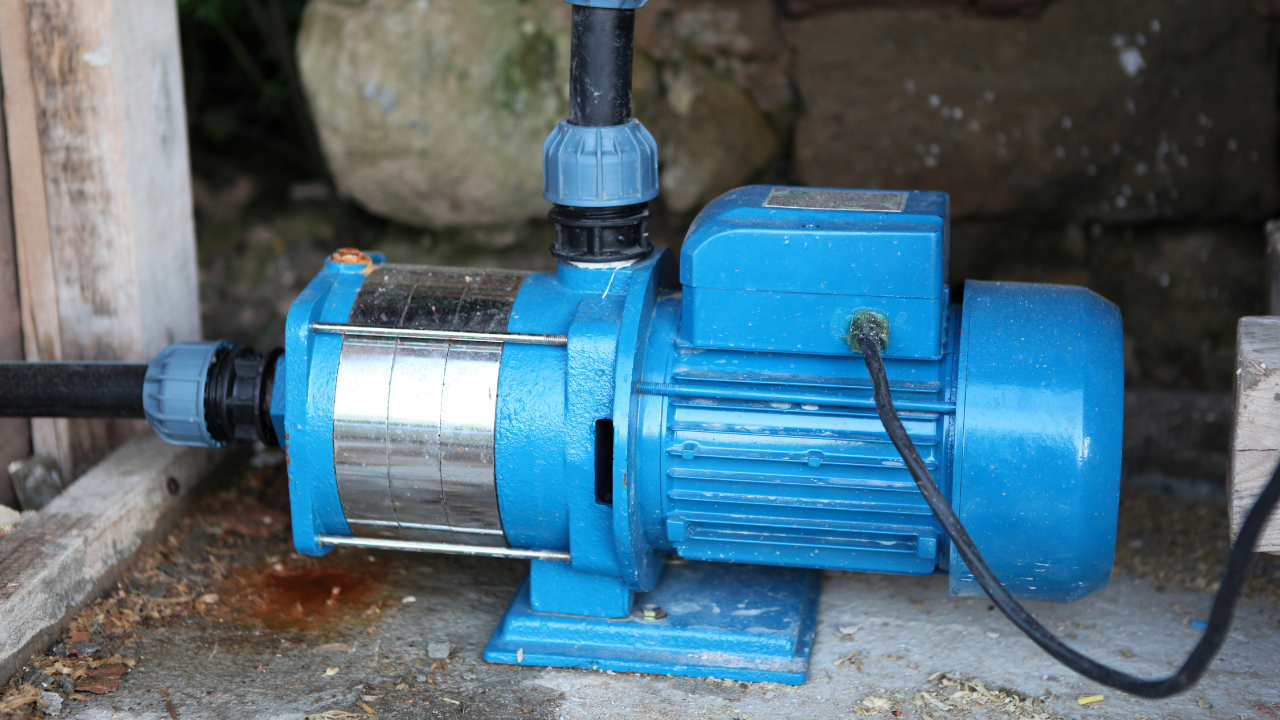
Image courtesy x-reflexnaja from Getty Images Pro via Canva
Steam Sparging: Heating Liquids with Direct Steam Injection
Heat can be provided to a liquid either through a heat exchanger or by the direct injection of raw steam. Injecting steam directly into a liquid puts the molecules of high-energy water in direct contact with the liquid molecules. The energy is transferred from the hotter to the colder molecules and so the process liquid warms-up. As more steam is injected the liquid’s temperature rises toward the steam’s temperature.
The temperature rise one kilogram of steam can cause to one kilogram of liquid depends on the ability of the liquid to take in the energy. This ability to absorb energy is known as the liquid’s specific energy. It is the energy needed to raise the temperature of one kilogram of the liquid by one degree centigrade. If we can find out how much specific energy is needed to heat one kilogram of a liquid one degree we can calculate how much steam, at a certain temperature and pressure, is needed to heat the liquid.
The time taken to heat the liquid depends on how fast the steam is introduced, how much hotter the steam is than the liquid and how well it is distributed through the liquid. If 1000 kilograms of liquid is to be heated 212°F higher but only one kilogram of steam per hour could be supplied, it will take an eternity to warm.
Similarly, if the steam was only 213.8°F hotter than the liquid there would be an initial surge in the liquid temperature as it warmed but the final few degrees rise would take longer and longer. And unless the steam is evenly distributed in the liquid there would be pockets of hot liquid around the sparge, with the liquid further away getting progressively colder.
When heating liquids with a sparge insure there is a plentiful supply of steam at sufficiently high temperature and the steam and process liquid are well mixed together. Examples of some typical steam sparges are shown in Figure 1.
Figure 1: Two typical steam sparge designs
How fast the steam can be injected into the liquid depends on the steam pressure and the size of the hole through which the steam is released. With the specific energy of the process liquid and steam known it is only necessary to decide how quickly to heat up the liquid and then the size of the hole to provide the steam can be calculated.
Once the injection hole area is known, the size of the pipe work to supply the steam from the boiler can be determined. Usually, a control valve responding to a temperature sensor in the process liquid is installed in the steam supply line. As the process temperature rises toward the required or ‘set’ temperature the control valve regulates the rate of steam supply and the speed of temperature rise. Figure 2 shows a steam sparging circuit for a boiler feed water tank.
Figure 2: Steam sparging a boiler feed water tank
Connecting Sparges to the Equipment
Steam sparging can generate a great amount of vibration. Especially if there is a big pressure difference between the steam pressure and the process pressure. When pressure drops steam expands. In order for steam to flow through the pipe to the low-pressure outlet at the same rate it is turning from high pressure to low pressure steam it speeds up. The increase in velocity causes vibration and if sufficiently fast it will gradually wear away the sides of the exit hole(s).
Sparges welded into vessels need large, thick compensating plates to spread the vibration over a larger area of weld. Too small a weld cracks from work hardening caused by the vibrating sparge. This is most important with stainless steel vessels as stainless has little resistance to work hardening.
Sparge lances put directly into the liquid require many holes below the liquid surface to quickly vent off the steam. Too few holes lead to high vibration and rapid wear of the edges. Make enough holes in the sparge so the sum of their areas is at least equal to the area of the steam supply pipe.
Mike Sondalini
Mike Sondalini is a Senior Consultant at PWWEAM System-of-Reliability. BEng(Hons), MBA, CPEng. As a consultant and trainer, Mike was able to present his insights to his clients, suggesting innovative approaches to plant and equipment reliability. Their feedback was resoundingly positive. Efforts which earned him an international reputation for articulate, out-of-the-box articles on plant and equipment reliability, life-cycle EAM, maintenance management, work quality assurance, and team building. After decades of dedicated research, Mike authored “Industrial Manufacturing Wellness: The Complete Guide to Successful Enterprise Asset Management” a revolutionary approach on how maintenance and physical asset management systems should be run, the book detailed who, what, where, when, why, and how outstanding reliability could be achieved. Each step based in scientific and mathematical understanding to ensure repeatability of results and optimal outcomes.
Cavitation means that cavities are forming in the liquid that we are pumping. When these cavities form at the suction of the pump several things happen all at once. The cavities form for five basic reasons and it is common practice to lump all of them into the general classification of cavitation. This is an error because we will learn that to correct each of these conditions we must understand why they occur and how to fix them.
Cavitation means that cavities are forming in the liquid that we are pumping. When these cavities form at the suction of the pump several things happen all at once. The cavities form for five basic reasons and it is common practice to lump all of them into the general classification of cavitation. This is an error because we will learn that to correct each of these conditions we must understand why they occur and how to fix them.
The most common question asked by seal salesmen is "what are you sealing?" This is usually followed by asking about shaft size, product, temperature, speed, stuffing box pressure and any other operating conditions they can think of. The problem with this simplistic approach is that you would have to have a very large data bank of information to reference a particular problem so as to be able to make a sensible seal recommendation. There is a much more logical approach to the problem that we will be discussing in the following paragraphs.
The most common question asked by seal salesmen is "what are you sealing?" This is usually followed by asking about shaft size, product, temperature, speed, stuffing box pressure and any other operating conditions they can think of. The problem with this simplistic approach is that you would have to have a very large data bank of information to reference a particular problem so as to be able to make a sensible seal recommendation. There is a much more logical approach to the problem that we will be discussing in the following paragraphs.
There are occasions when you might want to permanently change the amount of fluid you are pumping, or change the discharge head of a centrifugal pump. There are four ways you could do this, of the four methods the middle two are the only sensible ones. In the following paragraphs we will learn what happens when we change either the pump speed or impeller diameter and as you would guess other characteristics of the pump are going to change along with speed or diameter.
There are occasions when you might want to permanently change the amount of fluid you are pumping, or change the discharge head of a centrifugal pump. There are four ways you could do this, of the four methods the middle two are the only sensible ones. In the following paragraphs we will learn what happens when we change either the pump speed or impeller diameter and as you would guess other characteristics of the pump are going to change along with speed or diameter.
The chart shows approximate pressure drops which may be expected at various flows rates through sharp edge orifices for petroleum type hydraulic oil. It may be used for designing limiting flow orifices in hydraulic systems. Chart values must be considered as approximate because a number of factors such as specific gravity, orifice efficiency, plumbing ahead of and behind the orifice may cause variations from the values shown.
The chart shows approximate pressure drops which may be expected at various flows rates through sharp edge orifices for petroleum type hydraulic oil. It may be used for designing limiting flow orifices in hydraulic systems. Chart values must be considered as approximate because a number of factors such as specific gravity, orifice efficiency, plumbing ahead of and behind the orifice may cause variations from the values shown.
Whether the mismatch was due to the variation in required pump output or incorrect sizing of the pump, there is no question that the ability to easily vary pump speed has been a major advance in the overall performance of a pumping system. This has increased the energy efficiency, as well as the reliability of the equipment. Problems—such as cavitation or shaft deflection—can be alleviated by running the pump at optimal system speed. But how do variable speed drives affect mechanical seals?
Whether the mismatch was due to the variation in required pump output or incorrect sizing of the pump, there is no question that the ability to easily vary pump speed has been a major advance in the overall performance of a pumping system. This has increased the energy efficiency, as well as the reliability of the equipment. Problems—such as cavitation or shaft deflection—can be alleviated by running the pump at optimal system speed. But how do variable speed drives affect mechanical seals?
On the design of a new machine which is to be run with a hydraulic motor, a determination of required speed and horsepower must be made so a model with suitable ratings can be selected. This article describes several methods of making such a determination. Designers who are experienced only in selecting electric motor drives need to be careful in designing hydraulic drives because of important differences between these two motors.
On the design of a new machine which is to be run with a hydraulic motor, a determination of required speed and horsepower must be made so a model with suitable ratings can be selected. This article describes several methods of making such a determination. Designers who are experienced only in selecting electric motor drives need to be careful in designing hydraulic drives because of important differences between these two motors.
Sizing electric motors correctly for hydraulic power units can save a sizable amount of money over the life of the equipment. If system pressure and flow are constant, motor sizing simply boils down to the standard equation: hp = QP / 1714EM
Sizing electric motors correctly for hydraulic power units can save a sizable amount of money over the life of the equipment. If system pressure and flow are constant, motor sizing simply boils down to the standard equation: hp = QP / 1714EM