

An Integrated Process for System Maintenance, Fault Diagnosis and Support
Sudipto Ghoshal, Roshan Shrestha, Anindya Ghoshal, Venkatesh Malepati, Somnath Deb, Krishna Pattipati and David Kleinman
Click here to download the full pdf.
Sudipto Ghoshal, Roshan Shrestha, Anindya Ghoshal, Venkatesh Malepati, Somnath Deb, Krishna Pattipati and David Kleinman
Related Articles
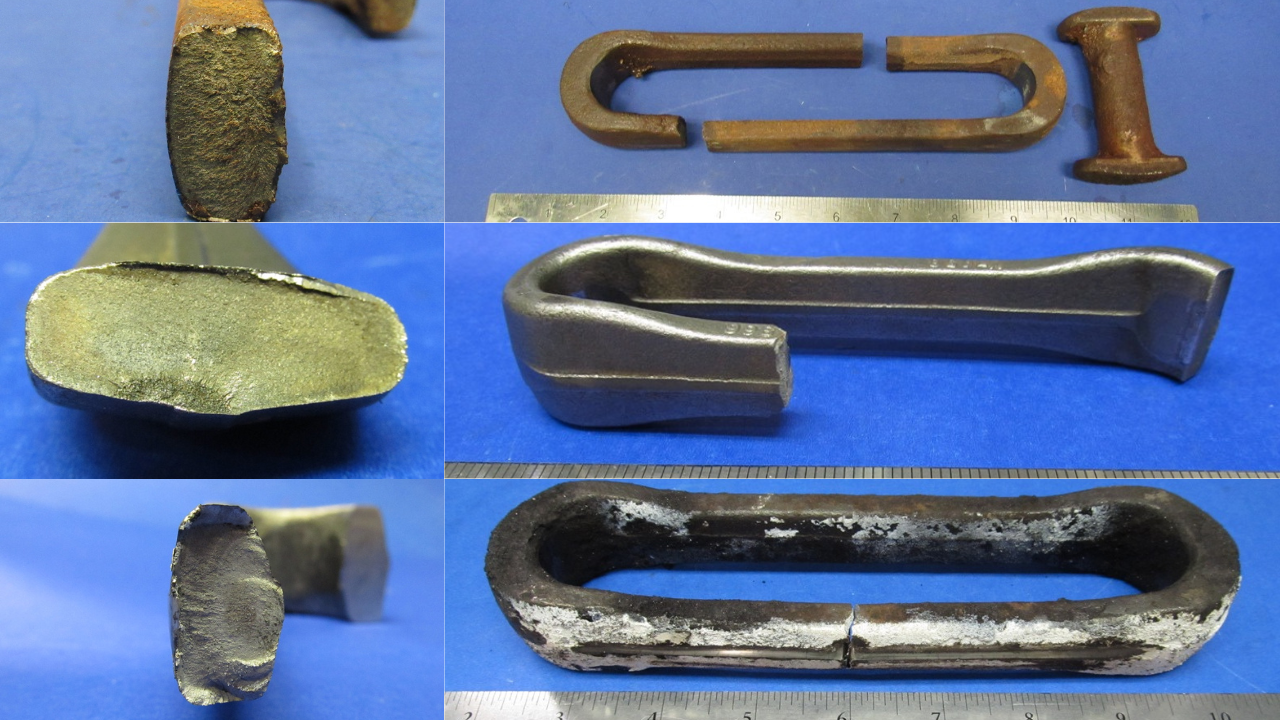
Studying Fractures: Recognizing and Understanding Failure Modes
To understand why a part or equipment failed, how it failed must be first diagnosed. Different failure modes such as fatigue, brittle, and corrosion all have very different causes and very different solutions. If an investigation were to guess at the failure mode and guess wrongly, the planned remediation may not address the true cause of failure and additional failures may occur. This article considers three failed chain links and demonstrates the importance of identifying how something failed.
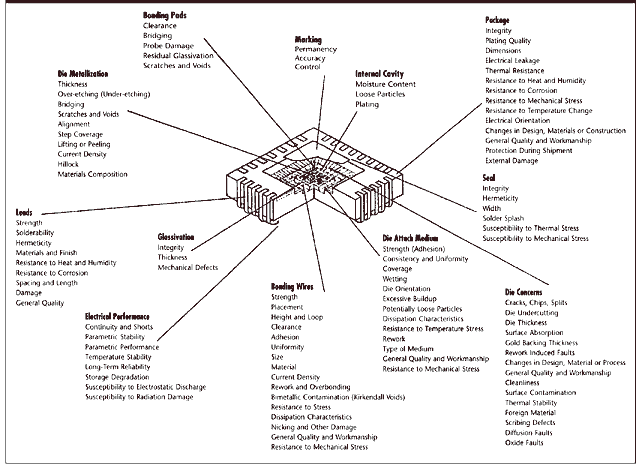
Analyzing Semiconductor Failure
Semiconductor devices are almost always part of a larger, more complex piece of electronic equipment. These devices operate in concert with other circuit elements and are subject to system, subsystem and environmental influences. When equipment fails in the field or on the shop floor, technicians usually begin their evaluations with the unit's smallest, most easily replaceable module or subsystem. The subsystem is then sent to a lab, where technicians troubleshoot the problem to an individual component, which is then removed--often with less-than-controlled thermal, mechanical and electrical stresses--and submitted to a laboratory for analysis. Although this isn't the optimal failure analysis path, it is generally what actually happens.

Developing a Root Cause Analysis Work Process - Part 1
Root Cause Analysis (RCA) is a valuable tool for reliability improvement in manufacturing and production operations. Yet, most efforts to implement an RCA program fail to achieve meaningful results despite significant investments in employee training. What needs to be done to assure that RCA becomes a functional work process in organizations?

The Latent Causes of Industrial Failure
Hidden but powerful forces within our organizations are causing people to make serious mistakes. Until someone deals with these forces, they will continuously but unpredictably snare people into doing things they should not do. These forces are like a "trap," waiting to catch the next person. The most proactive of all industrial action might be to identify and remove these latent traps. But all our attempts to identify and remove these latent causes of failure start at the human. Humans do things "inappropriately," for "latent" reasons.

Developing a Root Cause Analysis Work Process - Part 3
Root Cause Analysis represents one of the greatest challenges in reliability program development, requiring a broad understanding of management processes, structured problem solving and behavior. Developing a Root Cause Analysis work process will require effort and persistence as well as new thinking about organizational structure and resource priorities. The potential improvements from developing an effective Root Cause Analysis work process are significant. Most manufacturing processes have opportunities for improvement and cost reduction that have not been obtainable with current efforts. In some cases, these opportunities could represent competitive advantages in manufacturing strategies and processes.
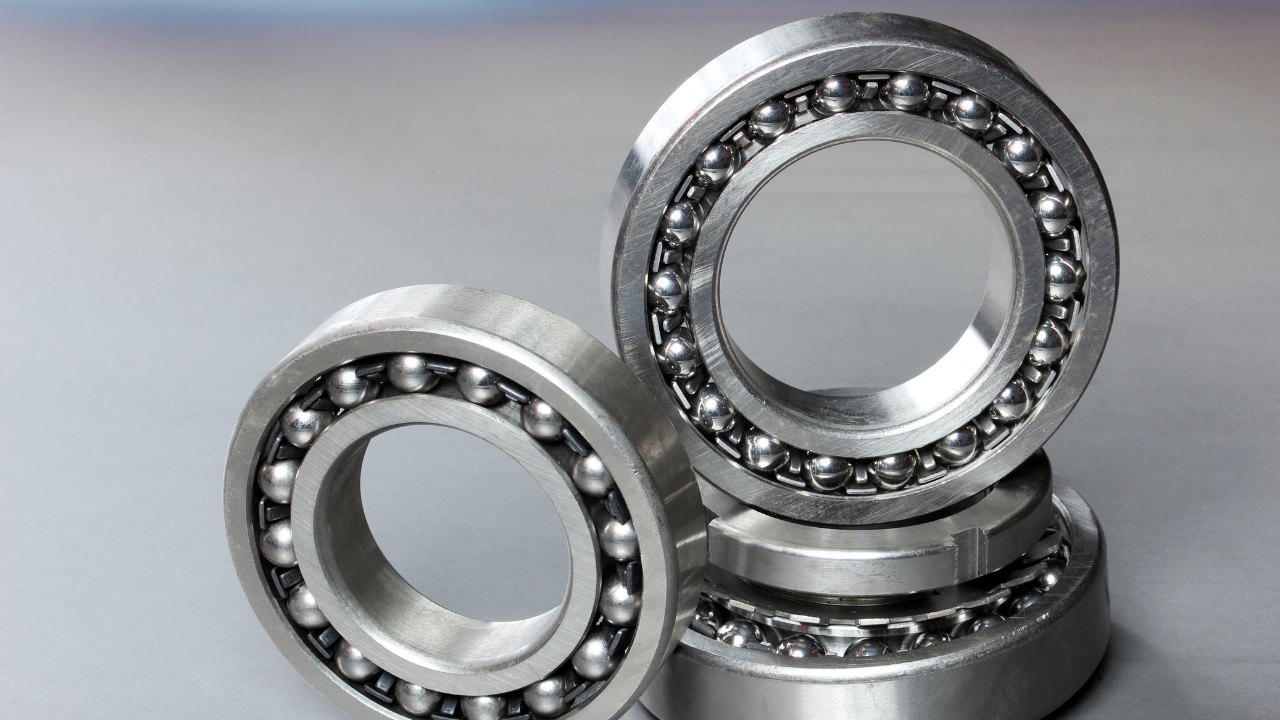
RCFA of Bearing Failure
When a bearing in a critical piece of equipment fails prematurely, a maintenance specialist knows the failure usually indicates there is more here than meets the eye. What the untutored eye sees is a failed bearing and little more. However, a premature bearing failure is symptomatic of other problems that, if left untreated, will cause the same kind of failure to occur again.

Root Cause Analysis Chronic Events: Panning For Gold
What we need to do today is make management aware through education and awareness that our cultures live with these chronic events that typically end up costing 100 times more than the occasional sporadic event. Unfortunately, the sporadic events get all the attention. When our cultures are enlightened, we will begin to enjoy the fruits of our efforts in the form of return on investment (ROI) figures as high as 7000-8000 percent. Then the believers will come.