

Safety Circuits, Force Guided Relays vs. General Purpose Relays
Robert Anderson
Click here to download the full pdf Safety Circuits, Force Guided Relays vs. General Purpose Relays
Robert Anderson
Related Articles

Confined Space Entry Safety
Confined space entry safety. A confined space is anywhere not normally meant for human habitation in which access maybe restricted and the conditions in the confinement may be inadequate to support life or could cause engulfment. Obvious places are tanks, vessels, silos and below ground pits. The less obvious ones are cold rooms, areas of plant sandwiched between machinery and equipment, tip truck trays and open pit mines.
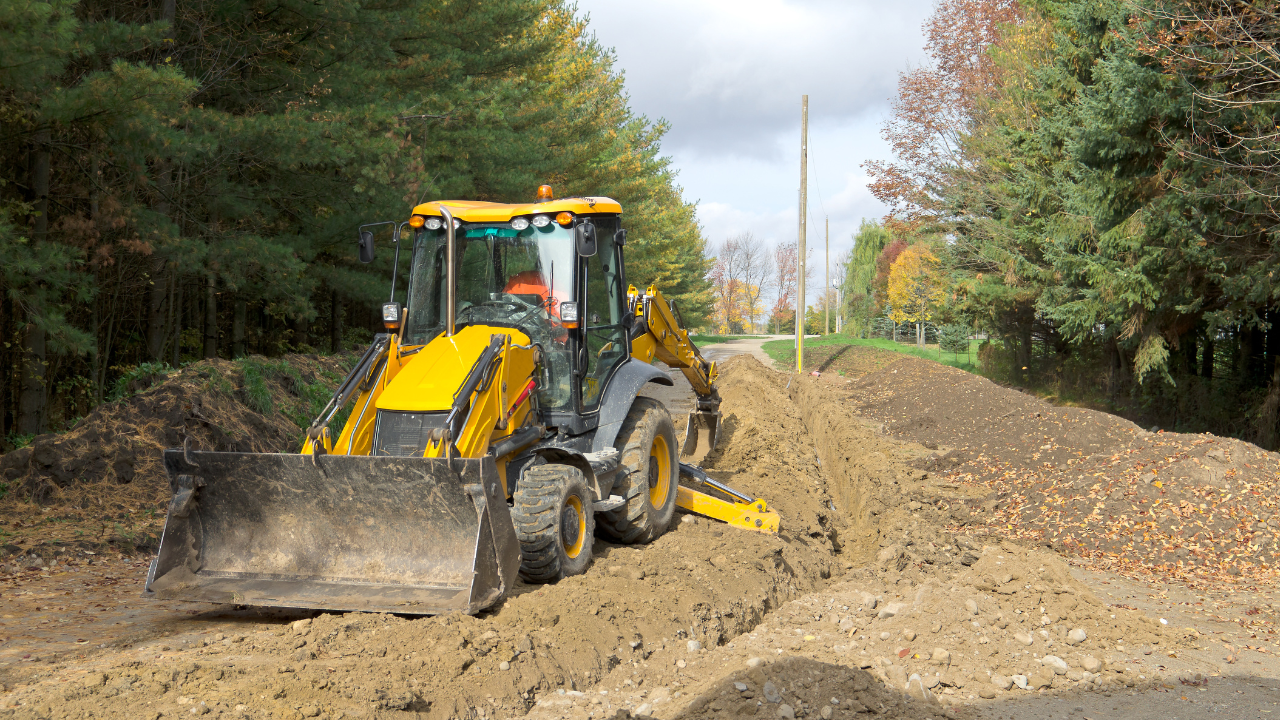
Non-Destructive Exposing of Buried Energized Lines
In the past few years, Hydrovacs and "daylighting" have gained industry acceptance by minimizing the challenges of exposing underground pipelines, fiber-optics, and utilities. "Daylighting" is a non-destructive process using pressurized water (hydro) and a vacuum system (vac) to remove soil cover, thereby allowing a visual observation of underground lines. Hydrovacs expose these facilities to daylight, thus the term "daylighting".
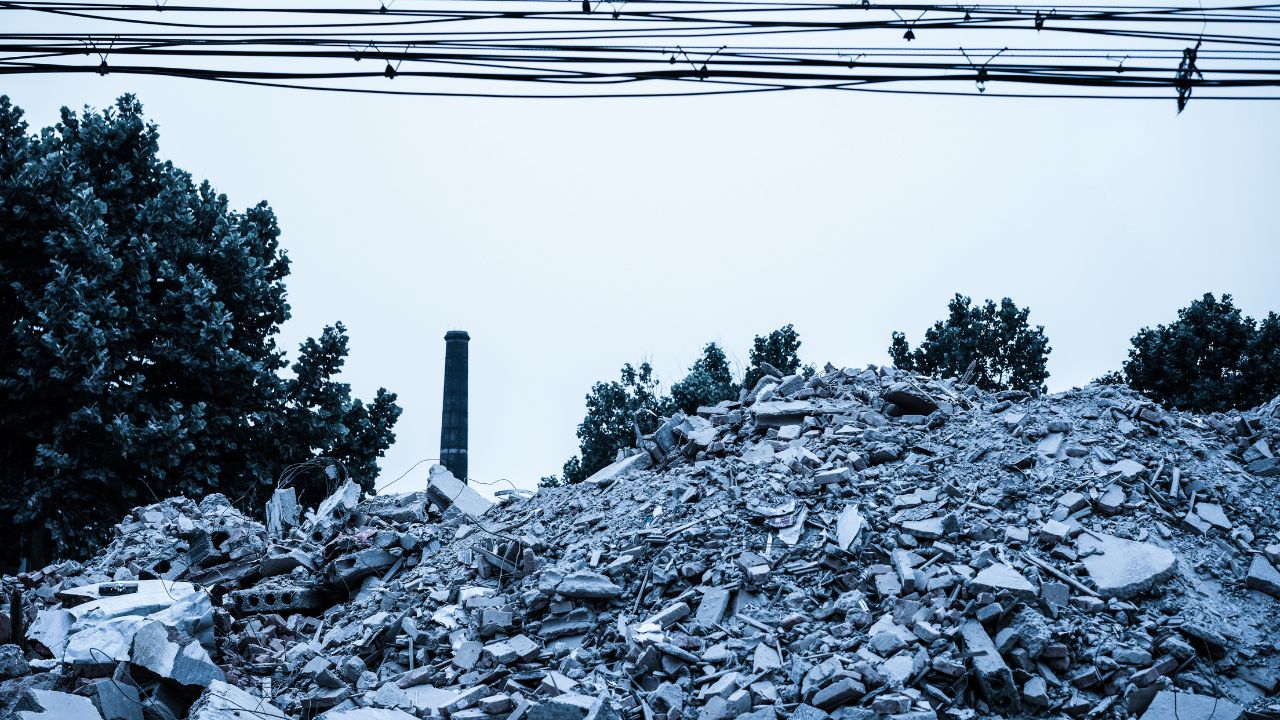
Preparing Facilities for Extreme Weather
Due to a particularly harsh and active hurricane season, the US Chemical Safety Board is urging chemical companies to properly prepare facilities for extreme weather as soon as possible. With increasingly frequent and damaging weather on the rise due to climate change, it is important to have a plan in place for hurricanes and other natural disasters to protect the site personnel and people living in the surrounding area from harm and danger related to compromised production facilities.
OSHA Safe+Sound Week 2025
Monday, August 11th is the first day of this year’s OSHA Safe+Sound Week 2025. This is a nationwide, year-round campaign with the goal to encourage workplaces of all kinds to implement a successful safety and health program. It is a time to act, reflect on, and recognize efforts your organization has taken to improve safety through the year.

How to Protect Your Business from Cybercrime
Whether you operate a small business or are part of a large industry such as pulp and paper, mining, or food and beverage manufacturing, cyber threats can cause severe damage to your digital infrastructure and have severe consequences. In this article, we’ll explore how you can protect your organization from cybercrime.
Safety and Reactive Maintenance
Reactive maintenance is here defined as all maintenance work that was scheduled less than 20 hours before it was executed. It makes sense that there is a strong correlation between safety incidents, injuries and reactive maintenance. In a reactive situation you might not take the time you should to plan and think before you take action. The urgency also call out the so common hero in maintenance crafts people and they take risks they should not take.

Do You Need NFPA 70E?
One of the hot topics in electrical and mechanical training classes is the National Fire Protection Association (NFPA) 70E. Students question what 70E is and how it relates to the National Electrical Code (NEC), if 70E is a new regulation and if not why are they just now hearing about it, and if companies are required to comply with 70E. This article will take some of the mystery out of 70E.