

Maintenance Equipment: Basics of Centrifugal Pumps
Mukesh Sahdev, www.cheresources.com
Click here to download the full pdf.
Mukesh Sahdev, www.cheresources.com
Related Articles
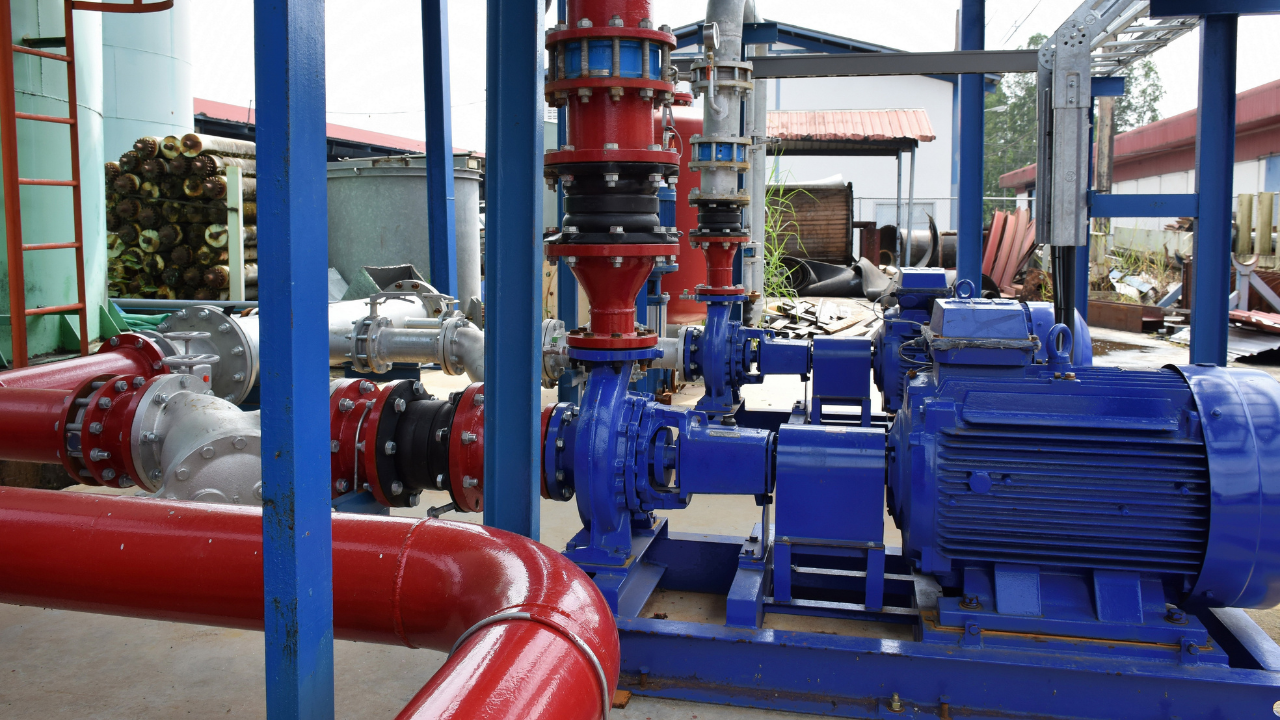
Test for Pumping System Efficiency
A pump’s efficiency can degrade as much as 10% to 25% before it is replaced, according to a study of industrial facilities commissioned by the U.S. Department of Energy (DOE), and efficiencies of 50% to 60% or lower are quite common. However, because these inefficiencies are not readily apparent, opportunities to save energy by repairing or replacing components and optimizing systems are often overlooked.
How to Track Large Rotating Equipment
Rotary dryers, kilns, mills and reactors turn on tires and trunnions. Each tire is mounted to the rotating shell and revolves on two roller trunnions. If the alignment between the tire and trunnions is lost due to wear, poor repair, installation error or impact, the equipment will need to be tracked.

Plant Numbering and Asset Identification
This article covers the two main plant numbering systems that together form the framework on which all maintenance programmes are based and describes the value that can be created by integrating these identification systems. These two systems are: Equipment Numbers, or more accurately, Equipment Location Numbers Stock-Keeping Unit (SKU) numbers or, preferably, Material Catalogue Numbers. A third, less critical but still important numbering system for Stores location (or “bin”) numbers, is also included.

How a Photoelectric Sensor Saved My Job
It turned out that the photoelectric sensor could only be adjusted to stay on all the time or off all the time when the cans were going by at any higher rate than Jog speed on the Seamer. We adjusted and adjusted the sensors. The sensors were replaced with new sensors. It did no good. The lines were stopped while we traced all the control and power wiring so we could try to determine if there was a problem in the wiring.

Keeping Compressed Air Dry
Air systems without compressed air dryers severely restrict the life expectancy of any equipment they operate. You must keep your compressed air dry. One of the most effective ways of drying compressed air is to cool it, collect the moisture that condenses, then reheat the air to the ambient temperature. That is exactly what the cool winter weather did for your compressed air system.
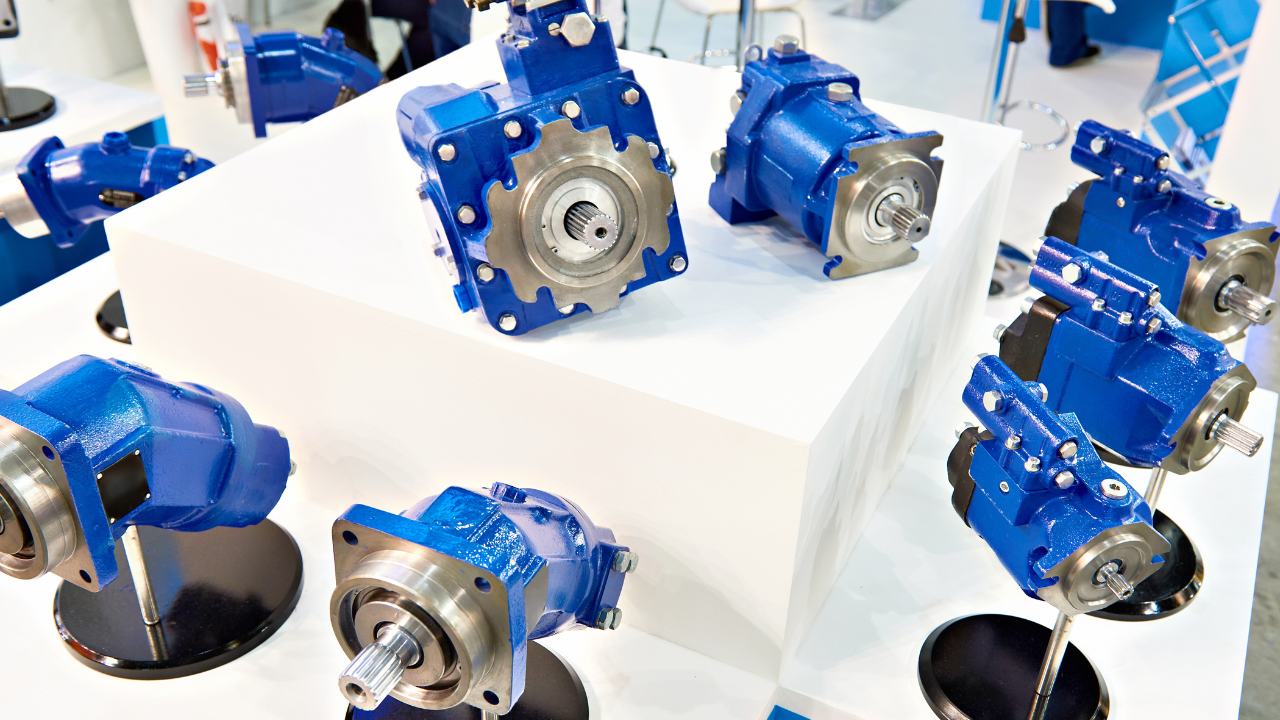
Matching a Hydraulic Motor to the Load
On the design of a new machine which is to be run with a hydraulic motor, a determination of required speed and horsepower must be made so a model with suitable ratings can be selected. This article describes several methods of making such a determination. Designers who are experienced only in selecting electric motor drives need to be careful in designing hydraulic drives because of important differences between these two motors.
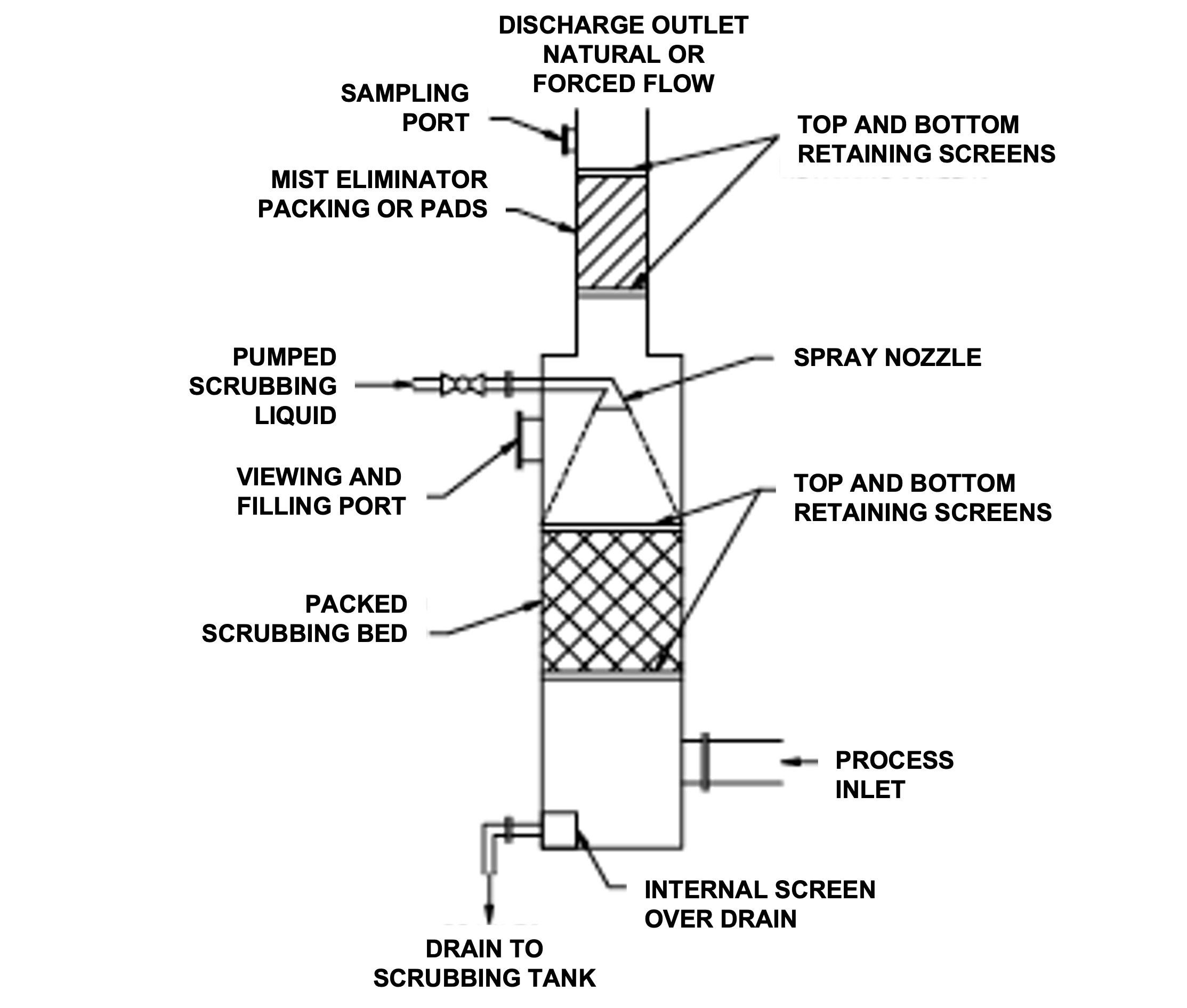
Is Your Wet Scrubbing Tower Working?
Is your scrubbing tower working? A wet scrubbing tower is used to clean odors, particles, mists, and vapors from a gas stream. The gas is forced through the tower. As it moves from inlet to outlet it is washed and cleaned. The washing is done with suitable chemicals that remove the active components in the gas flow. The gas is cleaned to environmentally acceptable levels and discharged to atmosphere.