

Condition Monitoring at Norske Skog
Halfdan Jonsson, Skogn Mill, Norske Skog
Click here to download the full pdf.
Related Articles

Online Condition Monitoring Reaps Benefits for Borealis
An important component of Borealis' strategy is that rather than using separate condition monitoring software for their online systems, they transmit the condition data from these systems to their DCS, allowing operators to see both asset condition information and process information within a single HMI (Human Machine Interface) environment. This eliminates the need for operators to learn an entirely different system and ensures that condition data and process data are available simultaneously on the process control system. This, in turn, helps ensure that asset condition receives as much attention as process condition.
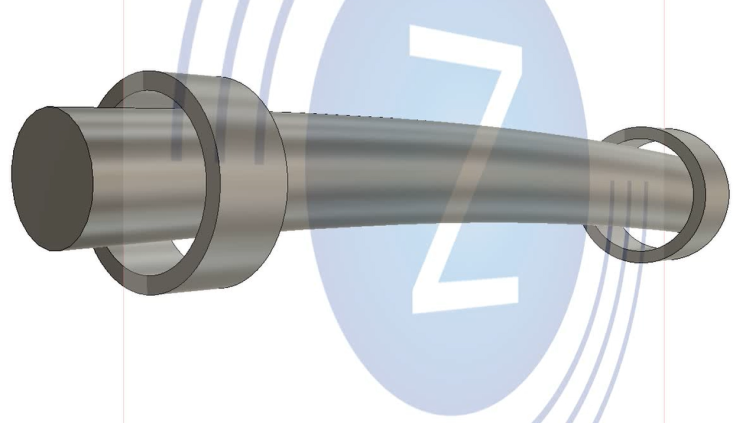
Diagnosing a Bent Shaft
Diagnosing a bent shaft with vibration analysis is easy to do, especially when you can visualize its movement using 3D animations. Vibration patterns for different faults can look similar to each other. This is why it is always best to start with the machine, consider what faults are most likely and then take data in the proper test points and axes to find the most likely faults. It can get complicated, but 3D animations make it easier to visualize what is going on.

How The Eyes (and IR camera) Can Be Misled
The IR camera is a great tool used in our everyday predictive maintenance endeavors, but it can play tricks on our eyes if we do not investigate beyond what we are observing. Things truly are not always as they seem, here's an example:

Keeping Things Moving… Capture Problems Faster With High-Speed Video Technology
Industrial Video Solutions (IVS) supplies high-speed digital video technologies to packaging, manufacturing and paper industries around the world. These systems combine the latest in GigE technology, digital video developments, efficient lighting and an intuitive, feature-rich user interface. The goal: keep that product moving!

Management Aspects on Condition Based Maintenance: The New Opportunity for Maritime Industry
The maritime industry is in many aspects using maintenance strategies from the past. Land based industry used to take influence from shipping to organise the maintenance in the 70:ties. Now industry is perusing new strategies that give better reliability and are more profitable. By focusing on reliability the indirect effects from doing the wrong maintenance can be reduced considerably. Shipping industry has from a maintenance aspect been doing the wrong things correct for many years. The opportunity is now to do the right thing correct instead.

Integrating Vibration and Wear Debris Analysis for Machine Condition Monitoring
Vibration and wear debris analyses are two key components of any successful condition-monitoring program and can be used as both predictive and proactive tools to identify active machine wear and diagnose faults occurring inside machinery. Integrating these two techniques in a machine condition-monitoring program provides greater and more reliable information, bringing significant cost benefits to industry.
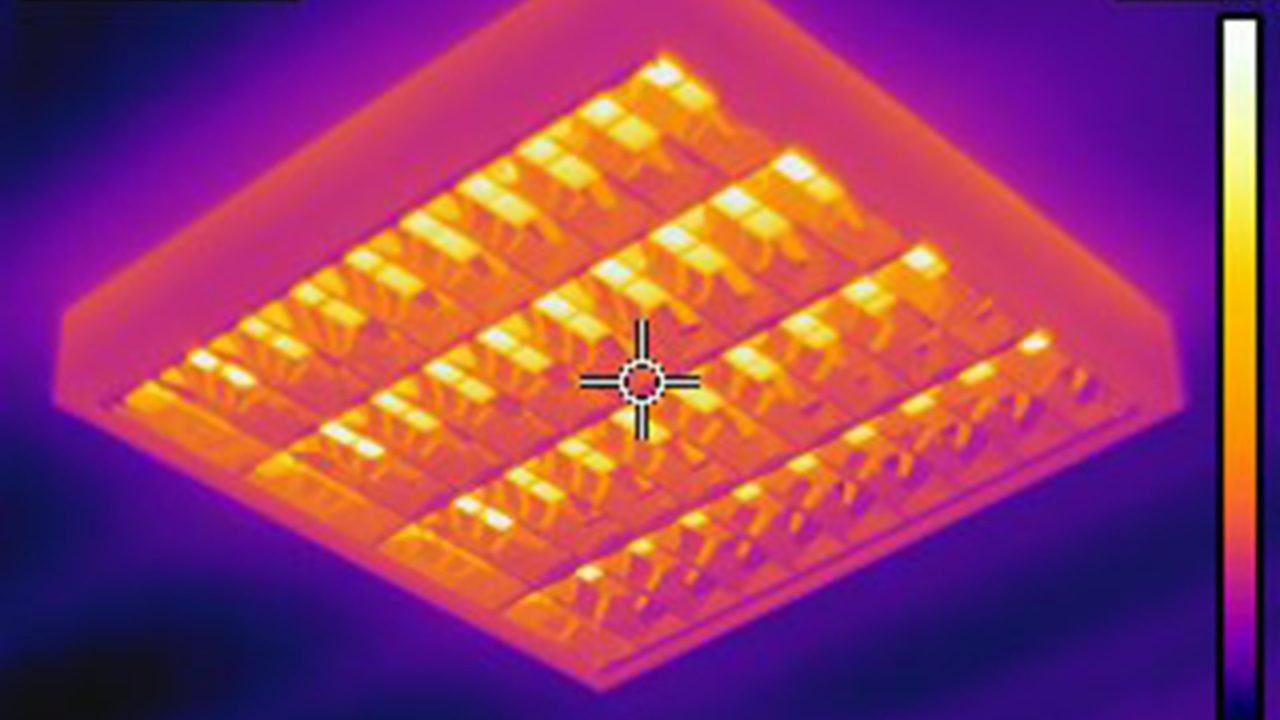
The Effectiveness Equation for Infrared Predictive Maintenance Programs
To be able to truly evaluate the effectiveness of an infrared predictive maintenance program there must be an understanding of the relationship between the equipment that is to be inspected and the problems that are found and repaired. Too often the focus is on only the infrared images that the camera produces while the solutions that the data produced from the program can provide get lost. It all boils down to a simple but fundamental law that is expressed by the equation E = IR8 which focuses on measuring the effectiveness of the overall infrared program as well as on each of the individual components that contribute to its success.