
Web Based Vibration Analysis Programs
Alan Friedman, DLI Engineering Corp.
Click here to download the full pdf.

Alan Friedman
Alan, aka the Vibe Guru, has over 30 years of vibration analysis experience, He has trained 1000’s of students around the world up to Category IV. One of the things that makes Alan a great teacher is his ability to teach people where they are at. Whether you are a math challenged millwright, an engineer or a PhD, Alan will challenge you without overwhelming you. If you are interested in condition monitoring you can also check out his book: Audit It. Improve It! Getting the Most from your Vibration Monitoring Program or hire him for an on-site program audit.

Related Articles

Internal Clearance & Its Effect on Bearing Fatigue Life
Internal clearance is critical to bearing performance for multiple reasons. The amount of clearance influences the load distribution in a bearing, which ultimately affects bearing life. It also influences bearing running noise and vibration. In addition, it can influence whether the rolling elements move in a rolling or sliding motion.

Double the Drive Life at One-Third of the Cost
Many drive systems go to an early grave after only about 10 years of operation. Reconditioning an existing drive system could enable it to operate reliably for another decade and can be achieved for just 30-40% of the cost of a new drive system. Peter Wright, Drives Products Service Manager for ABB in the UK explains how.

Vibration Pen, Shock Pulse Measurement (SPM), & Vibration Analysis - What's the Difference?
There are three major types of tools for finding bearing defects using vibration techniques. Which of the tools should you chose for inspections of bearings? The best solution is often a combination of two or three of the tools, but it depends very much on how much rotating equipment you have in your plant, the criticality of that equipment, the speed of your rotating equipment, and how perceptive your organization is to training. A short description of the three techniques follows.
The Affinity Laws for Rotary, Positive Displacement Pumps 13-6
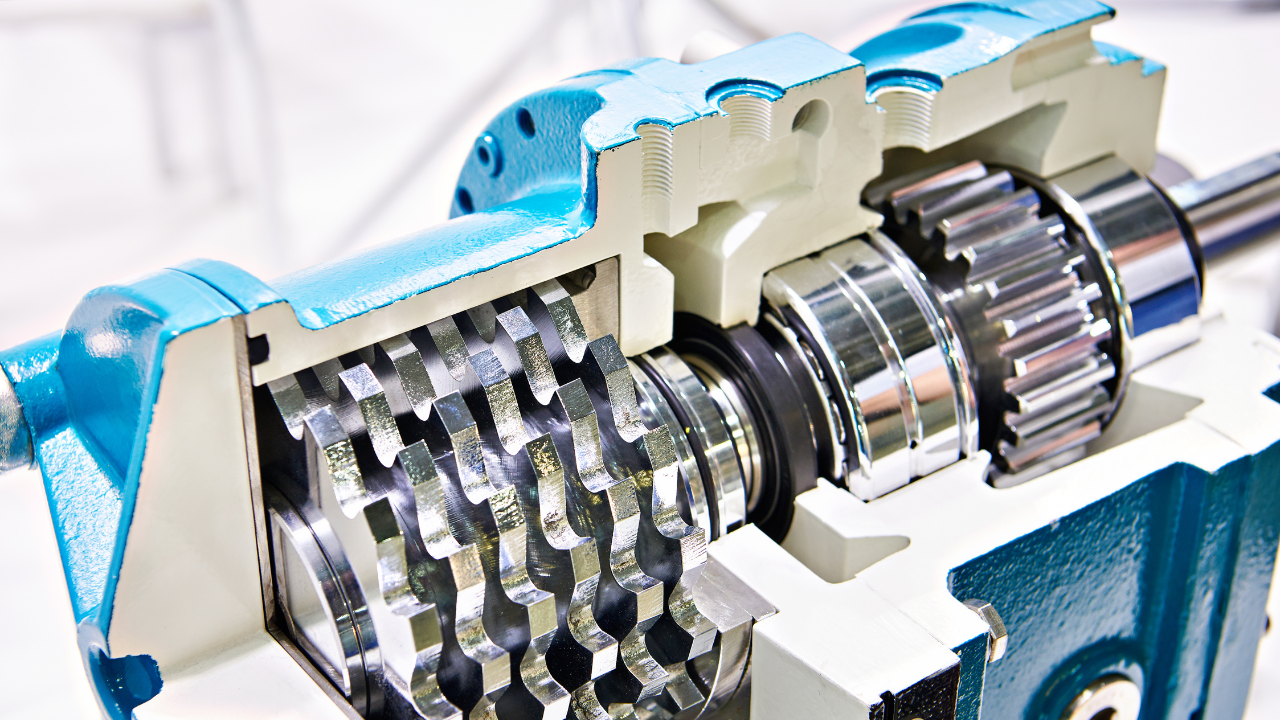
The affinity laws accurately predict the affect of changing the speed of a centrifugal or rotary pump, and they also do a fairly good job of predicting the affect of changing the diameter of a centrifugal pump. In another paper (02-01) we discussed the affinity laws as they apply to centrifugal pumps, but in this paper we will look at their use with rotary pumps.

Communications: The OEM Partnership
When maintenance is allowed to interact with the plant and production Original Equipment Manufacturer (OEM), a prosperous relationship for both parties will often ensue. This OEM partnership results in first-hand information for maintenance to set up its maintenance approach, and valuable operational and design feedback for the OEM. There are seven main circumstances in which maintenance will interact or communicate with an OEM and form an OEM partnership.
Shining a Black Light on Coating Inspections
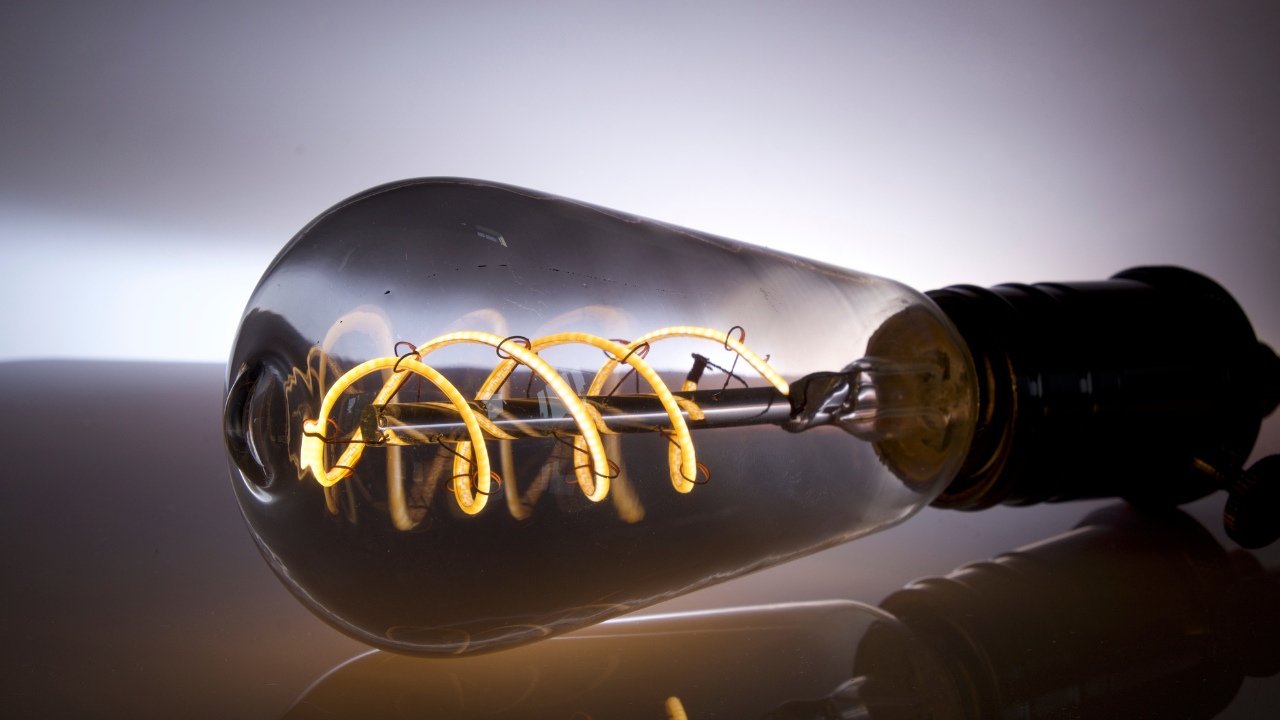
Extended service life relies on scheduled black-light monitoring to determine areas of premature coating wear. The timetable depends on the type of coating and its service environment. If low-intensity fluorescence is detected during black-light inspections, maintenance can be delayed. If high-intensity fluorescence is found, complete coating failure is imminent, and repairs should be performed as soon as possible.

MEMS Accelerometer Performance Comes of Age
In the June/July 2016 Uptime article, "Condition Monitoring and MEMS Accelerometers: What You Need to Know," several attributes of microelectromechanical system (MEMS) accelerometers were presented that make the technology compelling for condition monitoring applications. This article reviews data demonstrating the state of MEMS technology development and performance levels by comparing it to a commercially available piezoelectric (PZT) condition monitoring accelerometer.