
Dynamic Movement White Paper
Vibralign
Click here to download the full pdf.
Related Articles
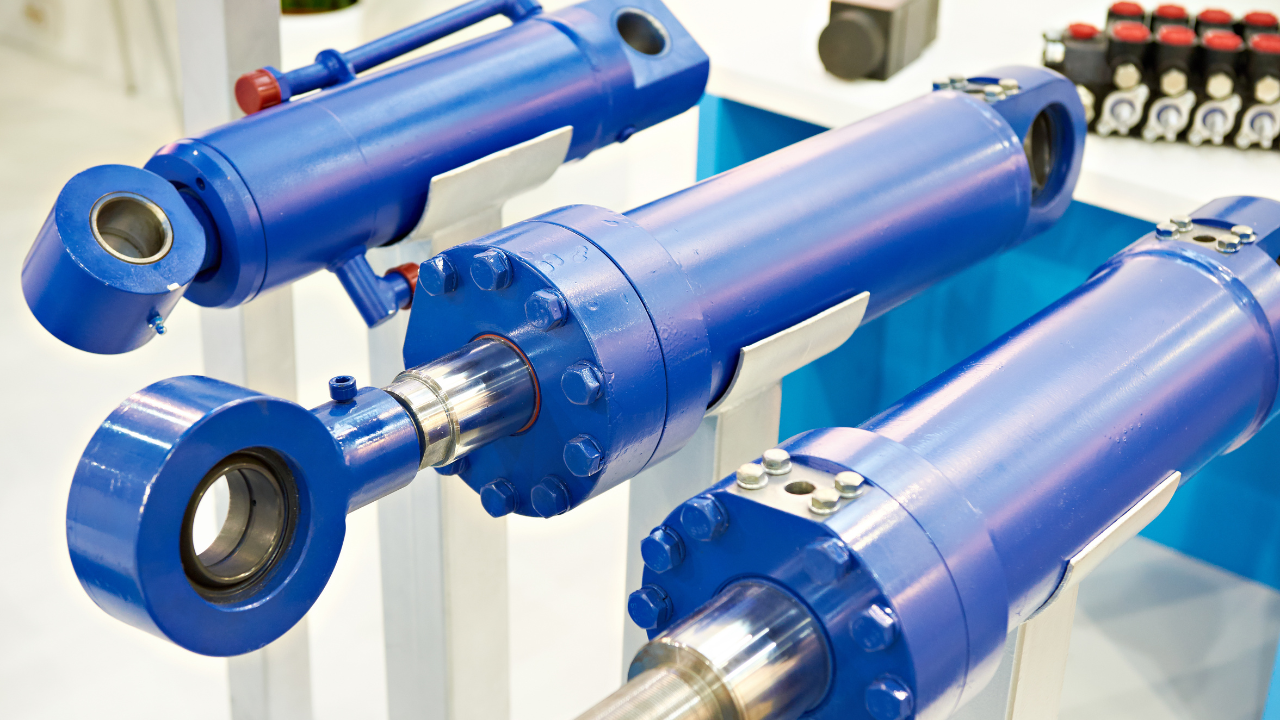
Understanding the 'Diesel Effect' and How it Damages Hydraulic Cylinders
I was recently engaged by a client to conduct failure analysis on a large (and expensive) double-acting cylinder off a hydraulic excavator. This cylinder had been changed-out due to leaking rod seals after achieving only half of its expected service life. Inspection revealed that apart from the rod seals, which had failed as a result of the 'diesel effect', the other parts of the cylinder were in serviceable condition. The diesel effect occurs in a hydraulic cylinder when air is drawn past the rod seals, mixes with the hydraulic fluid and explodes when pressurized.

How to Read Centrifugal Pump Curves
Don’t run centrifugal pumps on the end of the curve. Pumps are designed and selected to operate near their highest efficiency point. If they operate at the right-hand end of the centrifugal pump curve the likelihood of cavitation increases.

Guided Growth: Mentoring Humans and Humanoids in Complex Systems
Every newcomer starts small—even humanoids. The real question is whether we design the journey that helps them grow beyond this small starting point.
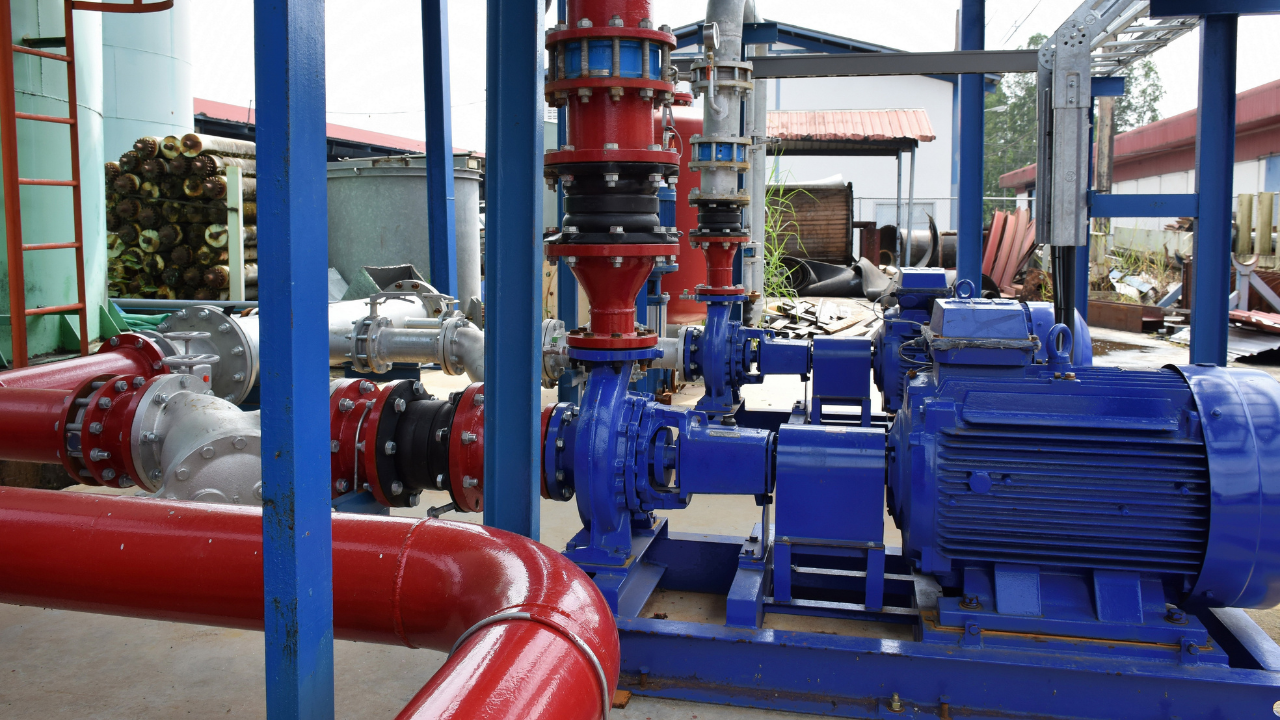
Test for Pumping System Efficiency
A pump’s efficiency can degrade as much as 10% to 25% before it is replaced, according to a study of industrial facilities commissioned by the U.S. Department of Energy (DOE), and efficiencies of 50% to 60% or lower are quite common. However, because these inefficiencies are not readily apparent, opportunities to save energy by repairing or replacing components and optimizing systems are often overlooked.
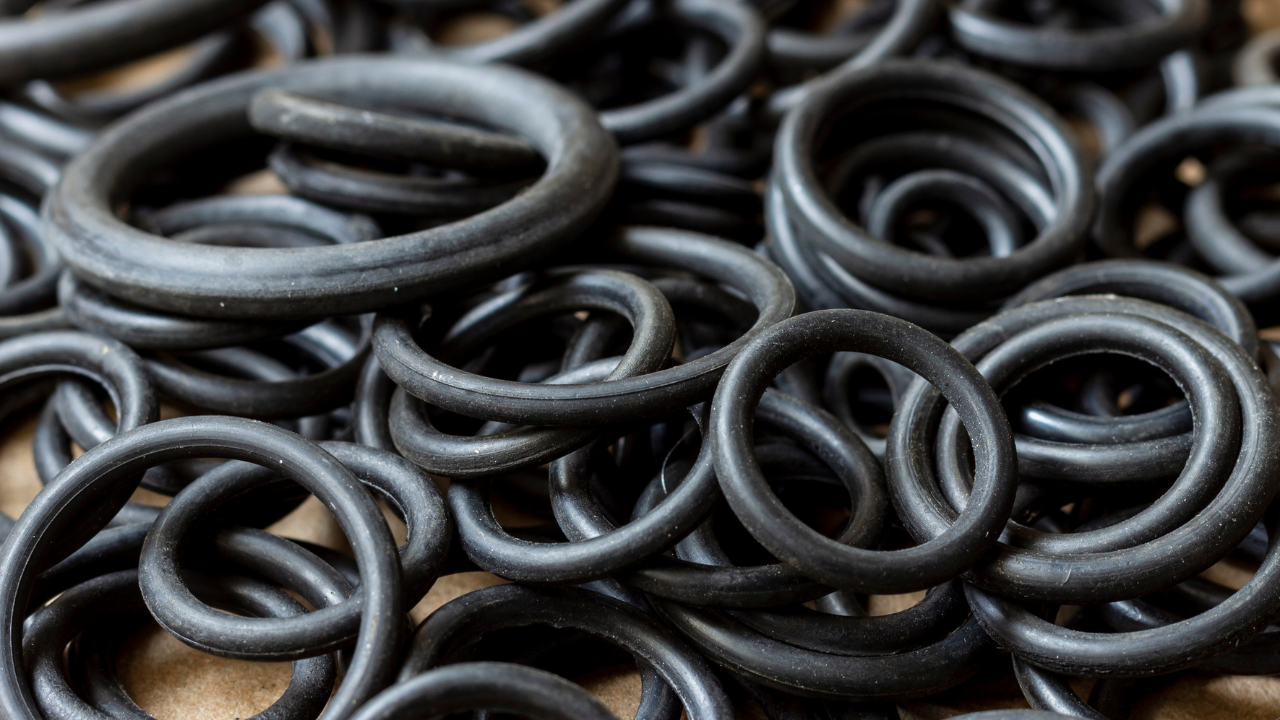
Who Should Recondition My Seals?
Such a question often comes up when it is time to recondition a mechanical seal: We use several different brands of mechanical seals in my plant. When a pump is taken out of service, we usually send the seal back to the original seal manufacturer for reconditioning. One of my suppliers has offered to recondition all of my seals, regardless of brand. Is this a good idea? Most process plant maintenance departments return their used mechanical seals to the original seal manufacturer (or Seal OEM) for reconditioning.
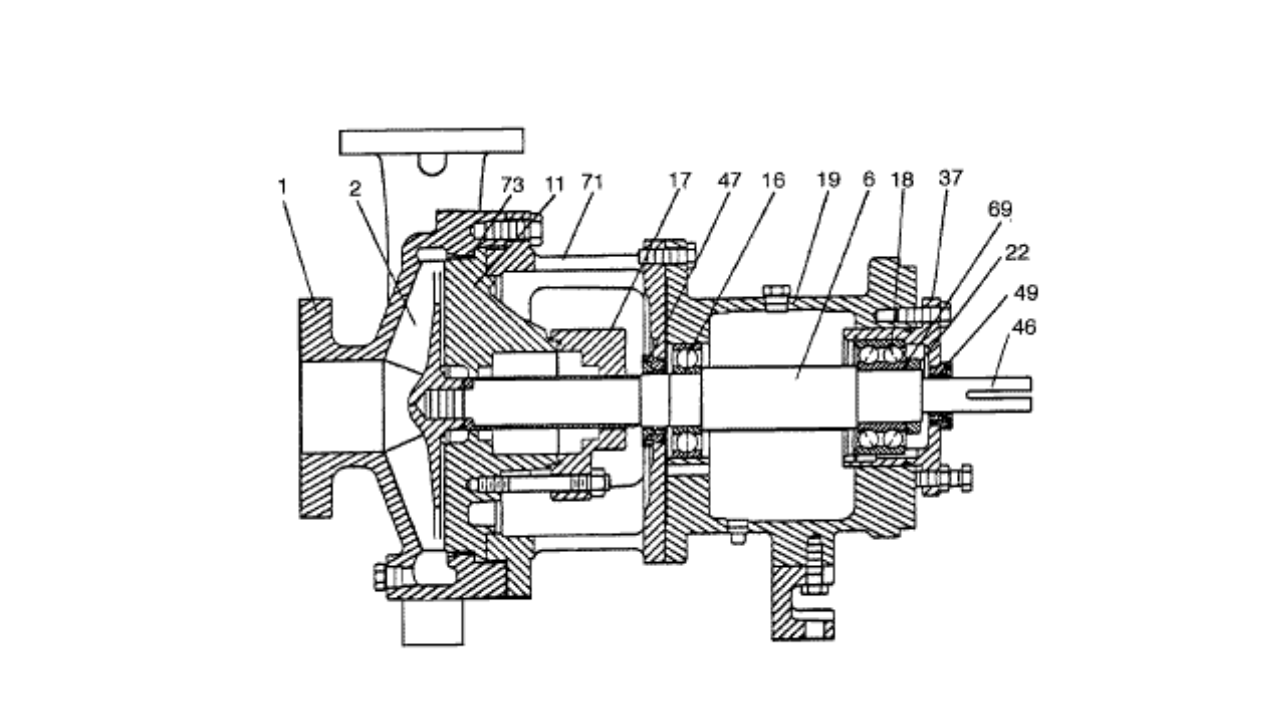
What is Wrong with the Modern Centrifugal Pump?
Ask for a modern centrifugal pump recommendation from your favorite supplier and chances are he will recommend one of the standard pump designs that conform to either the A.N.S.I., I.S.O. or D.I.N. specifications. On the surface that might seem like a good recommendation, but the fact is that all of these designs will cause you maintenance problems. Refer to the illustration prior to diving into the details of the obvious problems found within these designs.
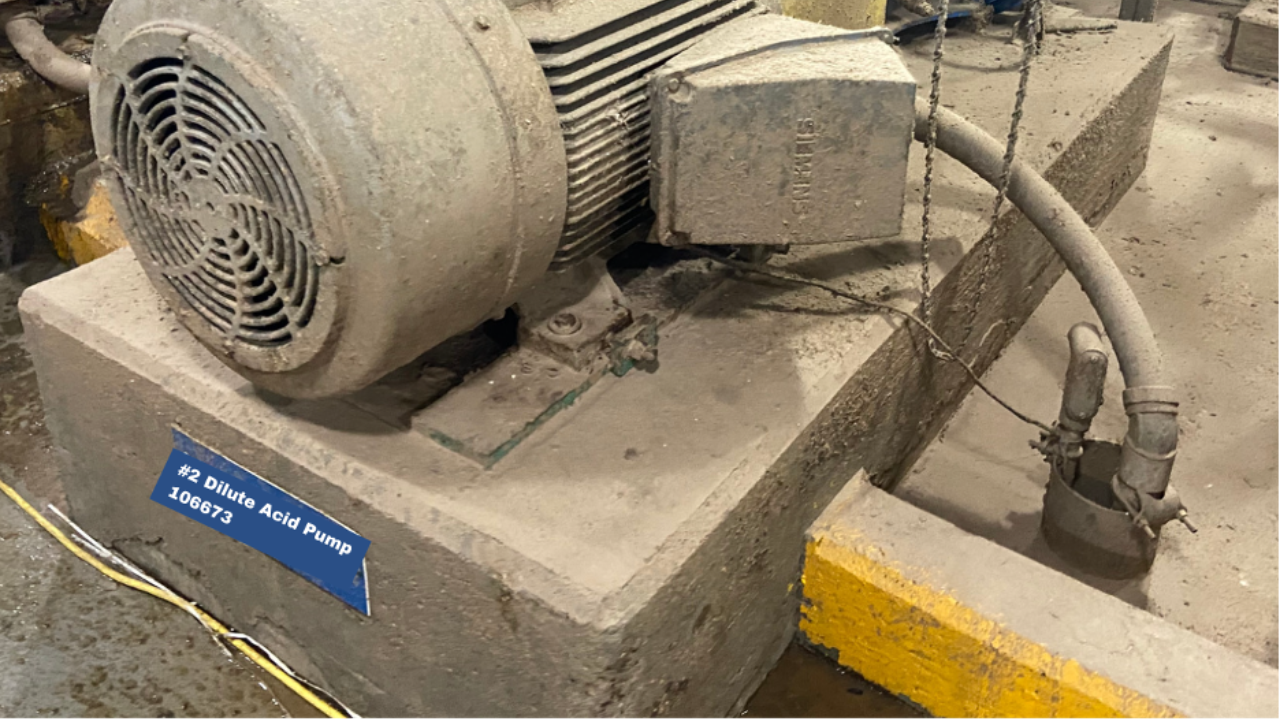
How to Label and Number Equipment for Easy Identification
Clear labeling of equipment numbers in the field is a quick way to improve many aspects of your work management processes. Some benefits of field labeling equipment include: better work identification, less risk of lockout/tagout mistakes, faster troubleshooting of process upsets, and more efficient preventative maintenance routes.