

Maintenance Cost and Reliability
Tor Idhammar, CEO & President, IDCON INC
Which costs are we interested in? Which cost is it that we’re really focused on targeting? That we’re saying as a team here. We’re doing a business case now. Which costs can we drive down through reliability? “All of them.” Agreed. Long term. Which one is most important? Is the total cost important? I mean the total cost number…fifteen million? If that’s our total cost it’s pretty irrelevant…right? It depends on how many units. If I make one unit, it I make one ton and one square foot in the total cost is really irrelevant. Which cost is most important here? Which one do you want to target? Is the maintenance costs interesting? You hear that a lot from your managers.
Related Articles

All Win - A Maintenance Partnership in Three Pulp Mills: Reasons, Results and Lessons
Virtually everyone has heard of and will express an opinion on outsourcing. There are clear global trends toward outsourcing and most are experiencing the joys in one form or another. In the maintenance world outsourcing extends from specialized services, contract labor and consigned spare parts all the way to a full, shared risk-reward, incentive-based partnership. There are many benefits in favor of outsourcing, but even with these benefits why would an operating company elect to form a maintenance partnership? What factors must be considered? What concerns? Most important - what are the results achieved and lessons learned after a full year of actual operation?
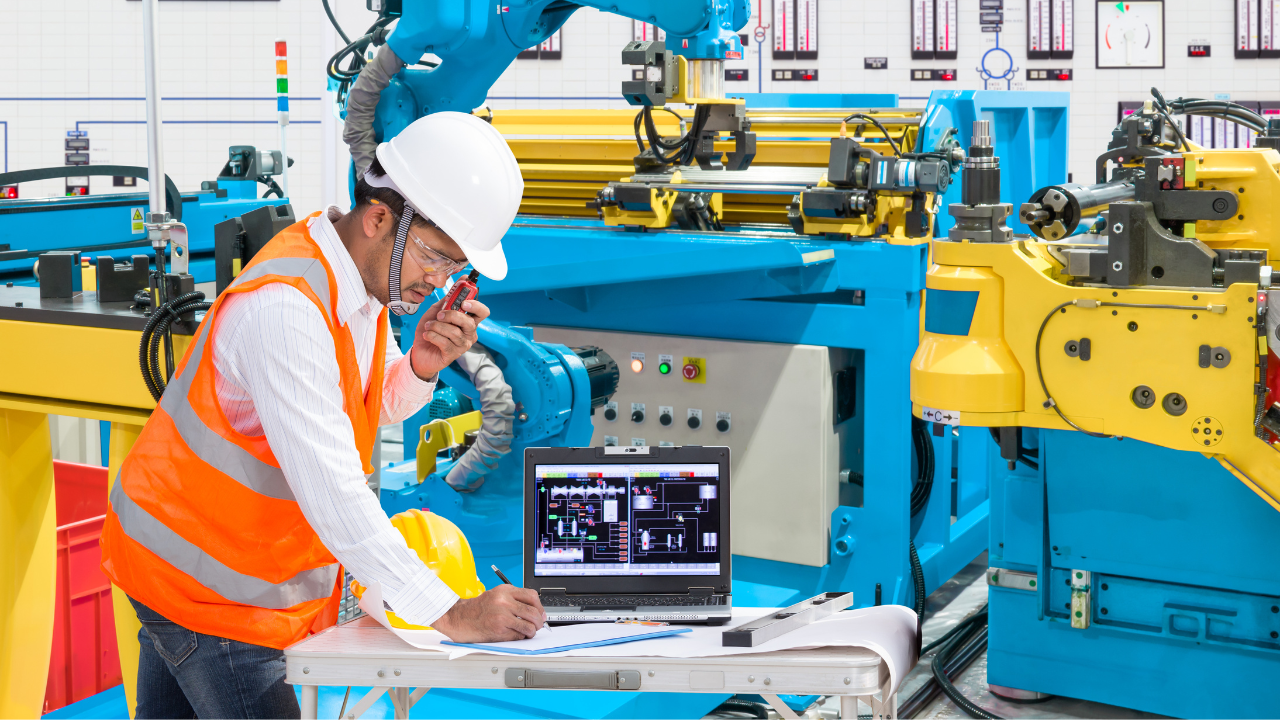
What is Plant Maintenance?
What you are doing vs. what you should be doing can often be different things. If you think that your efforts are only to increase uptime (or decrease downtime) then you are not seeing the entire picture. Yes, uptime and maintenance budgets are important, as are the needs of the Operations teams, but in the end, it’s the association your efforts have with the corporate goals that should be the driver.

Job Interviews: The 4 Levels of Fit
NOT LONG AGO I was talking to a recruiter about a placement she was working on. It was tough going. Her client had emphasized that he wanted someone who “really fit in.” But when asked how he’d measure this, he said “I’ll know it when I see it.”

Highly Effective Maintenance Training is to “Know Why”
I have especially seen the need for “know WHY” training when companies start including operators in inspections and other maintenance work. Often, we do the training for operators, but suggest that maintenance craftspeople attend so they can become the future instructors. It is very common that the craftspeople themselves then discover that they also need “know WHY” training!

Some Dangers of Batch Processes
"At the end of every batch, my pump wants to go home!" These were the words said to me in halting English by a maintenance manager of a major brewery in Manilla during one of my trips to the beautiful Philippines. Although I was accompanied by a translator, the manager insisted on trying out his limited English. As we were obviously having some kind of communication breakdown, I asked the translator to verify the comment. Sure enough, back it came, accompanied by a big grin and lots of head nodding. "At the end of every batch, my pump wants to go home." Obviously, this was a pump I just had to see!
TPM Concept and Implementation Approach
Total Productive Maintenance (TPM) is a maintenance program which involves a newly defined concept for maintaining plants and equipment. This paper will define TPM history, benefits, strengths as a maintenance philosophy, its implementation approach, difficulties in its implementation and cost of implementing TPM. TPM is to Maintenance as Total Quality is to Production The goal of the TPM program is to markedly increase production while, at the same time, increasing employee morale and job satisfaction.
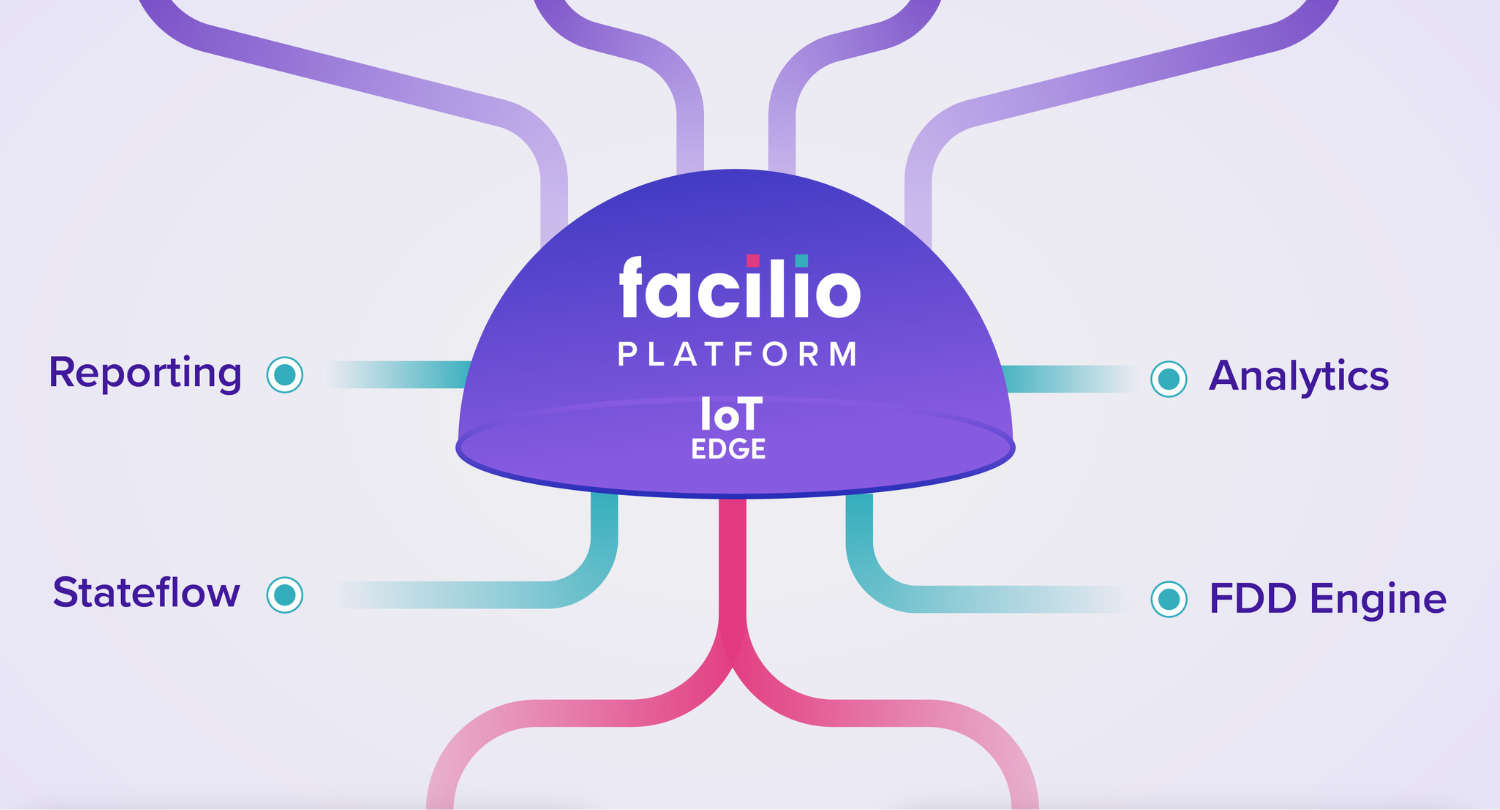
How a Platform Approach Can Transform Your Building Operations
The perfect solution for the problems with present-day CMMS is a platform approach. A CMMS built using a platform approach works like a quiver full of business capabilities, integrated to form a valuable whole. It works as follows.