

The Latent Causes of Industrial Failure
C. Robert Nelms
Click here to download the full pdf.

C. Robert Nelms
C. Robert Nelms is the Founder of Failsafe Network, Inc. He received his aerospace engineering degree from Texas A&M in 1969.
Related Articles

Are We Willing to Hear What “Failure” Has to Say?
Root Cause Analysis has the potential of CHANGING people, IF the leader of the investigation knows of this potential. Far from “just another problem-solving exercise,”the root cause analysis should SLOW PEOPLE DOWN to the extent that they can see the truth of the incident under inquiry, WHATEVER THE TRUTH MIGHT BE. This paper focuses on two parts of our human nature which are large obstacles to root cause discovery, i.e., our unwillingness to slow down, and our unwillingness to let go of certain basic assumptions about life. Warning: This paper is designed to challenge the way you think about Root Cause Analysis.
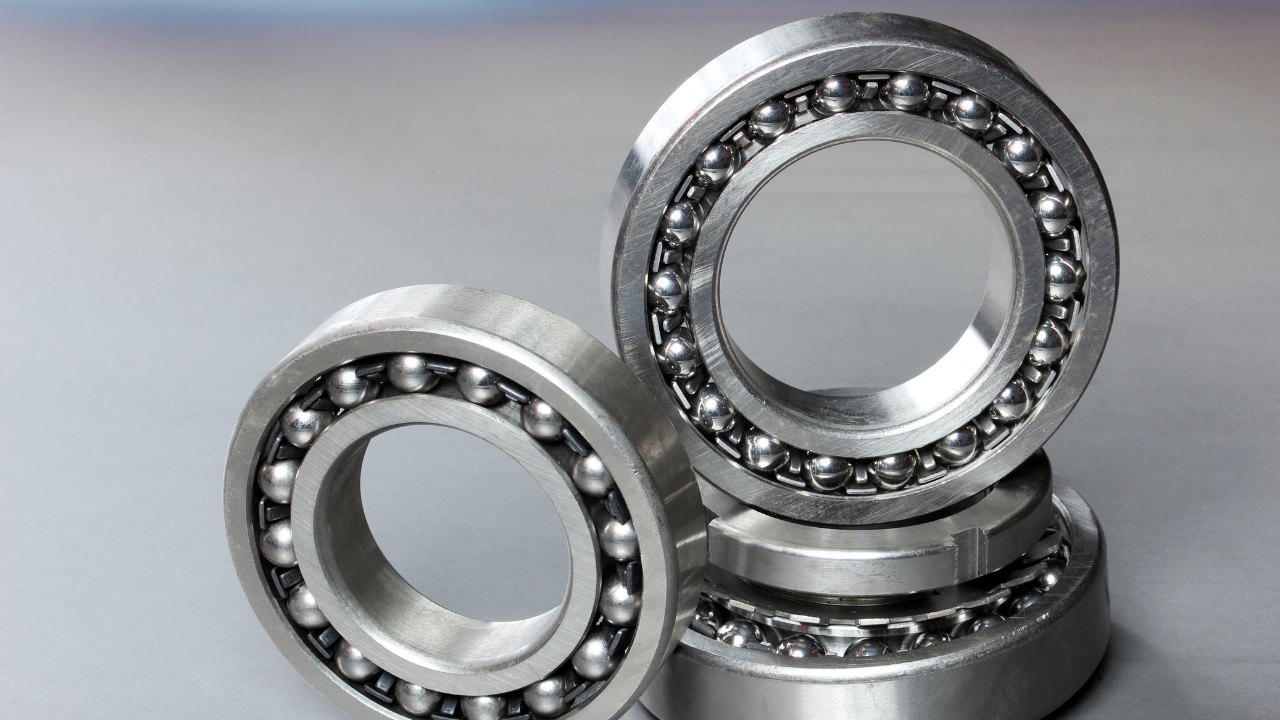
RCFA of Bearing Failure
When a bearing in a critical piece of equipment fails prematurely, a maintenance specialist knows the failure usually indicates there is more here than meets the eye. What the untutored eye sees is a failed bearing and little more. However, a premature bearing failure is symptomatic of other problems that, if left untreated, will cause the same kind of failure to occur again.
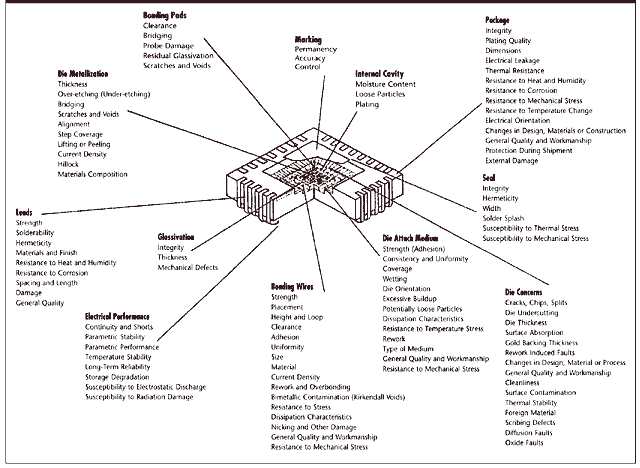
Analyzing Semiconductor Failure
Semiconductor devices are almost always part of a larger, more complex piece of electronic equipment. These devices operate in concert with other circuit elements and are subject to system, subsystem and environmental influences. When equipment fails in the field or on the shop floor, technicians usually begin their evaluations with the unit's smallest, most easily replaceable module or subsystem. The subsystem is then sent to a lab, where technicians troubleshoot the problem to an individual component, which is then removed--often with less-than-controlled thermal, mechanical and electrical stresses--and submitted to a laboratory for analysis. Although this isn't the optimal failure analysis path, it is generally what actually happens.

Case Study: Root Cause on Seal Failure in Refinery
Many different factors contribute towards the failure of a pump. Some factors that did not seem to have contributed to earlier failures were not examined or considered and may become the cause of failure under other situations. Failures do not occur suddenly. Usually there are many symptoms, which signal a failure situation and are generally termed as potential failure modes. The ignorance of such symptoms almost always leads to failure. Below are two case studies pertaining to mechanical seal systems, a vital component of pumps operating in running process plant.

Implement a Cost Effective Root Cause Problem Elimination (RCPE) Process
The business process is most commonly named Root Cause Failure Analysis (RCFA) or root cause analysis. The name itself implies the largest and most expensive problem when implementing problem solving in an organization. The results wanted from the process are to eliminate the problem, not to analyze the failure. To convey the desired result to the organization, the name should therefore be changed to Root Cause Problem Elimination (RCPE).

Root Cause Analysis Chronic Events: Panning For Gold
What we need to do today is make management aware through education and awareness that our cultures live with these chronic events that typically end up costing 100 times more than the occasional sporadic event. Unfortunately, the sporadic events get all the attention. When our cultures are enlightened, we will begin to enjoy the fruits of our efforts in the form of return on investment (ROI) figures as high as 7000-8000 percent. Then the believers will come.
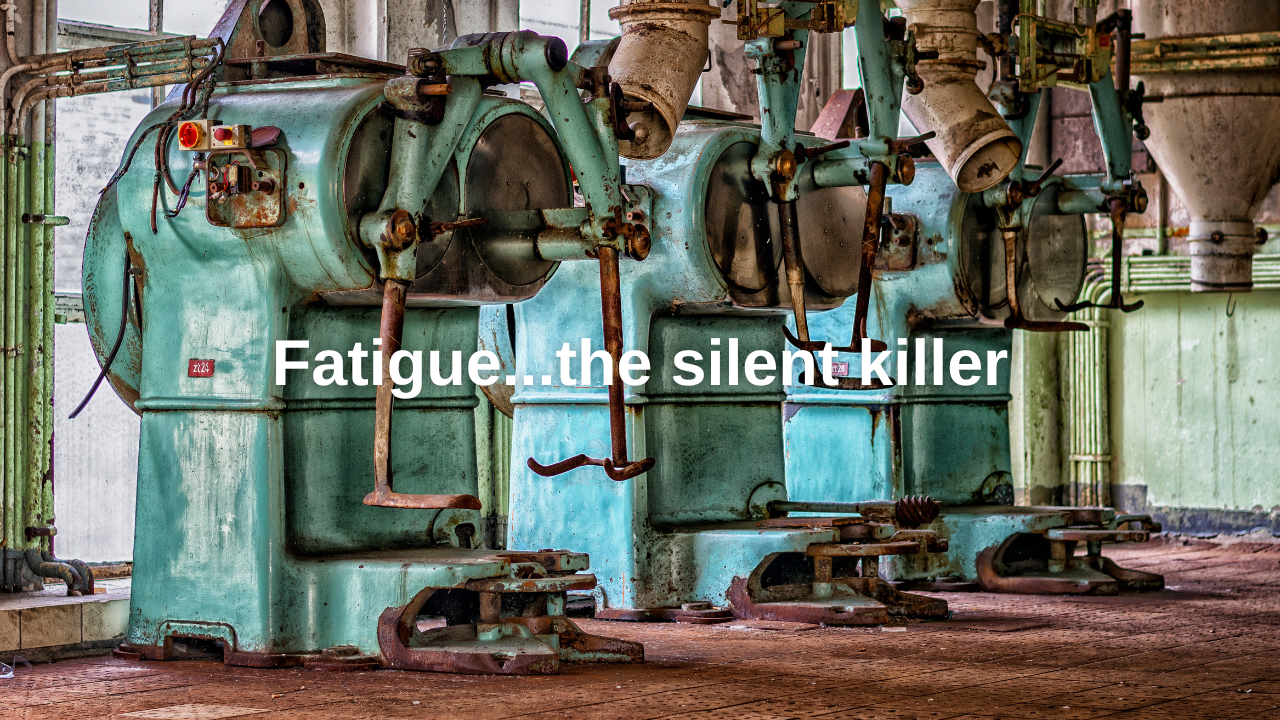
The Keys to Solving Fatigue: The Silent Killer
Fatigue is a failure mode that every manufacturing plant will experience at some point and can become chronic if not solved. While understanding fatigue has advanced since its inception in the early 1800s, there are still some misunderstandings in manufacturing in solving these failures. A characteristic of fatigue failures is stress, which is typically below the yield strength of the material. This is what makes fatigue a silent killer.