
Maintaining a Strong Performance in the Mill
Torbjörn Idhammar, IDCON INC
High investment costs mean that it is the interests of paper makers to look after their equipment. After all, prevention is better than cure.
In today’s highly competitive market, mills cannot afford to be let down by their machines, so maintenance procedures are a crucial element in any company’s performance strategy. In a bid to improve reliability and performance, mills can chose one of two ways to carry out their maintenance tasks, both of which lead to higher production throughput and lower costs. Continue reading →
Related Articles
Preventive Maintenance for Wintertime Heating
Even with consistent Preventive Maintenance for wintertime heating, any heating device can eventually take on wear and tear that requires repair or replacement. Industrial maintenance teams can stay ahead of it by remaining vigilant for common warning signs, allowing them to intervene before their building faces a major disruption.
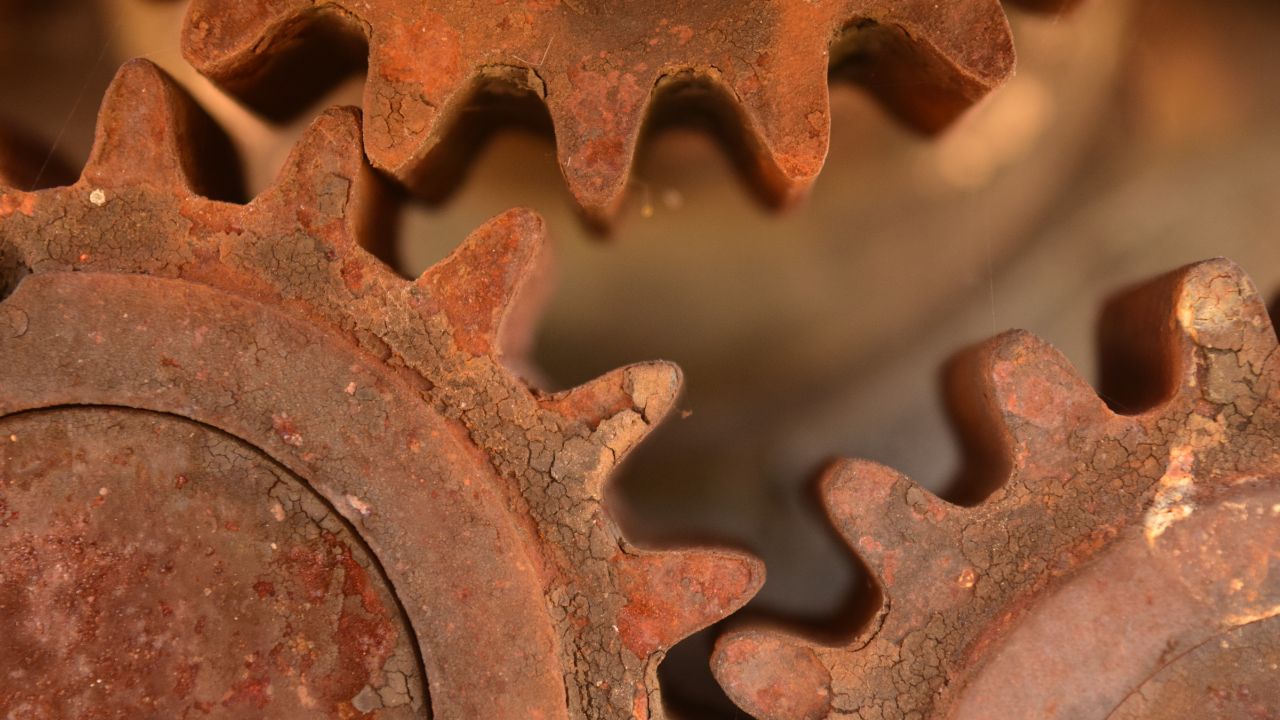
Coating Care: Erosion vs. Corrosion
Recoating based on visible rust is a form of reactive maintenance, when coating failure and rust formation are the reason for repairs or replacements. Erosion is a far more effective reason for recoating. Maintenance based on erosion is a form of preventive maintenance where repairs are performed to prevent a more serious future failure.
Train Your Maintenance Team To Fix Things Before They Fail
Often overlooked is the opportunity to invest more in preventive maintenance training, ensuring maintenance team members are well-equipped to recognize potential issues and to fix equipment before it requires a more significant intervention.

Metal Corrosion Basics
This article explains metal corrosion basics - the process including the basic chemistry of how metal loss occurs. Methods to control corrosion are also listed and explained. Metal corrosion is a chemical reaction between a metal surface and its environment. Corrosion can occur in a gaseous (dry) environment or a damp (wet) environment. It is the result of an electrical process in which electrons are exchanged between the corroding metal atoms and the acceptor element atoms. Corrosion control involves stopping or minimising the loss of electrons between the components involved in the process.
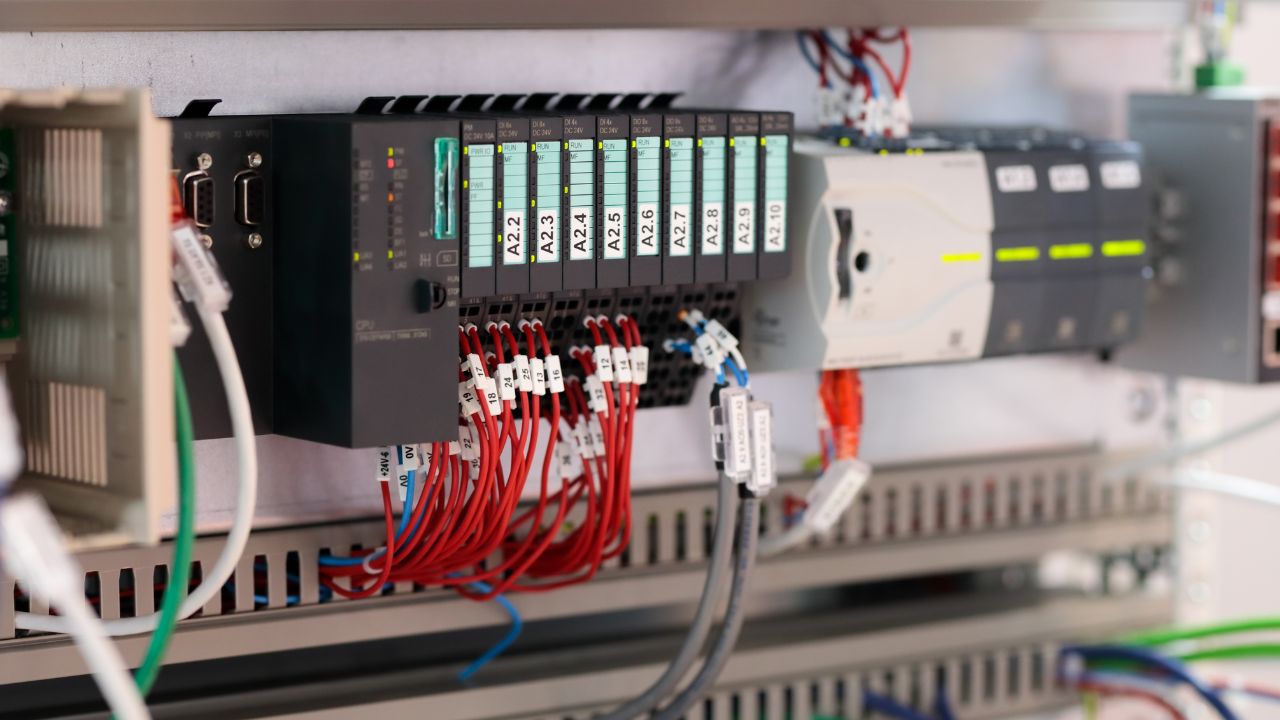

You Want to See Through Walls?
In most buildings, critical pipes carrying water and natural gas; cables carrying data and electricity; ventilation pipes carrying cool or warm air, are all typically hidden behind walls, out of sight. The facilities team needs to see them. They need to know where everything is and what each pipe connects to so that they can always maintain and ensure the proper functioning of these conduits. So how does one see through walls?