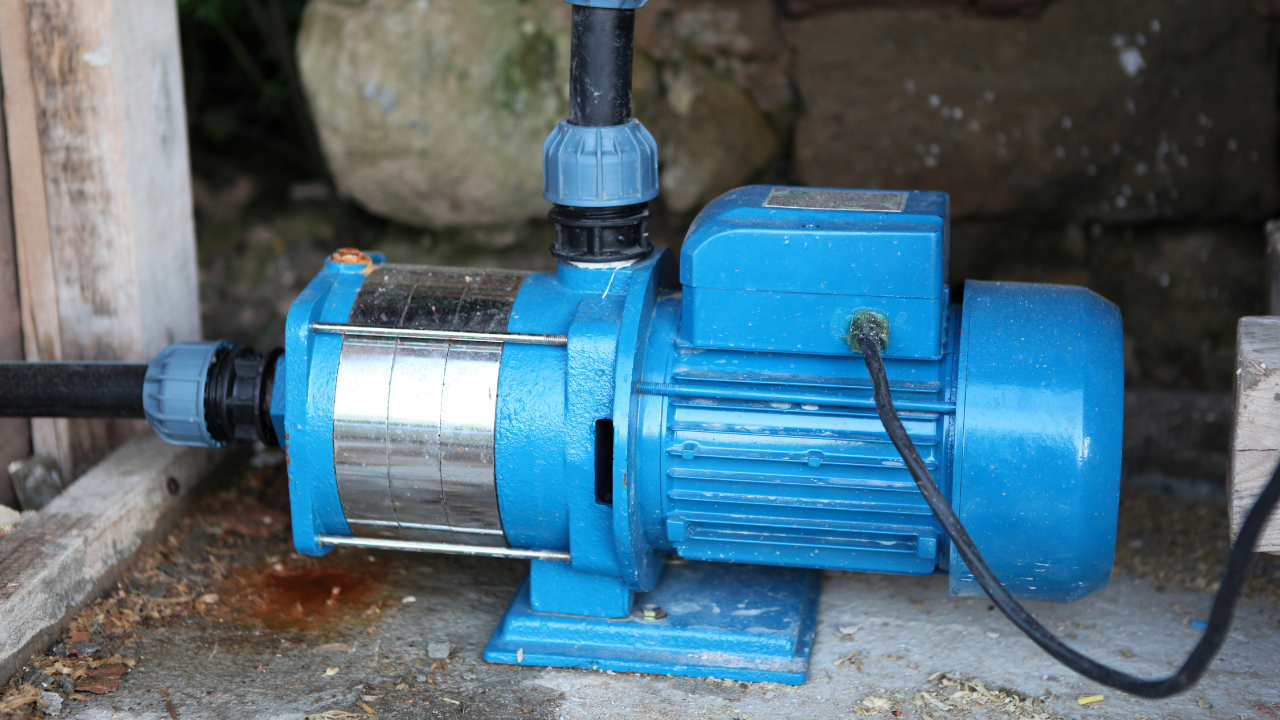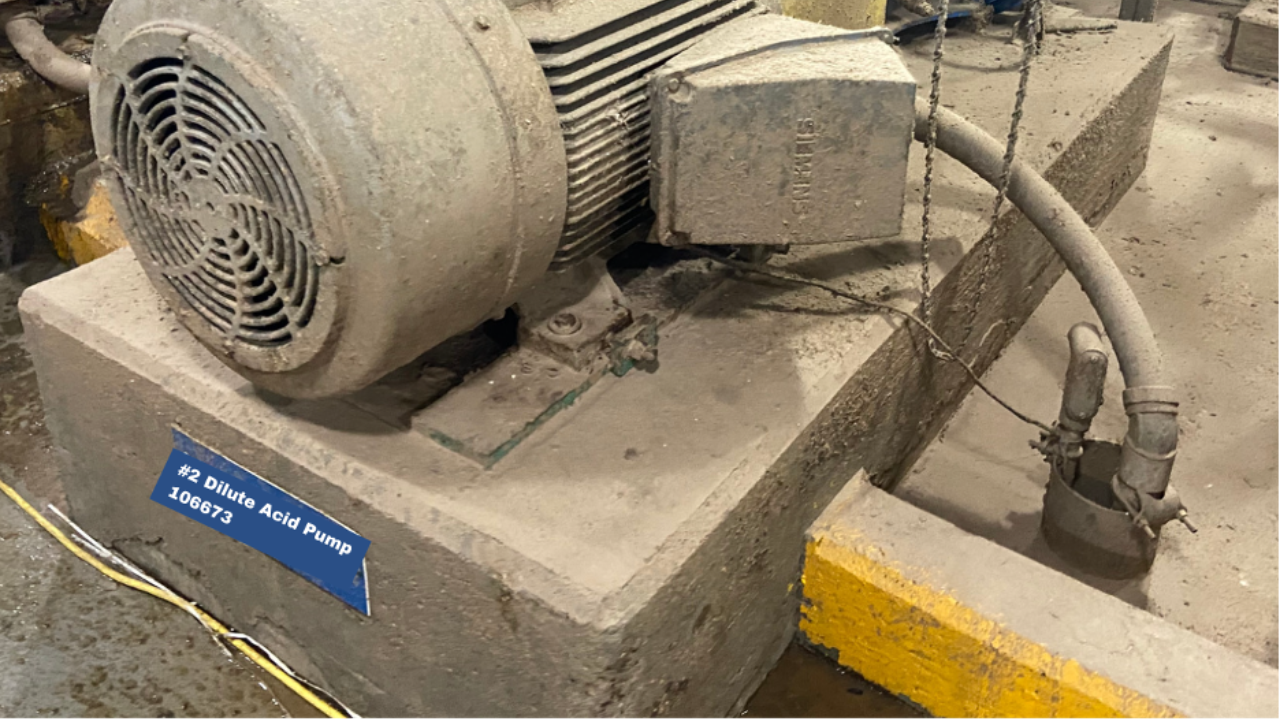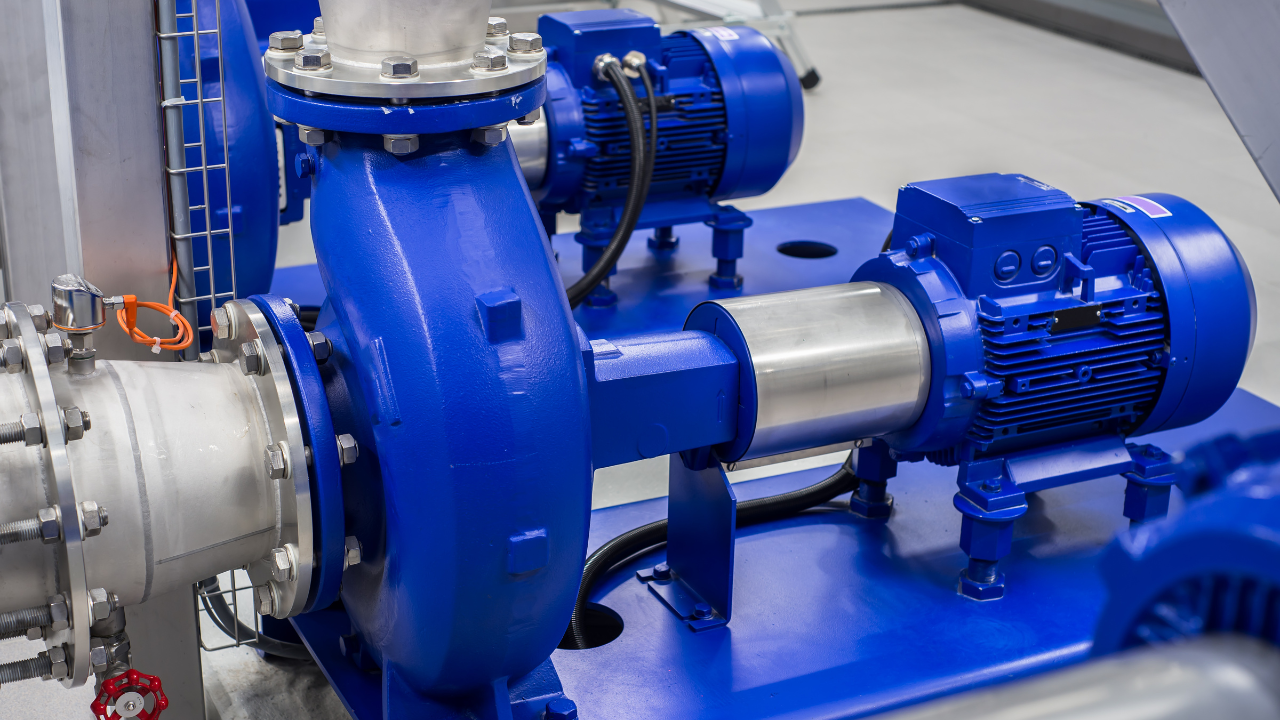

My wife often asks me why I still do consulting work. She wonders why I happily leave the comfort of my office to crawl all over hot, dirty, smelly hydraulic equipment.
For starters, I actually enjoy it. Secondly, it keeps me sharp. But perhaps most importantly, it keeps me in touch with the issues that hydraulic equipment users must grapple with.
One of the lessons I’ve learned over the years is that in the early stages of a consulting assignment, it is better to ask good questions rather than dispense good advice.
Pump Failures
A recent client had a series of catastrophic pump failures. These pumps were achieving less than half their expected service life. So naturally, the company wanted some answers. At our first meeting, the client opened proceedings with a brief history of the machine and an account of the events leading up to the failures. He then pushed a stack of oil analysis reports across the table.
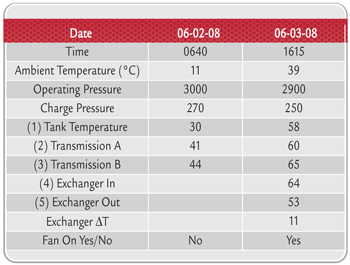
Table 1. System Readings
Ask the Basic Questions
After taking notes on what I’d just been told, I fired off my first question: “What is the system’s normal operating temperature?” The response was stunned silence. Client shrugs his shoulders.
“OK, what is the system’s usual operating pressure range?” Blank look from client. “I don’t know; we don’t monitor either of those things.”
At the end of this meeting, we walked through the control room. Both the operating pressure and temperature were displayed on the default PLC screen – albeit along with a lot of seemingly more important production information. Say no more.
But could you answer these two basic questions about the vital signs of your hydraulic equipment? If not, I strongly recommend you make the effort to get to know your hydraulic equipment better.
Gathering Information
This information is easy to collect. It can give valuable insight to the health of your hydraulic equipment and is essential data if failure analysis is required. Here is how I recommend you accomplish this task:
First, you need an infrared thermometer, also called a heat gun. If you don’t have one, you’ll need to invest around 100 bucks to get one and then familiarize yourself on how to use it.
Next, using a permanent marker or paint stick, draw a small target on the hydraulic tank below minimum oil level and away from the cooler return. Label it 1. This marks the spot where you’ll take your tank oil temperature readings.
By the way, the purpose of these targets is that regardless of who takes the temperature readings, they’ll be taken from the same place each time.
If the system is a closed-circuit hydrostatic transmission, mark a convenient location on each leg of the transmission loop and number those locations as 2 and 3. Skip this step for open-circuit hydraulic systems.
Next, mark a target on the heat exchanger inlet and outlet and number these 4 and 5, respectively. This records the temperature drop across the cooler. The benefit of this step is that if the oil flow rate through the exchanger and the temperature drop across it are known, the actual heat rejection of the exchanger can be calculated.
And if the system is overheating, knowing the actual heat rejection of the exchanger can help determine whether the problem is the result of an increase in heat load (due to an increase in internal leakage, for example) or whether the problem lies in the cooling circuit itself.
For example, if a hydraulic system with an input power of 100 kilowatts is overheating, and the actual heat rejection of the exchanger is 30 kilowatts, then the efficiency of the system has fallen below 70 percent. Therefore, an increase in heat load is the likely cause. On the other hand, if the exchanger is rejecting only 10 kilowatts of heat (which in this example equates to 10 percent of input power), then it’s likely there is a problem in the cooling circuit or there is insufficient installed cooling capacity.
Install a pressure gauge or transducer to record operating pressure if one is not already available. If the system is a closed-circuit hydrostatic transmission, install a similar device to record charge pressure.
With that accomplished, now draw up a table like Table 1 to record the date, time, ambient temperature, operating temperatures and operating pressure(s). Note that there is little point in recording the temperature across the heat exchanger if the fan or water pump isn’t running. And, charge pressure is relevant only to closed-circuit hydrostatic transmissions. In terms of compiling this data, it’s a good idea to take readings on the hottest and coldest days of the year, and on a couple of average-temperature days in between. This provides a baseline of information. Beyond that, taking readings at regular intervals – each day or shift, for example – can provide early warning of impending problems. And if the system starts to give trouble, taking a set of readings will reveal if the machine is operating outside its normal parameters.
Brendan Casey has more than 19 years experience in the maintenance, repair and overhaul of mobile and industrial hydraulic equipment
Grease – use the right one for the job. The classification, selection, and application of greases is included in this article. Greases are designed for specific applications and if used in the wrong service they will not be effective. Compare the properties of greases and check those used in your equipment are suited to the service.
It's important to find out if material flows are present or not throughout a bulk-processing facility; material cost savings and increased plant efficiency can offset an investment in monitoring. Most bulk solids processors can do this using low-cost acoustic emission-monitoring technology.
Selecting the right pump can pose a significant challenge due to the extensive array of options available for different applications. Each type of pump comes with distinct advantages and disadvantages that necessitate careful evaluation. In this article, we provide a comprehensive overview of prevalent pumping technologies and delve into the limitations associated with pump selection per applications.
Part one of a four-part series that will cover alignment fundamentals and thermal growth, and highlight the importance of field measurements through two case studies. Despite the best efforts to precisely align rotating machinery shafts, dynamic movement (commonly believed to be due to the thermal growth of the machine casings) has resulted in machines operating at less than optimum alignment conditions. This vexing problem has plagued machine reliability professionals for decades.
Nowadays most everyone has a powerful computer in their pocket, their phone. Many of us are using them in maintaining our plants. Whether you are neutral or a devotee of the iPhone or Android devices, I think it’s safe to say we have only just scratched the surface of possibilities for using our smartphones to maintain our plants. Just think about how good it is to always have a great camera in your pocket with pictures viewable instantly. Does anybody remember the hassle of film? Waiting days to find out if an image was captured and how well it looked.
It is very difficult to calculate and predict the speed of an air cylinder; there are too many variables which influence speed and on which it is difficult to gather accurate data. We must rely mainly on good design practices and use the benefit of past experience. It is better to have the cylinder speed too fast to begin with because it can always be reduced with a speed control valve, but if it is too slow to begin with, it is more difficult to increase its speed later.
What do we mean by good bearing life? Most of us change the bearings every time we disassemble the equipment to replace the mechanical seal or the packing sleeve. Is this really a sensible thing to do? If you think about it for a minute there is nothing in a bearing to wear out, there are no sacrificial parts.