

Machine Alignment: Alignment Pitfalls – How to Identify and Eliminate Them
Robert D. Skeirik
Click here to download the full pdf.
Robert D. Skeirik
Related Articles
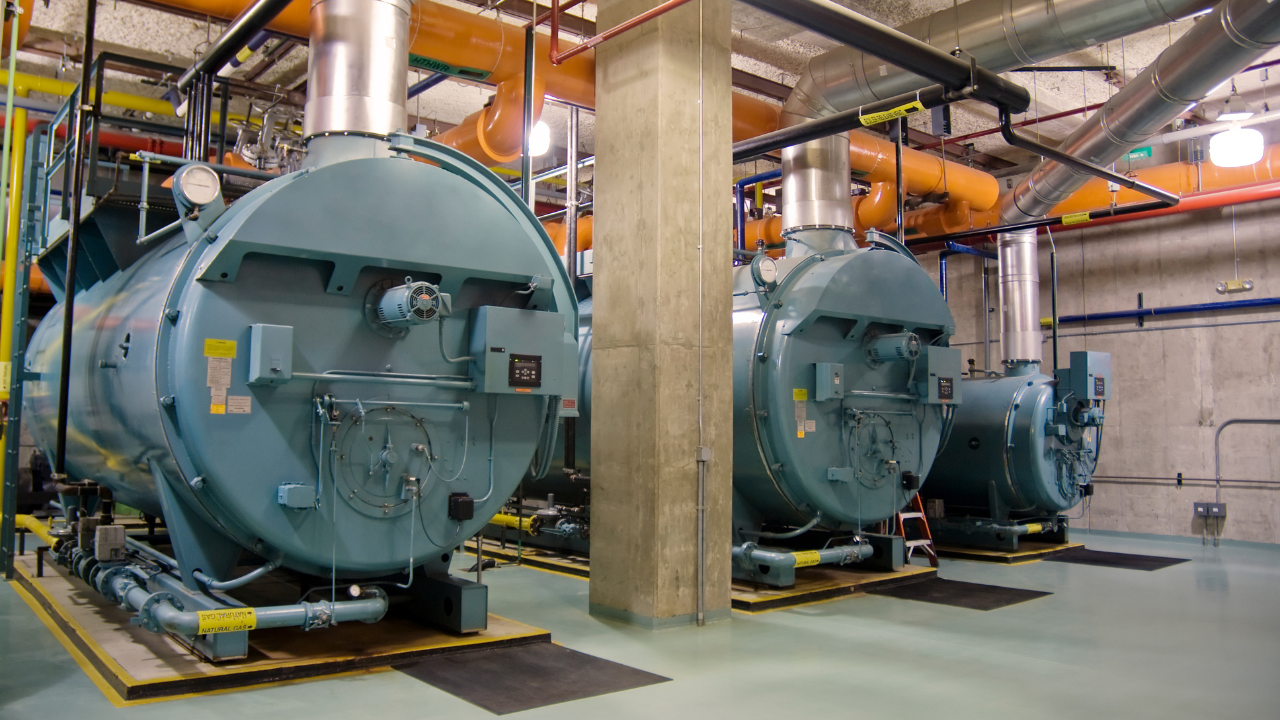
Comparing the Value of Single- and Double-Layer Insulation on Boiler Walls
My interest in writing this article was to explore one way to reduce the cost of manufacturing and installing new boilers: improved insulation practices within the boiler island. It is my opinion that the power industry requires a smarter and more economical insulation design on steam-generating boiler walls, especially when considering the rising cost and reduced availability of qualified field labor. Yes, the potential cost savings with improved insulation practices is small compared to the total plant cost, but every dollar saved is important.
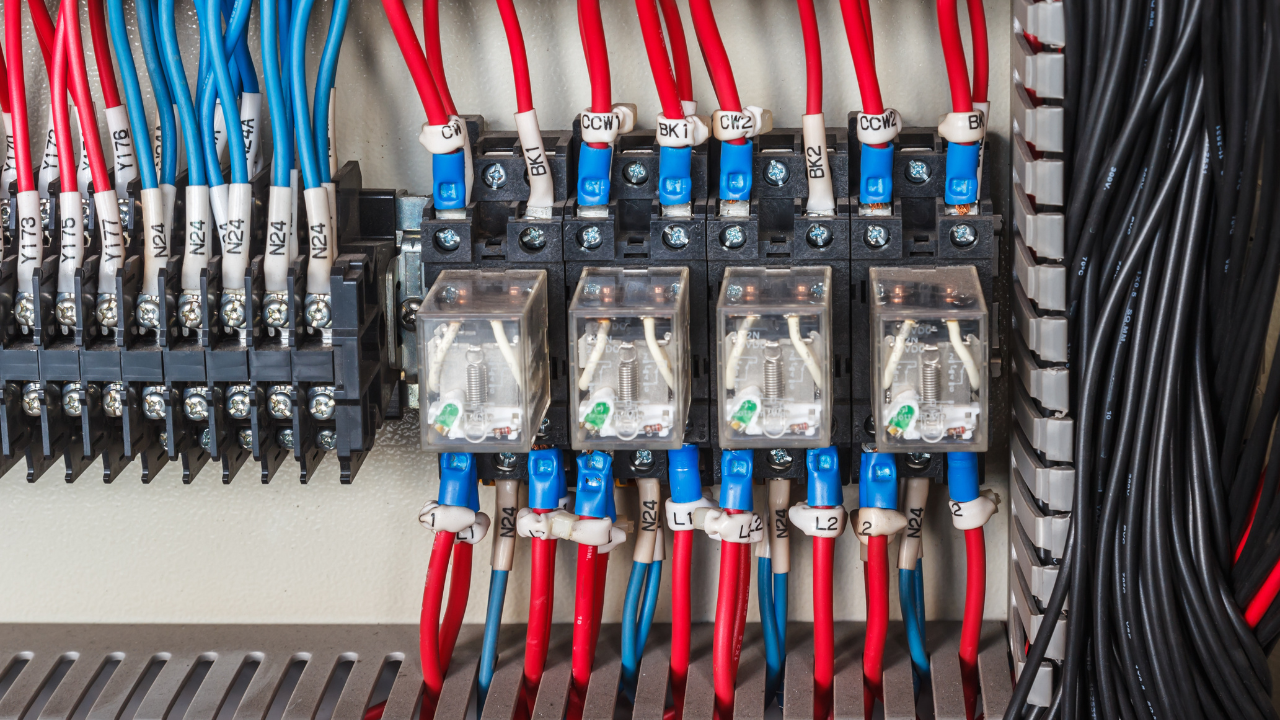
PLC: Programming in List on a Mitsubishi FX PLC - Part 2
Last time, we pretty much ignored ladder diagrams. This time I'm giving you lots of them. We'll look at the ins and outs of turning those pretty pictures into powerful text. You'll gain insight into the block commands and the various structures that can be built using List. You'll leave with full knowledge of the perils and pitfalls.
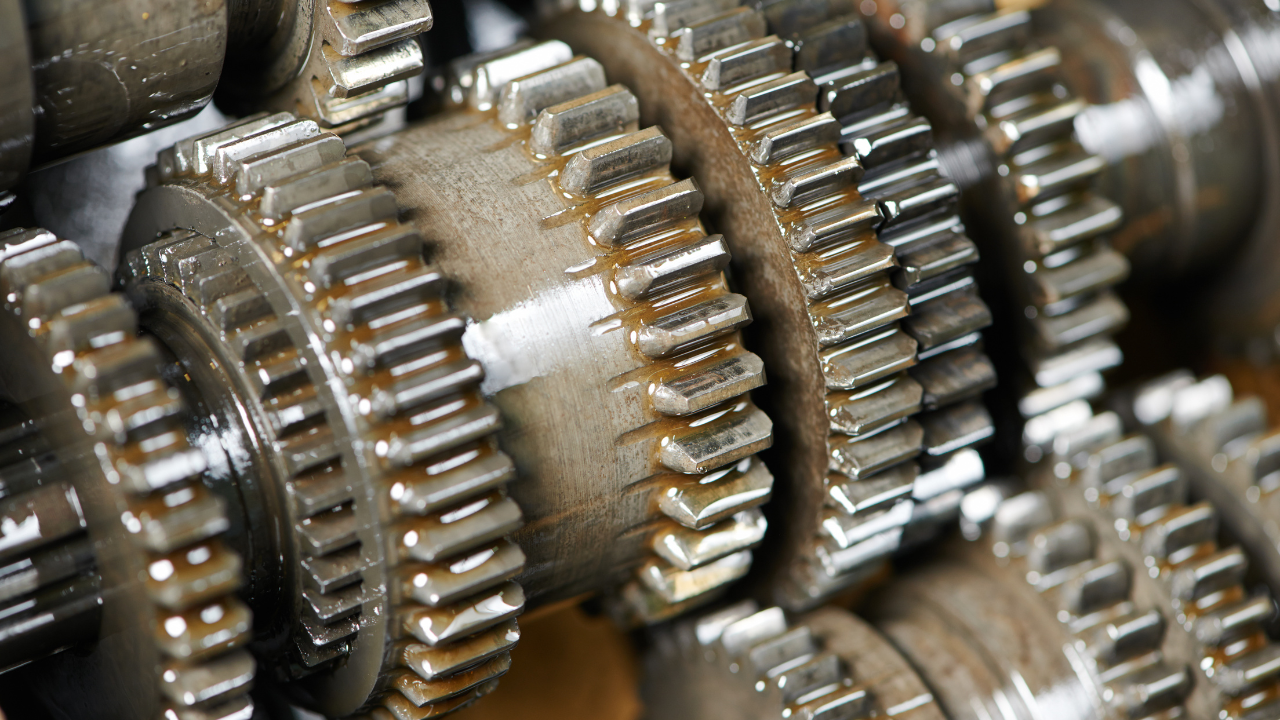
Strive to Improve Your Gearbox Performance
In industry, power consumption in the manufacturing environment accounts for approximately one-third of all energy consumed annually in the U.S. In the enclosed-gearing industry, questions, such as "how efficient is product X," are becoming increasingly common. Several factors influence how efficiency is lost during the operation of the gearbox system. Let's get started and first take a look at the effect oil seals and lubricants can have on gearbox efficiency.
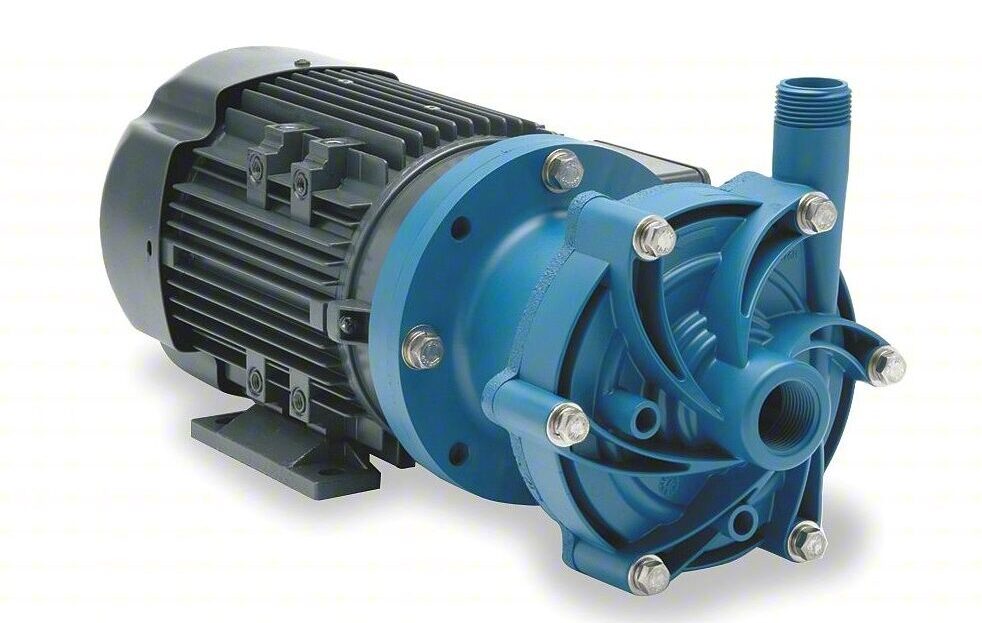
Experiences with Magnetic Drive Pumps
Magnetic drive pumps (also called magdrive pumps) come in three varieties – canned motor pumps, all metal pumps, and plastic lined metal pumps. They are sealless and cannot leak into the environment. Long, repair-free service life depends on recognizing the limitations of these pumps. This article covers issues with using direct mounted, lined magdrive pumps experienced ‘in the field’.

Plant Numbering and Asset Identification
This article covers the two main plant numbering systems that together form the framework on which all maintenance programmes are based and describes the value that can be created by integrating these identification systems. These two systems are: Equipment Numbers, or more accurately, Equipment Location Numbers Stock-Keeping Unit (SKU) numbers or, preferably, Material Catalogue Numbers. A third, less critical but still important numbering system for Stores location (or “bin”) numbers, is also included.

OEE: Overall Equipment Effectiveness
Oh "Overall Equipment Effectiveness", I've heard about that before! Unfortunately, in many facilities, that's all OEE (Overall Equipment Effectiveness) is to the personnel. Something they heard of, talked about or read about. Many maintenance departments today still do not effectively utilize the OEE tool even though it's widely used among the world class companies.
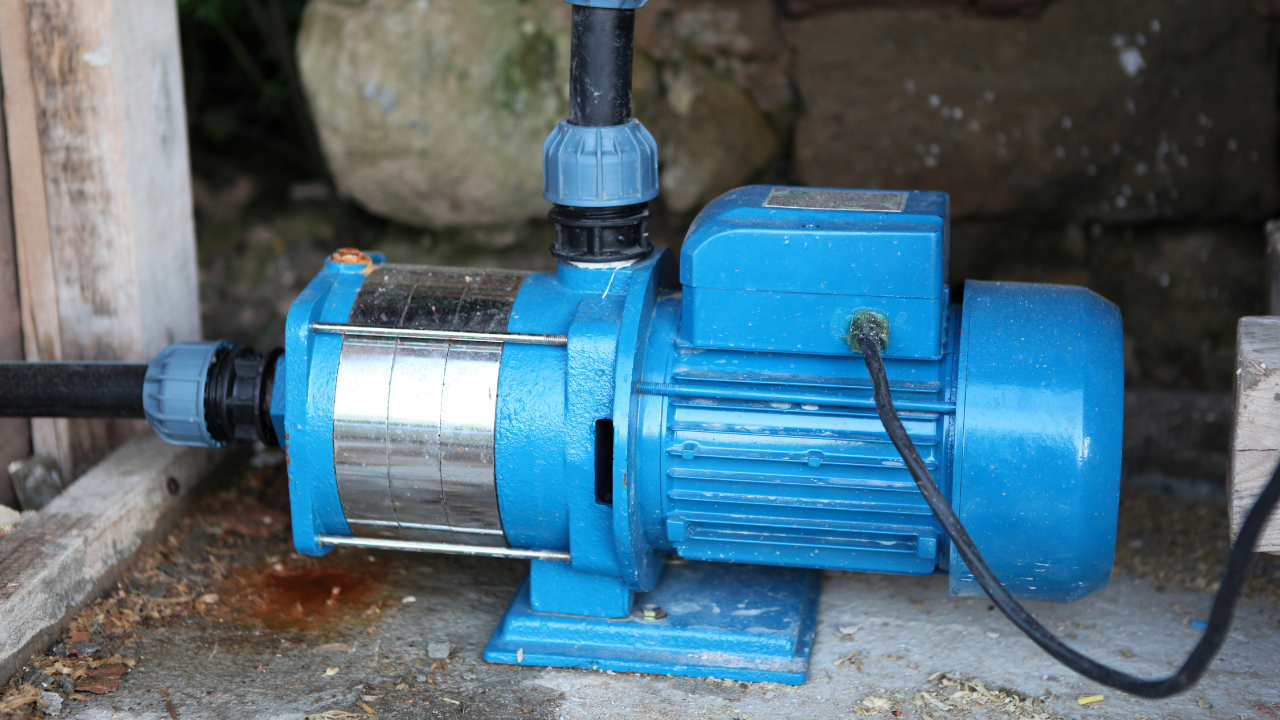
Cavitation
Cavitation means that cavities are forming in the liquid that we are pumping. When these cavities form at the suction of the pump several things happen all at once. The cavities form for five basic reasons and it is common practice to lump all of them into the general classification of cavitation. This is an error because we will learn that to correct each of these conditions we must understand why they occur and how to fix them.