Wireless Sensors and Shaft RPM
Alan Friedman, Cat IV, CRL, CMRP, Author; Founder/CEO of Zenco Vibration Experts
Posted 10/14/2025
Why do we need RPM?
Many of the wireless vibration sensors on the market mostly measure simple vibration readings such as RMS overall values or pk-pk values in velocity or acceleration. These simple values are like asking how much it is vibrating and getting your answer as a single value. Many of the systems will look at the data over a period of a week or two and will automatically generate alarms or baselines based on these readings. After this, they mostly look for deviations or anomalies. They might also upload more complex data for manual review – especially if there is an alarm.
But, what happens to the vibration if the machine’s RPM (or load or process) changes? You would expect the vibration to also change. This poses a problem for vibration analysis. If you are taking readings no matter the operating state of the machine, you are either going to get a lot of false alarms or you are going to set your alarms so high that you miss machine failures.
A better approach is to measure or deduce shaft RPM and either set unique alarms for different operating conditions or only collect vibration reading if the machine is at the right RPM.

Put the Apples in the Apple Bin…
If a system is able to measure RPM or deduce it from the data, then the system can essentially put apples in the apple bin and oranges in the orange bin. In other words, compare readings taken under similar conditions to their own unique alarm limits. If your vibration monitoring system cannot accommodate speed sensors or other types of process sensors (pressure, flow rate, motor current, etc.) then perhaps it will be possible for the data to be characterized by comparing it to time stamped process parameters from a PI database or similar. The important point is the system needs some way to know the operating state of the machine before taking the reading or before attempting to characterize or set alarms on the vibration data.
Diagnosing Specific Machine Faults
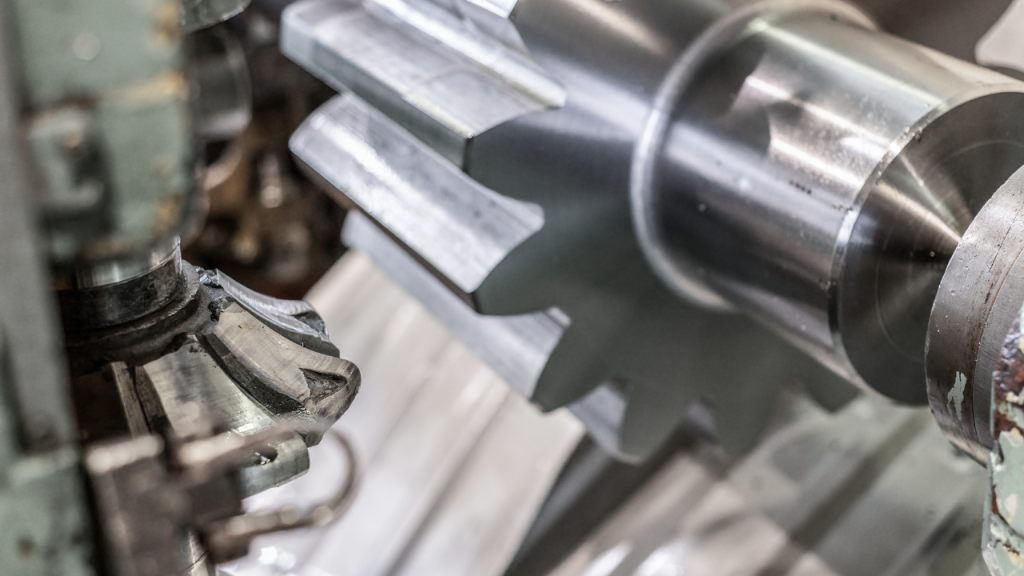
In order to diagnose specific machine faults such as unbalance, misalignment, looseness and bearing wear, we also need to know the shaft RPM. These faults show up in the data at multiples of the shaft speed. If we do not know the shaft speed we cannot do diagnostics! Some defects show up as exact multiples of the shaft rate (synchronous) others are not exact multiples (non-synchronous) but in both cases we cannot determine what is what without knowing the shaft RPM.
When we relate specific frequencies in the vibration data to specific machine defects, we call these forcing frequencies. These are the frequencies we need to know in order to do diagnostics. We touched on this in a prior article where it was stated that in order to calculate forcing frequencies, we not only need to know shaft speed, we also need to know how many teeth on the gears, how many blades on the fan and how many vanes on the pump. In other words, we need to do our homework and find out these details about the machines.

Alan Friedman
Alan, aka the Vibe Guru, has over 30 years of vibration analysis experience, He has trained 1000’s of students around the world up to Category IV. One of the things that makes Alan a great teacher is his ability to teach people where they are at. Whether you are a math challenged millwright, an engineer or a PhD, Alan will challenge you without overwhelming you. If you are interested in condition monitoring you can also check out his book: Audit It. Improve It! Getting the Most from your Vibration Monitoring Program or hire him for an on-site program audit.

Related Articles
The ANSI Pump Standard 14-5
Hydraulic Valves - Preventing Cavitation Damage
How a Photoelectric Sensor Saved My Job

PLC: Programming in List on a Mitsubishi PLC – Part 1

Stress in Metals Causes Failure
The Meaning of Bearing Life