The Role of Information Technology in Plant Reliability
Robert Matusheski
Click here to download the full pdf.
Robert Matusheski
Related Articles

How a CMMS Can Reduce Downtime
In today's fast-paced industrial landscape, minimizing downtime is crucial for businesses to maintain productivity and profitability. Equipment breakdowns, maintenance delays, and inefficient processes can lead to significant downtime, resulting in lost revenue and increased costs. However, with the right tools and strategies in place, such as a Computerized Maintenance Management System (CMMS), organizations can effectively reduce downtime and optimize their operations.

SAP Plant Maintenance vs. CMMS System in 2026
For years, there were two primary software solutions for asset management: SAP Plant Maintenance (PM), an integrated Enterprise Resource Planning (ERP) module, and a dedicated Computerized Maintenance Management System (CMMS).

Realistic Goals During the First Year of a CMMS Implementation
Numerous articles espouse the benefits of implementing a CMMS. Regardless of the source, the overall takeaway is that a CMMS can significantly improve maintenance operations in various businesses across industry sectors. However, the question remains, “How do these benefits realistically translate into achievable and tangible goals during the first year following implementation?”

Mobile CMMS: The Future Maintenance Team's BFF
Maintenance management is an around-the-clock challenge. Equipment failure can (and does) happen at inconvenient times–times when maintenance managers may be off-site and must rely on communication from technicians to convey problems and act efficiently. Mobile computerized maintenance management systems (CMMS) and applications provide live, synchronized status reports and other key features that can dramatically improve reaction time and efficiency.
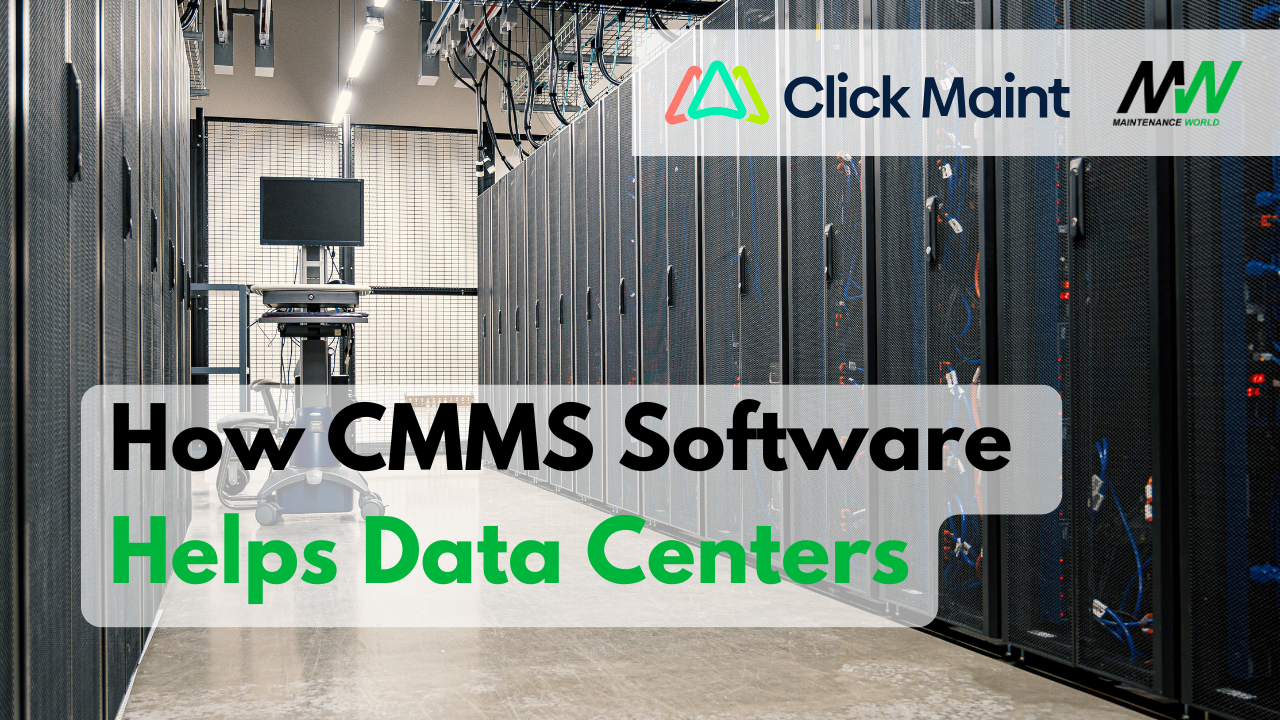
How CMMS Software Helps Data Centers
Data Center CMMS software is not just another add-on. Instead, it’s an essential part of an organization’s infrastructure that ensures data centers can meet the growing demands of reliability, scalability, and regulatory compliance in a high-stakes digital landscape.

Why Might your Business Need a CMMS?
A CMMS can be used in a variety of industries, including manufacturing, facilities management, healthcare, and transportation, to name a few. By using a CMMS, organizations can save time and resources by automating many manual tasks, improving communication between maintenance teams, and providing a centralized repository of information. This can lead to improved equipment availability, reduced maintenance costs, and increased efficiency.
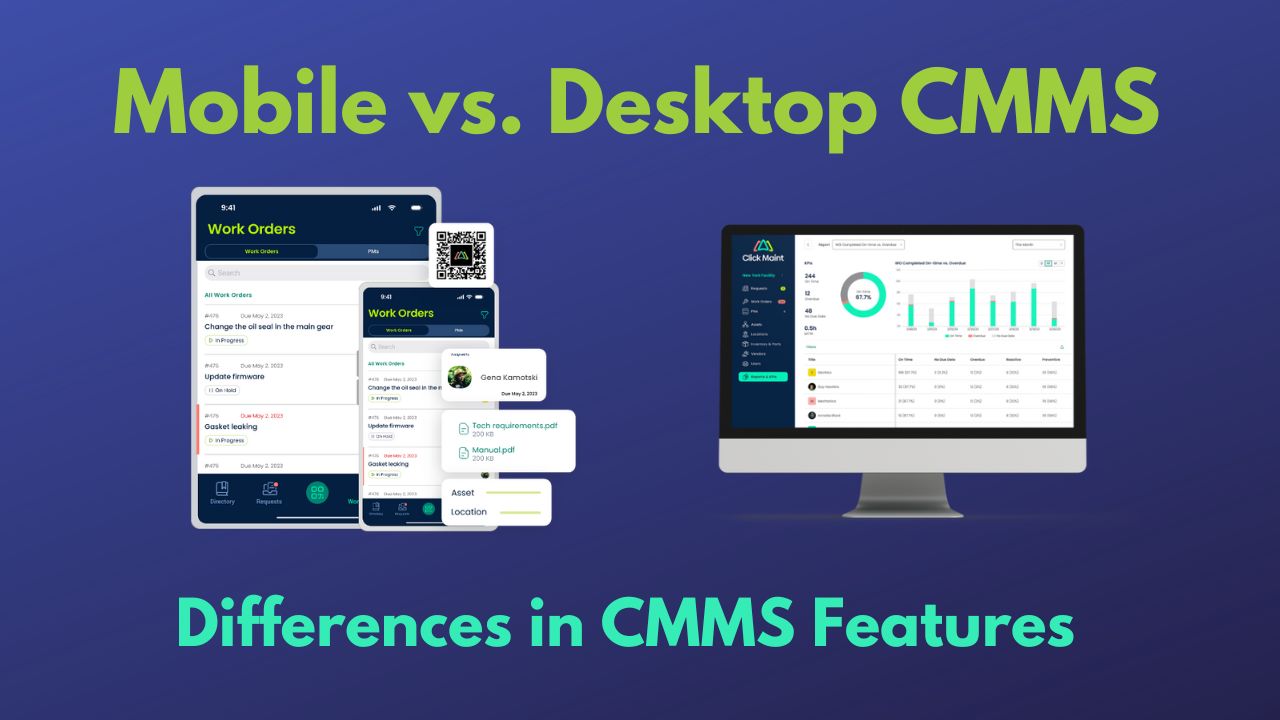
Mobile vs. Desktop: Differences in CMMS Features
This article explores the differences between desktop and mobile CMMS, emphasizing their distinct features and when each should be used. It also explores some of the concerns maintenance teams may have about adopting CMMS mobile apps.