

Vibration Standards and Damage Factors for Machinery
S. Kumaraswamy, J. Rakesh, & Amol Kumar Nalavade
Click here to download the full pdf.
S. Kumaraswamy, J. Rakesh, & Amol Kumar Nalavade
Related Articles

Enabling Smart Maintenance with Event-Driven Architectures in the Cloud
Understanding the infrastructure behind smart maintenance is crucial. It’s not just a technical upgrade — it’s a strategic foundation to build a value-adding business case for agility, resilience, and continuous improvement.

Define and Measure KPIs and Goals for Condition Based Maintenance
Condition based maintenance offers a large array of benefits if done correctly. It is not enough however to know we are doing a good job. We have to be clear about our goals and we have to be clear about how we are going to measure if we are meeting our goals or not. There are all sorts of fancy software platforms with dashboards that can help us define and measure KPIs, and track and visualize them, but we have to actually use them!

Data Analysis Tip 1 – Consider the Machine First and Then the Graphs
A common approach to looking at vibration spectra is to display the graphs and then ask “What is wrong with this machine?” Another common approach to analyzing vibration spectra is to display the graphs and then ask “What is this peak?” and “what is that peak” A better approach to analyzing data is to first ask “What faults can this machine have?”, “Which of these are most common for this machine?” and finally...
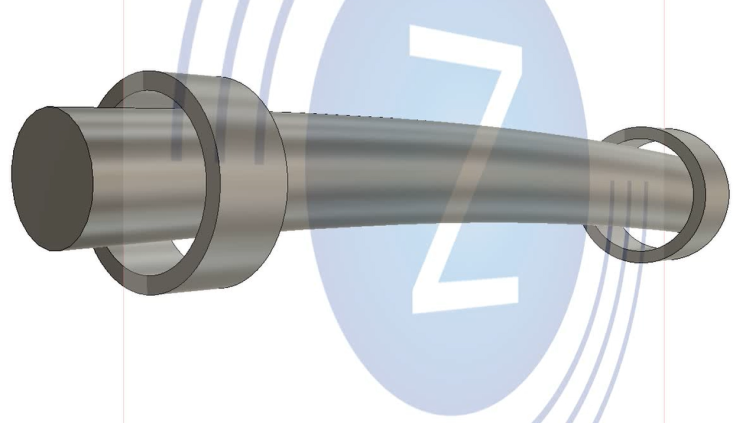
Diagnosing a Bent Shaft
Diagnosing a bent shaft with vibration analysis is easy to do, especially when you can visualize its movement using 3D animations. Vibration patterns for different faults can look similar to each other. This is why it is always best to start with the machine, consider what faults are most likely and then take data in the proper test points and axes to find the most likely faults. It can get complicated, but 3D animations make it easier to visualize what is going on.
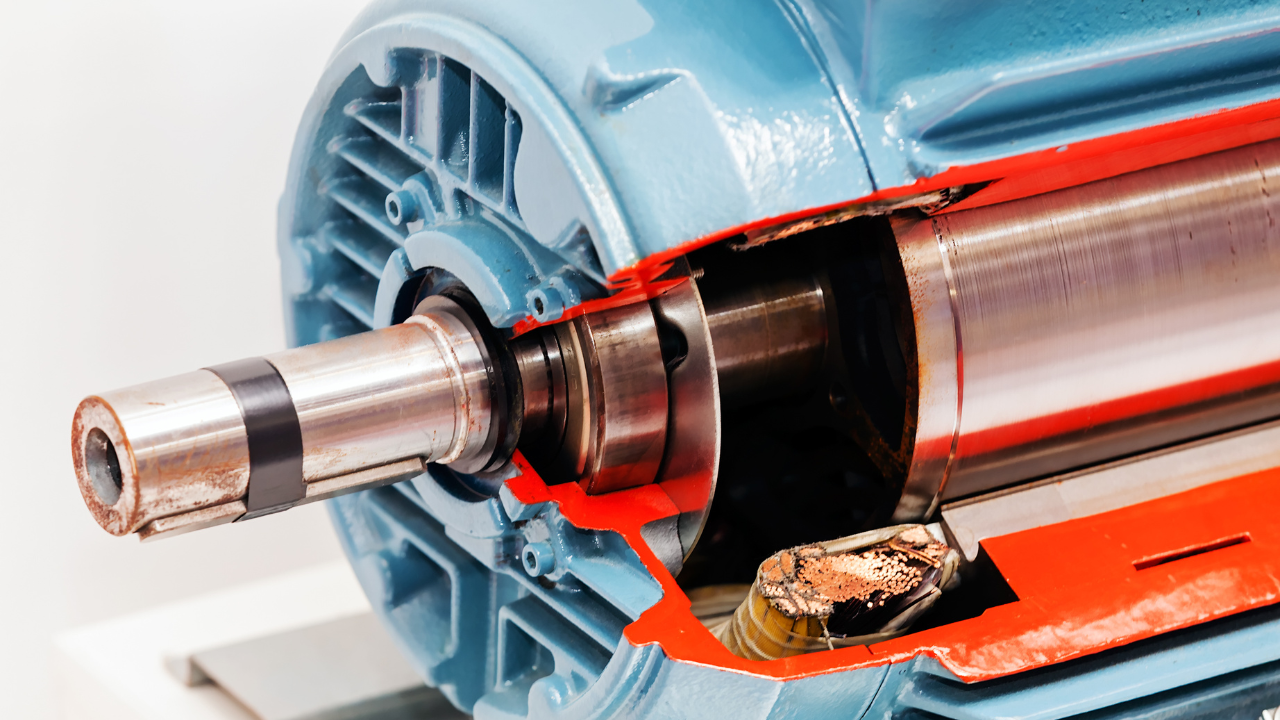
In-Process Motor Testing Results Using Model Based Fault Detection Approach
Rapid progress in process automation and tightening quality standards result in a growing demand being placed on fault detection and diagnostics (FDD) methods to provide both speed and reliability of motor quality testing. This paper presents the findings of a decade long research and development efforts in the field of experimental modeling technique and its practical applications for the fault detection purposes, first in the fields of aerospace and defense, and now in the context of highvolume electric motor manufacturing. Underlying this patented technology is a set of proprietary algorithms that enable precise tracking of the parameters pertaining to the physical structure of the motor.
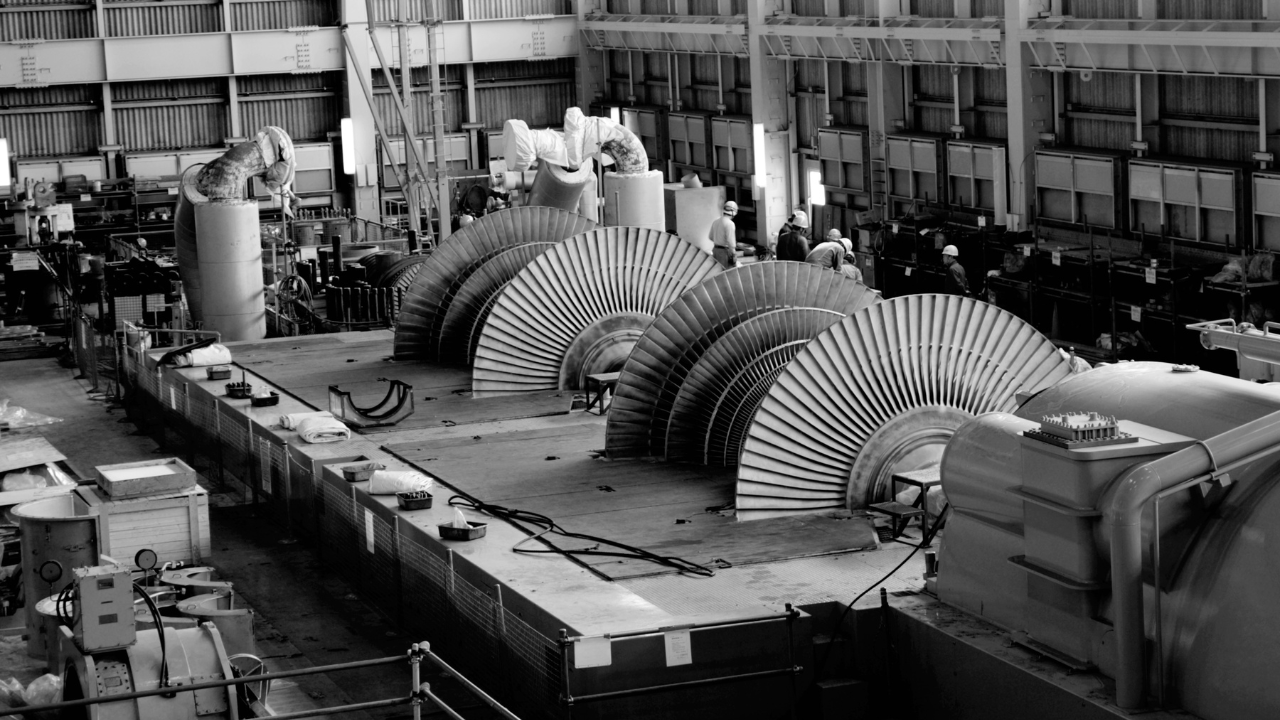
Condition Monitoring of Steam Turbines by Performance Analysis
Many power generation steam turbine generators today are required in service well beyond their intended lifetimes. Dismantling for inspection is expensive, and owners need to consider all relevant information in making the decision. Application of condition monitoring in all the applicable methods is justified, with each showing different degradation modes. Performance analysis is less well publicised, yet unlike vibration analysis and oil debris analysis, it will show conditions which reduce machine efficiency and output, such as deposits on blades and erosion of internal clearances. The paper outlines, with examples, some condition monitoring techniques that have contributed to retaining some large fossil machines in service for up to 17 years without opening high-pressure sections.

The Interplay of Smart Manufacturing Technologies: IIoT, Industry 4.0, and AI
The Interplay of Smart Manufacturing Technologies: IIoT, Industry 4.0, and AI. Let's explore this fascinating evolution chronologically. These concepts are deeply intertwined, but they emerged at different times and gradually converged.