

Novozyme Leverages Results Oriented Maintenance and Highly Motivated Staff to Win the North American Maintenance Excellence (NAME) Award 2000
Michael Lippig, IDCON INC
Novozymes North America, Franklinton, North Carolina, a company with Scandinavian roots and management style won the coveted North American Maintenance Excellence Award (NAME) 2000. A reporter (Michael Lippig) recently paid Owe Forsberg, Maintenance Manager, Novozymes North America, a visit to see how this came about.
How it Started
Novozymes did not actively pursue benchmarking in the past. “For a long time our organization was introspective. We thought we had everything we needed in house and that we could do it all ourselves” continues Mr. Forsberg. “In 1999, we set a goal to benchmark ourselves against other industries, to get an outside perspective.” It was in this context that the organization decided to apply for the name award.
Related Articles
Maintenance Standards at Weyerhaeuser Company
The maintenance impact on manufacturing results has traditionally been measured in terms of cost. As equipment reliability became a focus area in our industry, the strategic value of maintenance effectiveness became apparent to business leaders. For mill leaders, this brought the dilemma of balancing a need to reduce costs with an expectation that reliability must improve. From a total corporation view, wide disparity among site results establishes the need to lead and support change in maintenance performance. It is this kind of variability among sites that provides the opportunity to improve performance.

Reliability Improvements Drive Down Maintenance Costs
Results-oriented organizations focus first on the quality and volume of production throughput, followed closely by the cost to produce the required quality and volume. This approach will improve reliability performance, which will drive manufacturing costs down.

Contamination Control Can Reduce Costs
Today’s mining industry is facing a new set of challenges. Commodity price projections for the future remain uncertain, global demand remains high and there is a global labor shortage. While the mining industry remains highly competitive and essential to continued global economic growth, mining companies continue to search for ways to sustain growth and profitability.
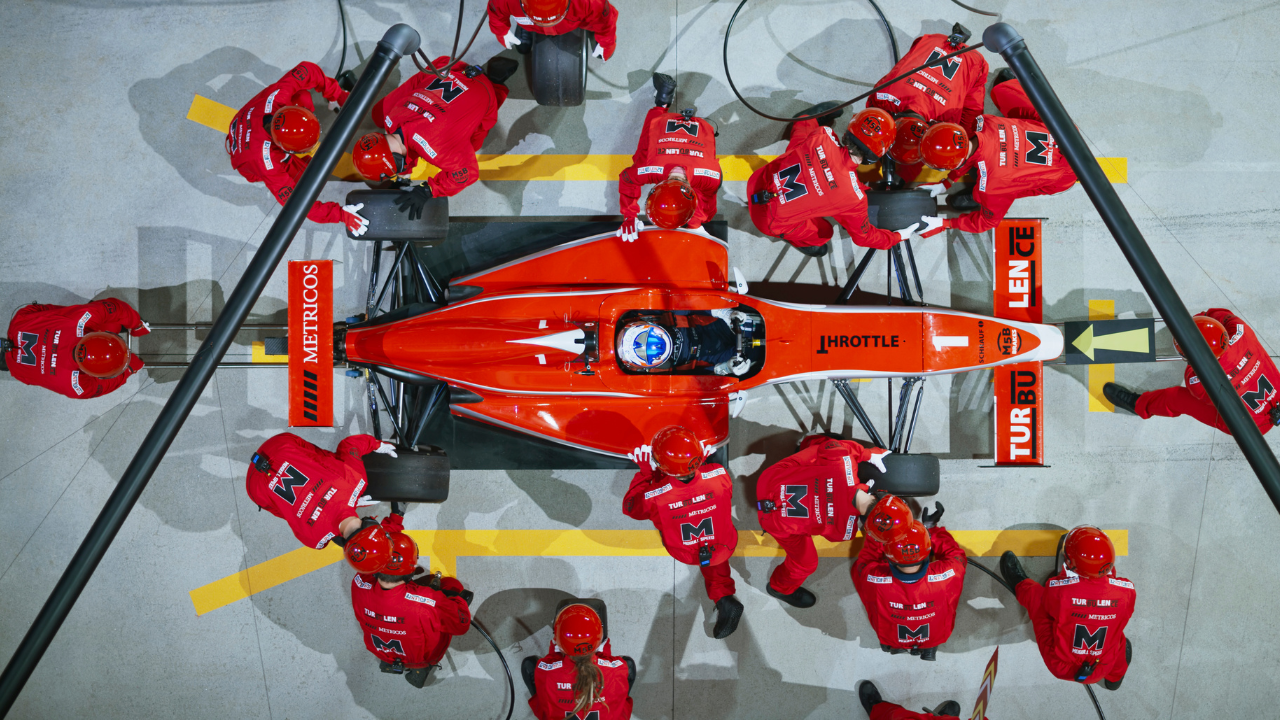
How SMED Can Turn Back Time
This article will describe the Lean Manufacturing methodology of Single-Minute Exchange of Dies (SMED), explain its value to your business, and outline the SMED process as a series of simple steps that you can replicate in your organization. It will detail examples from actual SMED events where SMED has given time back to the business turning wasted time into productivity and revenue.

How many Planners and Supervisors do we need?
Some plants have planners, schedulers and supervisors, while others have stop planners and daily planners separated. A few keep electricity and instruments from mechanical planners, while some plants are more bare bones. It makes a big difference if the planner can 100% dedicate his or her time to planning, instead of having to take care of purchasing orders, train workers in the CMMS, attend improvement meetings, and so on. It’s the same thing with the supervisor role. Can he or she focus on their team or he/she expected to run a few improvement projects and renovations? The more we tack on to these roles, the less time will be left for leading their workers.

Why Online Oil Quality Monitoring is a Best Practice for Reliability Programs
Fluid monitoring programs have long been a challenge within the reliability and operations community. For these programs to be implemented properly, the samples must be taken at intervals more frequently than assets or personnel are available. Best in class reliability programs have found success addressing this challenge by implementing online fluid or oil monitoring programs.
The ‘Maintenance Crisis’ and Innovations that are Changing it
A couple months ago, I wrote an article about the top five careers in facility management. I interviewed a broad range of professionals for that story. But it was during an interview with Joel Leonard, President of SkillTV, that I started to ponder what he referred to as “the maintenance crisis”–a depletion of skilled workers in the maintenance management workforce caused by baby boomers retiring and too few young professionals entering the field.