

Condition Monitoring of Steam Turbines by Performance Analysis
Ray Beebe, Gippsland School of Engineering, Monash University, Churchill, Victoria, Australia
Click here to download the full pdf.
Related Articles
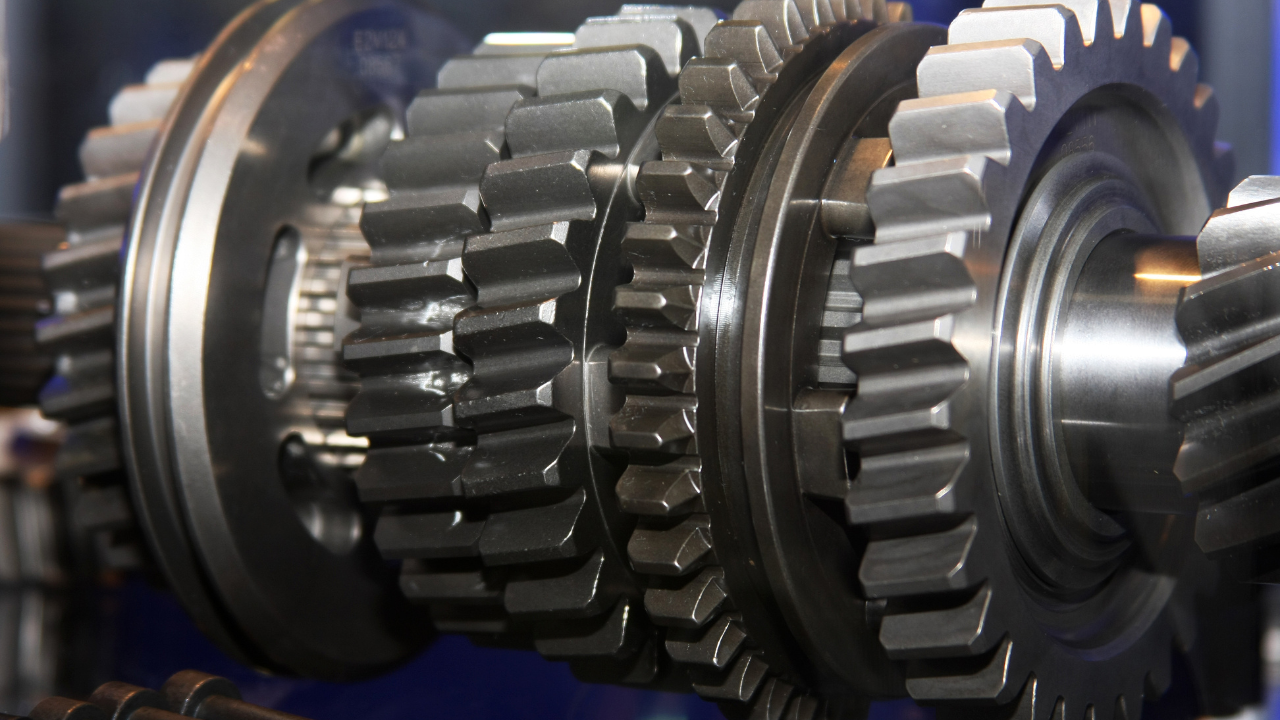
Gearbox Diagnostics Fault Detection
The paper deals with the method of gearbox diagnostics fault detection, and shows that using: design, production technology, operational, change of condition (DPTOCC) factors analysis leads to the inference of gearbox diagnostic information. In the paper is a review of the current possibilities for using mathematical modeling and computer simulation for investigating the dynamic properties of gearbox systems. Computer simulation of dynamic behavior of gearboxes is a powerful tool for supporting gearbox diagnostic inference.
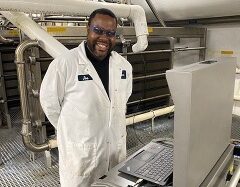
The Integrity Test Advantage
Integrity Testing is a proactive approach to preventive maintenance for Plate and Tubular Heat Exchangers in sanitary processing environments. This process allows for the early identification of potential leaks and failures, serving as a cost-effective and environmentally friendly form of preventive maintenance.

Gaps in Your Electric Motor Reliability Program
Costly oversights occur repeatedly despite thoughtful planning dedicated to maximizing the operation and lifespan of the motor. One unsettling realization is that testing, considered part and parcel of preventive maintenance, is not preventing anything because there is nothing to indicate that analyzing the data was even considered. This is a major pitfall and a classic example of a gap in a company’s motor management program.

Integrating Vibration and Wear Debris Analysis for Machine Condition Monitoring
Vibration and wear debris analyses are two key components of any successful condition-monitoring program and can be used as both predictive and proactive tools to identify active machine wear and diagnose faults occurring inside machinery. Integrating these two techniques in a machine condition-monitoring program provides greater and more reliable information, bringing significant cost benefits to industry.
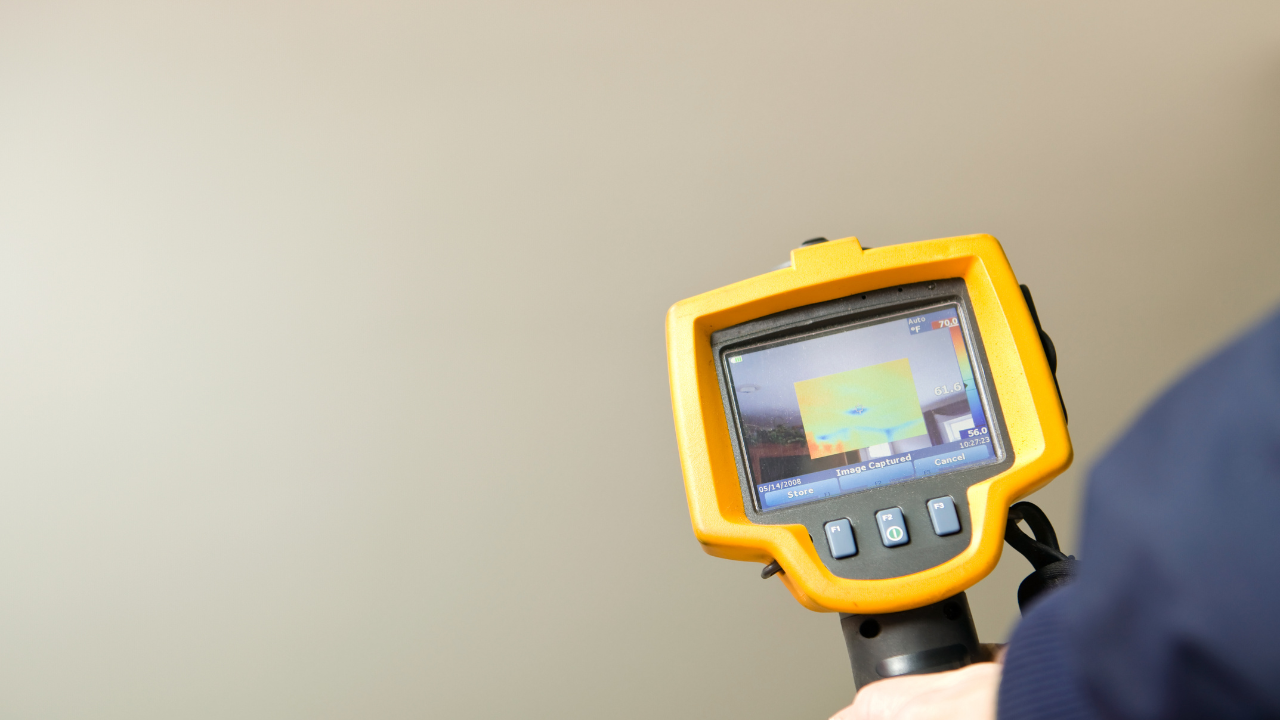
New Generation IR Cameras
The demand for this equipment will undoubtedly continue, but many users – particularly plant engineers and the increasing number of new energy surveyors – have been calling for affordable and user-friendly cameras which previously had only been available to specialist thermoraphers due to cost and complexity of use. This market-led demand has resulted in a new generation of cameras that combine thermal imagery with digital photography.
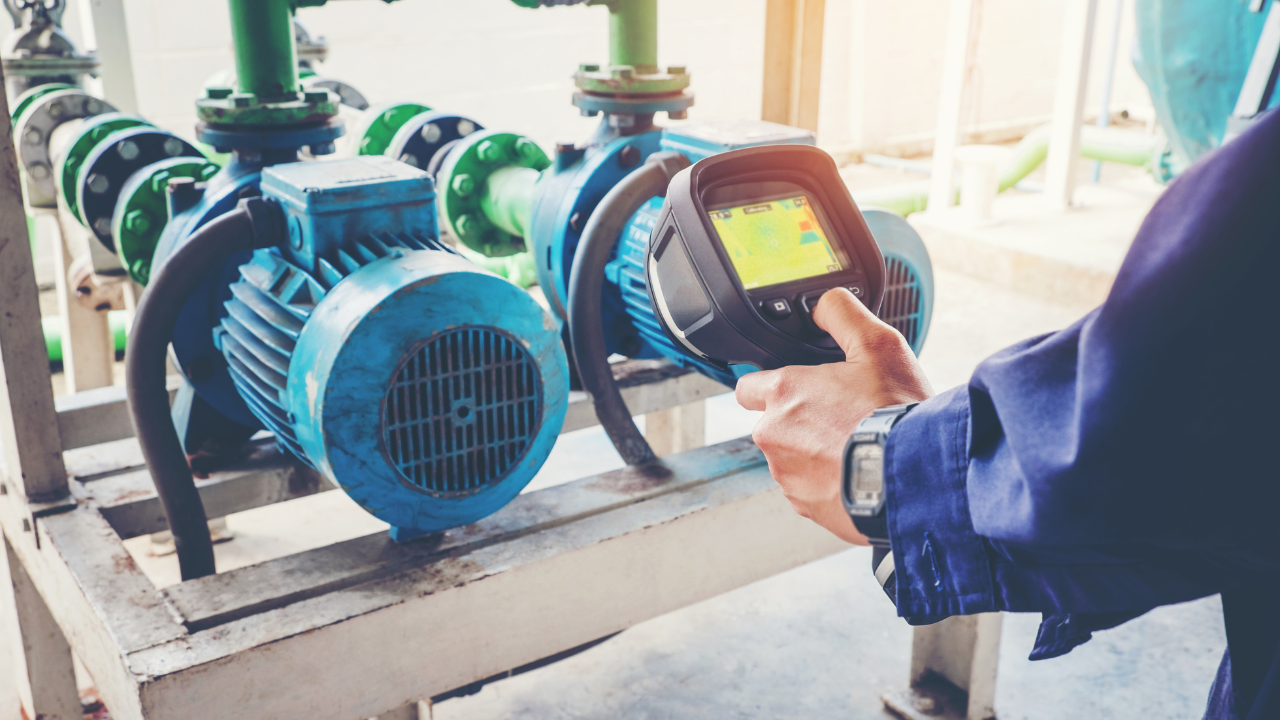
Inspecting Seals with IR Thermography
In today's industry, practices that were once acceptable are no longer even tolerated. Environmental concerns and EPA mandates are applying more and more pressure on businesses like the chemical industry to improve the manufacturing processes being used, to the point that not only is a slight drip from a pump seal not acceptable, but in 2004 the MACT will be enacted and only 500 - 1,000 parts per million vapor will be allowed and, eventually, no vapor at all.

Documentation Tip – Document “As Found” Condition
Accept that you will sometimes be wrong and do whatever it takes to find out the “as found” condition. This is often difficult to accomplish but it is well worth the effort and in the best circumstances this should be implemented as a normal procedure.