

Effects of Aeration on Industrial Lubrication Equipment
Jeff Malinowski, PE, Trico Mfg. Corp.
Click here to download the full pdf.
Related Articles

Does Lubrication Belong in the CMMS?
Most, if not all, companies use CMMS systems to oversee their maintenance activities. From home-grown systems to complete ERP systems, leveraging technology allows companies to more efficiently and effectively manage their maintenance, repair and operations activities. So as a core maintenance function, surely routine, lubrication-related preventive and predictive activities such as regreasing motor bearings, taking oil samples, and executing oil top-offs and inspections belong in the CMMS system like any other maintenance task, right?

Change Your Lubrication Culture, Not Your Oil
We change a lot of oil in our plants, mills, mines and factories. What are we doing to change our lubrication culture? In their book Learning to Fly, Collison and Parcell, employees of British Petroleum (BP), suggest a predictable pattern in achieving sustained culture change, which is a function of effort and time.

Selecting the Proper Offshore Lubricant
Choosing the right lubrication in the offshore industry is typically based on considerations such as performance and reliability, but this does not have to come at the expense of the environment. For any piece of industrial machinery to run smoothly, lubrication is a key consideration. In the offshore industry, where equipment may be stranded more than 100 miles from the shore, maximum efficiency is essential, so lubrication treatment must be carefully selected to ensure reliable performance. Where spares and replacement parts may be days away, ensuring that everything is fully functional is critical to the bottom line.
Safety Tips for Handling Petroleum Products
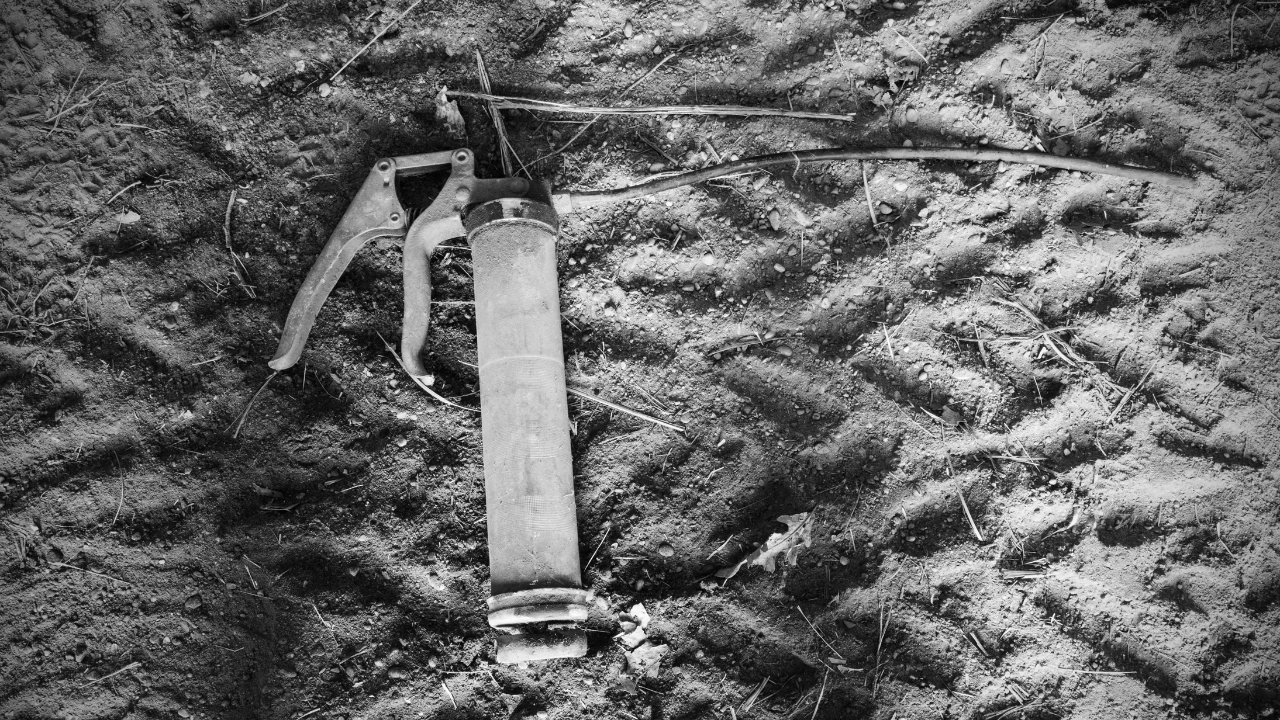
High-pressure injection injuries, also known as grease gun injuries, are caused by the accidental injection of a foreign material–such as grease, oil, or solvent under pressure–through the skin and into the underlying tissue. This is analogous to medical techniques used to administer immunization shots without a needle. A grease gun injury can cause serious delayed soft tissue damage and should be treated as a surgical emergency. Any person sustaining an injury of this sort should seek immediate medical attention, regardless of the appearance of the wound or its size. Accidents involving injection injuries can occur when using any type of pressurized equipment.
Best Practices for Lubricating Paper Machines
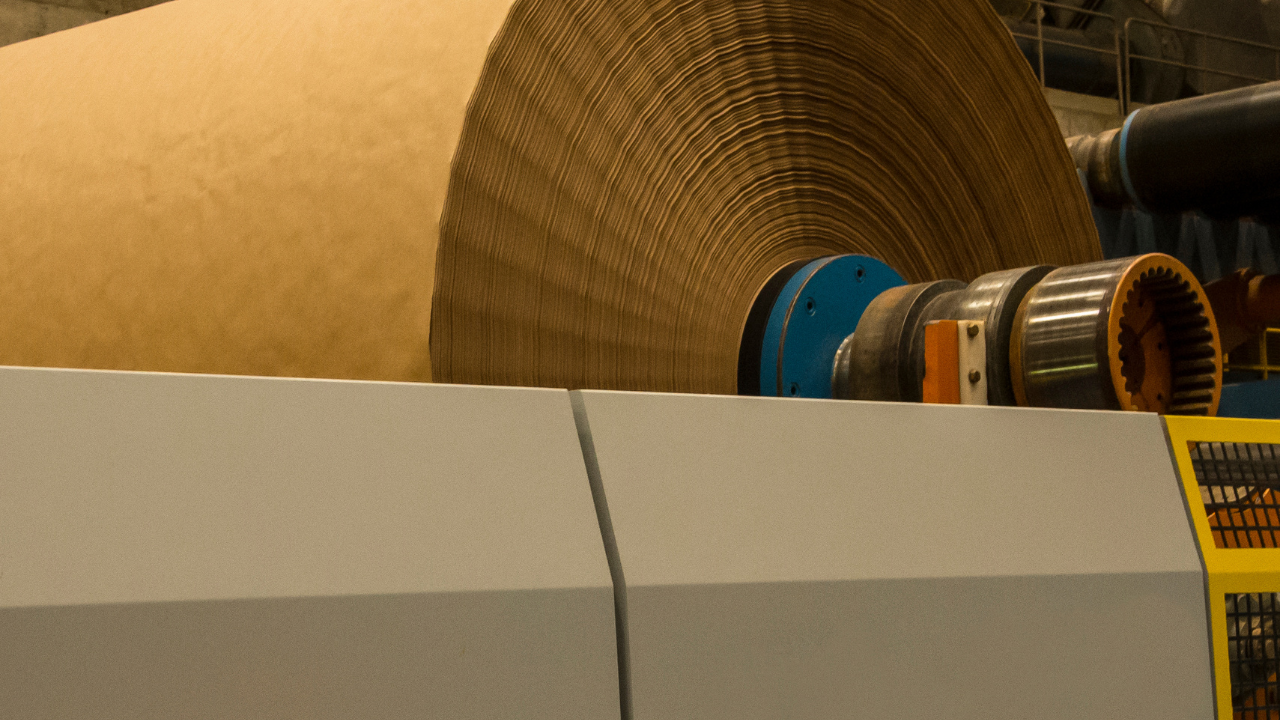
One of the best ways to achieve fault-free operation of paper machines is to ensure the proper lubricant is applied to the frictional surfaces. Most paper machines have hundreds, if not thousands, of lube points that require periodic application of oil or grease. There are bearings, gears, couplings, journals, cylinders and valves which must all receive the correct lubricant to survive the rigors of the paper-making process.
Ball Bearing Lubrication in Centrifugal Pumps
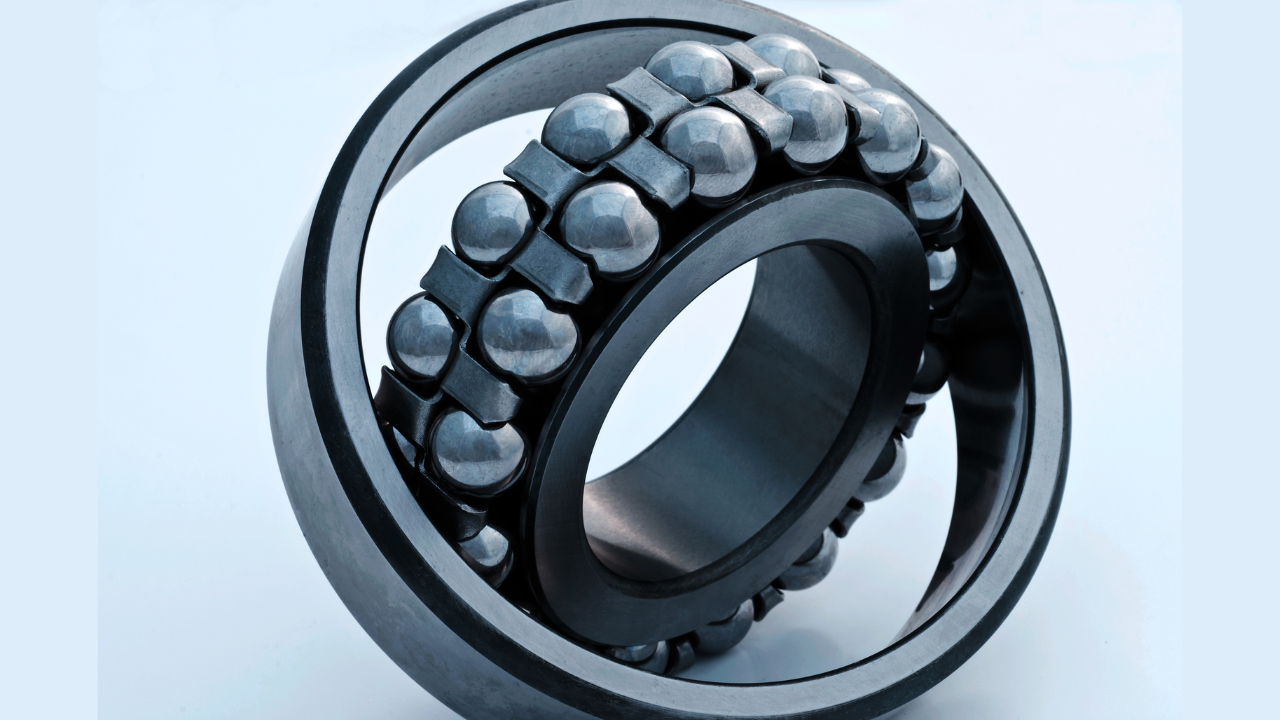
The manufacturer using the bearing in his equipment, not the ball bearing manufacturer, determines the anticipated life of a ball bearing. This life, once determined, is called the L10 life of the bearing and it is based on the premise that 90% of the bearings will last a certain amount of revolutions before they experience metal fatigue.
Is Air a Contaminant?
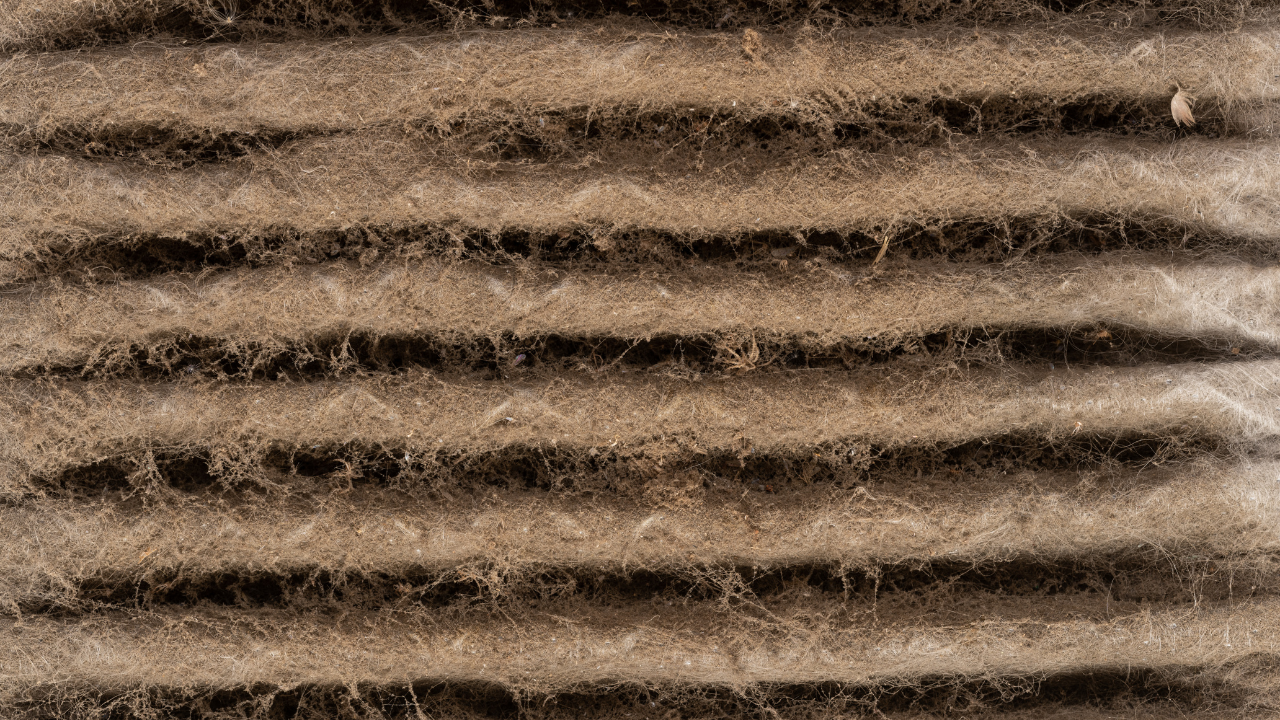
When we think of contamination in lubricated systems, we often focus on particle and water contamination. The fact of the matter is that there are many other contaminants we should consider and attempt to control. Most contaminants, which include any material not contained in the lubricant's formulation, can potentially damage the oil and the lubricated components. Although air is always present in lubricating oil, it is often justifiable to adopt measures to minimize its presence.