

Smurfit-Stone Pursues Profitable Path with Fernandina Maintenance Program
Clayton Smith and George Munn
Making money, not tons, has become the mantra of the pulp and paper industry in recent years. Consolidation moves in the sector have resulted in more effective management of inventories and supply, but the cyclical tendencies of the business remain. On top of that, the market is now a global one rather than being split up into regions. Managers today have to live up to the challenge of reducing costs to remain competitive in this global market. Mills face the real possibility of closure if manufacturing costs are no longer competitive in the global market economy. Future success will be achieved only by driving down costs and improving operating efficiencies.
Related Articles
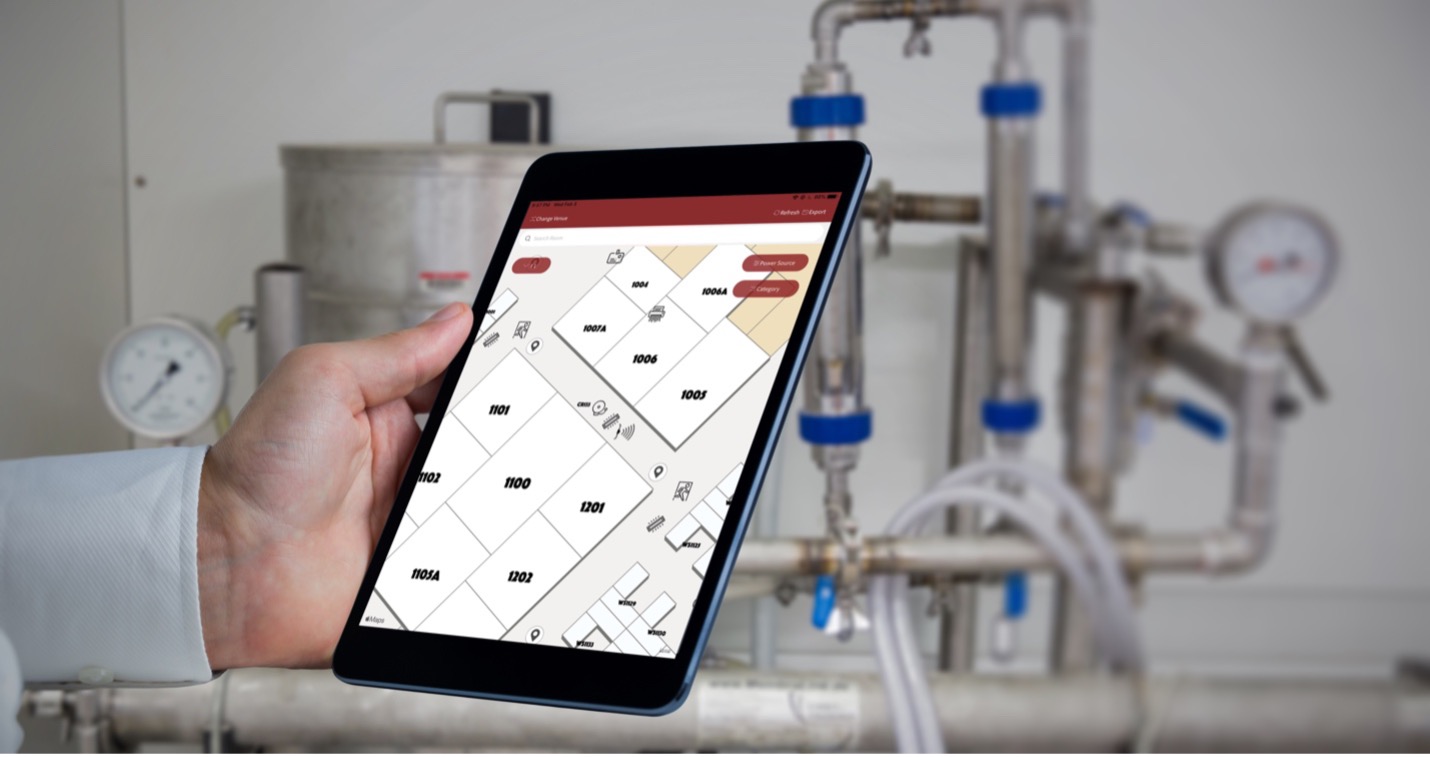
Digital Maps for Plants and Factories
Digital maps for plants and factories help employees navigate the facility, track assets, and enable inventory audits for better equipment maintenance are in demand.

Using Performance and Development to Sustain Performance Improvement
Executives pursuing lasting improvements must take an inventory of their assets, then devise and implement a strategy that constantly reinforces the behavior of individuals along chosen dimensions. By addressing these areas in tandem with a performance and development (P&D) effort, companies can ensure that performance improvement efforts deliver value immediately and also stand the test of time.

Three Levels of Condition-Based Maintenance
A shift is occurring in maintenance of equipment and systems called prognostics and health management. Although it uses similar predictive maintenance (PdM) diagnostic tools such as infrared, vibration monitoring, and oil analysis to deliver the current condition of components, it differs in that it does not correlate and trend the measured parameters. When it comes to prognostics in compressed air systems, knowing what parameters should be measured and how they should be analyzed help to form good practices in condition-based maintenance (CBM).

How Building Managers Can Save On Energy Purchasing Through Changing Paradigms
Facility managers need to ask themselves – What are the new energy paradigms that we must acknowledge, and what past practices are no longer smart or relevant? How can volatility be mitigated, and what strategies can be used to ensure it is not a major driver in rising operating costs?

When AI Cannot Help: Lessons for Manufacturing Leaders
Artificial intelligence (AI) is revolutionizing manufacturing. From predictive maintenance to process optimization, AI promises to enhance efficiency, reduce costs, and drive innovation. Yet, as manufacturing leaders, it is critical to recognize that AI is not a silver bullet. There are AI limitations — and understanding these limitations is as essential as embracing its capabilities.

The Challenge: Developing a Reliability Culture
In some organizations, reliability is not just a word, but a culture that has been built over a period of time. Developing a reliability culture is not solely a top-down approach or dependent on the company’s vision. Sometimes, it is taken as a normal, routine job, while other times, it may get a fast-track status.

Contractor Management Controls
Circular logic is how many large, otherwise sophisticated manufacturing plants manage financial accountability over their industrial contractors. They create a PO, send it to the contractor, the contract performs the work, keeps track of expenses, and then submits an invoice. The planning and scheduling and execution of the works are excellent, but the financial control needs upgrading.