

Maintenance Outsourcing: A Step Towards Product Service Systems
Amir Tossi, Helen Lockett, Emma McDonald, Rick Greenough and Ewout Roozendahl
Click here to download the full pdf.
Amir Tossi, Helen Lockett, Emma McDonald, Rick Greenough and Ewout Roozendahl
Related Articles

Keeping Things Moving… Capture Problems Faster With High-Speed Video Technology
Industrial Video Solutions (IVS) supplies high-speed digital video technologies to packaging, manufacturing and paper industries around the world. These systems combine the latest in GigE technology, digital video developments, efficient lighting and an intuitive, feature-rich user interface. The goal: keep that product moving!

Data Analysis Tip 2 – Create a Vibration Test and Analysis Guide
A vibration test and analysis guide is a simple book or electronic document that contains a variety of information about the machine. Information should include: A simple schematic of the machine with test points identified, instructions for testing the machine (especially if loads and speeds must be manipulated or verified), name plate information and a simple schematic of internal components. This information is invaluable for conducting a proper diagnosis of the machine.

Revolutionizing Reliability and Maintenance through Production Automation
In the fast-paced world of manufacturing, the integration of production automation has become a transformative force, reshaping industries, and redefining the way businesses operate. One of the key areas where automation demonstrates its prowess is in enhancing reliability and maintenance processes. By leveraging advanced technologies, artificial intelligence, and smart systems, production automation is ushering in a new era of efficiency, cost-effectiveness, and minimized downtime.
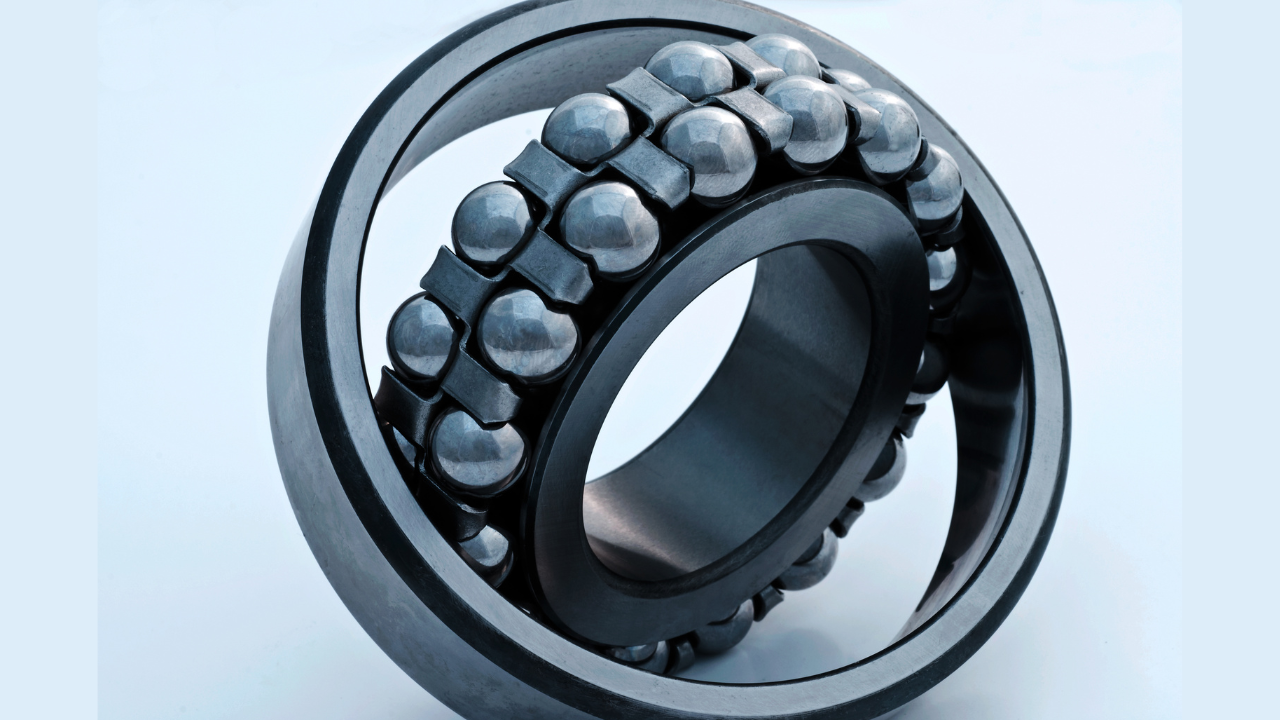
Ball Bearing Lubrication in Centrifugal Pumps
The manufacturer using the bearing in his equipment, not the ball bearing manufacturer, determines the anticipated life of a ball bearing. This life, once determined, is called the L10 life of the bearing and it is based on the premise that 90% of the bearings will last a certain amount of revolutions before they experience metal fatigue.

A Twist on Particle Evaluation: Redefining the ISO Cleanliness Code
For over 20 years, users of oil analysis have used the ISO cleanliness code to help determine solid contamination levels in both new and used oils. The current ISO standard for reporting cleanliness is ISO4406:99. Using this standard, analysts and end users alike have managed to establish cleanliness goals and develop key performance indicators (KPIs) with the expectation to allow for preemptive action to avoid early machine damage. While this has produced some success, relying specifically on the ISO cleanliness code as it is currently reported has its limitations.

Growing Reliability Down on the Wind Farm
When equipment fails, wind farms must deal with exorbitant crane mobilization expenses, lost energy production, soaring costs per kilowatt-hour and untimely delays in obtaining replacement parts in a burgeoning industry where the demand for necessary components routinely outstrips supply.

Temperature Shock of Hydraulic Components and How to Avoid it
When there is a significant difference between the temperature of a hydraulic component and the fluid being supplied to it, rapid, localized heating of the internal parts of the component can occur. This causes individual parts of the component to expand at different rates, resulting in interference between parts that normally have fine clearances.