
Preventive Maintenance for Wintertime Heating
Jamie Tuinstra, Modine Manufacturing
Posted 3/11/2026
For industrial facilities and manufacturing centers, employee safety and comfort are mission critical. During winter, maintaining a warm, consistent indoor environment keeps team members productive and morale high while also ensuring they feel appropriately cared for. The last thing anyone wants during the cold months of winter is to discover that their building’s heat is inadequate. Unfortunately, when heating systems fail, it can lead not only to discomfort but also to costly operational disruptions, safety hazards, even reputational damage. This is where Preventive Maintenance for wintertime heating comes in.
Among the most dependable solutions for large industrial spaces are unit heaters. These compact, powerful systems deliver warm air where it’s needed most, efficiently and without requiring massive renovation. As with any type of heating system, however, unit heaters require proper installation and regular maintenance to function at an optimal level.
To prevent failures and maintain uninterrupted operation, industrial maintenance and facilities teams should prioritize not just installing unit heaters, but installing them correctly and maintaining them proactively.
Flexible solutions
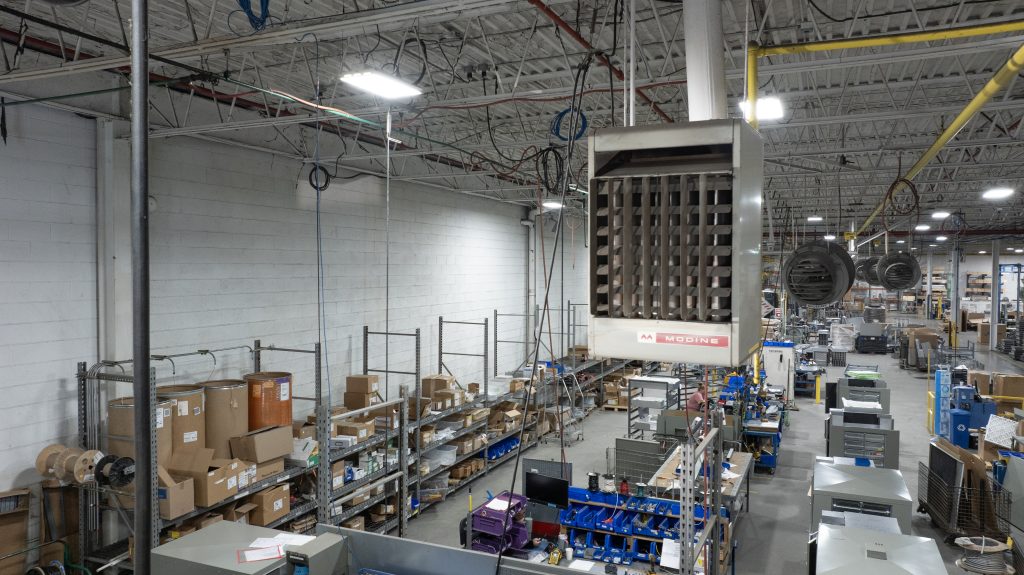
Unit heaters, such as Modine’s Hot Dawg®, are standalone devices designed to deliver heat directly to a space, typically through a fan-driven system that blows air over a heat exchanger. They can be powered by gas or by electricity, and they can be strategically mounted from ceilings to generate warmth in needed areas. Their flexibility makes them ideal for a range of industrial environments where centralized ducted systems are either impractical or insufficient.
When properly configured, unit heaters maintain consistent indoor temperatures, protect temperature-sensitive equipment and ensure comfort for employees. For unit heaters to remain robust and reliable through the coldest months of the year, they require specific attention to detail during installation and throughout their service life, including Preventive Maintenance for wintertime heating.
Avoidable issues
Thankfully, unit heater problems can usually be prevented simply through awareness of a few avoidable issues. The most common culprits include:
- Errors with the initial installation, including inadequate clearance, poor venting or incorrect gas line sizing, all of which can compromise performance.
- Neglect of routine cleaning; dust, dirt and debris accumulation can restrict airflow, reducing efficiency and straining components.
- Faulty controls or sensors. Malfunctioning thermostats, flame sensors or safety switches can shut the system down unexpectedly. Routine inspection can help identify issues in advance.
When left unaddressed, these issues may increase the risk of a system shutdown or heating interruption, right when the cold weather season begins in earnest.

Ensuring proper installation
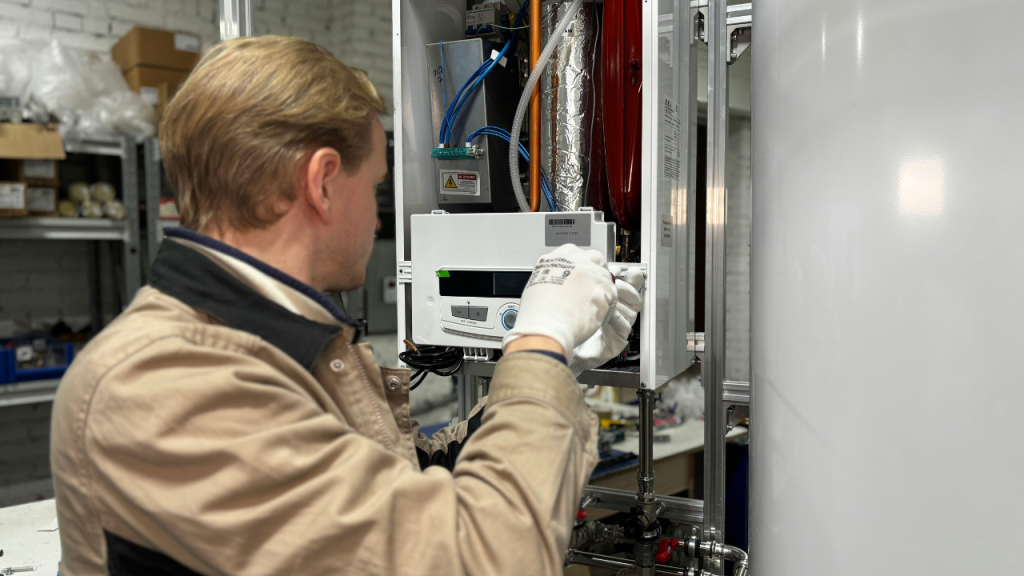
Simply verifying correct installation can go a long way toward minimizing these potential setbacks. A few best practices for unit heater installation include:
- Ensure the unit matches the space. Heating capacity (BTU rating) should align with the building’s square footage, insulation levels and use patterns. In warehouse and distribution centers, bay height is a critical concern here. Undersized units run constantly and fail prematurely, while oversized units cycle too frequently and consume too much energy.
- Verify that airflow is unobstructed. Unit heaters should be mounted with proper clearance from walls, ceilings and storage racks. This ensures optimal air circulation while also minimizing the risk of the unit overheating.
- Configure the venting properly. Gas-powered unit heaters require venting systems that safely expel combustion gases. Improper venting can lead to carbon monoxide buildup within the building, which is both unsafe and non-compliant with building codes.
- Make sure thermostats and controls are positioned correctly. Controls should be positioned away from direct heat or drafts to ensure accurate readings and efficient operation.
Prioritizing preventive maintenance for wintertime heating
Once installed, unit heaters benefit from preventative maintenance, including Preventive Maintenance for wintertime heating, which can help ensure smooth and consistent functionality for a long time to come.
A good place to begin is by developing a rhythm of seasonal inspections. Before winter, facilities team members should inspect heat exchangers, fans and motors for wear, lubricate moving parts and confirm all electrical connections are secure.
Cleaning vents is also important, particularly for gas-powered units. Blocked vents reduce efficiency and strain the blower motor. Simply by ensuring exhaust vents remain clear, facilities teams can prevent these kinds of issues.
Thermostat calibration is a must. Teams should check that thermostats accurately reflect ambient temperatures. By doing so, they can avoid overworking the system.
Beyond the unit heater itself, facilities teams should take a system-level approach to maintenance by evaluating how these heaters interact with the broader industrial environment. Large manufacturing floors, distribution hubs and production areas often contain airborne particulates, vibration-heavy equipment and fluctuating temperature zones that can influence heater performance over time.
Incorporating unit heaters into existing preventive maintenance programs, including steps such as aligning inspections with lockout/tagout procedures, facility shutdown periods or safety audits, helps ensure they receive consistent attention. Additionally, documenting performance trends, filter changes, component replacements and operational anomalies enables teams to spot patterns early and make data-driven decisions that extend system life, reducing unplanned downtime.
Assessing the signs
Even with consistent Preventive Maintenance for wintertime heating, any heating device can eventually take on wear and tear that requires repair or replacement. Industrial maintenance teams can stay ahead of it by remaining vigilant for common warning signs, allowing them to intervene before their building faces a major disruption.
Some of the telltale signs to watch out for include:
- Unusual noises from fans or motors.
- Increased energy bills without a clear cause.
- Visible soot, discoloration, or corrosion around the unit or venting.
- Frequent system cycling or failure to ignite.
No matter the type of facility, even a brief operational disruption can have outsized impacts. A proactive approach to unit heater installation and care not only safeguards comfort and productivity during extreme weather; it can also protect the bottom line.

Related Articles

What is the Value of Failure Prediction - Early Warnings?

A Simple Fault Finding Technique


Scale Formation in Cooling Water Systems: Protecting Cooling Water Systems, Part 3
Back to Basics: Understanding Reliability Block Diagrams (RBD)