Who Should Decide the Right Frequency for Preventive Maintenance Tasks?
www.reliabilityplant.com
Routine, time-based preventive maintenance is a fact of life for production-critical equipment. But, who should decide how often these tasks are performed? Should it be the maintenance team (led by the maintenance manager) or the production manager and the operations group? While the question may seem odd (maintenance people should decide when its work gets done, right?), many plants allow production to define maintenance scheduling by default.
Let me explain. In many plants, production occurs 24/7, 52 weeks a year, perhaps with the exception of a one- or two-week maintenance shutdown. Under these circumstances, careful planning needs to occur so the backlog of maintenance tasks that can’t be done with machines running can be completed in the allocated outage period. But when it comes to lubrication, many tasks simply can’t wait a year (or longer) between intervals. Take, for example, regreasing bearings. With the exception of small and/or low-speed element bearings, logic dictates that bearings be regreased more frequently – in some cases, as often as once per shift. But unless the bearing is accessible during normal operation, as opposed to being hidden behind guards or machine interlocks, the only time the bearing will be greased is when production makes the machine available to maintenance. In this case, production schedules drive maintenance decisions.
The same logic applies to oil changes. Consider a small yet critical centrifugal pump. Many pumps of this type contain just a few gallons (or less) of oil. But, changing oil can be a real problem if the pump can’t be shut down without taking down production; and while some may advocate doing an oil change “on the fly”, it’s not recommended or the preferred course of action. Of course with circulating systems, larger oil volumes coupled with the ability to “sweeten” the oil through bleed and feed (draining a small amount of oil from the reservoir and replacing it with an equal volume of new oil) makes this less of a problem.
What about filter changes? Most circulating systems have inline filters on the supply side and, in some cases, return line filters. But unless these filters are arranged in a duplex configuration with the ability to valve off one of the filters with the machine running, filter changes won’t be determined by oil analysis or differential pressure as best practice dictates, but instead by machine availability as determined by production schedules.
So, how can we avoid these problems? We’re not about to advocate modifying production schedules except in the most exceptional cases. Instead, we must modify the way we maintain our machines.
The place to start is during the design and installation phase. In past columns, I’ve talked about “maintainability” – having machines designed and installed in such a way that tasks like regreasing bearings or changing filters can be done without the need for intrusive system access. Maintainability needs to be built in from the outset, during equipment design. While it’s possible to modify in-service equipment to allow better intrinsic maintainability, it often takes significantly more time, effort and money to do this after the fact than it does from the start.
The second consideration is in the selection of lubricants and accessories (filters, breathers, etc.). If accessibility to a machine is limited to a year (or longer), the plant should consider using premium lubricants such as synthetics that will generally last longer than conventional mineral-based lubricants and may indeed last a year or longer without the need for an oil change. Where contamination is the driving force for a shortened PM interval, consider using better breathers, mechanical seals or large filters with greater dirt-holding capacity. Or, perhaps equipping the machine with quick connects to allow a portable filter cart to be used to decontaminate the oil while the machine is running is all that’s required.
The final consideration is in efficient planning and scheduling. When outages and production schedules dictate PM intervals, resource requirements will fluctuate from periods of low demand to “all hands on deck” when the machine becomes available for maintenance. But when maintainability is used, coupled with the appropriate use of premium products and accessories, the highs and lows of maintenance resource scheduling are less pronounced. Likewise, through the use of appropriate software tools that provide for options such as job kitting, dynamic job planning and current machine operating status, maintenance can take advantage of “golden opportunities” – times when the machine is unexpectedly down for production.
A common complaint I hear from maintenance people is: “Production won’t let us have the machines in order to properly maintain them.” While there’s a measure of truth to this statement, there’s plenty we can do to insure that the maintenance team fulfills its mandate to deliver reliability and availability to the operations team.
Related Articles
During the 20th century cheap and abundant energy made corrosion a manageable problem. This era is coming to an end. Soon, industry will find there is less funding available for corrosion prevention after adjusting for rising energy costs. At this time, management will be forced to decide whether to continue with traditional corrosion control practices or change to something new with a greater potential for energy savings. For many, this will be an extremely difficult decision to make.
During the 20th century cheap and abundant energy made corrosion a manageable problem. This era is coming to an end. Soon, industry will find there is less funding available for corrosion prevention after adjusting for rising energy costs. At this time, management will be forced to decide whether to continue with traditional corrosion control practices or change to something new with a greater potential for energy savings. For many, this will be an extremely difficult decision to make.
See More
Current reliability calculations are predisposed to a single failure mode or mechanism and assume a constant failure rate, while research being carried out by the Center for Risk and Reliability at the University of Maryland implies that reliability is a function of the level of damage a system can sustain, with the operational environment, operating conditions and operational envelope determining the rate of damage growth.
Current reliability calculations are predisposed to a single failure mode or mechanism and assume a constant failure rate, while research being carried out by the Center for Risk and Reliability at the University of Maryland implies that reliability is a function of the level of damage a system can sustain, with the operational environment, operating conditions and operational envelope determining the rate of damage growth.
See More
The motor carbon brush has been a critical component in variable speed rotating equipment for over 100 years. The trend towards reduced maintenance has resulted in the elimination of many well established procedures related to carbon brushes. Today new technology is attempting to replace this component and permanently eliminate these maintenance costs. However, when subjected to the proper operating conditions carbon brushes do yield excellent life and perform an amazing function.
The motor carbon brush has been a critical component in variable speed rotating equipment for over 100 years. The trend towards reduced maintenance has resulted in the elimination of many well established procedures related to carbon brushes. Today new technology is attempting to replace this component and permanently eliminate these maintenance costs. However, when subjected to the proper operating conditions carbon brushes do yield excellent life and perform an amazing function.
See More
When maintenance is allowed to interact with the plant and production Original Equipment Manufacturer (OEM), a prosperous relationship for both parties will often ensue. This OEM partnership results in first-hand information for maintenance to set up its maintenance approach, and valuable operational and design feedback for the OEM. There are seven main circumstances in which maintenance will interact or communicate with an OEM and form an OEM partnership.
When maintenance is allowed to interact with the plant and production Original Equipment Manufacturer (OEM), a prosperous relationship for both parties will often ensue. This OEM partnership results in first-hand information for maintenance to set up its maintenance approach, and valuable operational and design feedback for the OEM. There are seven main circumstances in which maintenance will interact or communicate with an OEM and form an OEM partnership.
See More
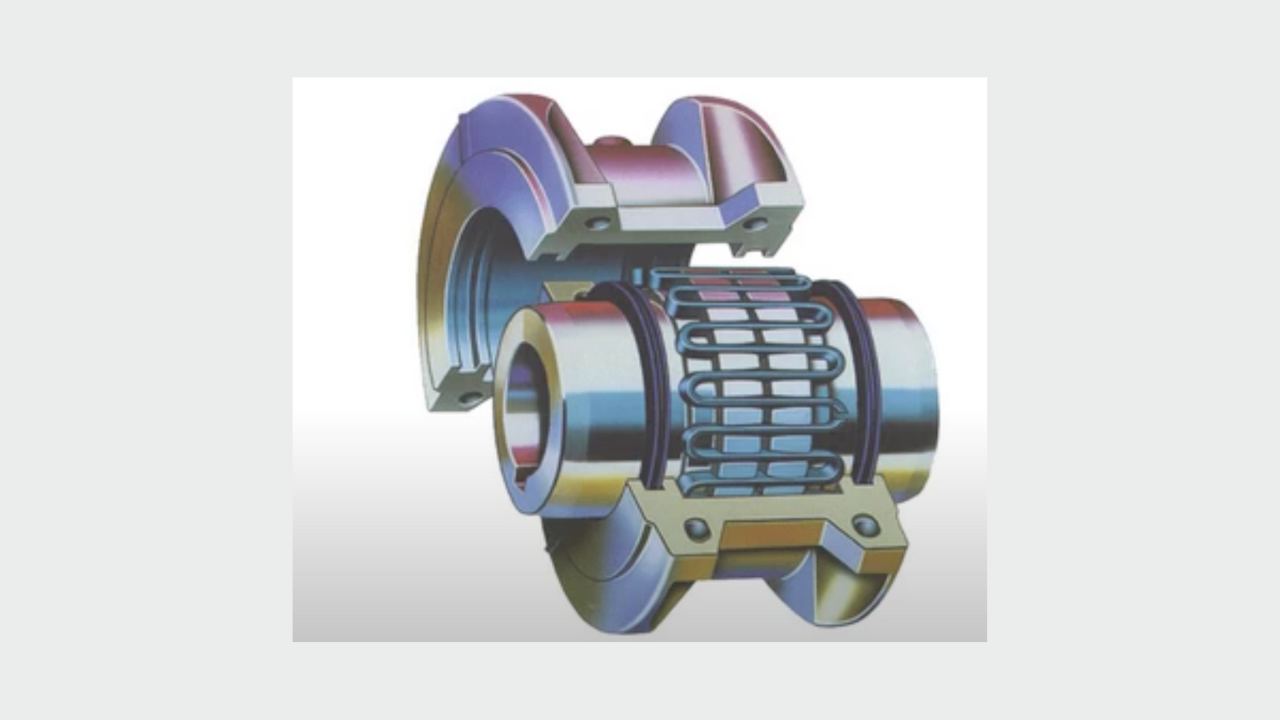
The next step that we talked about was, "How did the component fail…the grid coupling?" This is something that a lot of times, once we start doing this, for a grid coupling, if we set up a PM for this you can probably step straight to what kind of inspections would you do and you guys could tell me in three minutes and they’re probably pretty much right on. But I’m using something simple because I didn’t know who’s going to be in the class and what kind of technical skills you guys have. But using something simple and showing you the steps of how we break this down. I think if we say how would you inspect a coupling that’s going on the run or doing what kind inspections do we need to do and shut down. I think you guys can tell me that. I’ll show you steps anyways so you can see the thinking process using something fairly simple.
The next step that we talked about was, "How did the component fail…the grid coupling?" This is something that a lot of times, once we start doing this, for a grid coupling, if we set up a PM for this you can probably step straight to what kind of inspections would you do and you guys could tell me in three minutes and they’re probably pretty much right on. But I’m using something simple because I didn’t know who’s going to be in the class and what kind of technical skills you guys have. But using something simple and showing you the steps of how we break this down. I think if we say how would you inspect a coupling that’s going on the run or doing what kind inspections do we need to do and shut down. I think you guys can tell me that. I’ll show you steps anyways so you can see the thinking process using something fairly simple.
See More
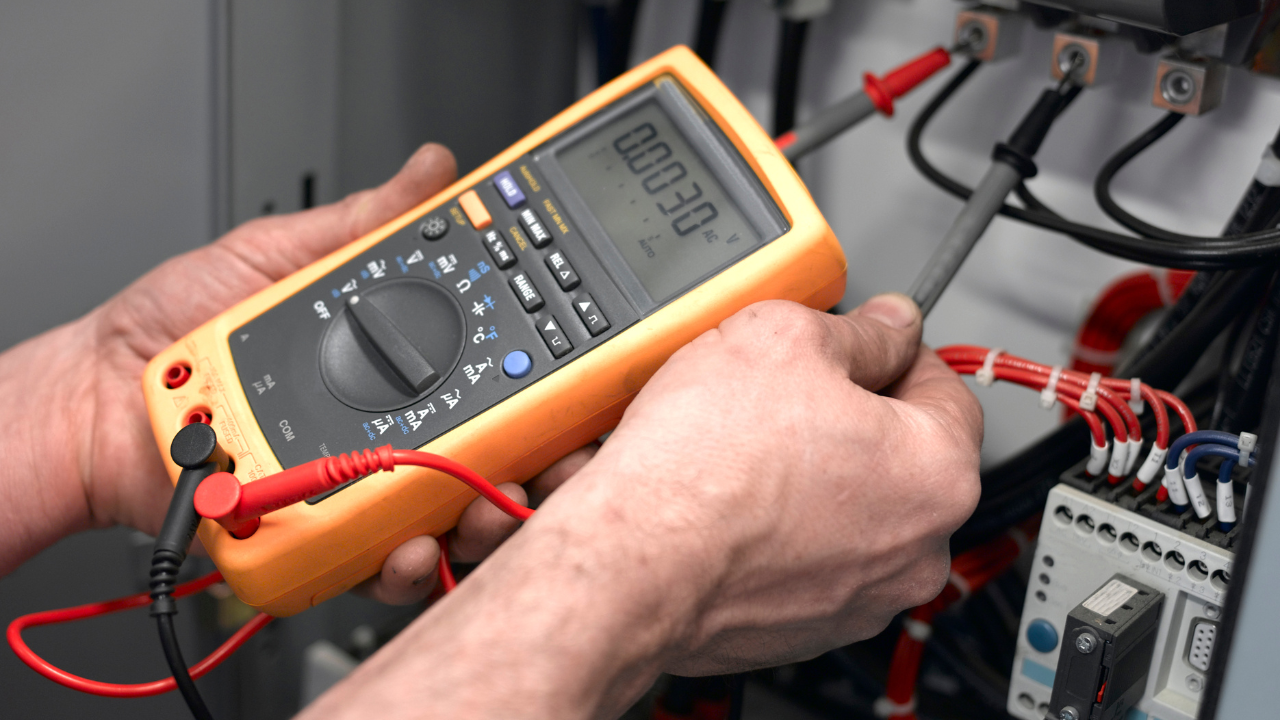
Predictive maintenance (PdM) techniques are commonly used on motors and drives. But how often is the power to the equipment inspected? Adding basic power quality measurements to equipment maintenance procedures can head off unexpected failures in both the equipment and the power system.
Predictive maintenance (PdM) techniques are commonly used on motors and drives. But how often is the power to the equipment inspected? Adding basic power quality measurements to equipment maintenance procedures can head off unexpected failures in both the equipment and the power system.
See More