
A Discussion about Root Cause
Much has been written on the subject of the “root cause” and “root cause analysis” (RCA) of failures and it is a subject on which it is worth spending considerable time and effort. But first, lets define a “root cause”.
[webinar] Embracing Digital Transformation in Maintenance & Plant Operations | March 13 at 10AM EST – Register Now
Much has been written on the subject of the “root cause” and “root cause analysis” (RCA) of failures and it is a subject on which it is worth spending considerable time and effort. But first, lets define a “root cause”.

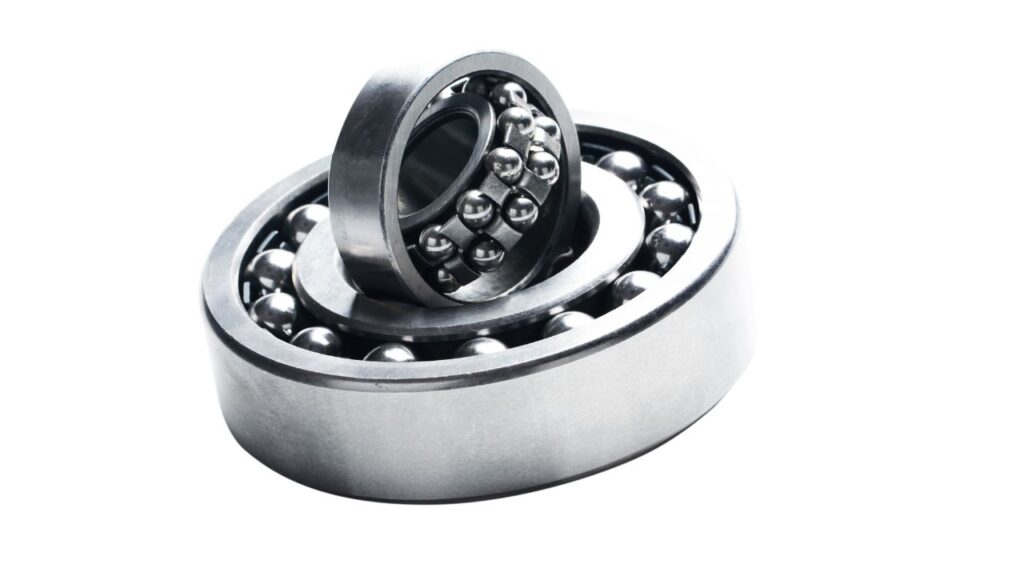
ISO 15243:2017 is a standard that classifies different modes of failure occurring in service for rolling bearings made of standard bearing steels. For each failure mode, it defines and describes the characteristics, appearance, and possible root causes of failure. The standard aims to assist in the identification of failure modes based on features that are visible on the rolling elements, raceways, and other functional surfaces.

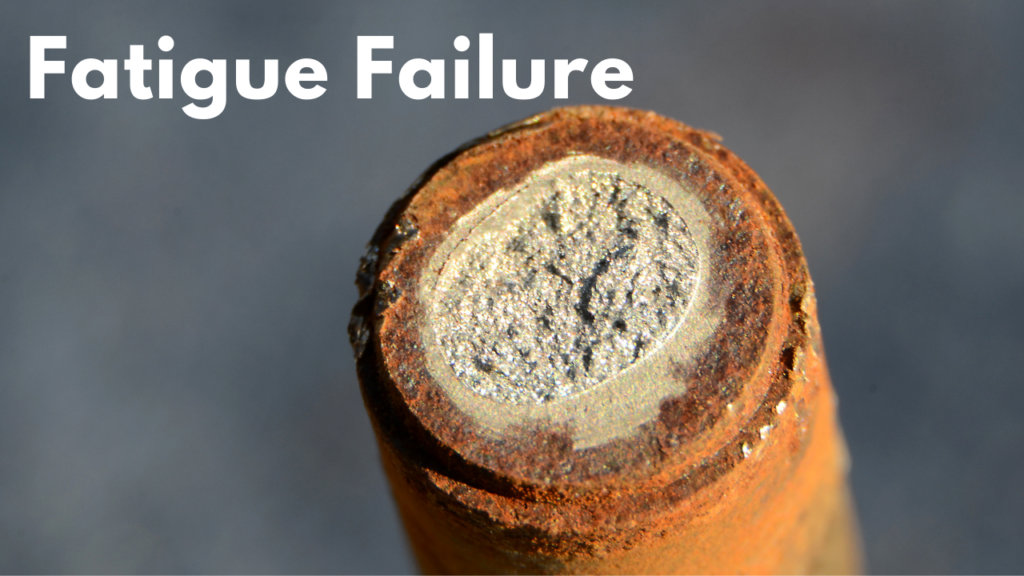
Metal fatigue is the common name used to describe the unexpected failure of metal parts by progressive fracturing while in service. The article is a basic introduction to the mechanism of metal fatigue failure. An introduction into accepted theories is provided and relevant design practices to reduce metal fatigue are presented and explained.

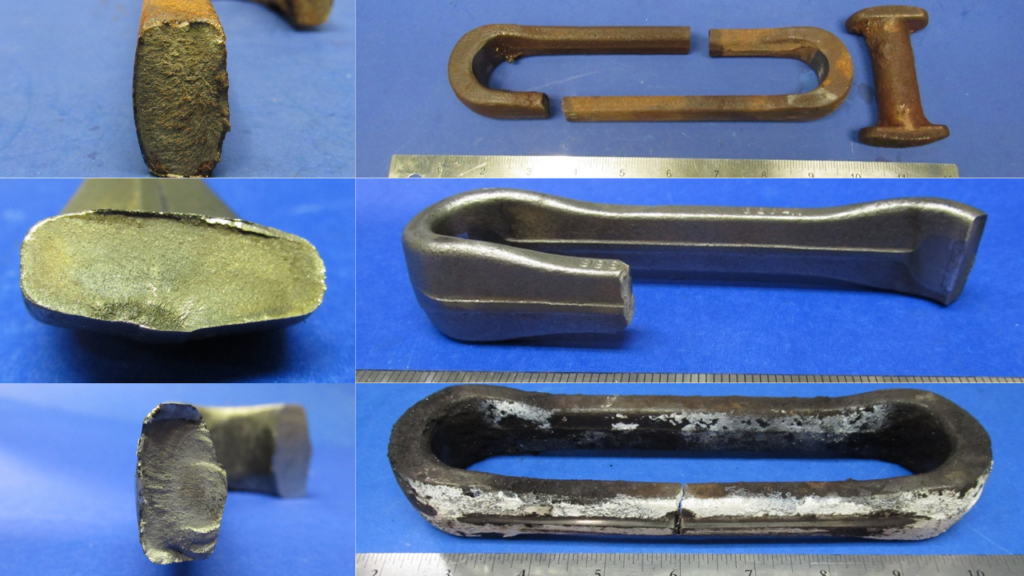
To understand why a part or equipment failed, how it failed must be first diagnosed. Different failure modes such as fatigue, brittle, and corrosion all have very different causes and very different solutions. If an investigation were to guess at the failure mode and guess wrongly, the planned remediation may not address the true cause of failure and additional failures may occur. This article considers three failed chain links and demonstrates the importance of identifying how something failed.

A fault tree is constructed starting with the final failure and progressively tracing each cause that led to the previous cause. This continues till the trail can be traced back no further. Each result of a cause must clearly flow from its predecessor (the one before it). If it is clear that a step is missing between causes it is added in and evidence looked for to support its presence. Below is a sample fault tree for the moral story of the kingdom lost because of a missing horseshoe nail.

What Causes Fatigue Failure? Metal fatigue is caused by repeated cycling of the load. It is a progressive localized damage due to fluctuating stresses and strains on the material. Metal fatigue cracks initiate and propagate in regions where the strain is most severe. The process of fatigue consists of three stages.

Fatigue is a failure mode that every manufacturing plant will experience at some point and can become chronic if not solved. While understanding fatigue has advanced since its inception in the early 1800s, there are still some misunderstandings in manufacturing in solving these failures. A characteristic of fatigue failures is stress, which is typically below the yield strength of the material. This is what makes fatigue a silent killer.

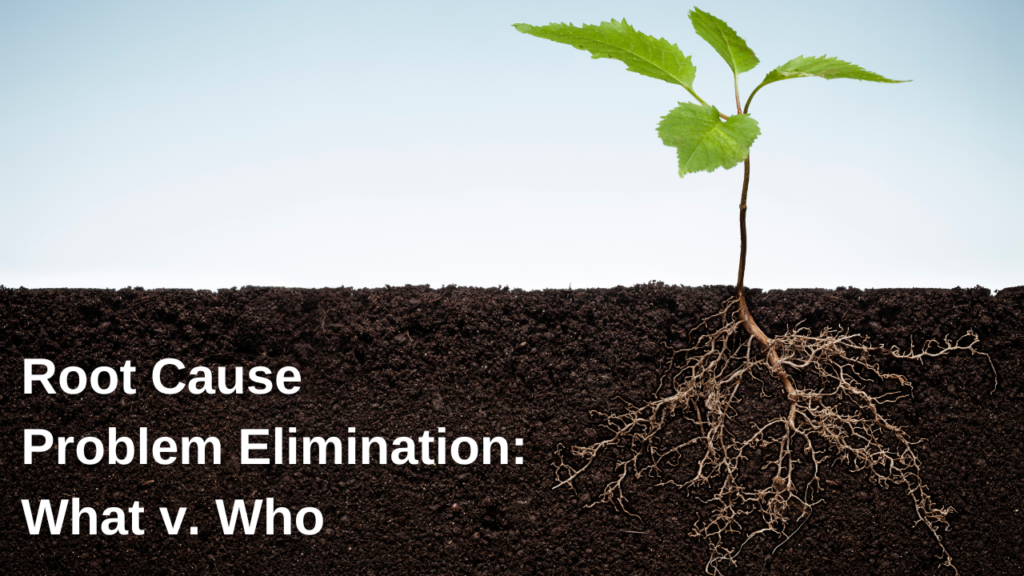
How often is the phrase “The ROOT Cause of the problem” used at your plant/mill? This phrase is a bit symptomatic of how Root Cause Analysis is thought of. The phrase implies that there is only one “cause” to the problem. Rarely is there a single root cause to any given problem. Usually, there are several reasons; to be sure there are several “technical causes” that interact to create a breakdown/failure.

So, the root cause problem elimination. It’s really just a structured approach to eliminate problems…that’s all it is. It’s what usually happens when people say they do root cause, in my experience, this is the morning meeting and someone says motor tripped-out costing production loss. So, what happens in the morning meeting, now I haven’t been to yours, but somewhere, the first thing people say is this a maintenance problem or is this an operations problem.
Click here to join the Maintenance and Reliability Information Exchange, where readers and authors share articles, opinions, and more.
"*" indicates required fields
delivered straight to your inbox
"*" indicates required fields