

Making the Case for Harmonics, Part 1
Are harmonics real or just an artifact or result of processing the waveform through the FFT? This is a question that comes up a lot among vibration analysts, or anyone working with signals and signal processing.

[webinar] Embracing Digital Transformation in Maintenance & Plant Operations | March 13 at 10AM EST – Register Now

Are harmonics real or just an artifact or result of processing the waveform through the FFT? This is a question that comes up a lot among vibration analysts, or anyone working with signals and signal processing.

Understanding the infrastructure behind smart maintenance is crucial. It’s not just a technical upgrade — it’s a strategic foundation to build a value-adding business case for agility, resilience, and continuous improvement.
The Interplay of Smart Manufacturing Technologies: IIoT, Industry 4.0, and AI. Let’s explore this fascinating evolution chronologically. These concepts are deeply intertwined, but they emerged at different times and gradually converged.
When it comes to sheaves, proper vibration analysis is critical for identifying faults and preventing costly damage to equipment. These vibration analysis tips highlight two common sheave-related issues—eccentricity and misalignment—and presents practical advice for diagnosing them.

Condition based maintenance offers a large array of benefits if done correctly. It is not enough however to know we are doing a good job. We have to be clear about our goals and we have to be clear about how we are going to measure if we are meeting our goals or not. There are all sorts of fancy software platforms with dashboards that can help us define and measure KPIs, and track and visualize them, but we have to actually use them!

Integrity Testing is a proactive approach to preventive maintenance for Plate and Tubular Heat Exchangers in sanitary processing environments. This process allows for the early identification of potential leaks and failures, serving as a cost-effective and environmentally friendly form of preventive maintenance.
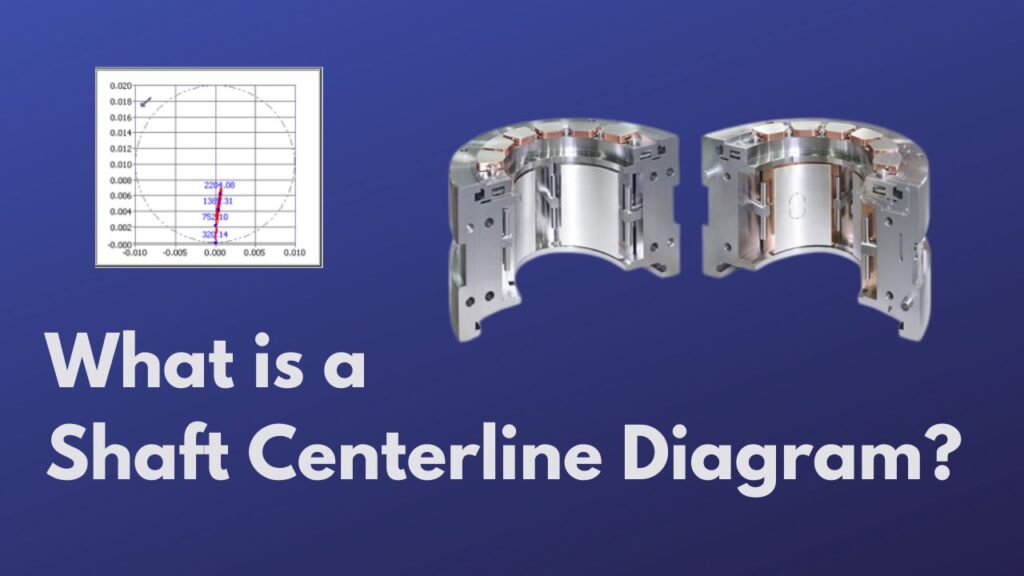
A shaft centerline diagram is a plot used in the vibration analysis of journal bearings. It is also called a shaft average centerline diagram. The purpose of this graph is to display the average position of the rotor in the bearing. In short, for different bearing types, there is an expected or “normal” position of the shaft in the bearing. If this position changes, it can indicate a problem.
Condition-based maintenance (CBM) is a maintenance strategy that focuses on monitoring the condition of equipment to determine when maintenance actions should be performed. While CBM can be effective in reducing unplanned downtime and optimizing maintenance activities, it alone does not address the root causes of failure and may not lead to long-term improvements in machine reliability. Here are a few reasons why CBM, on its own, may not improve reliability.

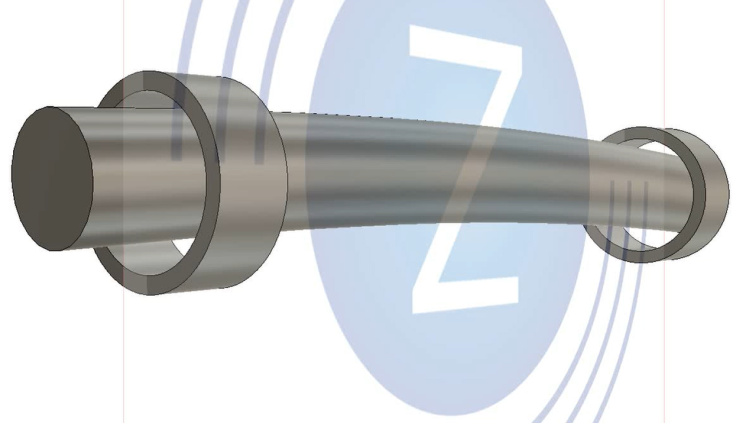
Diagnosing a bent shaft with vibration analysis is easy to do, especially when you can visualize its movement using 3D animations. Vibration patterns for different faults can look similar to each other. This is why it is always best to start with the machine, consider what faults are most likely and then take data in the proper test points and axes to find the most likely faults. It can get complicated, but 3D animations make it easier to visualize what is going on.
Click here to join the Maintenance and Reliability Information Exchange, where readers and authors share articles, opinions, and more.
"*" indicates required fields