
[webinar] Embracing Digital Transformation in Maintenance & Plant Operations | March 13 at 10AM EST – Register Now

Condition Monitoring

Condition Monitoring

What You Should Know Before you Buy – A Guide to Buying an Infrared Camera

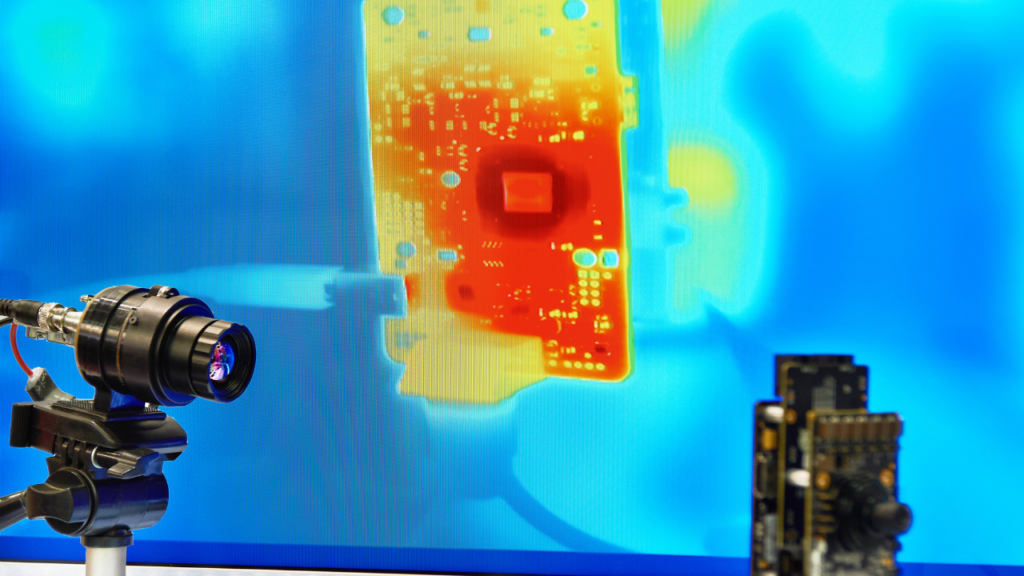
During Academy of Infrared Training courses, we see many students who have purchased an infrared camera that is not suited for their intended use. These students have put their trust in a camera salesperson, and, many times, that salesperson was solely interested making a sale. Later, these students are disappointed to find out that the camera is not truly suited for their application. This article aims to help the camera buyer understand what basic camera specifications mean, and also help them determine what type of camera and options are suitable for their application. If you note your answers to questions throughout this article, by the end you should have a custom list of applicable specifications and options.

See More
Condition Monitoring

Why Record? Infrared Video

As the infrared industry continues to develop, documentation will become more important and required. Infrared video recording and data logging creates a database, making the thermographer and the end user accountable for all items surveyed, thereby reducing the liability and improving the quality for both the end user and infrared thermographer.

See More
Condition Monitoring

What is Vibration?

In its simplest form, vibration can be considered to be the oscillation or repetitive motion of an object around an equilibrium position. The equilibrium position is the position the object will attain when the force acting on it is zero. This type of vibration is called “whole body motion”, meaning that all parts of the body are moving together in the same direction at any point in time.

See More
Condition Monitoring

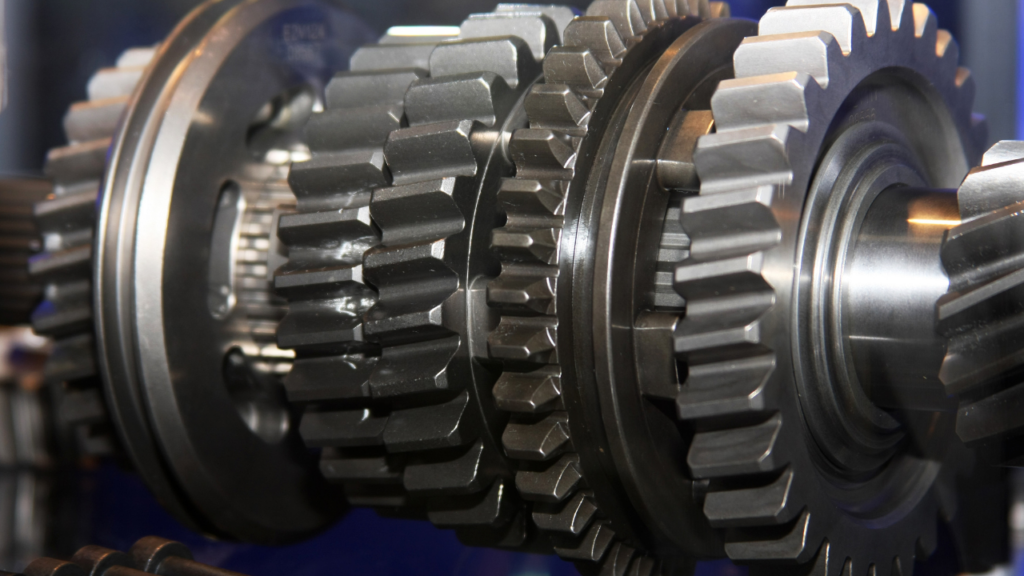
Gearbox Diagnostics Fault Detection

The paper deals with the method of gearbox diagnostics fault detection, and shows that using: design, production technology, operational, change of condition (DPTOCC) factors analysis leads to the inference of gearbox diagnostic information. In the paper is a review of the current possibilities for using mathematical modeling and computer simulation for investigating the dynamic properties of gearbox systems. Computer simulation of dynamic behavior of gearboxes is a powerful tool for supporting gearbox diagnostic inference.

See More
pressure measurement transmitters
Condition Monitoring

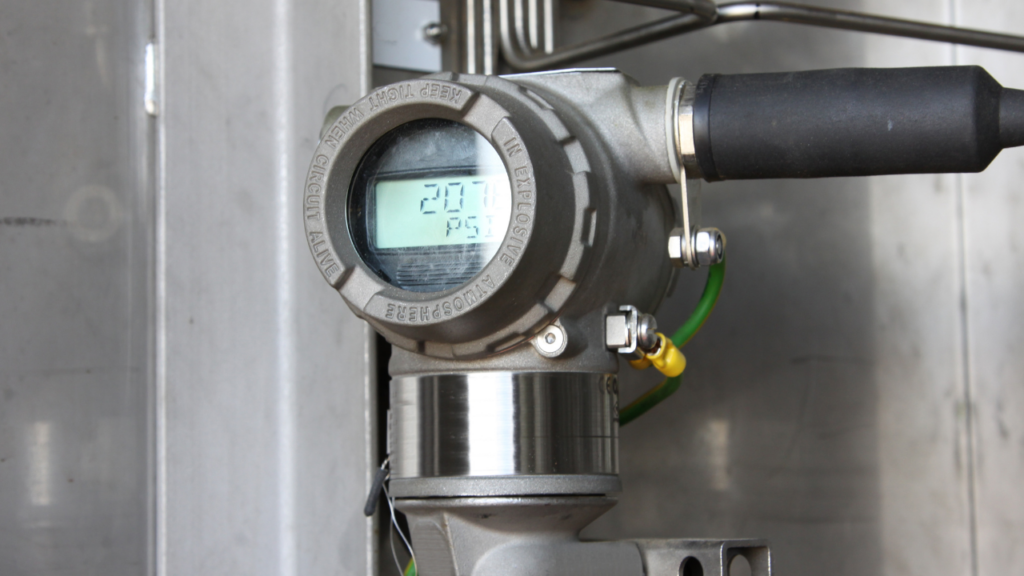
Top Tips for Selecting Pressure Measurement Transmitters

When selecting pressure measurement transmitters, the first stage is whether to opt for a transducer or a transmitter. Although the terms are often confused, there are several differences between transducer and transmitter devices. A transducer creates a low-level electronic signal in response to changes in applied or differential pressure. As with transmitters, transducers feature an internal sensor that converts the applied force into an electrical signal, from which the measurement is derived.

See More
Condition Monitoring

Principles of Insulation Testing

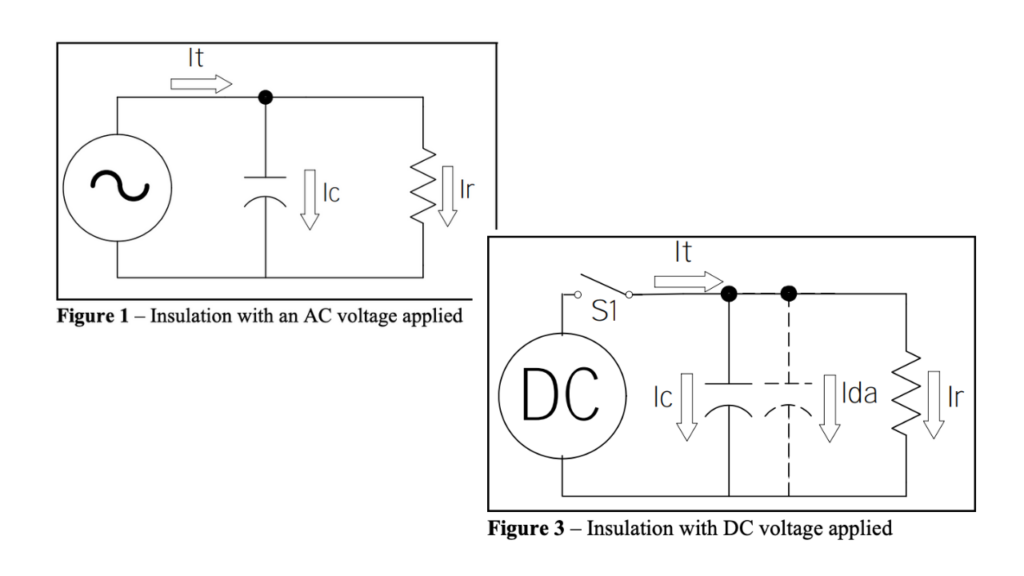
Probably 80% of all testing. performed in electrical power systems is related to the verification of insulation quality. This Cadick Corporation Technical Bulletin briefly describes the fundamental concepts of insulation testing including – insulation behavior, types of tests, and some test procedures. For more detailed information, refer to the bibliography at the end of the paper.

See More

Join the discussion

Click here to join the Maintenance and Reliability Information Exchange, where readers and authors share articles, opinions, and more.

"*" indicates required fields

This field is for validation purposes and should be left unchanged.

Get Weekly Maintenance Tips

delivered straight to your inbox

"*" indicates required fields

This field is for validation purposes and should be left unchanged.