
Related Articles

RCM for Medium Sized and Lean Organizations
RCM may have been thought of as a strategy best left to large organizations. That may have been a perfectly logical assumption. Small-to medium-sized enterprises (SMEs) and lean operations simply seem to have less money to invest in and fewer resources to cope with the many activities required for RCM success. Now, however, out of joint academic/industry collaboration in Spain, comes information that may help begin to put these types of popular misconceptions to rest. The RCM methodology described in this overview of the Spanish research has been adapted to meet the specific needs of today’s smaller, leaner organizations. And it is not just a theory, either. The practicality of this approach is being confirmed through actual testing in SME and/or lean companies.

Back to Basics: Understanding Reliability Block Diagrams (RBD)
Reliability Block Diagrams have been around for a very long time, helping system engineers understand how the various elements, and their relationships, could impact the overall reliability and operation of the system. Taking the effort to diagram a system logically can provide great insight into where the weak links are. In some cases, an RBD can expose that your assumed redundancies are not actually as effective as you think they are.

You Want to See Through Walls?
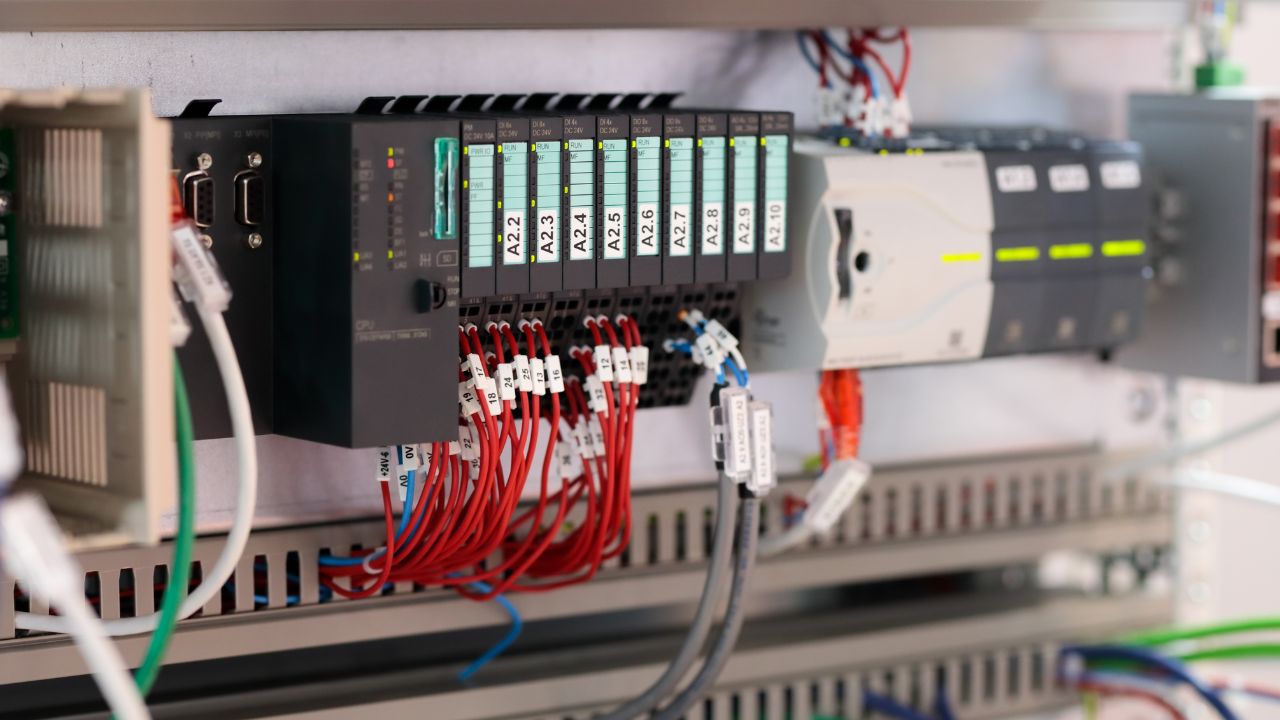
In most buildings, critical pipes carrying water and natural gas; cables carrying data and electricity; ventilation pipes carrying cool or warm air, are all typically hidden behind walls, out of sight. The facilities team needs to see them. They need to know where everything is and what each pipe connects to so that they can always maintain and ensure the proper functioning of these conduits. So how does one see through walls?
Pump Maintenance Basics: Service Duty and Shaft Alignment
When centrifugal pumps are modified to perform a different duty the new service head, flow and motor power characteristics are calculated from the Similarity Laws. Shaft misalignment is one of the most common reasons for bearing and mechanical seal failures.

Fast, Reliable Measurements Give Us An Effective Way of Planning Preventive Maintenance In Advance
"This equipment has given us completely new opportunities to plan maintenance activities in advance. This has meant that we've been able to minimize the number of breakdowns, thus increasing our profits." A look in the rear-view mirror tells us that before 1993, the mill suffered three or four breakdowns, caused by stock damage, every year. After installation of the SPM system, breakdowns have been very rare, which has made it possible to avoid production losses worth millions.