

The Truth Behind Misalignment Vibration Spectra of Rotating Machinery
by S. Ganeriwala, S. Patel, & H.A. Hartung
Click here to download the full pdf.
by S. Ganeriwala, S. Patel, & H.A. Hartung
Related Articles

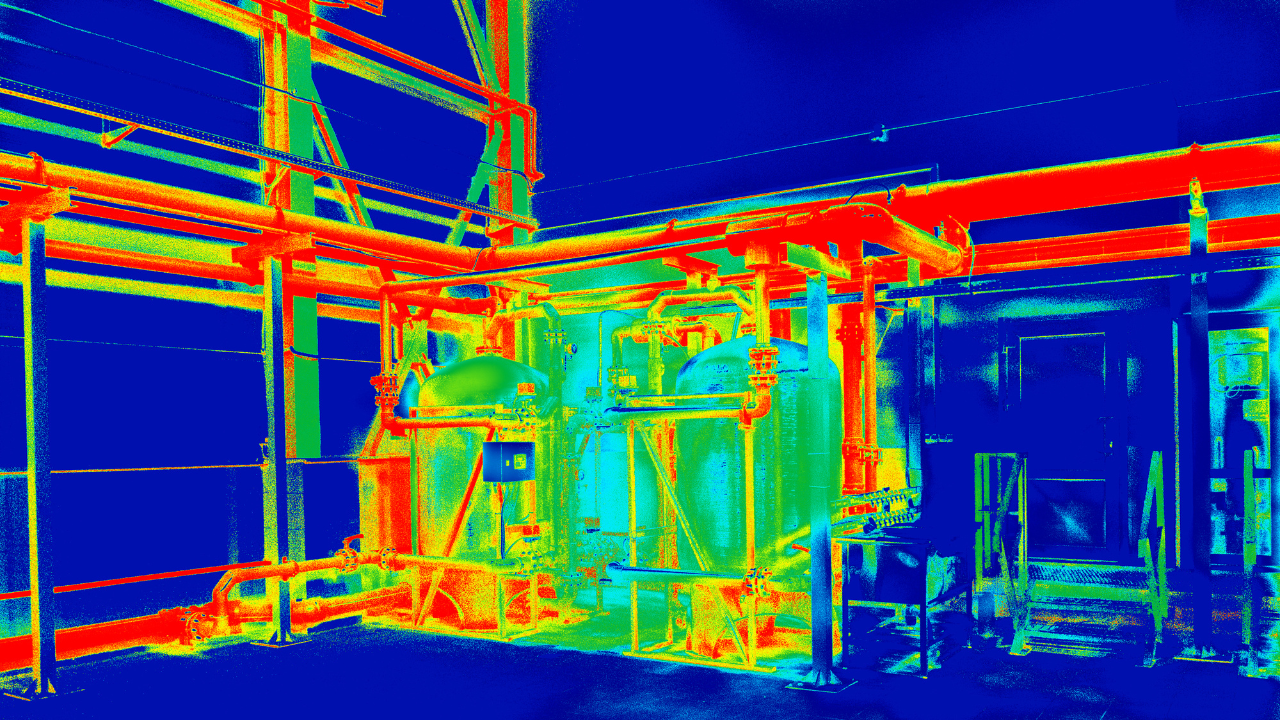
How The Eyes (and IR camera) Can Be Misled
The IR camera is a great tool used in our everyday predictive maintenance endeavors, but it can play tricks on our eyes if we do not investigate beyond what we are observing. Things truly are not always as they seem, here's an example:
Developing and Implementing an Infrared Predictive Maintenance Program
Westar is currently evaluating the implementation of a new database and route collection system. This new component to the infrared program will allow for Web-based tracking and trending of all infrared projects and will greatly enhance the efficiency of our program. It will also allow for simultaneous imbedding, reporting, tracking, and trending of the ultrasonic technology being brought into the thermography program.

Understanding The Basics Of Balancing & Measuring Techniques
Why Balance? All rotating components experience significant quality and performance improvements if balanced. Balancing is the process of minimizing vibration, noise and bearing wear of rotating bodies. It is accomplished by reducing the centrifugal forces by aligning the principal inertia axis with the geometric axis of rotation through the adding or removing of material. In order to understand the basics of balancing it is necessary to define the following fundamental terms.

Keeping Things Moving… Capture Problems Faster With High-Speed Video Technology
Industrial Video Solutions (IVS) supplies high-speed digital video technologies to packaging, manufacturing and paper industries around the world. These systems combine the latest in GigE technology, digital video developments, efficient lighting and an intuitive, feature-rich user interface. The goal: keep that product moving!
Condition Monitoring of Steam Turbines by Performance Analysis
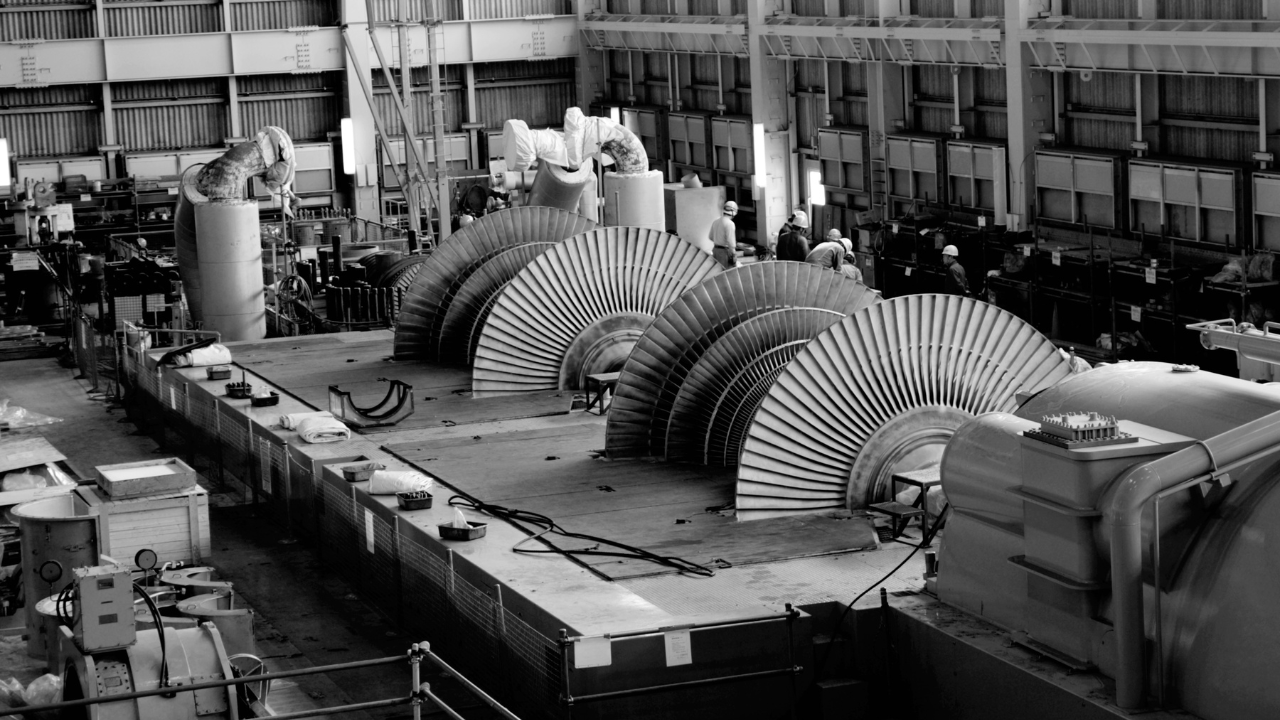
Many power generation steam turbine generators today are required in service well beyond their intended lifetimes. Dismantling for inspection is expensive, and owners need to consider all relevant information in making the decision. Application of condition monitoring in all the applicable methods is justified, with each showing different degradation modes. Performance analysis is less well publicised, yet unlike vibration analysis and oil debris analysis, it will show conditions which reduce machine efficiency and output, such as deposits on blades and erosion of internal clearances. The paper outlines, with examples, some condition monitoring techniques that have contributed to retaining some large fossil machines in service for up to 17 years without opening high-pressure sections.

Condition Monitoring Tools: Be Creative
When performing condition monitoring tasks, don’t just rely on expensive condition monitoring tools. You would be surprised at the unusual and simple tools that can be used.

Data Analysis Tip 1 – Consider the Machine First and Then the Graphs
A common approach to looking at vibration spectra is to display the graphs and then ask “What is wrong with this machine?” Another common approach to analyzing vibration spectra is to display the graphs and then ask “What is this peak?” and “what is that peak” A better approach to analyzing data is to first ask “What faults can this machine have?”, “Which of these are most common for this machine?” and finally...