
Cut Maintenance Costs in 2026
Paweł Bęś, Logistics and Maintenance Marketing Expert, QRmaint
Posted 1/8/2026
The financial stakes for manufacturing in 2026 have reached an unprecedented level. As we have seen, the cost of an idle production line in the Automotive sector has skyrocketed to $2.3 million per hour—or over $600 every single second. For the world’s 500 largest companies, unplanned downtime now siphons off 11% of their total revenue, a staggering $1.4 trillion loss that rivals the annual GDP of an industrial powerhouse like Spain.
In 2026, strategic alignment between industrial giants such as Siemens and IFS has become a survival necessity. Their collaboration aims to deliver tangible reductions in maintenance costs by leveraging Industrial AI, thereby directly improving operational efficiency.
This year, the impact of the Siemens and IFS partnership was highlighted at a recent US-based ERP provider event. Siemens integrates real-time asset health data, while IFS, through its Ultimo platform, applies AI-powered scheduling. Together, they target drastic operational cost cuts and maintenance automation, with early results pointing to a clear shift toward efficient, AI-driven cost reduction in 2026.
By leveraging digital tools to minimize friction between departments and integrating advanced CMMS (Computerized Maintenance Management Systems), firms are finally moving from reactive chaos to predictive precision. See more in the article below.
Let’s refocus on the main question: What matters in 2026 for maintenance management, given these industry-wide pressures and responses?
The Siemens-IFS partnership is critical because Siemens delivers live asset health data and IFS optimizes this flow using AI-powered scheduling. Their combined approach is the main driver helping companies achieve the ambitious maintenance cost reductions of 20–30% in 2026.
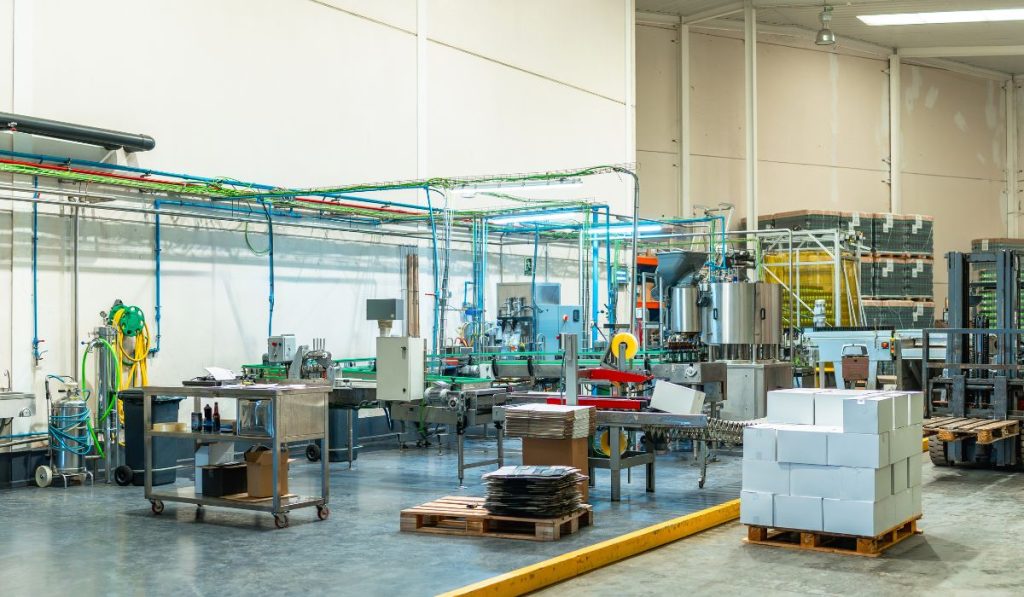
Cut Maintenance Cost in 2026: The shift to precision
Faced with these crippling costs, the industry has moved beyond traditional “fix-it-when-it-breaks” mentalities. Maintenance is no longer just a back-office expense; it is a strategic lever for margin protection.
- The Death of Over-Maintenance: In 2026, companies are ruthlessly cutting the “hidden waste” of scheduled maintenance. Traditional calendar-based service often results in 30% of tasks being performed too frequently, leading to unnecessary line closures and inflated spare parts inventories.
- Predictive Maintenance (PdM) as the Standard: PdM has transitioned from a “nice-to-have” technology to an essential survival tool. By using IoT and AI to monitor machine health in real-time, manufacturers can forecast failures 6 to 12 months in advance with over 85% accuracy.
- The “Heavy Industry” Success Story: High-stakes sectors have been the most aggressive in this shift. Heavy Industry has successfully slashed its downtime hours to nearly one-third of 2019 levels, proving that even the most complex environments can be optimized through better data.
- Asset Criticality Prioritization: Since the cost of a lost hour in Automotive ($2.3M) is vastly different from FMCG ($36k), 2026 leaders are focusing their digital investments on “high-impact” assets where a single second of downtime hurts the most.
With these manufacturing advances in mind for 2026?
Let’s turn to another pivotal area: What about 2026 in Facility management?
If you ask yourself whether data management in maintenance will still be an issue, the answer is yes. It’s 2026, and even the US—the most advanced market—is still struggling with manual data entry. The situation is the same in Europe and in other parts of the world.
Digital friction?
Well, what we see in 2026 is that the facility management (FM) area is at a critical crossroads. FM reached the spot where the promise of smart technology meets the harsh reality of “data debt.” While we’ve moved into an era of granular insights, the industry is still reeling from the fact that 85% of operators struggle with poor-quality data. This inefficiency isn’t just a headache—it’s a financial drain, with operations bearing 68% of the costs associated with poor data quality. As we look at the current state of FM, the transition from guesswork to precision is hampered by “blind” maintenance and significant data bloat, where 10-30% of storage is wasted on redundant information.
Critical Insights into Modern Facility Data Issues
- Healthcare and facility operators lose up to 3 hours a day searching for and processing routine data, which directly impacts productivity.
- Maintenance Inefficiency: Without accurate building models, technicians often operate “blind,” resulting in 50% of maintenance spending being ineffective.
- Inaccurate data leads to unnecessary preventive maintenance, with 30% of such work done too often.
- Redundant data consumes 10-30% of storage capacity, slowing facility systems.
- Missing key asset data forces decisions based on guesswork rather than solid intelligence.
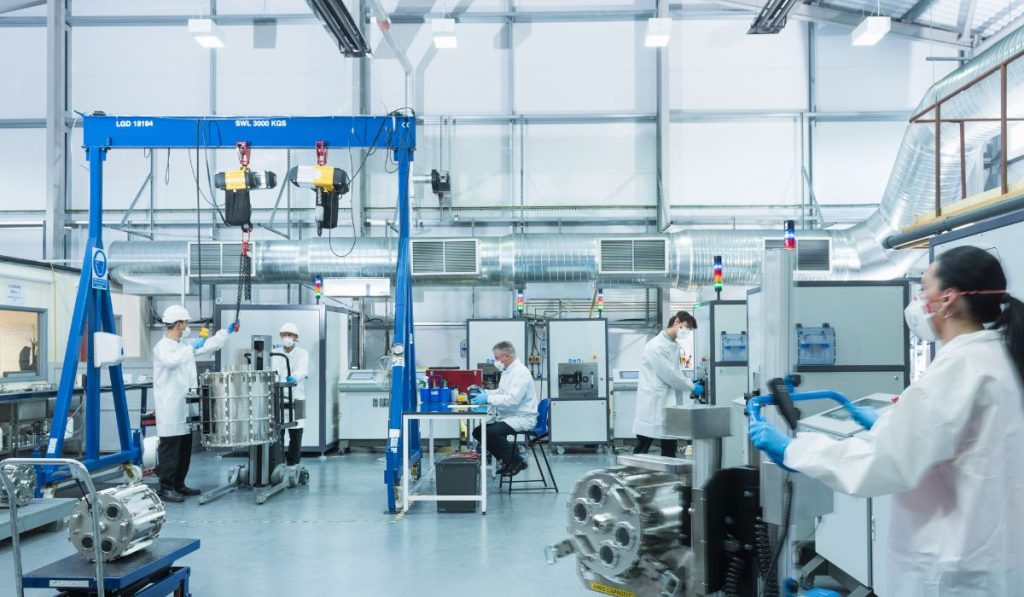
What about the CMMS system and its ability to cut maintenance cost?
Where downtime costs come in 2026 in sectors like Automotive hit $600 per second, a CMMS system is no longer just a digital logbook—it is a financial shield.
The cost of every hour of downtime has spiked in key industries. But across all sectors, total costs per plant have not risen as quickly. How? The answer is that—with the help of tools like QRmaint CMMS and Predictive Maintenance (PdM)—major manufacturers have slashed the unplanned downtime they have suffered over the last five years. On average, facilities now suffer 25 downtime incidents a month (down from 42 in 2019) and lose 326 hours a year, a reduction of nearly a third.
While downtime hours have halved in sectors like Automotive and Heavy Industry, the average plant is taking longer to get back up and running after a failure. This makes rapid response and streamlined coordination more critical than ever to protect the bottom line.
To address these challenges, the CMMS system cuts maintenance cost through the following strategic functions:
- Minimizing Response Time: By using QR codes and the Mobile App, the time between an initial failure and a technician arriving on-site is drastically reduced, preventing “long-tail” downtime events.
- Preventive Automation: Moving from reactive fixes to automated scheduling prevents catastrophic failures that would otherwise result in the halved—but still costly—downtime hours seen in modern industry.
- Andon Coordination: The Mobile Andon system bridges the communication gap between production and maintenance, ensuring that when a machine does stop, the right experts are summoned instantly.
- Inventory Optimization: Warehouse management ensures that spare parts are available the moment they are needed, eliminating the delays that cause modern plants to take longer to “get running again.”
- Data-Driven Insights: By tracking downtime reports, management can identify “bad actor” machines that contribute to the 326 annual lost hours, enabling targeted replacements rather than endless repairs.
By integrating these features, maintenance becomes a driver of efficiency rather than a cost center. The system’s mobile-first approach eliminates “administrative walk-time” and manual paperwork, allowing technicians to focus entirely on the plant floor.
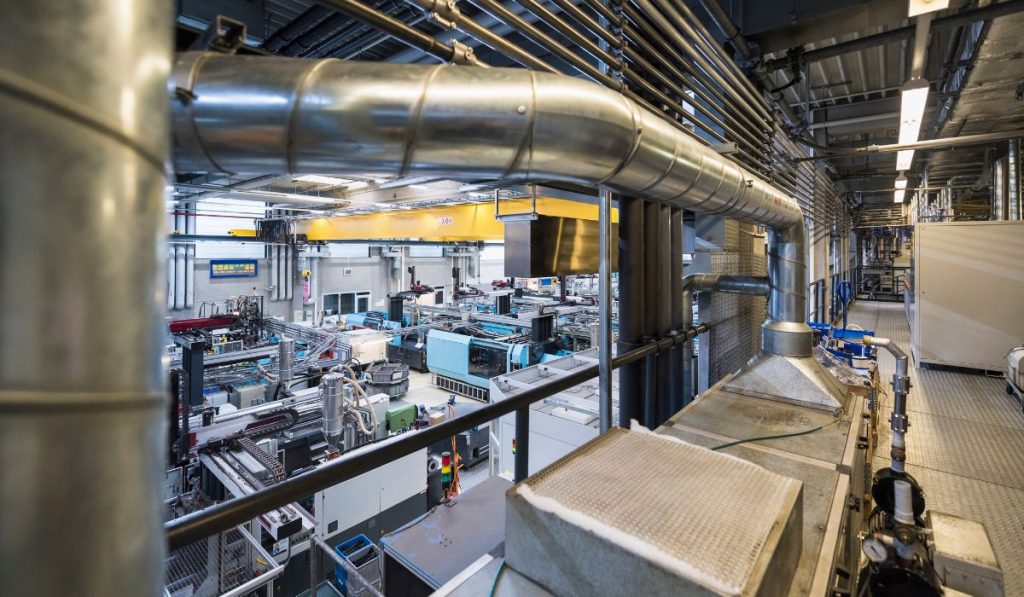
Conclusion
In 2026, maintenance has shifted from a secondary expense to a key margin driver. With downtime in automotive costing $600 per second, efficiency has become the baseline necessary for survival.al.

Related Articles

Challenging the P-F "Curve"
Data Preparation Strategies & AutoAI Advancements: Watson Studio Essentials

On-Site Fluid Intelligence: A Revolution to Advance Machinery Reliability
Principles of Insulation Testing

3 Outlooks on What's Trending and What's Important in Industrial Lubrication and Oil Analysis

Nondestructive Testing for Protective Coatings: Implementing a Lifetime Corrosion Prevention Program