Long before portable sensors and real-time dashboards became available, vibration analysis was a gritty, hands-on, and deeply specialized job. PCA’s own Stan Moore has witnessed the maturing of vibration analysis technology firsthand.
Stan Moore, PCA Senior Maintenance and Reliability Consultant, brings over four decades of hands-on experience across sectors like petrochemical, aerospace, and pharmaceutical manufacturing. He is a Certified Maintenance & Reliability Professional and a longtime SMRP leader.
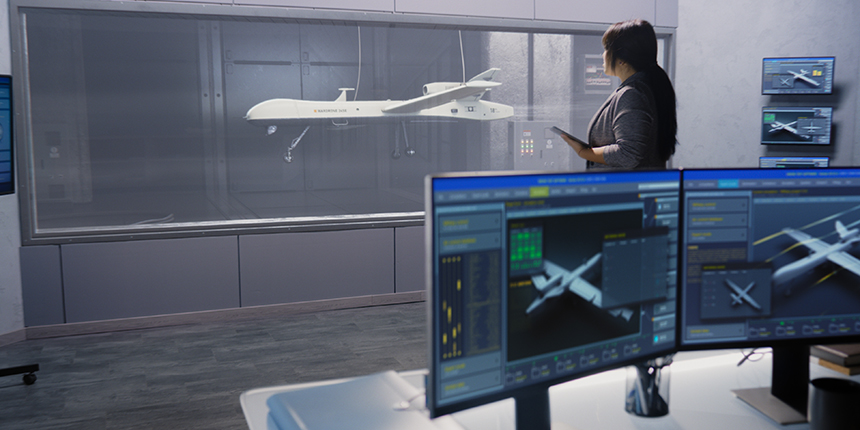
Stan had the rare opportunity to start his career working on some of the largest and most complex machinery in the country, including a 32-foot diameter axial flow compressor so massive he could literally walk through its first three stages.
That compressor, part of a massive wind tunnel at a U.S. Air Force base, wasn’t just big. It represented the scale and complexity of equipment that defined early predictive maintenance efforts.
“Back then, we only monitored the most critical assets and components. Vibration analysis was considered a tool for the elite few in aerospace and high-stakes defense projects,” said Moore. But as the technology evolved, so did its accessibility and impact.
From Reactive to Proactive
In those early days, 80% of Moore’s time was spent moving around desktop-sized spectrum analyzers and X-Y plotters to obtain vibration data from permanently mounted proximity probes. This was before the advent of portable data collectors. The remaining 20% was spent during actual analysis. Today, the technologies have greatly improved data capture and analysis efficiencies.
More importantly, vibration analysis has gone from a reactive mindset to one driven by actionable intelligence. A compact sensor can pull real-time vibration data and feed it directly into analysis tools that spot developing issues earlier in the failure cycle (think P-F curve). Technicians can now detect the deterioration of an asset quicker, allowing more time for effective planning while minimizing the potential for collateral damage. That’s a massive leap forward.
The Accessibility Revolution in Condition Monitoring
Back in the day, installing permanent transducers was a major commitment. The sensor itself may have been affordable, but the cost of installing and wiring it into a system was often prohibitive. That made vibration analysis a luxury reserved for the most mission-critical assets or the biggest safety risks.
But now? Technicians are walking around with black-box devices that can collect and analyze data in real time.
Small pumps and motors that used to run to failure are now monitored in a similar fashion to the larger more critical machines. “This balance-of-plant equipment can now be cost-effectively monitored, allowing problems to be detected prior to their functional failure. Even these balance-of-plant assets, when they fail, can negatively impact production,” said Moore.
Tech Is a Tool, not a Solution
Still, there’s a caveat: Just because you have the tech in your toolbox doesn’t mean the job is done. Technology is an enabler, albeit an essential one. According to Moore, “We need people who can interpret the data. The tech performing the analysis has to understand what a peak at a certain frequency means. That takes training and experience.”
“Early in my career, I had the privilege of working with innovators from Texas A&M and the Vibration Institute,” said Moore. “These were the pioneers who took raw math and made it meaningful. Today, the challenge with vibration technology is more about having the work processes in place to get access to the equipment and make repairs before a breakdown occurs.”
Turning Data into Decisions
There is also the challenge of having too much data and not enough insight. The industry is often data-rich but information-poor. If an organization lacks the people and processes to translate that data into decisions, it’s simply automated confusion.
The goal isn’t just to monitor — it’s to understand and to focus on maintenance activities effectively and efficiently. And the better training teams receive, the more an organization can turn tools into outcomes.
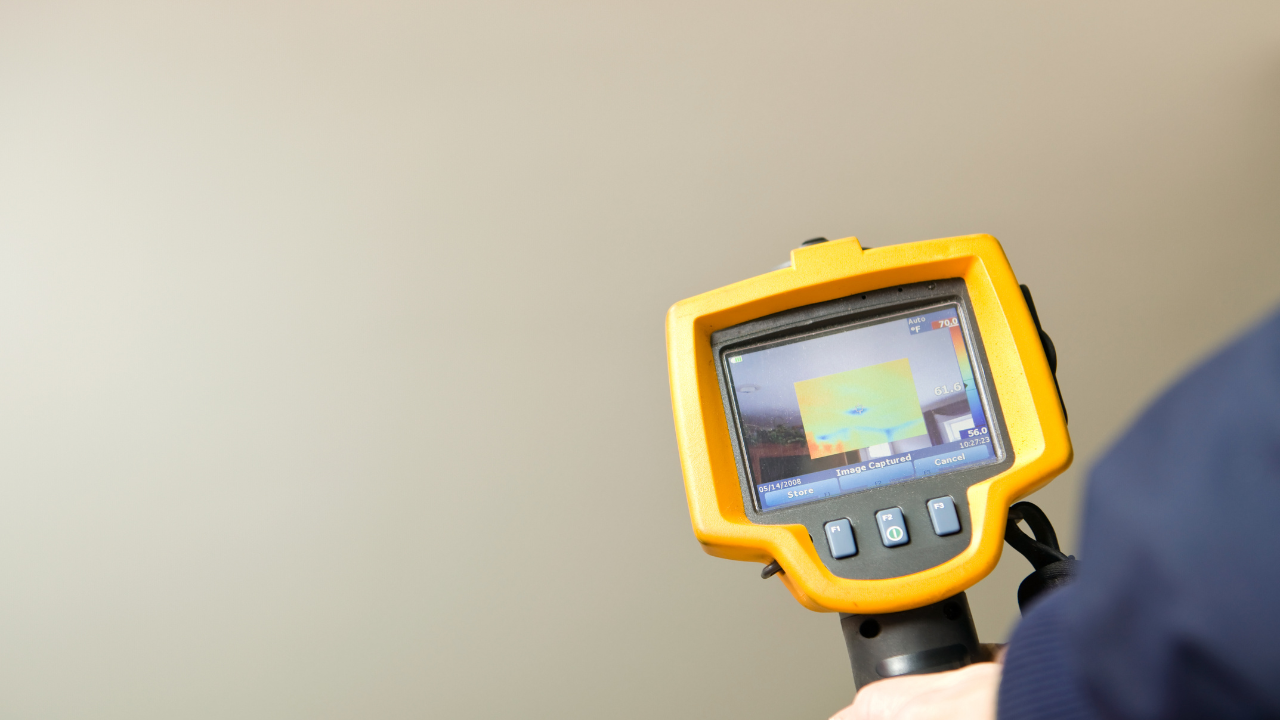
The demand for this equipment will undoubtedly continue, but many users – particularly plant engineers and the increasing number of new energy surveyors – have been calling for affordable and user-friendly cameras which previously had only been available to specialist thermoraphers due to cost and complexity of use. This market-led demand has resulted in a new generation of cameras that combine thermal imagery with digital photography.
The demand for this equipment will undoubtedly continue, but many users – particularly plant engineers and the increasing number of new energy surveyors – have been calling for affordable and user-friendly cameras which previously had only been available to specialist thermoraphers due to cost and complexity of use. This market-led demand has resulted in a new generation of cameras that combine thermal imagery with digital photography.
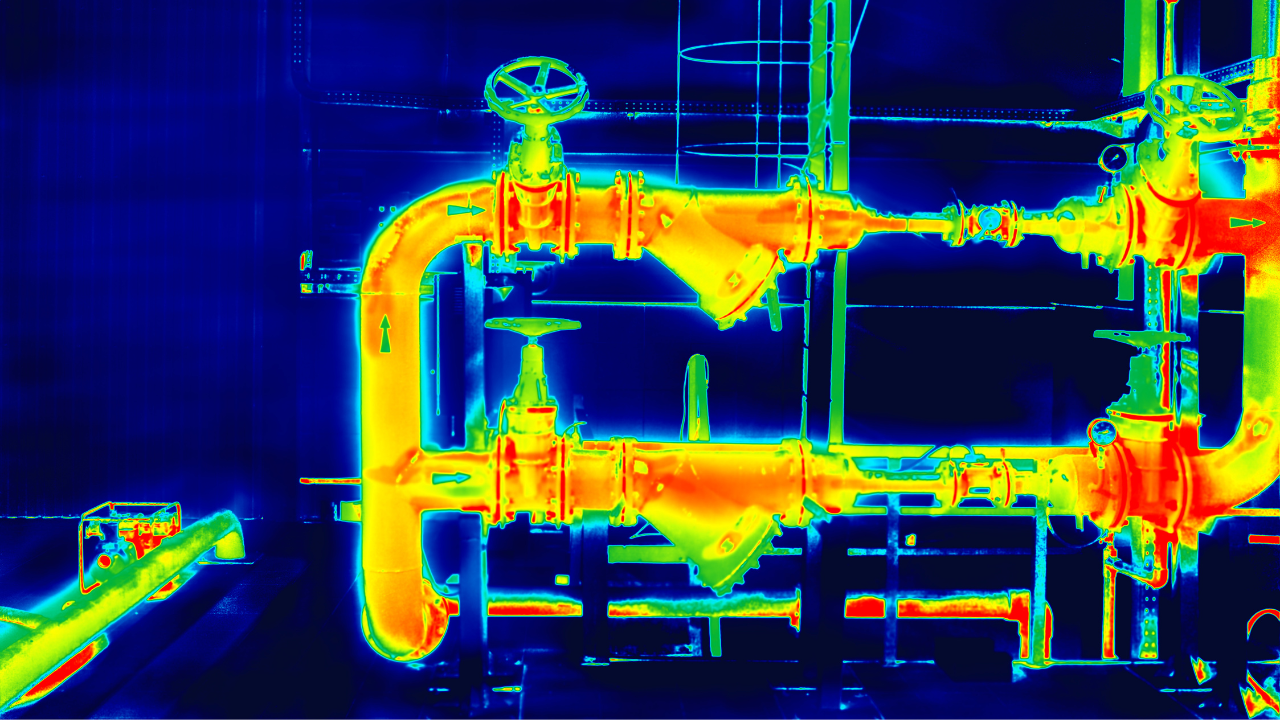
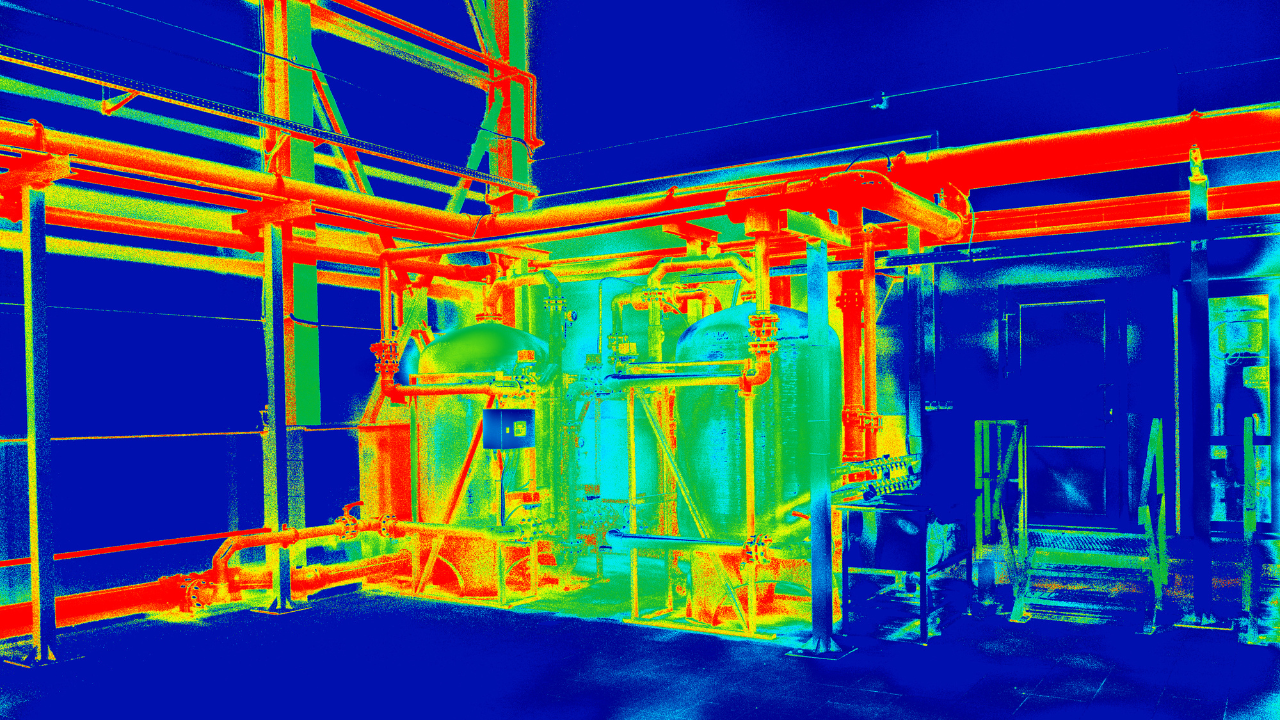
Infrared thermography is the science of seeing heat. Thermal imagers
have the ability to produce a visual representation of thermal patterns as heating systems’ components are identified and recorded. Maintenance strategies are then planned and carried out before system breakdowns occur.
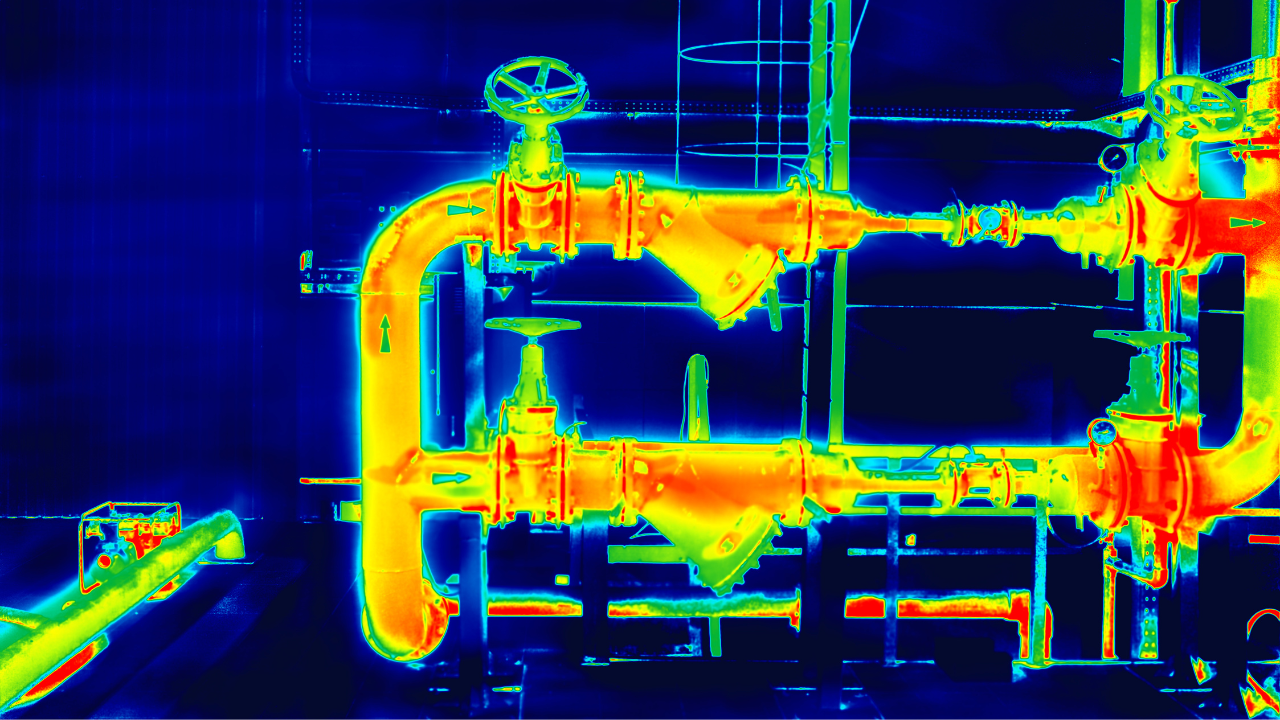
Infrared thermography is the science of seeing heat. Thermal imagers
have the ability to produce a visual representation of thermal patterns as heating systems’ components are identified and recorded. Maintenance strategies are then planned and carried out before system breakdowns occur.
Vibration and wear debris analyses are two key components of any successful condition-monitoring program and can be used as both predictive and proactive tools to identify active machine wear and diagnose faults occurring inside machinery. Integrating these two techniques in a machine condition-monitoring program provides greater and more reliable information, bringing significant cost benefits to industry.
Vibration and wear debris analyses are two key components of any successful condition-monitoring program and can be used as both predictive and proactive tools to identify active machine wear and diagnose faults occurring inside machinery. Integrating these two techniques in a machine condition-monitoring program provides greater and more reliable information, bringing significant cost benefits to industry.
As with many condition monitoring techniques, infrared thermography is a skilled art form that requires technician and engineeers to be educated in infrared physics, have a thorough understanding of applications and be able to develop their knowledge with continual field experience.
As with many condition monitoring techniques, infrared thermography is a skilled art form that requires technician and engineeers to be educated in infrared physics, have a thorough understanding of applications and be able to develop their knowledge with continual field experience.
For Condition Monitoring (CM) purposes a range of technologies are available, each having its own strengths and weaknesses, and it is usual to consider each of them as a tool in the CM toolkit. The Acoustic Emission (AE) technique has a 40 year history of use for machinery condition monitoring and although it got off to a slow start, in recent years it has gained very widespread acceptance across industry.
For Condition Monitoring (CM) purposes a range of technologies are available, each having its own strengths and weaknesses, and it is usual to consider each of them as a tool in the CM toolkit. The Acoustic Emission (AE) technique has a 40 year history of use for machinery condition monitoring and although it got off to a slow start, in recent years it has gained very widespread acceptance across industry.
For a program to be effective it must be accepted by management as well as other maintenance personnel. Getting other maintenance people involved in Infrared Thermography is a good way of gaining acceptance not to mention the fact that, more people scanning equipment will find more problems, more quickly, resulting in payback more quickly for the plant. This paper discusses the approach which I am implementing with varying degrees of success at my client's plant sites and which could be implemented in plants with existing IR imagers.
For a program to be effective it must be accepted by management as well as other maintenance personnel. Getting other maintenance people involved in Infrared Thermography is a good way of gaining acceptance not to mention the fact that, more people scanning equipment will find more problems, more quickly, resulting in payback more quickly for the plant. This paper discusses the approach which I am implementing with varying degrees of success at my client's plant sites and which could be implemented in plants with existing IR imagers.
When troubleshooting or using vibration in a Predictive Maintenance program comparing identical machines to each other is often the best method to diagnose a problem – especially if you suspect a problem exists in one or more of the machines. When vibration data is collected on a bearing housing using an accelerometer, one is not only measuring vibration forces, but also the effect of the structure on these forces.
When troubleshooting or using vibration in a Predictive Maintenance program comparing identical machines to each other is often the best method to diagnose a problem – especially if you suspect a problem exists in one or more of the machines. When vibration data is collected on a bearing housing using an accelerometer, one is not only measuring vibration forces, but also the effect of the structure on these forces.