Gear Pump Operation and Maintenance
PumpScout
Gear pumps are the most common type of positive displacement pump, ideal for transferring high viscosity fluids such as automotive oils, plastics, paint, adhesives, and soaps. They operate by creating suction at the inlet with a rotating assembly of two gears –a drive gear and an idler. Flow is determined by the size of the cavity (volume) between gear teeth, the amount of slippage (reverse flow), and the speed of rotation (rpm) of the gears.
As with any pump, proper operation and regular maintenance are vital to reducing costly pump repairs and maximizing pump efficiency. Below are helpful tips for operating your gear pump and ensuring it achieves a long operating life through regular maintenance.
Gear Pump Operation
– Operate close to the maximum rated speeds. Because gear pumps have poor volumetric efficiency at low speeds and low flow rates, they should be operated as close as possible to their maximum rated speeds for higher production and efficiency.
– Use special materials when pumping liquids with abrasives. A pump’s toothed gear construction allows particles to become trapped in small spaces, accelerating wear and reducing efficiency. If you need to transfer fluid containing abrasives, consider contacting the pump manufacturer to discuss hardened material options.
– Ensure that total life does not exceed 7.5 PSI. A gear pump cannot create a perfect vacuum, necessitating total lift (including pipe friction losses) to be one-half of the atmospheric pressure (approximately 7.5 PSI).
– Avoid low viscosity fluids. Gear pumps (especially internal gear pumps) are designed to handle high viscosity fluids to minimize slip. Pumping low viscosity fluids results in reduced flow rate and efficiency because it ‘slips’ through the tight spaces from the higher-pressure discharge side of the pump to the lower-pressure suction side of the pump.
– Do not run dry. Unlubricated gear teeth will rub together, creating friction and heat as the cogs expand and begin rubbing against the housing. This can destroy the pump, requiring costly repair and downtime.
Gear Pump Maintenance
– Keep maintenance records. One of the most important things you can do to ensure your pump operates smoothly is to keep a detailed record of baseline pump performance, regular maintenance, and any repairs. This will aid you in determining how the pump will operate in the future and the best way to either repair or replace specific parts.
– Check bearings regularly. The bearings are the most important area to maintain because they can cause imbalance if misplaced or defective. Check bearings regularly and replace as necessary by removing the defective bearing with a puller. Excessive noise can be an indication of bearing wear.
– Check gear pump clearance. A new gear pump has .007 to .005 inches of clearance from both the teeth and chamber of the gears. Periodically check for wearing of the teeth by attempting to pass a piece of paper between the clearances. If it passes between the clearances easily, it indicates that the bearings have been worn down and should be replaced.
By following regular maintenance schedules and adhering to proper operation procedures, gear pumps can be an efficient and productive solution to high-viscosity pumping needs.
PumpScout
Related Articles
The previous article in this series, "Understanding Shaft Alignment: Thermal Growth," explained thermal growth and its affect on proper equipment alignment. A practical example involves a recent project at a wastewater treatment plant in Cleveland that needed realistic cold alignment targets for a 3600 rpm compressor to reach their accurate alignment targets.
The previous article in this series, "Understanding Shaft Alignment: Thermal Growth," explained thermal growth and its affect on proper equipment alignment. A practical example involves a recent project at a wastewater treatment plant in Cleveland that needed realistic cold alignment targets for a 3600 rpm compressor to reach their accurate alignment targets.
See More
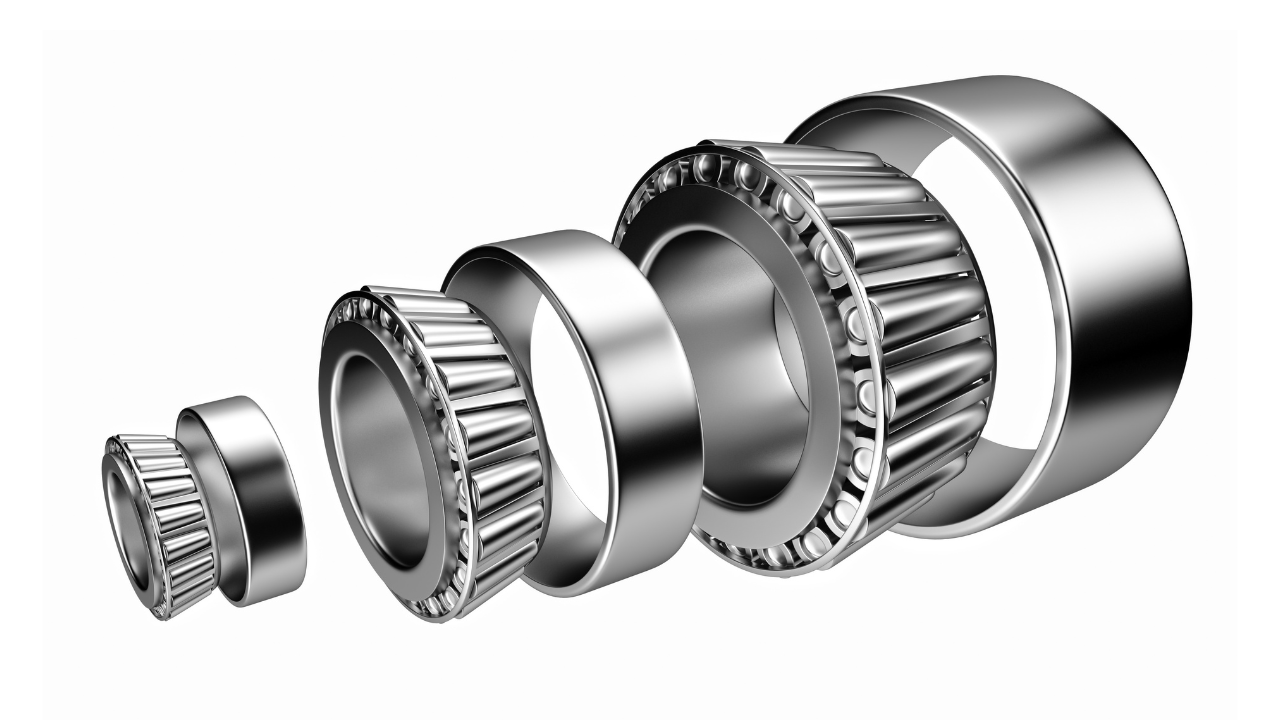
Tapered roller bearings can be set at initial machine assembly to any desired axial or radial clearance. This unique feature enables a designer to control bearings to meet anticipated application operating conditions, and thereby provide optimum bearing and system performance. Some advantages of tapered roller bearings pertaining to setting include...
Tapered roller bearings can be set at initial machine assembly to any desired axial or radial clearance. This unique feature enables a designer to control bearings to meet anticipated application operating conditions, and thereby provide optimum bearing and system performance. Some advantages of tapered roller bearings pertaining to setting include...
See More
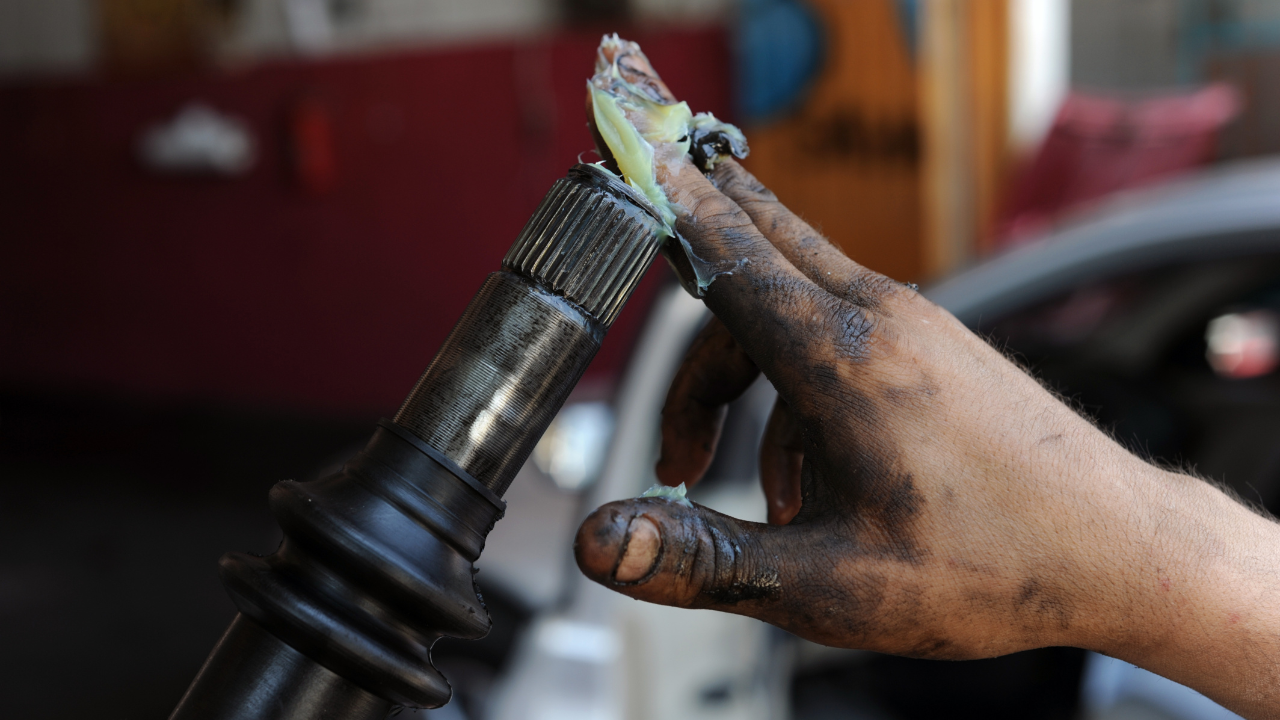
Grease – use the right one for the job. The classification, selection, and application of greases is included in this article. Greases are designed for specific applications and if used in the wrong service they will not be effective. Compare the properties of greases and check those used in your equipment are suited to the service.
Grease – use the right one for the job. The classification, selection, and application of greases is included in this article. Greases are designed for specific applications and if used in the wrong service they will not be effective. Compare the properties of greases and check those used in your equipment are suited to the service.
See More
Last time, we pretty much ignored ladder diagrams. This time I'm giving you lots of them. We'll look at the ins and outs of turning those pretty pictures into powerful text. You'll gain insight into the block commands and the various structures that can be built using List. You'll leave with full knowledge of the perils and pitfalls.
Last time, we pretty much ignored ladder diagrams. This time I'm giving you lots of them. We'll look at the ins and outs of turning those pretty pictures into powerful text. You'll gain insight into the block commands and the various structures that can be built using List. You'll leave with full knowledge of the perils and pitfalls.
See More
Machine conditions change from the time the machine is off line to when it is running under normal operating conditions. Some of these changes are due to process forces (e.g., fluid pressures, airflow, etc.). The most notable of these changes is the change in the temperature of the machine bearings and supports. This is called the machine's thermal growth.
Machine conditions change from the time the machine is off line to when it is running under normal operating conditions. Some of these changes are due to process forces (e.g., fluid pressures, airflow, etc.). The most notable of these changes is the change in the temperature of the machine bearings and supports. This is called the machine's thermal growth.
See More
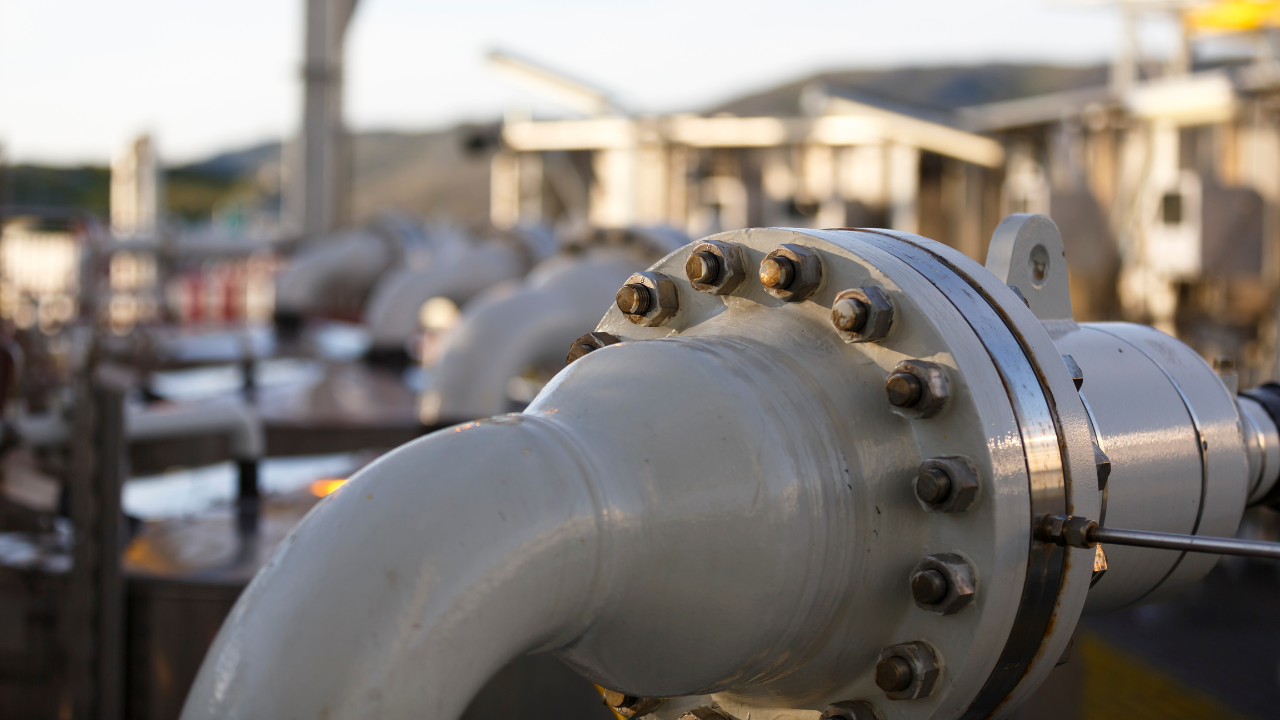
Every component of a bolted flange joint has a maximum allowable stress level. The mating flanges will begin to rotate or warp at a defined stress threshold. The studs or bolts of a given specification also will yield or be stressed past their elastic properties at a defined level. Non-metallic and semi-metallic gaskets will crush under excessive applied stress loads.
Every component of a bolted flange joint has a maximum allowable stress level. The mating flanges will begin to rotate or warp at a defined stress threshold. The studs or bolts of a given specification also will yield or be stressed past their elastic properties at a defined level. Non-metallic and semi-metallic gaskets will crush under excessive applied stress loads.
See More
Rotary dryers, kilns, mills and reactors turn on tires and trunnions. Each tire is mounted to the rotating shell and revolves on two roller trunnions. If the alignment between the tire and trunnions is lost due to wear, poor repair, installation error or impact, the equipment will need to be tracked.
Rotary dryers, kilns, mills and reactors turn on tires and trunnions. Each tire is mounted to the rotating shell and revolves on two roller trunnions. If the alignment between the tire and trunnions is lost due to wear, poor repair, installation error or impact, the equipment will need to be tracked.
See More