

Management Aspects on Condition Based Maintenance: The New Opportunity for Maritime Industry
Anders Sundberg
Click here to download the full pdf.
Anders Sundberg
Related Articles
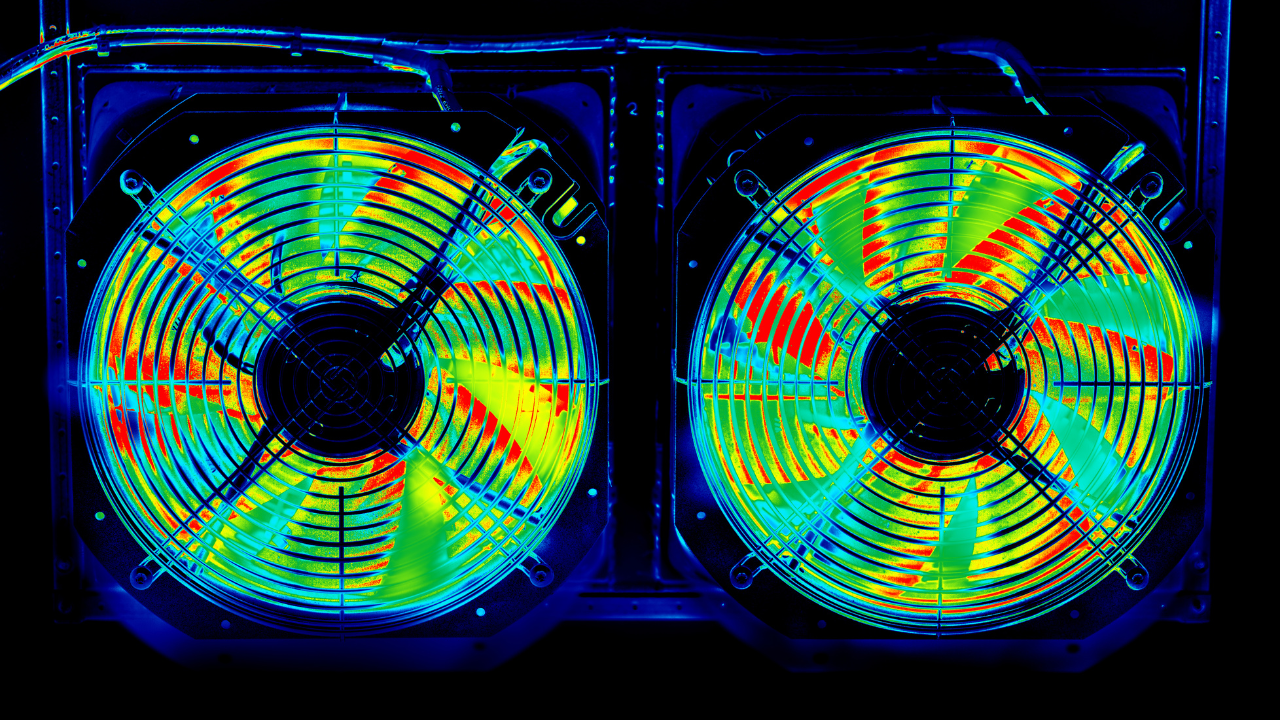
Analyzing Mechanical Systems Using Infrared Thermal Imaging
Infrared Thermal Imaging is an excellent condition monitoring tool to assist in the reduction of maintenance costs on mechanical equipment. The technique allows for the monitoring of temperatures and thermal patterns while the equipment is online and running under full load. Most mechanical equipment has allowable operating temperature limits that can be used as guidelines. Unlike many other test methods, Infrared Thermal Imaging can be used on a wide variety of equipment including pumps, motors, bearings, pulleys, fans, drives, conveyors etc.
What is Vibration?
In its simplest form, vibration can be considered to be the oscillation or repetitive motion of an object around an equilibrium position. The equilibrium position is the position the object will attain when the force acting on it is zero. This type of vibration is called "whole body motion", meaning that all parts of the body are moving together in the same direction at any point in time.
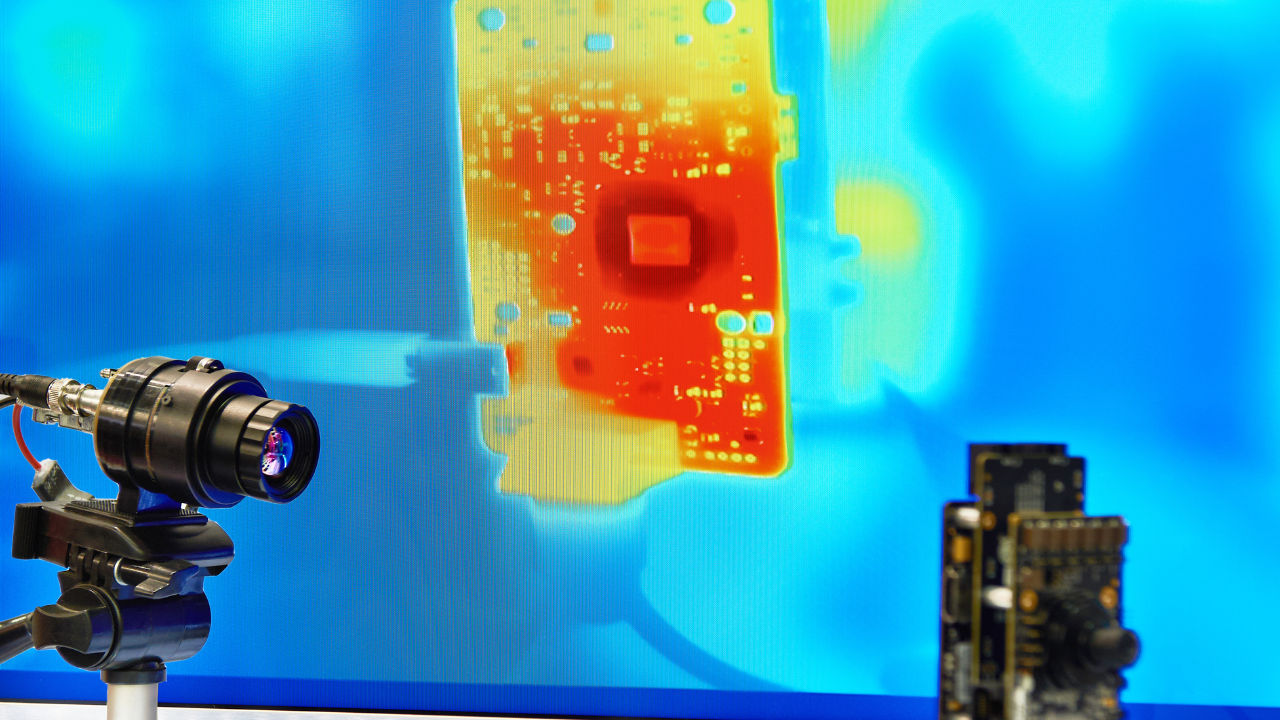
What You Should Know Before you Buy – A Guide to Buying an Infrared Camera
During Academy of Infrared Training courses, we see many students who have purchased an infrared camera that is not suited for their intended use. These students have put their trust in a camera salesperson, and, many times, that salesperson was solely interested making a sale. Later, these students are disappointed to find out that the camera is not truly suited for their application. This article aims to help the camera buyer understand what basic camera specifications mean, and also help them determine what type of camera and options are suitable for their application. If you note your answers to questions throughout this article, by the end you should have a custom list of applicable specifications and options.
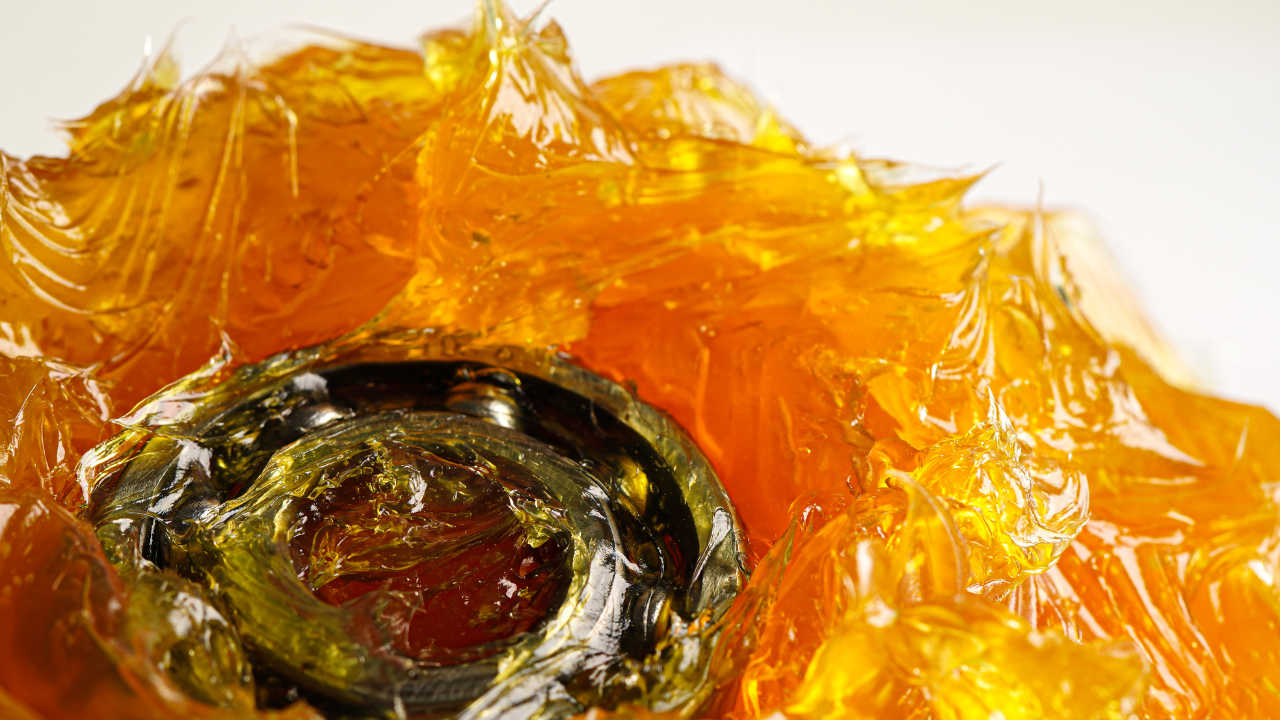
How to Use Condition Monitoring to Optimize Grease Lubrication
There are four primary components to precision grease lubrication for bearings: lubricant selection, application method, the volume of lubricant to be delivered, and the frequency with which it is applied. There are, of course, many different methods for specifying these values, and opinions can vary significantly as to which approach is best. Due to the variability of operating conditions and machine design, it can be very difficult to be truly precise without introducing the "condition-based" component to the formula.
Corrosion Protection through pH Stabilization
This technical report examines the application and benefits of pH stabilization as a corrosion prevention strategy particularly for products where traditional recoating methods are impractical due to design limitations, small-scale operations, or remote locations. Target industries include transportation, heavy equipment, and agriculture, where long-term durability is essential and maintenance access may be limited.

Documentation Tip – Document “As Found” Condition
Accept that you will sometimes be wrong and do whatever it takes to find out the “as found” condition. This is often difficult to accomplish but it is well worth the effort and in the best circumstances this should be implemented as a normal procedure.

The Truth Behind Misalignment Vibration Spectra of Rotating Machinery
Misalignment is probably the most common cause of machinery malfunction. Considering the importance of alignment, the vibration spectra of alignment is not well documented. Various authors have reported different spectra. The goal of this research was to determine the unique vibration signature for misalignment at varying operating and design conditions such as speed, type and level of misalignment, coupling types and machinery dynamic stiffness.