[webinar] Embracing Digital Transformation in Maintenance & Plant Operations | March 13 at 10AM EST – Register Now
The Trouble with Torque in Electrical Connections
The Trouble with Torque in Electrical Connections
Norman Shackman, P.E.
Torque and force are not the same.
The secret to making and keeping reliable electrical connections is contained in two elements: start with clean contact surfaces, and apply high force. Clean contact surfaces are a function of cleaning procedures, including joint compounds, and will be covered in a future article. Application of high force is the subject here.
The trouble comes about because the terms “torque” and “force” are incorrectly used interchangeably. Force is NOT torque. Force is a function of torque. The expression which describes the relationship is:
F = T/K
Note that the equation has a variable, K, that includes the coefficient of friction. The higher the friction, the lower the force for the same torque. Torque is a convenient way to get at force and is usually specified in making an electrical connection. Force is considered inconvenient to measure.
Torque can be misleading
Consider the following:
Suppose you are given a torque value for an electrical connection and suppose that the connection is frozen due to corrosion, arcing, etc. Obviously, the recommended torque will not assure a good connection. Thus, relying on torque to judge the quality of an electrical connection can be misleading.
Levels in uncertainty in the accompanying section, “Force Variations by Methods of Tightening Connections,” are taken from mechanical engineering sources and represent a rough estimate of the percent variation encountered when trying to tighten a connection using different methods.
You can see there is a wide variation in accuracy depending upon the method and that many of them are fairly inaccurate. In fact, when considering life safety, torque values are rarely mentioned.
What is the correct force? When a connection is tightened, the joint electrical resistance drops as the force increases, up to a certain point. Beyond that certain amount of force, a marked decrease in resistance no longer occurs; the resistance remains fairly constant even with increased force. That certain amount of force is the minimum value of force needed.
In bolted connections, I have found that the forces associated with SAE Grade 5 hardware produce this correct value.
Applying Proper Force
To assure you are applying the proper force in a connection, there are a few methods which can be utilized:
Low and consistent K factor by the use of lubrication. You can produce repeatable, high forces in the connection. To safely use lubricants, run tests in the shop before applying on the job.
A well-lubricated fastener is stressed to a higher force for the same torque than an unlubricated one. Check that the fastener does not fracture at the higher force. Having conducted tests, then apply the selected torque to the lubricated threads.
Belleville washers. These are not always required in electrical connections and are often questionable. The washer must flatten at the proper force and many applications do not use a high enough force. In addition, since the bow in the washer is difficult to see, Bellevilles are sometimes installed upside down. If a proper high force is utilized in the connection, I have found that a Belleville is usually not necessary.
But a Belleville is an excellent force indicator and therefore can solve the force/torque dilemma. If you choose a Belleville that flattens at the desired force, you then can proceed with implementing the connections and not worry about a torque value.
Direct tension indicators. As mentioned previously, in mechanical connections where life safety is a subject of concern (e.g., buildings, bridges, etc.), torque is not mentioned. Instead measurement of force is required.
A common procedure is the use of direct tension indicators. These are washer-like devices that feature protrusions (bumps) which flatten as a function of force applied to the connection. A feeler gauge is used to announce when the proper force is reached. Later inspection is simple through the use of a feeler gauge. Since the indicators are designed for use with steel, make sure the bumps are put against a hardened steel washer, not a copper or aluminum bus.
These devises are available for 1/2 in. hardware and larger. It is possible to use the 1/2 in. indicator with smaller hardware by requesting the force/gap characteristics from the manufacturer and then selecting the proper feeler gauge for the desired force. Make sure the gauge is narrow enough to fit between the bumps.
Method
Percent variation (+/-) in force
Feel (experienced installer)*
35
Torque wrench*
25
Turn of nut (snug tight, then 1/2-2/3 turn more)*
15
Lubricated assembly*
10
Belleville washer**
5
Direct tension indicator**
5
*depends on K **independent of K
Norman Shackman, P.E., is based in Kent. CT. He conducts in-house seminars on electrical connections and can be reached at (860) 927-4067.
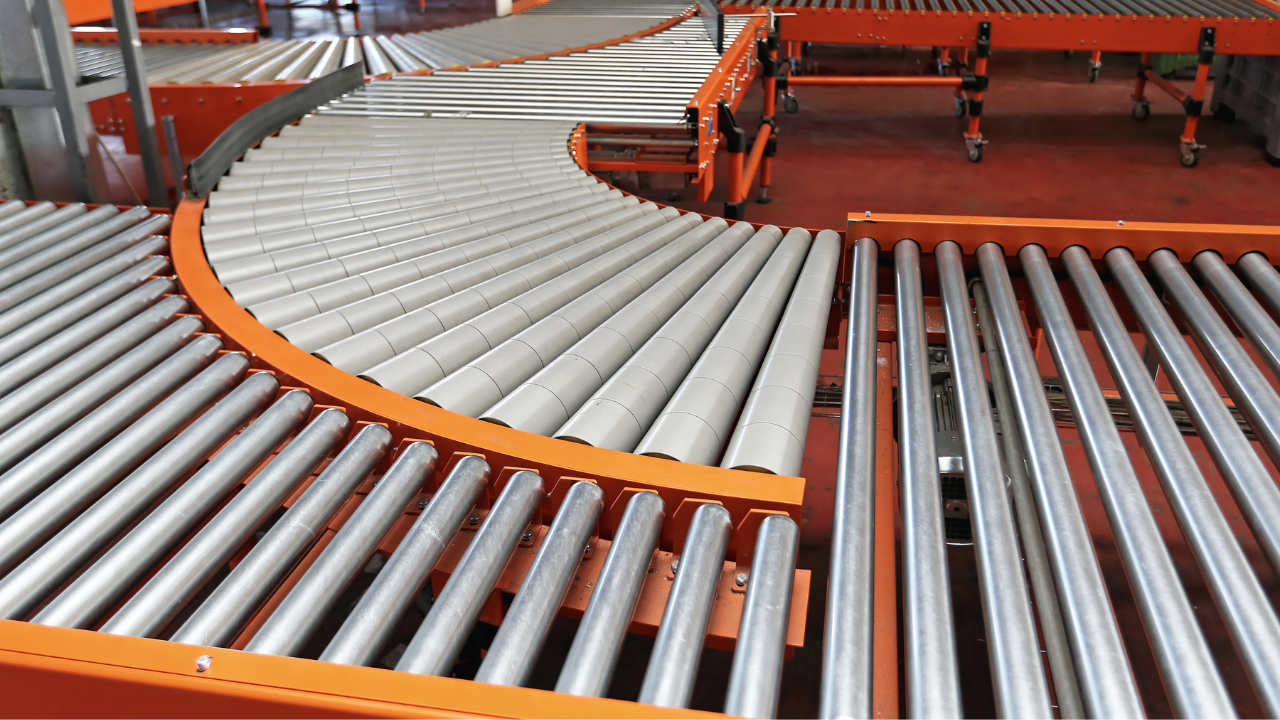
It's hard to imagine belt conveyors anywhere playing a more important role than at South Africa's Kendal Power Station. Here, the world's largest black-coal-fired electrical generating complex converts up to 1.4 million tons a month into more than 4100 megawatts, enough to supply three cities the size of nearby greater Johannesburg.
It's hard to imagine belt conveyors anywhere playing a more important role than at South Africa's Kendal Power Station. Here, the world's largest black-coal-fired electrical generating complex converts up to 1.4 million tons a month into more than 4100 megawatts, enough to supply three cities the size of nearby greater Johannesburg.
So you want to be a leader! Your leadership career is a journey, and just like any journey, it requires a driver. The question is, who is driving your leadership career? Is it you, or are you letting external forces take the wheel? Taking control of your career is essential for your personal and professional growth. In this article, I will explore the importance of you taking control and offer some insights from my 45 years in the world of work that may help you steer your career in the right direction.
So you want to be a leader! Your leadership career is a journey, and just like any journey, it requires a driver. The question is, who is driving your leadership career? Is it you, or are you letting external forces take the wheel? Taking control of your career is essential for your personal and professional growth. In this article, I will explore the importance of you taking control and offer some insights from my 45 years in the world of work that may help you steer your career in the right direction.
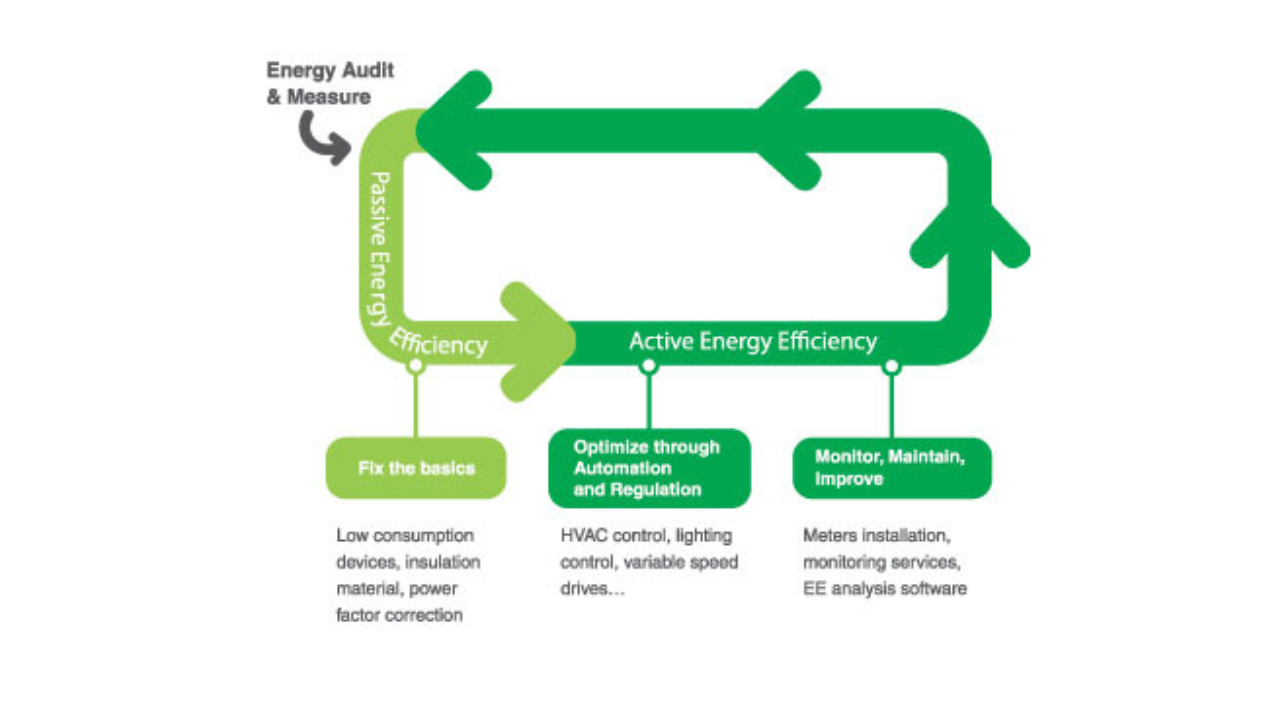
Using many of its own products and solutions, Schneider Electric was able to realize an energy savings from 2005 through August 2008 that totaled more than $5.1 million. In addition, the company’s goal of reducing energy consumption per employee by ten percent by 2008 was met two years ahead of schedule.
Using many of its own products and solutions, Schneider Electric was able to realize an energy savings from 2005 through August 2008 that totaled more than $5.1 million. In addition, the company’s goal of reducing energy consumption per employee by ten percent by 2008 was met two years ahead of schedule.
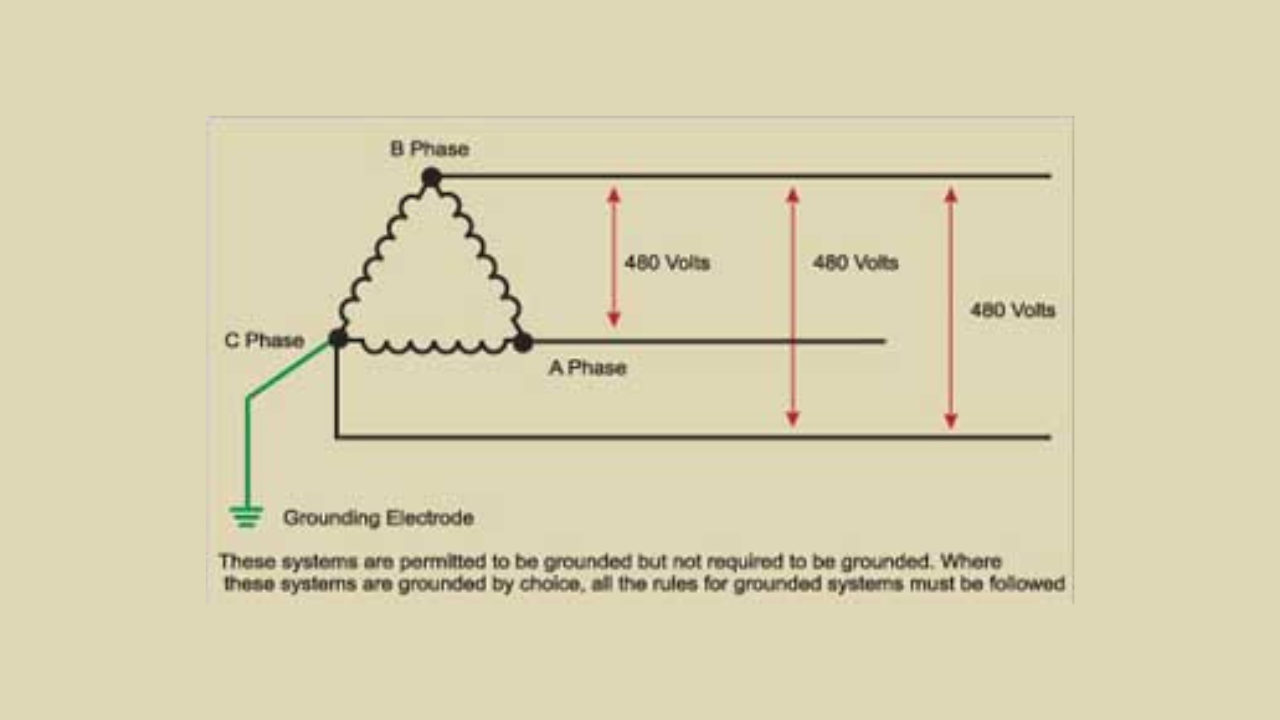
Electrical systems are grounded to limit the voltage imposed by lightning, line surges, or unintentional contact with higher voltage lines and to stabilize the voltage to earth during normal operation. Electrical systems can be grounded in several ways. There are induction grounded systems, resistance grounded systems, and high impedance grounded systems among others. The most common grounded system is the solidly grounded system, where there is no intentional grounding impedance in the earthing or grounding circuit.
Electrical systems are grounded to limit the voltage imposed by lightning, line surges, or unintentional contact with higher voltage lines and to stabilize the voltage to earth during normal operation. Electrical systems can be grounded in several ways. There are induction grounded systems, resistance grounded systems, and high impedance grounded systems among others. The most common grounded system is the solidly grounded system, where there is no intentional grounding impedance in the earthing or grounding circuit.
The most known concept to define reliability is: "Probability that an asset or system operates without failing during a given period of time under some operation conditions previously established." Sometimes, this concept is wrongly used due to the particular use given to the word failure. For many, failure only means shutdowns, so they construct complex mathematical formulas to calculate shutdown probability without taking into account that a failure also occurs when being inefficient, insecure and costly, having a high rejection level, or contributing to a bad image.
The most known concept to define reliability is: "Probability that an asset or system operates without failing during a given period of time under some operation conditions previously established." Sometimes, this concept is wrongly used due to the particular use given to the word failure. For many, failure only means shutdowns, so they construct complex mathematical formulas to calculate shutdown probability without taking into account that a failure also occurs when being inefficient, insecure and costly, having a high rejection level, or contributing to a bad image.
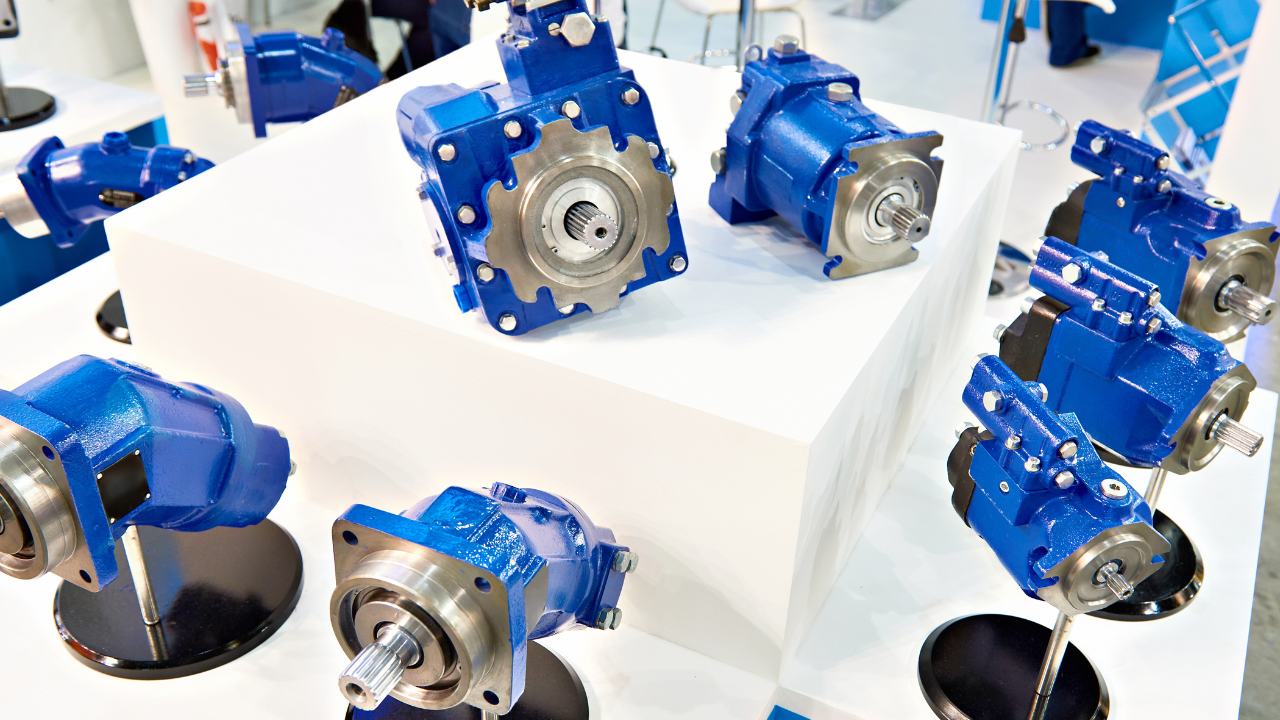
On the design of a new machine which is to be run with a hydraulic motor, a determination of required speed and horsepower must be made so a model with suitable ratings can be selected. This article describes several methods of making such a determination. Designers who are experienced only in selecting electric motor drives need to be careful in designing hydraulic drives because of important differences between these two motors.
On the design of a new machine which is to be run with a hydraulic motor, a determination of required speed and horsepower must be made so a model with suitable ratings can be selected. This article describes several methods of making such a determination. Designers who are experienced only in selecting electric motor drives need to be careful in designing hydraulic drives because of important differences between these two motors.
Internal clearance is critical to bearing performance for multiple reasons. The amount of clearance influences the load distribution in a bearing, which ultimately affects bearing life. It also influences bearing running noise and vibration. In addition, it can influence whether the rolling elements move in a rolling or sliding motion.
Internal clearance is critical to bearing performance for multiple reasons. The amount of clearance influences the load distribution in a bearing, which ultimately affects bearing life. It also influences bearing running noise and vibration. In addition, it can influence whether the rolling elements move in a rolling or sliding motion.