
An Integrated Process for System Maintenance, Fault Diagnosis and Support
Sudipto Ghoshal, Roshan Shrestha, Anindya Ghoshal, Venkatesh Malepati, Somnath Deb, Krishna Pattipati and David Kleinman
Click here to download the full pdf.
Sudipto Ghoshal, Roshan Shrestha, Anindya Ghoshal, Venkatesh Malepati, Somnath Deb, Krishna Pattipati and David Kleinman
Related Articles

RPM Method + RCM = Reliability
Picture this: It’s Monday morning and you’re the maintenance manager of an industrial plant. On your desk is a printout of 432 open work orders and the operations manager is screaming because air compressor #2 just tripped for the third time this month. To make matters worse, you just remembered two of your technicians went fishing for the week. The question is: “What can this maintenance manager do to improve this situation?” The obvious answer is to go fishing with the two technicians. Maybe a better question to ask is: "What can be done to improve plant performance?"

Developing a Root Cause Analysis Work Process - Part 3
Root Cause Analysis represents one of the greatest challenges in reliability program development, requiring a broad understanding of management processes, structured problem solving and behavior. Developing a Root Cause Analysis work process will require effort and persistence as well as new thinking about organizational structure and resource priorities. The potential improvements from developing an effective Root Cause Analysis work process are significant. Most manufacturing processes have opportunities for improvement and cost reduction that have not been obtainable with current efforts. In some cases, these opportunities could represent competitive advantages in manufacturing strategies and processes.

How to Conduct Effective Root Cause Analysis
There are many types of RCA tools available to organizations, including 5 Why?, Fault Tree Analysis, Interrelation Diagrams, Ishikawa Diagrams (Fishbone, Cause and Effect) and many others. A great example is the 5 Why? method: starting with the incident itself, an RCA team would continue asking “Why did this happen?” until they arrive at the root cause. Refer to the following example:
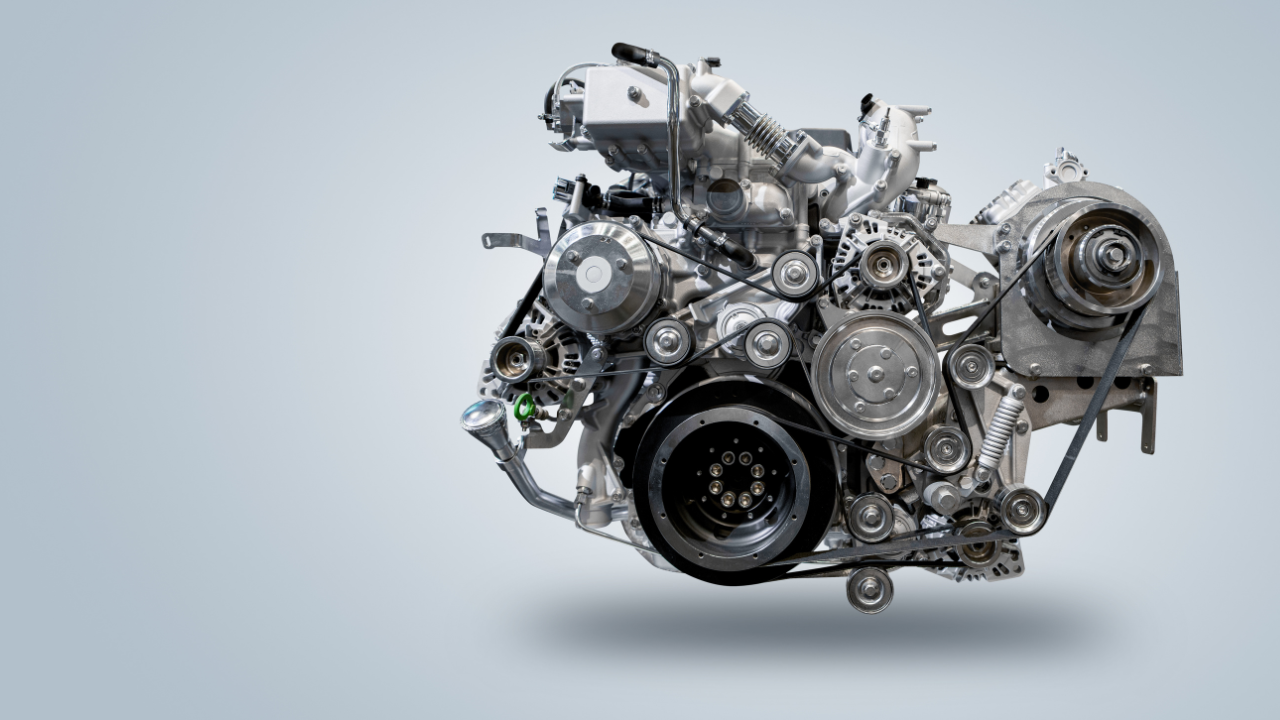
Hydraulic Cylinder Failure Caused by the Diesel Effect
I was recently engaged by a client to conduct failure analysis on a large (and expensive) hydraulic cylinder off an excavator. This hydraulic cylinder had been changed-out due to leaking rod seals after achieving only half of its expected service life. Inspection revealed that apart from the rod seals, which had failed as a result of the 'diesel effect', the other parts of the hydraulic cylinder were in serviceable condition.
RCPE: What vs. Who
So, the root cause problem elimination. It's really just a structured approach to eliminate problems...that's all it is. It's what usually happens when people say they do root cause, in my experience, this is the morning meeting and someone says motor tripped-out costing production loss. So, what happens in the morning meeting, now I haven't been to yours, but somewhere, the first thing people say is this a maintenance problem or is this an operations problem.

Examples of Root Cause Analysis
If I have an unwanted situation which consumes resources and tends to happen in a repeated fashion then there is a possibility that it might be beneficial to figure out what is really causing this situation to occur and remove it so the situation does not occur again. This is generally referred to as Root Cause Analysis, finding the real cause of the problem and dealing with it rather than simply continuing to deal with the symptoms.

Implement a Cost Effective Root Cause Problem Elimination (RCPE) Process
The business process is most commonly named Root Cause Failure Analysis (RCFA) or root cause analysis. The name itself implies the largest and most expensive problem when implementing problem solving in an organization. The results wanted from the process are to eliminate the problem, not to analyze the failure. To convey the desired result to the organization, the name should therefore be changed to Root Cause Problem Elimination (RCPE).