

Dynamic Movement White Paper
Vibralign
Click here to download the full pdf.
Related Articles

Determining Accurate Alignment Targets
The previous article in this series, "Understanding Shaft Alignment: Thermal Growth," explained thermal growth and its affect on proper equipment alignment. A practical example involves a recent project at a wastewater treatment plant in Cleveland that needed realistic cold alignment targets for a 3600 rpm compressor to reach their accurate alignment targets.


Keeping Compressed Air Dry
Air systems without compressed air dryers severely restrict the life expectancy of any equipment they operate. You must keep your compressed air dry. One of the most effective ways of drying compressed air is to cool it, collect the moisture that condenses, then reheat the air to the ambient temperature. That is exactly what the cool winter weather did for your compressed air system.
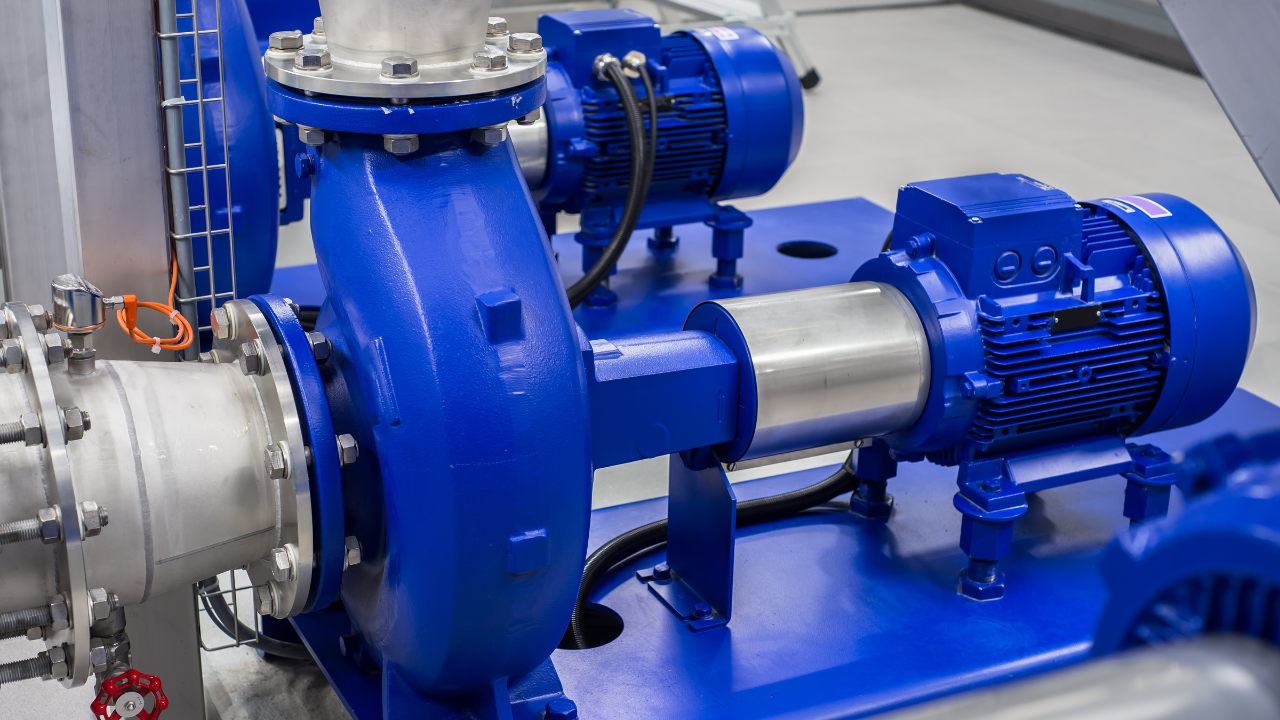
Pump and Driver Alignment 14-3
In the pump business alignment means that the centerline of the pump is aligned with the centerline of the driver. Although this alignment was always a consideration with packed pumps, it is critical with sealed pumps especially if you are using rotating seal designs where the springs or bellows rotates with the shaft. A little misalignment at the power end of the pump is a lot of misalignment at the wet end, and unfortunately that is where the seal is located in most pump applications.
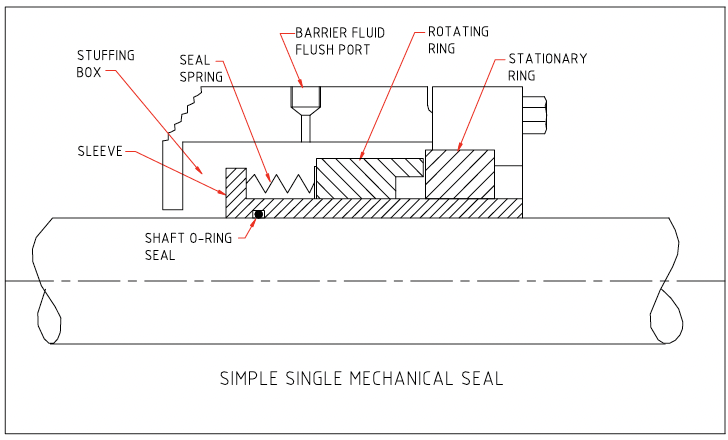
Get Mechanical Seals Working Properly
Get mechanical seals working properly. Mechanical seals are used to keep the bulk contents of rotating equipment such as pumps and compressors from escaping. They do this by sealing the shaft that protrudes from the casing. They require quality installation and operation conditions for a long life. Keywords: precision assembly, barrier fluid, stationary seal, rotary seal, alignment.
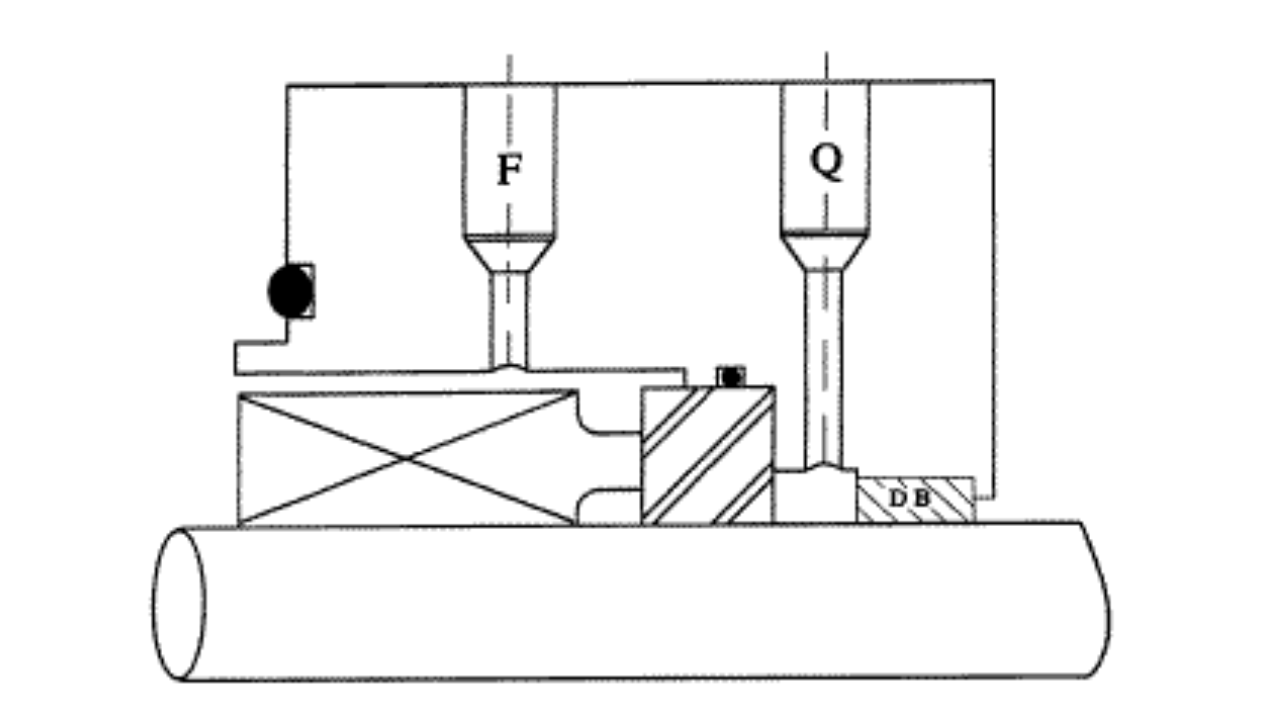
The API Gland
The seal gland is that part that holds the stationary half of the mechanical seal and attaches to the stuffing box. The most universally used gland is labeled the American Petroleum Institute (API) gland. The API (American Petroleum Institute) gland incorporates several important environmental controls and safety features. It should be specified for all petroleum refinery service because of the danger of an explosion or fire, but should also be recommended any time you are pumping any type of dangerous product. The gland has several features you need to understand.