[webinar] Embracing Digital Transformation in Maintenance & Plant Operations | March 13 at 10AM EST – Register Now
Dr. Yellow: More than just good luck, it’s good maintenance
Dr. Yellow: More than just good luck, it’s good maintenance
Natalie Johnson
Posted 04/26/2023
Japan is known for their high-speed passenger trains, or Shinkansen. These bullet trains were first launched in 1964 prior to Tokyo hosting the Olympic games. Shinkansen is the world’s most reliable high-speed train network, and the railways are known for their high level of comfort, impeccable safety record, and on-time departures.
In the 59-year history of the Shinkansen there has not been a single accident or a passenger injury/fatality due to derailments or collisions. The trains average time of delay, per year, is consistently less than one minute and the trains regularly run at speeds ranging from 200-275 mph.
So how do they do it?
The key to maintaining the railways spotless record: Dr. Yellow
Dr. Yellow / Wikipedia
Along the railways, a unique bright yellow train can sometimes be seen cruising along. The rare sighting of this train is thought to bring good fortune and happiness to those who catch a glimpse as it flies by at 275 mph.
But the train brings much more than happiness and good luck. Dr. Yellow serves a very important function and is deployed every ten days or so to monitor the condition of the railway, running at the same speed and on the same rails as the normal bullet train.
The inspection vehicle is 7 cars long and contains sophisticated condition monitoring equipment that uses a series of cameras to record rail conditions for further review. Engineers on board analyze the footage for any irregularities in track alignment, wear or fraying in overhead wiring, and hazardous obstructions.
Nozomi Inspection: Dr. Yellow runs on the high-speed lines of the passenger rails
Kodama Inspection: Dr. Yellow tests train stations where trains do not pass at high speeds
The nine-man crew, made up of two drivers, three track technicians, and four workers to analyze power-related issues, monitor the data collected from the condition monitoring equipment and relay the information to maintenance crews if a repair is necessary. The train is equipped with a GPS system, laser measurement, and a map-matching algorithm which pinpoints exactly where faults are located on the tracks.
The state-of-the-art diagnostic equipment also measures power outputs and vibrations, when an earthquake occurs, Dr. Yellow is immediately dispatched to inspect the tracks.
The unique color and sophisticated equipment allow Dr. Yellow to perform inspections day or night at the same speed as other bullet trains as to not interfere with regular train schedules. Dr. Yellow’s schedule is seemingly random and never made available to the public, making a sighting very rare.
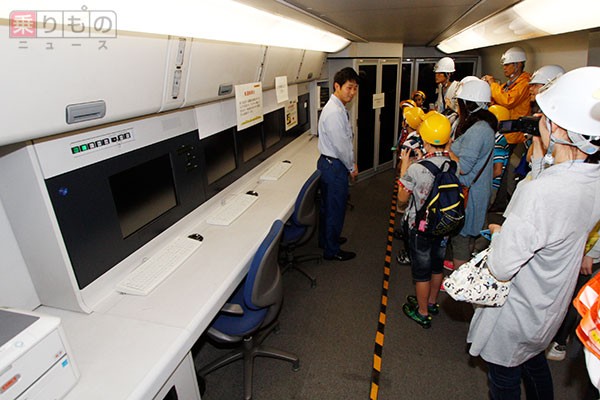
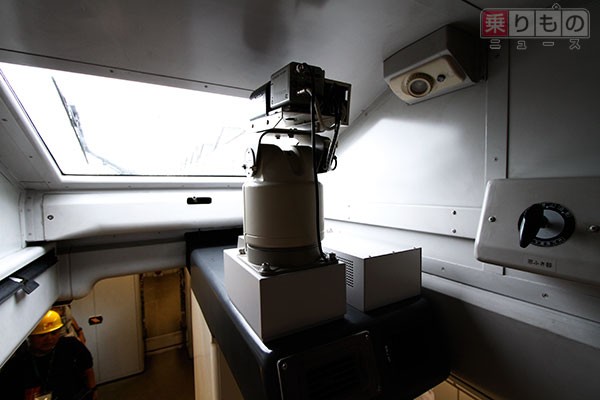
Occasionally, the railroad company will hold a contest allowing winners to tour the train and view the maintenance equipment contained inside. In March 2023, the railroad company sold unique tickets allowing lucky passengers to take a short trip from Tokyo to Shin-Osaka Station on Dr. Yellow. In addition to riding on the train, passengers were able to view the test equipment and observation dome on the roof that inspects overhead wires.
Test Equipment / Backpackers
Observation Dome / Backpackers
If you are ever in Japan, keep your eye out, you might just gain good fortune as you see this yellow train flying by.
Midweek with Maintenance World
Looking for a midweek break? Keep up with the latest news brought to you every Wednesday by the Maintenance World crew.
The manufacturing industry is a crucial contributor to the economy, accounting for over 11% of the total output in the United States. However, many manufacturing companies are currently facing a skills gap, with more open job positions than there are workers ready to fill them. A study conducted by Deloitte and the Manufacturing Institute predicts that 2.1 million manufacturing positions will go unfilled by 2030, potentially leading to a loss of $1 trillion in GDP for the United States.
The manufacturing industry is a crucial contributor to the economy, accounting for over 11% of the total output in the United States. However, many manufacturing companies are currently facing a skills gap, with more open job positions than there are workers ready to fill them. A study conducted by Deloitte and the Manufacturing Institute predicts that 2.1 million manufacturing positions will go unfilled by 2030, potentially leading to a loss of $1 trillion in GDP for the United States.
Do you want to write for Maintenance World? Sharing original content about reliability and maintenance generates discussion, helps with networking, and provides valuable information to maintenance professionals who need it while working on the factory floor. (It doesn't hurt to promote your brand as well!)
Do you want to write for Maintenance World? Sharing original content about reliability and maintenance generates discussion, helps with networking, and provides valuable information to maintenance professionals who need it while working on the factory floor. (It doesn't hurt to promote your brand as well!)
Recent incidents such as lead found in Hershey’s chocolate products and WanaBana applesauce pouches are shining the light on lead contamination in the food and beverage industry. What are the risks that lead exposure (and other heavy metals) pose to people who consume the products – and to those in the manufacturing facilities who make the products? What can be done at a facility level to promote safety for maintenance crews?
Recent incidents such as lead found in Hershey’s chocolate products and WanaBana applesauce pouches are shining the light on lead contamination in the food and beverage industry. What are the risks that lead exposure (and other heavy metals) pose to people who consume the products – and to those in the manufacturing facilities who make the products? What can be done at a facility level to promote safety for maintenance crews?
Following the CHIPS and Science Act, semiconductor manufacturers have announced over $200 billion in investments for manufacturing. The United States currently produces 10% of all chips but hopes to increase production and account for 30% of global chip production by 2030. McKinsey predicts this aspiration will result in a deficit of 300,000 engineers and 90,000 skilled technicians.
Following the CHIPS and Science Act, semiconductor manufacturers have announced over $200 billion in investments for manufacturing. The United States currently produces 10% of all chips but hopes to increase production and account for 30% of global chip production by 2030. McKinsey predicts this aspiration will result in a deficit of 300,000 engineers and 90,000 skilled technicians.
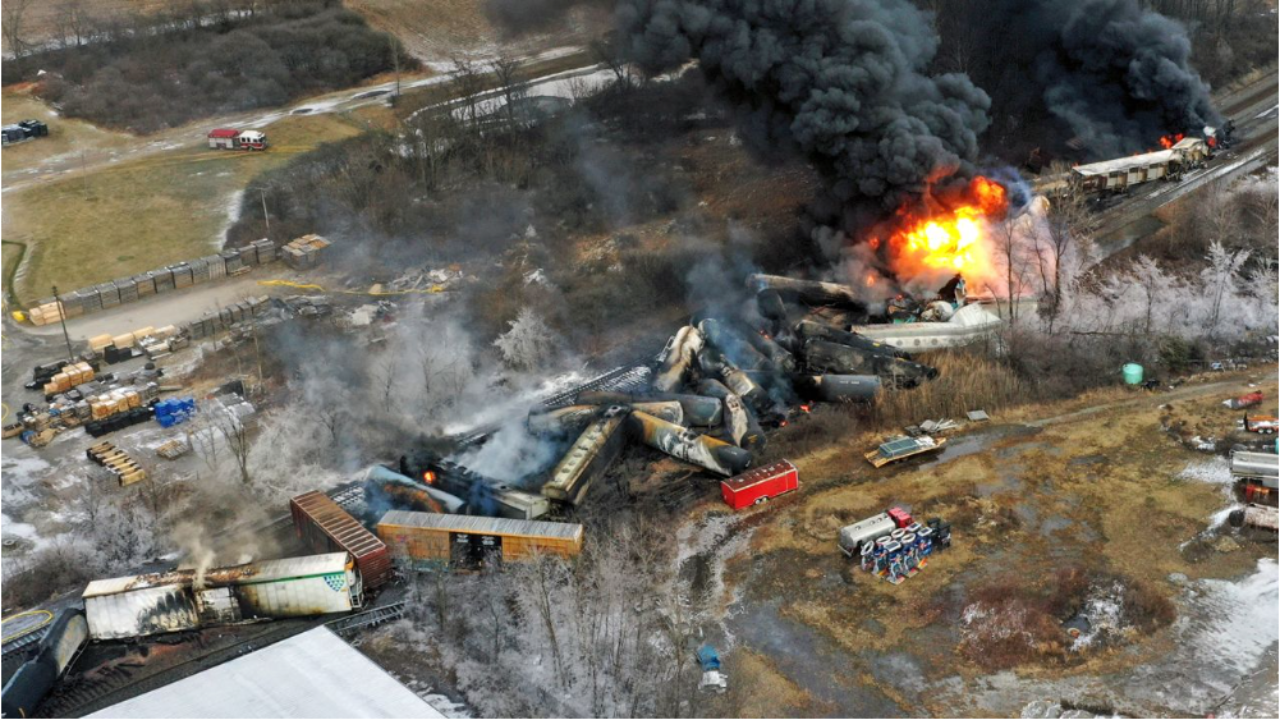
Yesterday, on March 14th the Ohio Attorney General’s offices filed a federal lawsuit against Norfolk Southern alleging the company violated hazardous waste and water quality laws and their negligence caused the train derailment and subsequent toxic chemical release. The lawsuit goes on to address alleged damages to the state of Ohio which include impacts on the economy and environment, as they claim more than 1 million gallons of hazardous material were released at the derailment site.
Yesterday, on March 14th the Ohio Attorney General’s offices filed a federal lawsuit against Norfolk Southern alleging the company violated hazardous waste and water quality laws and their negligence caused the train derailment and subsequent toxic chemical release. The lawsuit goes on to address alleged damages to the state of Ohio which include impacts on the economy and environment, as they claim more than 1 million gallons of hazardous material were released at the derailment site.
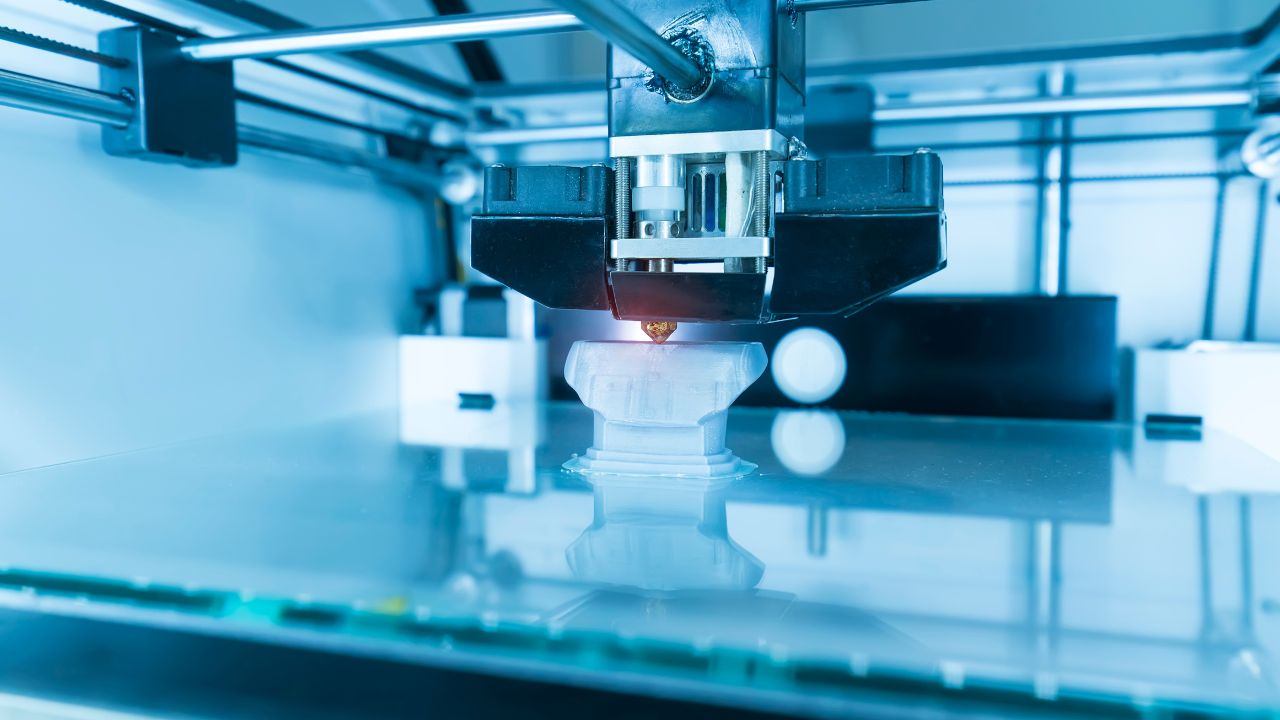
Running low on spare parts? Just pop into the warehouse and fire up the printer. That’s what one company, Deutsche Bahn (DB) is doing, and the results are nothing short of extraordinary. With the power of 3D printing, DB has successfully produced a total of 100,000 spare parts ushering in a new era of efficiency, cost savings, and resource optimization in train maintenance operations.
Running low on spare parts? Just pop into the warehouse and fire up the printer. That’s what one company, Deutsche Bahn (DB) is doing, and the results are nothing short of extraordinary. With the power of 3D printing, DB has successfully produced a total of 100,000 spare parts ushering in a new era of efficiency, cost savings, and resource optimization in train maintenance operations.
It's finally getting warmer! That means it's time to start thinking about spring cleaning in manufacturing plants. No matter the type of organization, regularly maintaining the cleanliness of equipment is essential to operational excellence and safety. Let's see what the experts have to say about well-cleaned equipment and why it is important in your reliability and maintenance program.
It's finally getting warmer! That means it's time to start thinking about spring cleaning in manufacturing plants. No matter the type of organization, regularly maintaining the cleanliness of equipment is essential to operational excellence and safety. Let's see what the experts have to say about well-cleaned equipment and why it is important in your reliability and maintenance program.
Lorem ipsum dolor sit amet, consectetur adipiscing elit. Nullam rhoncus, odio eget elementum volutpat, enim risus vulputate mauris, et luctus augue massa et sapien. Lorem ipsum dolor sit amet, consectetur adipiscing elit. In efficitur mi in erat lacinia tincidunt. Cras vulputate nec nulla vitae pretium. Integer porttitor mattis justo at fringilla. Donec eleifend massa turpis, at auctor mi pulvinar sit amet. Cras ut turpis id arcu fringilla gravida.