[webinar] Embracing Digital Transformation in Maintenance & Plant Operations | March 13 at 10AM EST – Register Now
Suction Bell Upgrades for Vertical Turbine Pumps
Suction Bell Upgrades for Vertical Turbine Pumps
Dr. Lev Nelik, P.E., APICS
How long should a vertical pump’s suction bell last? That was a question a plant manager asked me during a recent consulting assignment for a power plant. A pump manufacturer’s typical response to such a question is, “it depends.”
Basically, it depends upon the liquid being pumped, the operating point on a curve, the accumulated hours, the materials of construction, and so on. But is there an average value, or does a pump life vary within a very broad range? Is 30 years of life considered a very long time? Is two years unacceptably low?
If a large vertical cooling water or recirculating pump supplies water to the plant, 15 (or more) years of life should be achievable. Anything under five years is too short for most applications. If water comes in from the ocean or a gulf, the pump life (i.e. impeller, casing cone, suction bell) will be reduced, especially if a pump operates off-design, where suction recirculation is particularly damaging and the seawater is known to be very corrosive.
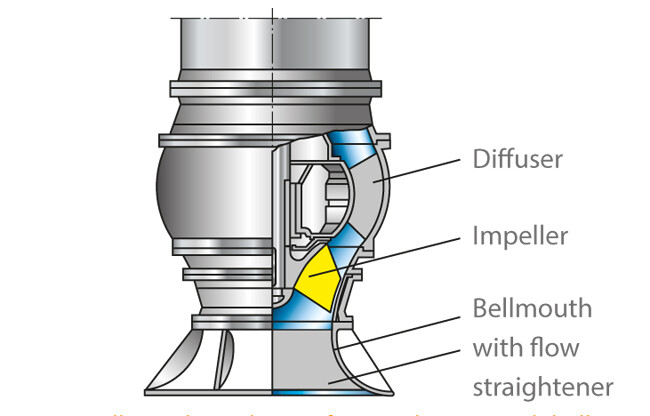
Often, damage to the impeller casing (cone — at immediate proximity to the vanes) is much more severe as compared to the damage of the suction bell (below the impeller) itself. In recognition of this fact, some designs are deliberately configured into a two-piece construction where the impeller casing (cone) is bolted to the suction bell, thus making it simpler to replace. For large vertical turbine pumps, these parts are expensive, and separating a shorter-expectancy-life part from a longer-expectancy-life part is a good idea.
Unfortunately, many designs configure the impeller casing and suction bell into one continuous unit because it is obviously cheaper to produce a single-piece casting. The problem here is that when the casing gets damaged, the entire part must be scrapped and replaced — and the end user pays for that.
When examining such a worn-out casing cone/ suction bell part, an effective upgrade strategy involves modifying the design by separating the part into two pieces and then bolting them back together. An example of such an upgrade was recently done by our repair shop.
Suction bells are usually constructed from iron, which is significantly less expensive than stainless steel but lacks its resistive properties. Upgrading an entire piece is another possibility, but it is often too expensive and really unnecessary. Instead, a two-piece construction will have a new stainless cone, bolted to the old bell and fitted with a stainless flange.
The result is a much better design, with stainless steel providing many more years of operation at enhanced resistance to corrosion and cavitation damage.
And should the lower portion (suction bell) eventually need repair, it can be done, saving time and money by reusing the undamaged stainless upper part.
We cannot change the single-piece past. But we can certainly improve the life of individual components, once the deficiencies of past practices are realized, understood — and corrected.
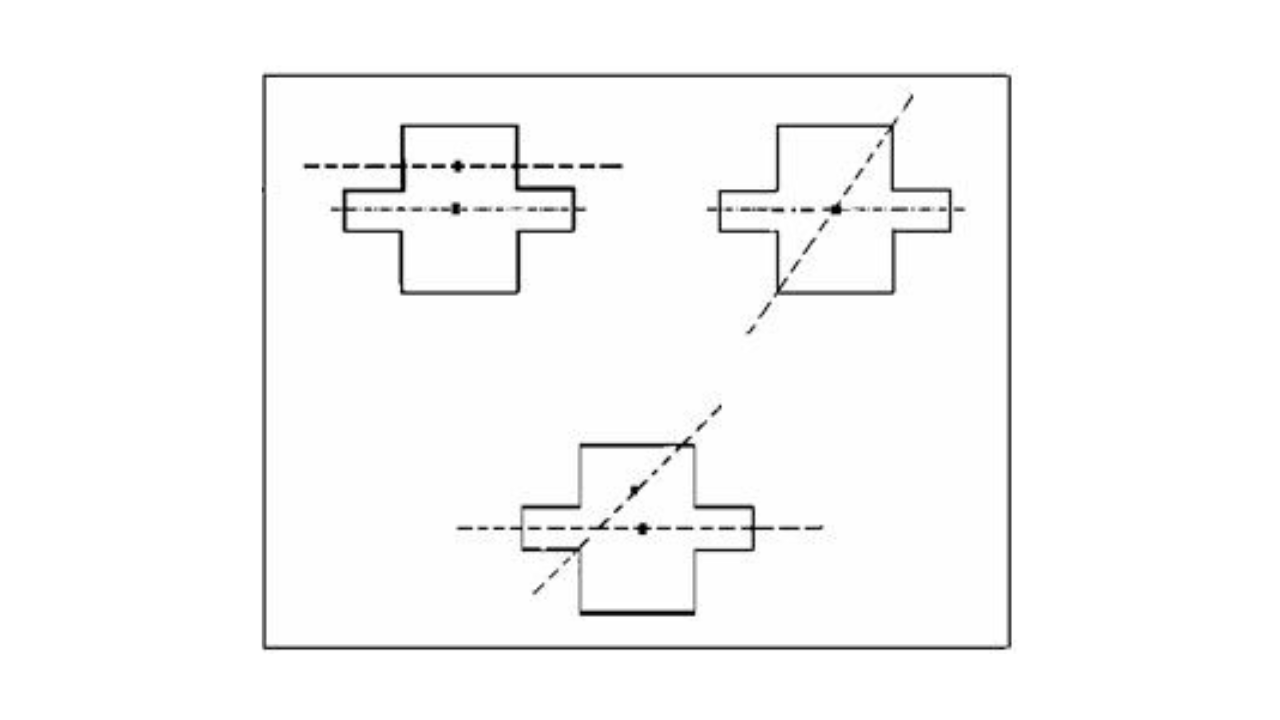
Mass unbalance in a rotating system often produces excessive synchronous forces that reduce the life span of various mechanical elements. Unbalance is basically very simple case caused by an asymmetry in the rotating element that results in an offset between the shaft centerline and center of mass. Asymmetry can be an off-center weight distribution, or it can be a thermal mechanism that produces uneven heating and bowing of the rotor, or it can be an electrical effect that produces uneven magnetic field.
Mass unbalance in a rotating system often produces excessive synchronous forces that reduce the life span of various mechanical elements. Unbalance is basically very simple case caused by an asymmetry in the rotating element that results in an offset between the shaft centerline and center of mass. Asymmetry can be an off-center weight distribution, or it can be a thermal mechanism that produces uneven heating and bowing of the rotor, or it can be an electrical effect that produces uneven magnetic field.
First of all, despite the fact that the PLC was designed as a direct replacement for relays, its logic is actually quite different. Relays are 100% parallel logic. Every single part of a relay control system operates simultaneously. If you were to draw several rungs on a relay diagram and put one coil on each line with no contacts on any of the lines, every relay would energize at the same time when power was applied. This makes relay logic blindingly fast by nature (its only the relay's mechanical limitations that make it slow) but it’s often a source of trouble
First of all, despite the fact that the PLC was designed as a direct replacement for relays, its logic is actually quite different. Relays are 100% parallel logic. Every single part of a relay control system operates simultaneously. If you were to draw several rungs on a relay diagram and put one coil on each line with no contacts on any of the lines, every relay would energize at the same time when power was applied. This makes relay logic blindingly fast by nature (its only the relay's mechanical limitations that make it slow) but it’s often a source of trouble
It is extremely important for any modern process company to have a good set of seal specifications. When written properly the seal specifications will classify seals by operation condition.
It is extremely important for any modern process company to have a good set of seal specifications. When written properly the seal specifications will classify seals by operation condition.
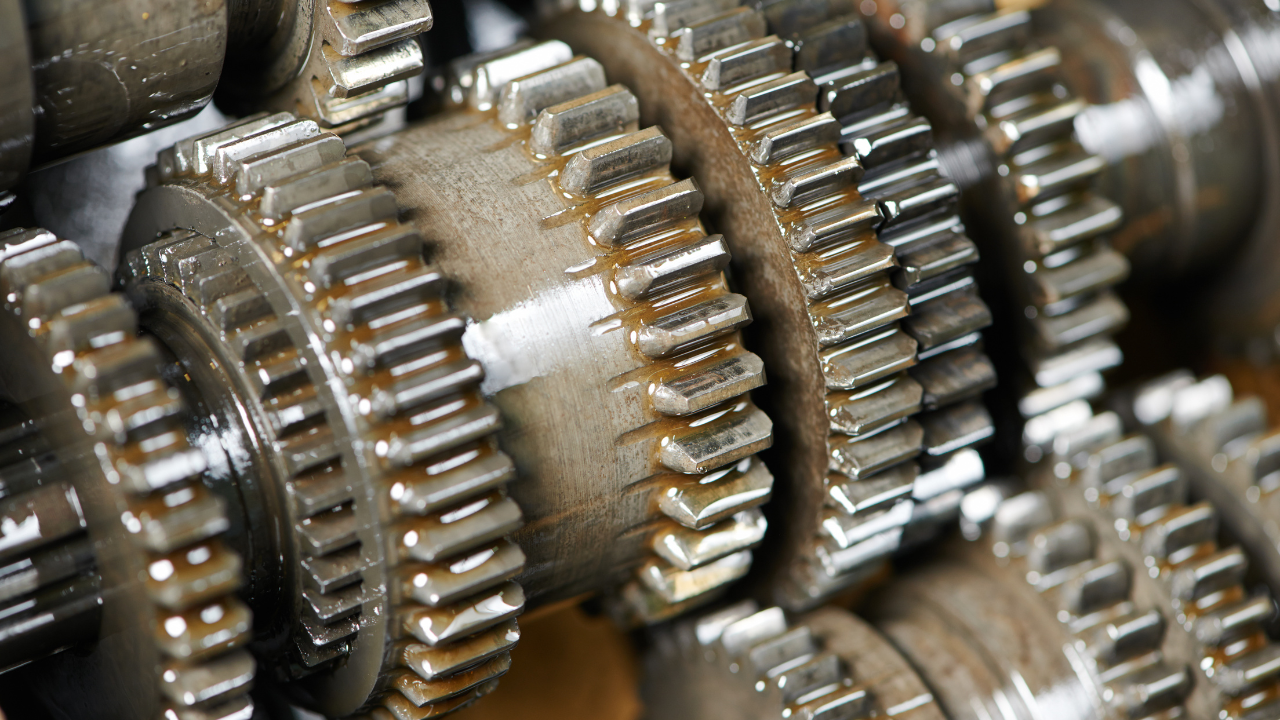
In industry, power consumption in the manufacturing environment accounts for approximately one-third of all energy consumed annually in the U.S. In the enclosed-gearing industry, questions, such as "how efficient is product X," are becoming increasingly common. Several factors influence how efficiency is lost during the operation of the gearbox system. Let's get started and first take a look at the effect oil seals and lubricants can have on gearbox efficiency.
In industry, power consumption in the manufacturing environment accounts for approximately one-third of all energy consumed annually in the U.S. In the enclosed-gearing industry, questions, such as "how efficient is product X," are becoming increasingly common. Several factors influence how efficiency is lost during the operation of the gearbox system. Let's get started and first take a look at the effect oil seals and lubricants can have on gearbox efficiency.
Dual seals are recommended for a variety of purposes, but in this paper we will be considering the use of dual seals as an environmental control to prevent the sealed product from either opening the seal faces, or damaging one of the seal components, the two reasons any mechanical seal ever failed.
Dual seals are recommended for a variety of purposes, but in this paper we will be considering the use of dual seals as an environmental control to prevent the sealed product from either opening the seal faces, or damaging one of the seal components, the two reasons any mechanical seal ever failed.
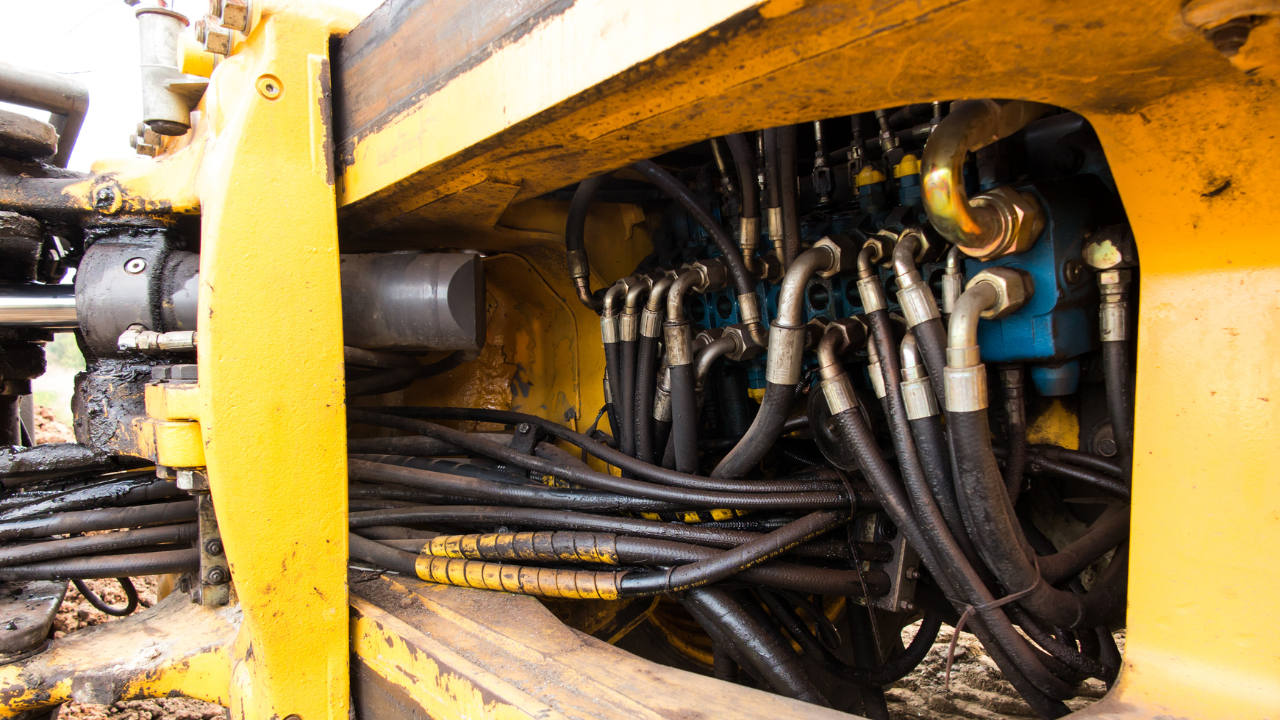
A client recently asked me to advise them on the possibility of repairing a large hydraulic valve off a 400 ton excavator, used in open-cut mining. The valve in question was a spool-type directional control. It had been badly damaged as a result of cavitation, which had occurred over a long period in service.
A client recently asked me to advise them on the possibility of repairing a large hydraulic valve off a 400 ton excavator, used in open-cut mining. The valve in question was a spool-type directional control. It had been badly damaged as a result of cavitation, which had occurred over a long period in service.
Bearing isolators significantly reduce the life-cycle cost of rotating equipment by minimizing maintenance, downtime, and energy expenses while extending equipment life.
Bearing isolators significantly reduce the life-cycle cost of rotating equipment by minimizing maintenance, downtime, and energy expenses while extending equipment life.