
Martin Sprocket and Gears: Maintenance and Troubleshooting Guide
Martin Sprocket & Gear Inc.
Click here to download the full pdf.
Related Articles
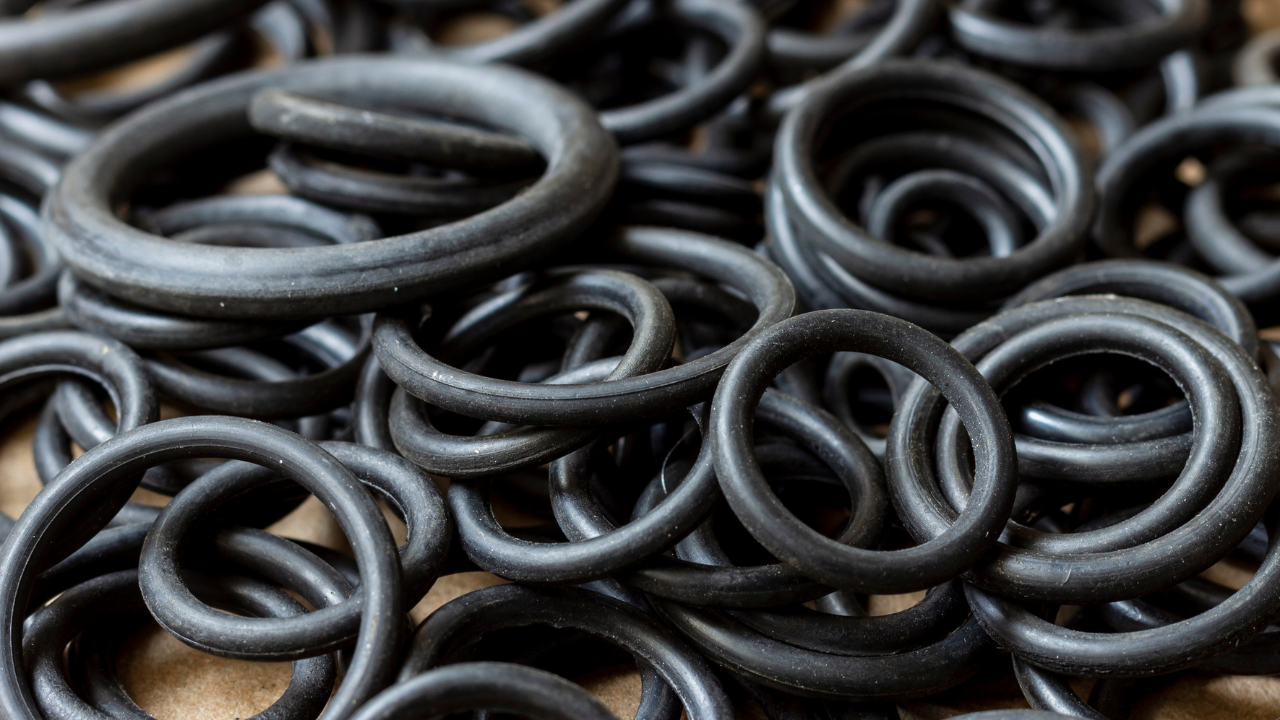
Who Should Recondition My Seals?
Such a question often comes up when it is time to recondition a mechanical seal: We use several different brands of mechanical seals in my plant. When a pump is taken out of service, we usually send the seal back to the original seal manufacturer for reconditioning. One of my suppliers has offered to recondition all of my seals, regardless of brand. Is this a good idea? Most process plant maintenance departments return their used mechanical seals to the original seal manufacturer (or Seal OEM) for reconditioning.

Classifying Chemicals to Assure Effective Sealing
The most common question asked by seal salesmen is "what are you sealing?" This is usually followed by asking about shaft size, product, temperature, speed, stuffing box pressure and any other operating conditions they can think of. The problem with this simplistic approach is that you would have to have a very large data bank of information to reference a particular problem so as to be able to make a sensible seal recommendation. There is a much more logical approach to the problem that we will be discussing in the following paragraphs.
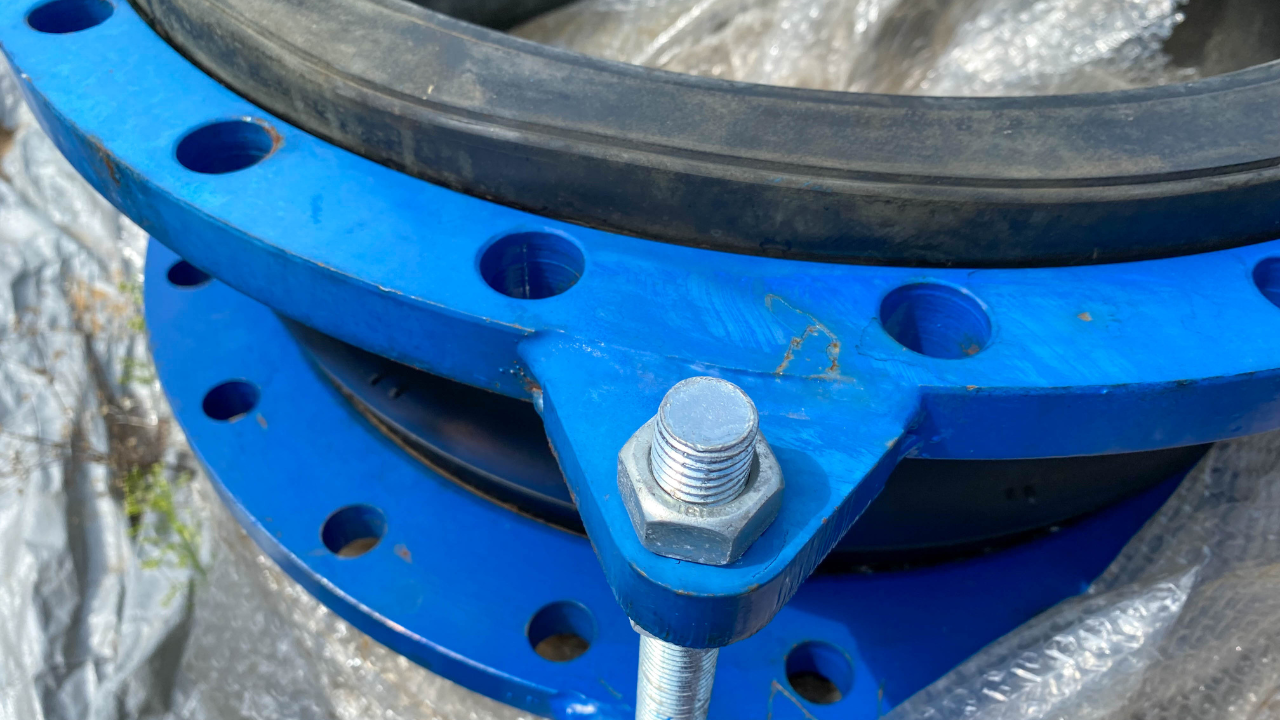
How to Get the Best from Expansion Joints
Expansion joints for pipework are often made from corrugated metal, especially when handling liquids or for operating pressures significantly above atmospheric. Metal expansion joints are outside the scope of the ESA guide.
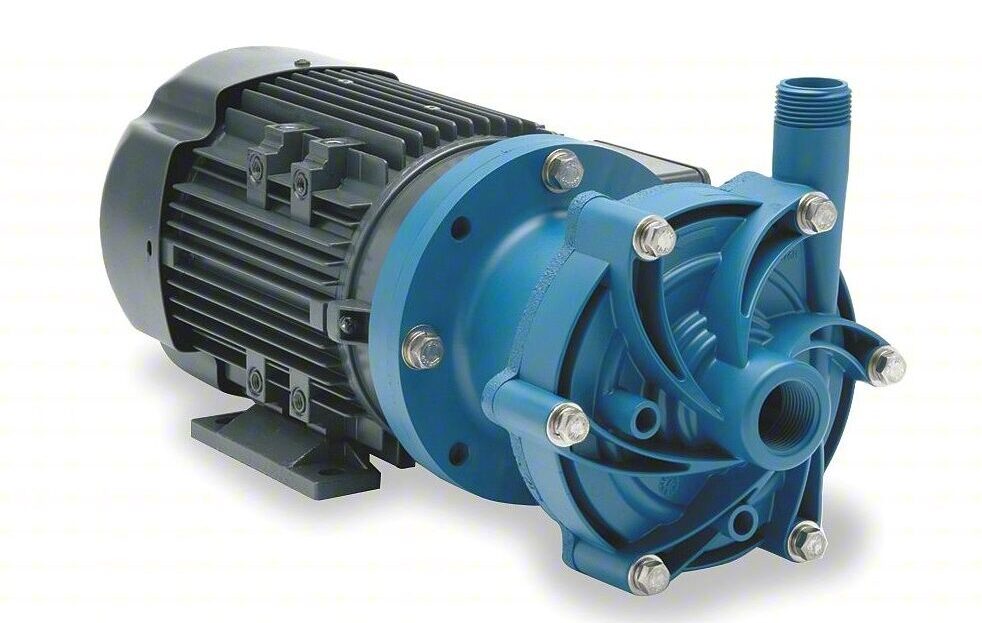
Experiences with Magnetic Drive Pumps
Magnetic drive pumps (also called magdrive pumps) come in three varieties – canned motor pumps, all metal pumps, and plastic lined metal pumps. They are sealless and cannot leak into the environment. Long, repair-free service life depends on recognizing the limitations of these pumps. This article covers issues with using direct mounted, lined magdrive pumps experienced ‘in the field’.
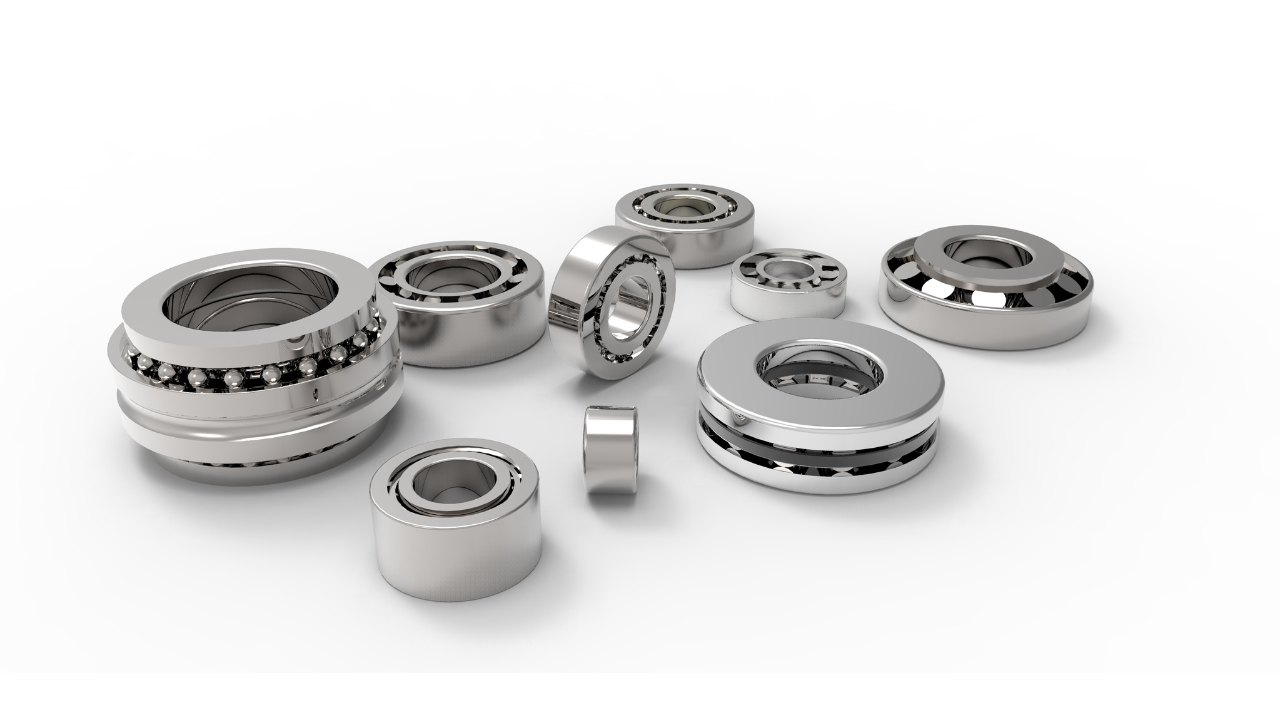
Why Do Pump Bearings Fail?
What do we mean by good bearing life? Most of us change the bearings every time we disassemble the equipment to replace the mechanical seal or the packing sleeve. Is this really a sensible thing to do? If you think about it for a minute there is nothing in a bearing to wear out, there are no sacrificial parts.

How Can I Extend the Performance Range of Standard Cartridge Mechanical Seals?
In today's global environment, the "one size fits all" approach is used for so many products that we expect it to apply to just about everything. In the mechanical seal industry, one problem with that philosophy is the definition of the word all. Mechanical seals must live in literally every environment under the sun-from extreme hot to extreme cold, wet to dry, solid to gas, acidic to caustic and so on. Until relatively recently, a vast variety of cartridge mechanical seals were needed to accommodate these pump applications.
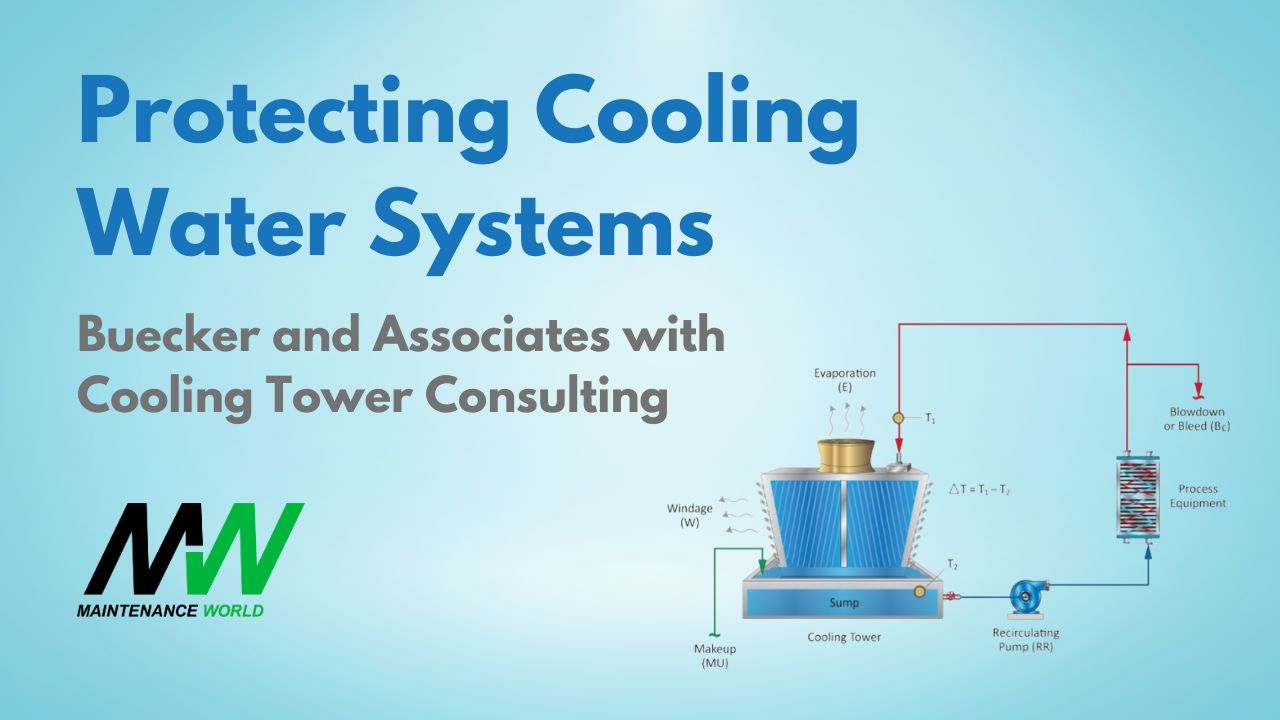
Protecting Cooling Water Systems – Part 1
In Part 1 of this series, we will examine some of the most important components of cooling towers, and from that will build upon issues that can affect cooling system performance and operation. One of the later installments will address closed cooling water systems.