

Energy and Life Cycle Cost Savings in Pumping Systems
Robert Lax and Karen Sanchez: ITT Goulds Residential & Commercial Group, Vestal Tutterow: Senior Program Manager, Alliance to Save Energy
Click here to download the full pdf.
Robert Lax and Karen Sanchez: ITT Goulds Residential & Commercial Group, Vestal Tutterow: Senior Program Manager, Alliance to Save Energy
Related Articles
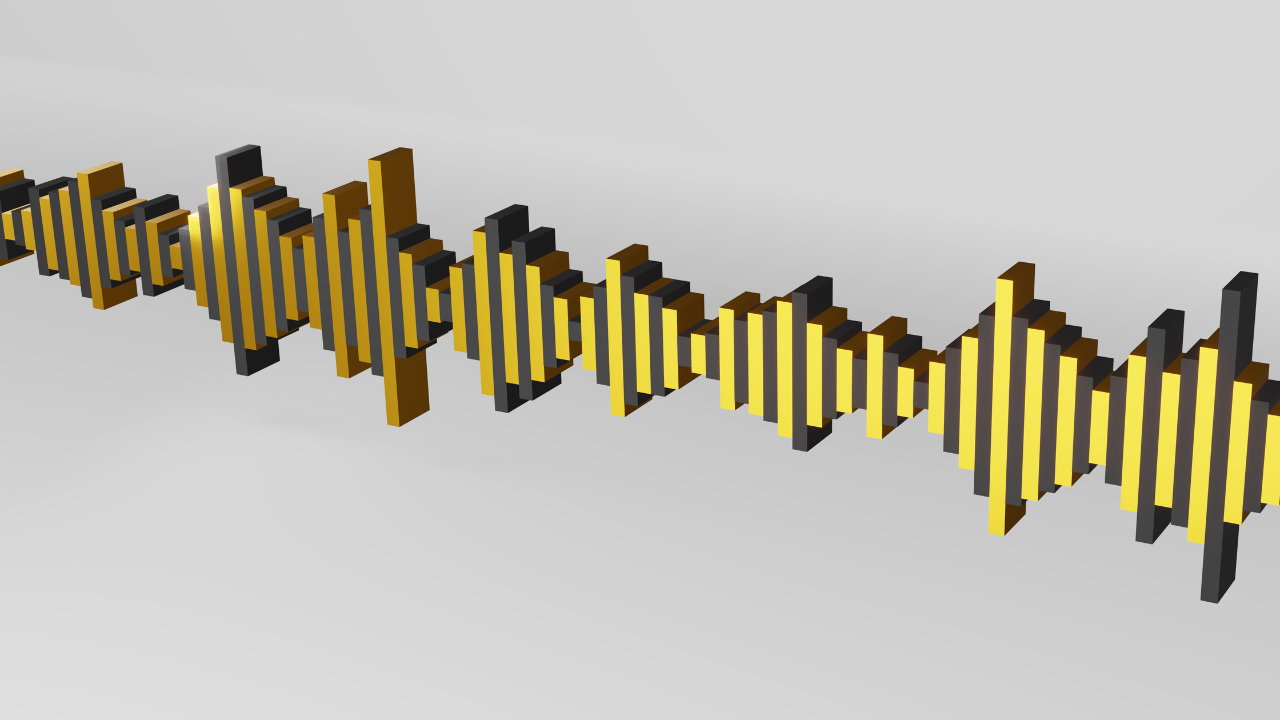
What is Vibration?
In its simplest form, vibration can be considered to be the oscillation or repetitive motion of an object around an equilibrium position. The equilibrium position is the position the object will attain when the force acting on it is zero. This type of vibration is called "whole body motion", meaning that all parts of the body are moving together in the same direction at any point in time.

Use this Game Plan to Justify an Investment in Maintenance and Reliability
As many of us strive to improve the reliability of our plants, several comments bemoan how challenging that is to do in an era of continuous deep cost cutting. They say that in their operation, maintenance is seen as a cost, and is one of the first things to arbitrarily cut. Some think their operations have cut too far! What they seek is a way to justify a strong maintenance capability. I submit that one approach is to speak of maintenance as an “investment in capacity.” Use the language that plant managers, controllers and senior management understands: capital investment and return on investment (ROI).
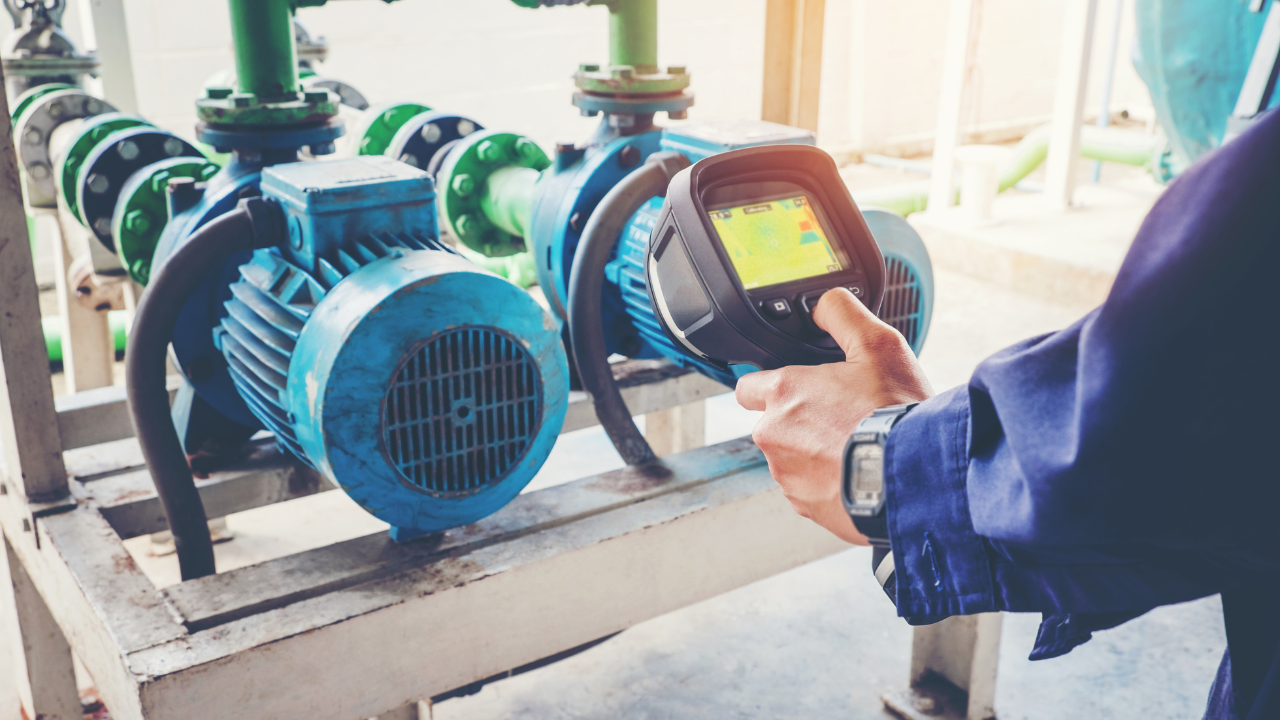
Inspecting Seals with IR Thermography
In today's industry, practices that were once acceptable are no longer even tolerated. Environmental concerns and EPA mandates are applying more and more pressure on businesses like the chemical industry to improve the manufacturing processes being used, to the point that not only is a slight drip from a pump seal not acceptable, but in 2004 the MACT will be enacted and only 500 - 1,000 parts per million vapor will be allowed and, eventually, no vapor at all.
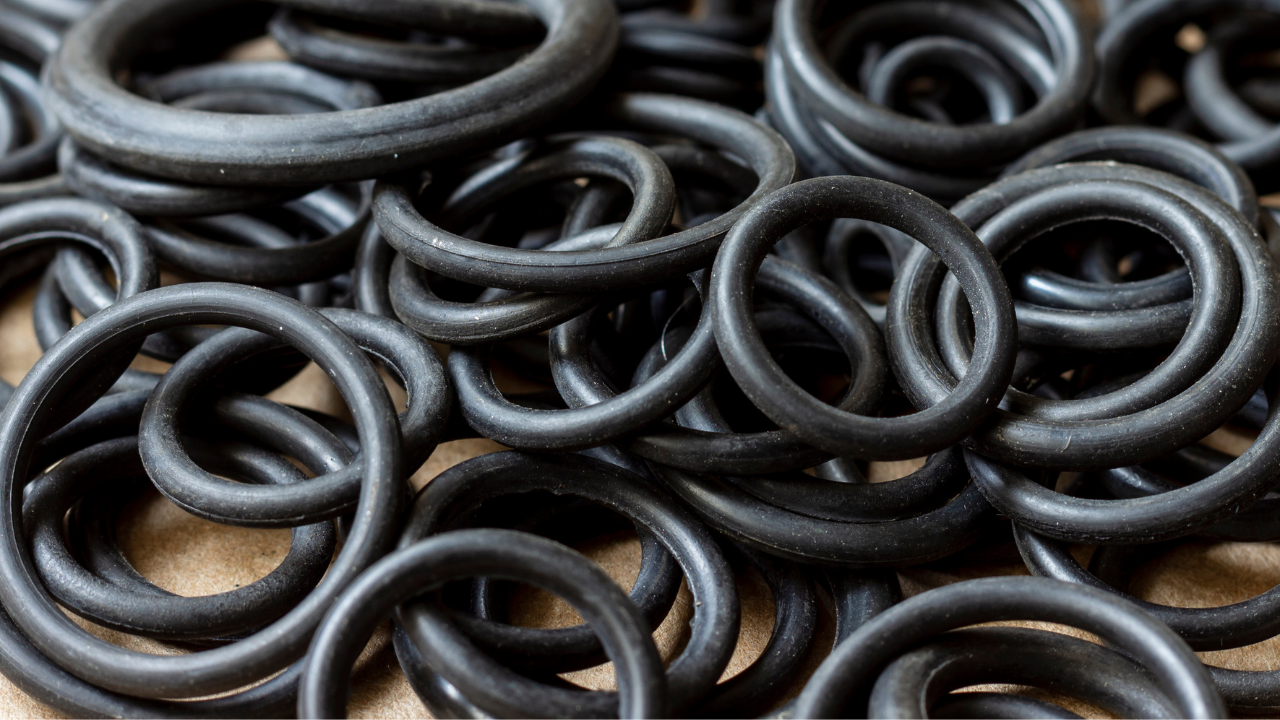
Troubleshooting Mechanical Seals | Even/Uneven Wear Track | Part 4
Part 4 of 9 on Troubleshooting Mechanical Seals: Even/Uneven Wear Track - symptoms, causes, failure modes, and solutions.
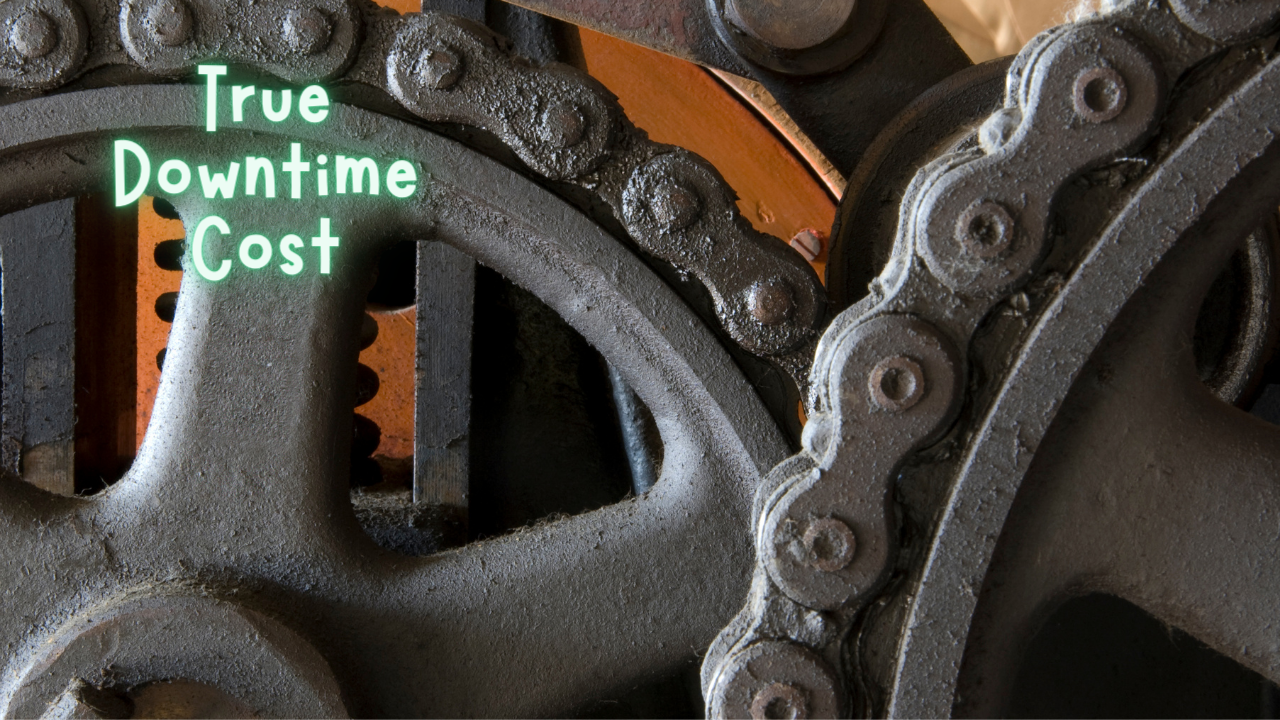
What is the True Downtime Cost (TDC)?
The key to realizing greater savings from more informed management decisions is to predetermine the "True" cost of downtime for each profit center category. True downtime cost is a methodology of analyzing all cost factors associated with downtime, and using this information for cost justification and day to day management decisions. Most likely, this data is already being collected in your facility, and need only be consolidated and organized according to the true downtime cost guidelines.
How Can Control Systems Trick Operators?
How can control systems trick operators? Operators are required to run their plants from control panels. They view the control panel dials, lights, and readouts. From those they interpret the plant and equipment operating condition. It is critical that every indicator on the panel be a true reflection of the equipment’s state out in the plant.

The Impact of Lower Quality Process Materials on Manufacturing Equipment Downtime
Low-quality process materials can significantly impact manufacturers by causing production delays, increased defects, higher maintenance costs, and a decrease in the overall quality of the final products. It can lead to waste, higher rejection rates, and damage to machinery, affecting both the efficiency and reputation of the manufacturing process.