[webinar] Embracing Digital Transformation in Maintenance & Plant Operations | March 13 at 10AM EST – Register Now
Manufacturing Case Study: 60% Reduction of Reactive Work
Manufacturing Case Study: 60% Reduction of Reactive Work
Paweł Bęś, Logistics and Maintenance Marketing Expert, QRmaint
Posted 9/24/2026
In heating system production, assembly precision and process continuity drive market leadership. Unplanned equipment downtime clearly causes significant financial losses. KOSPEL is a German heating equipment manufacturer with over 35 years of experience, supplying solutions that deliver comfort to homes across Europe and worldwide.
Deploying the cloud-based CMMS system shifted the operational focus from reactive “firefighting” to predictive and automated scheduling. As a result, preventive maintenance grew to 60% relative to reactive work, dropping the share of breakdowns by 60 percentage points from the original baseline (20%). (60% reduction of reactive work)
“Everything was clear. We needed a digital foundation that would allow our floor teams to act quickly and log data transparently, while providing management with real-time analytics to prevent future breakdowns before they even occur.”
— Thomas Szafransky, Maintenance Director
Root Cause of Change
Let’s look for the root cause. Before implementing the digital tool, the maintenance department’s daily routine relied on a traditional, fragmented information flow:
Problem 1: Lack of a Centralized Database
Service requests and technical details were scattered across paper documents and verbal communication. Without a digital trail, it was difficult to identify recurring breakdowns on welding and assembly lines.
Problem 2: Reactive Mindset
Inspection scheduling relied on physical calendars and employee memory. This made it hard to maintain strict machine operating tolerances, leading to sudden failures.
Problem 3: Delayed KPI Analysis
Manually aggregating data for MTBF (Mean Time Between Failures) and MTTR (Mean Time To Repair) meant reports reached management with significant delays, offering purely historical insights.
Solution: Implementing QRmaint CMMS
Deploying the QRmaint cloud platform across Kospel aimed to remove communication barriers and digitize processes across its multi-plant structure, with a strong emphasis on mobility.
Core Features of the Implemented System
QR Codes & Mobile Requests
Every machine was labeled with a unique QR code. Scanning it with a mobile device gives technicians instant access to service history, documentation, and quick repair logging.
Automated Prevention
The system automatically generates maintenance schedules based on machine operating hours (runtime counters) or calendar intervals, enabling a smooth transition to a preventive strategy.
Live Operational Analytics
Automated data streams continuously generate real-time performance charts and KPIs, giving management live dashboards that show equipment status.
Performance Analysis & Work Culture
Measuring & Reducing Repair Times: A systematic approach directly increased MTBF and noticeably reduced MTTR.
Cultural Shift: Shop floor employees actively adopted the QRmaint mobile app to receive tasks and log repair progress.
On-Site TV Dashboards: Clear display screens on the shop floor let the entire team track task execution status in real time.
Rapid Response Without Phone Calls: Technicians receive instant work order notifications without needing follow-up calls.
“The increase in mean time between failures and the decrease in repair times directly prove that systematic, automated, preventive maintenance simply works. QRmaint gave us the tool to turn intuition into hard data. Today, preventive actions account for 60% compared to reactive ones—a massive leap from 20% before implementation. QRmaint provides us with far greater operational predictability.”
— Thomas Szafransky, Maintenance Director
Business Impact & Conclusion – Reduction of Reactive Work
A single cloud system replaced paper logs and Excel spreadsheets. Shop floor information reaches management in a fraction of a second. Moreover, they can handle more precise CAPEX budgeting in the coming years. Reliable asset failure data enables Kospel’s board to make sound decisions on modernizations and investments.
The collaboration between Kospel and CMMS provider QRmaint shows that transformation delivers results. The software directly aligns with the practical needs of shop floor workers. Digitizing these processes secured production continuity for flagship heating devices. Thomas said they are building a lasting competitive edge grounded in a data-driven culture. Finally.
Paweł Bęś
Paweł Bęś, Logistics and Maintenance Marketing Expert for QRmaint. He is a B2B marketer with 8 years of experience in the logistics industry in the Netherlands. His work included business analysis of distribution and supply chain operations of high-tech companies in EMEA and APAC. He was responsible for directing, coordinating, planning and supervising transportation tasks and internal operations. He is currently responsible for marketing activities at QRmaint, a company that provides CMMS systems for various industries.
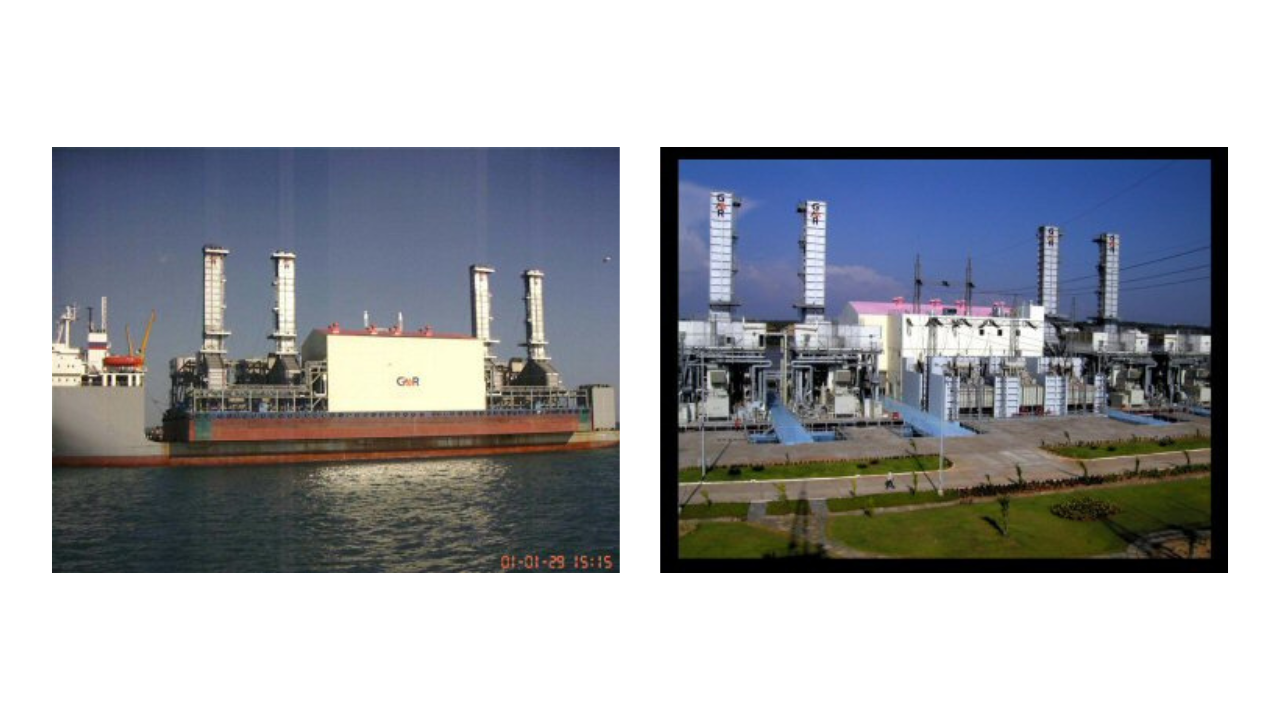
Lack of investment in maintenance could potentially have costly consequences. Besides safety risks, defects in power stations often result in cost-intensive remediation measures and temporary loss of power production. The ideal maintenance strategy is about applying the right measures at the right times. However, there are no silver bullets for power station maintenance.
Lack of investment in maintenance could potentially have costly consequences. Besides safety risks, defects in power stations often result in cost-intensive remediation measures and temporary loss of power production. The ideal maintenance strategy is about applying the right measures at the right times. However, there are no silver bullets for power station maintenance.
Like most mature job functions, facilities management regularly face the scenario of senior employees retiring, more so than newer industries like artificial intelligence or electric vehicles. Everyone of us can related to throwing a surprise party for a fellow colleague, and then it hits us, when Tim walks out that door, along go 4 decades of knowledge. But Tim's job is done, he has earned a well-deserved retirement and it's time for new employees to take the reins.
Like most mature job functions, facilities management regularly face the scenario of senior employees retiring, more so than newer industries like artificial intelligence or electric vehicles. Everyone of us can related to throwing a surprise party for a fellow colleague, and then it hits us, when Tim walks out that door, along go 4 decades of knowledge. But Tim's job is done, he has earned a well-deserved retirement and it's time for new employees to take the reins.
Management today is never the same what was yesterday. And India, undoubtedly, has been one place that has witnessed radical changes in Management - be it Man Management, Money or Material Management. And it goes without saying that concept of "Lean" in all fields is the name of the game. Lean Organization, Reduced Vendor base, Shorter Production Cycle, Market Micro-segmentation and Skinned Distribution Points are all globally accepted jargons of the present day cost conscious world.
Management today is never the same what was yesterday. And India, undoubtedly, has been one place that has witnessed radical changes in Management - be it Man Management, Money or Material Management. And it goes without saying that concept of "Lean" in all fields is the name of the game. Lean Organization, Reduced Vendor base, Shorter Production Cycle, Market Micro-segmentation and Skinned Distribution Points are all globally accepted jargons of the present day cost conscious world.
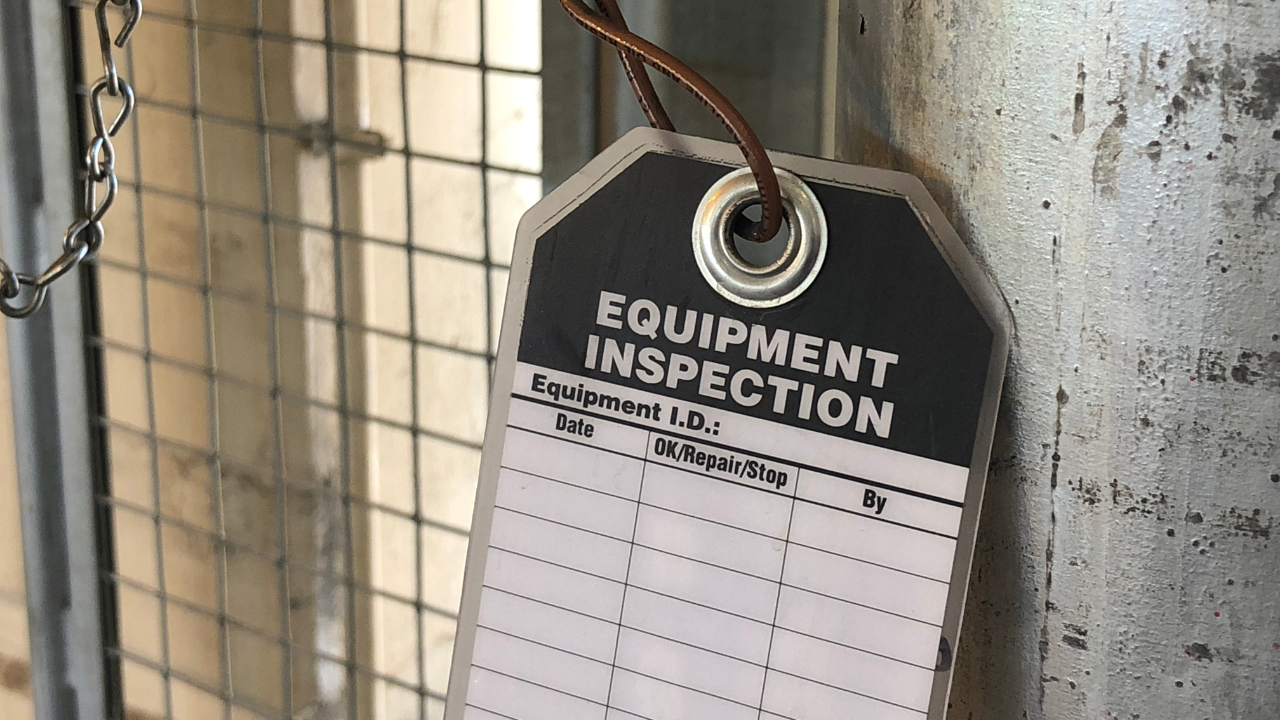
Equipment inspections is key to keeping your production running but many plants don't tap into all the resources available. IDCON Reliability and Maintenance Management Consultant, Michael Lippig has a simple decision chart that will help you decide what tasks can be done by what roles.
Equipment inspections is key to keeping your production running but many plants don't tap into all the resources available. IDCON Reliability and Maintenance Management Consultant, Michael Lippig has a simple decision chart that will help you decide what tasks can be done by what roles.
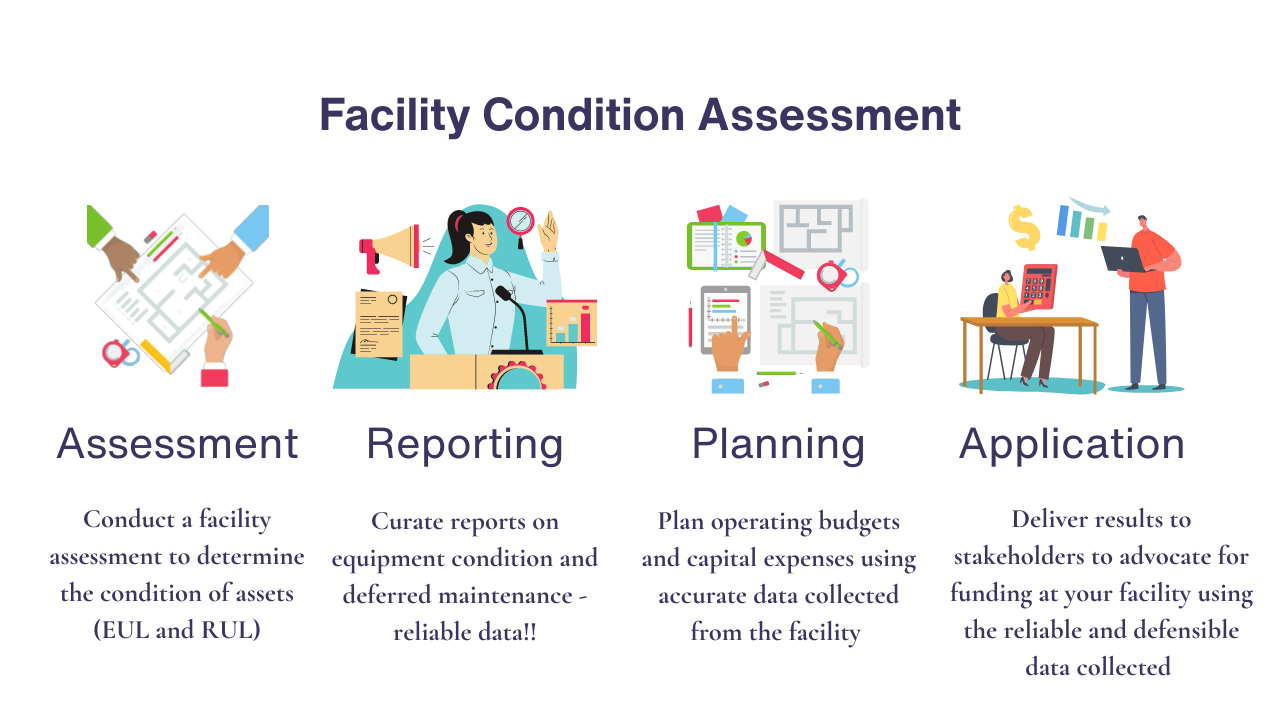
Facility Condition Assessments (FCA) help facility managers perform on-site assessments to articulate the needs of their facility, put together reports on equipment condition and deferred maintenance, and then plan operating budgets to address these needs. With the resulting data, facility managers are prepared to present and defend their priorities when advocating for project funding.
Facility Condition Assessments (FCA) help facility managers perform on-site assessments to articulate the needs of their facility, put together reports on equipment condition and deferred maintenance, and then plan operating budgets to address these needs. With the resulting data, facility managers are prepared to present and defend their priorities when advocating for project funding.
This article does not describe what you should measure, except perhaps in the form of examples to illustrate a point, but rather shares thoughts to consider about key principles to follow in developing your performance measures.Your performance measures must do the following.
This article does not describe what you should measure, except perhaps in the form of examples to illustrate a point, but rather shares thoughts to consider about key principles to follow in developing your performance measures.Your performance measures must do the following.
Budgets will rise and fall, but a disciplined process, honest conversations, and a commitment to reliability ensure that the right work gets done. When leaders stand together on those principles, the plant becomes safer, more stable, and better prepared for the future.
Budgets will rise and fall, but a disciplined process, honest conversations, and a commitment to reliability ensure that the right work gets done. When leaders stand together on those principles, the plant becomes safer, more stable, and better prepared for the future.