
What is Electrical Preventive Maintenance?
Abdulwahab Rahman Dayo for Click Maint CMMS
Posted 10/23/2025
For facility managers, a consistent power supply is paramount, and Electrical Preventive Maintenance (EPM) is the cornerstone of its reliability. EPM is a systematic approach to maintaining electrical infrastructure, encompassing panels, cables, transformers, and control systems, to ensure optimal performance. Regular inspections, testing, and thorough documentation enable maintenance teams to identify potential issues such as loose connections, overheating components, or insulation wear long before they escalate into expensive failures. Implementing an EPM program not only improves energy efficiency and enhances safety but also significantly reduces repair costs.
Electrical systems are crucial to the operation of every modern facility, from manufacturing plants and hospitals to data centers, commercial complexes, and office buildings. Implementing electrical preventive maintenance is essential for maintaining continuous operations and fostering trust among occupants and stakeholders.
This article explores electrical preventive maintenance, detailing its key components, its function, and how it contributes to increased revenue and reduced downtime for factories.

What is Electrical Preventive Maintenance?
Electrical Preventive Maintenance (EPM) refers to the planned inspection, testing, servicing, and repair of electrical equipment to prevent unexpected breakdowns and extend the life cycle of the electrical systems.
In other words, Electrical Preventive Maintenance (EPM) keeps electrical components in top condition to ensure safety, compliance, and uninterrupted performance.
Importance of Electrical Preventive Maintenance
Consider it a health check for your power system, keeping it running smoothly and reducing the risk of sudden breakdowns. EPM isn’t reactive; it does not wait for electrical problems to appear. And it’s not purely predictive; it relies on data trends.
It’s proactive and deliberate. It’s the act of testing and solving electrical problems before they become significant issues.
Neglecting this kind of maintenance can be disastrous for facility and maintenance managers. Many facility fires, breakdowns, and shutdowns start with something small, like a loose terminal or a corroded connection. A single uninspected breaker or corroded terminal could cost millions in downtime. The best maintenance prevents the call for emergency repairs.
Key Components of an Effective Electrical Preventive Maintenance Program
A strong and well-executed Electrical Preventive Maintenance program is not about reacting to problems, but instead about establishing a structure to prevent electrical problems from occurring in the first place. That is why these components are essential in EPM.
Here’s what every facility needs to make it work:
Asset Inventory & Criticality Ranking
Start by knowing what you have. Every breaker, every cable, every motor. Then rank them by importance or asset criticality. Which failures would stop production, compromise safety, or shut down operations? That’s where you focus your attention first.
Inspection & Testing
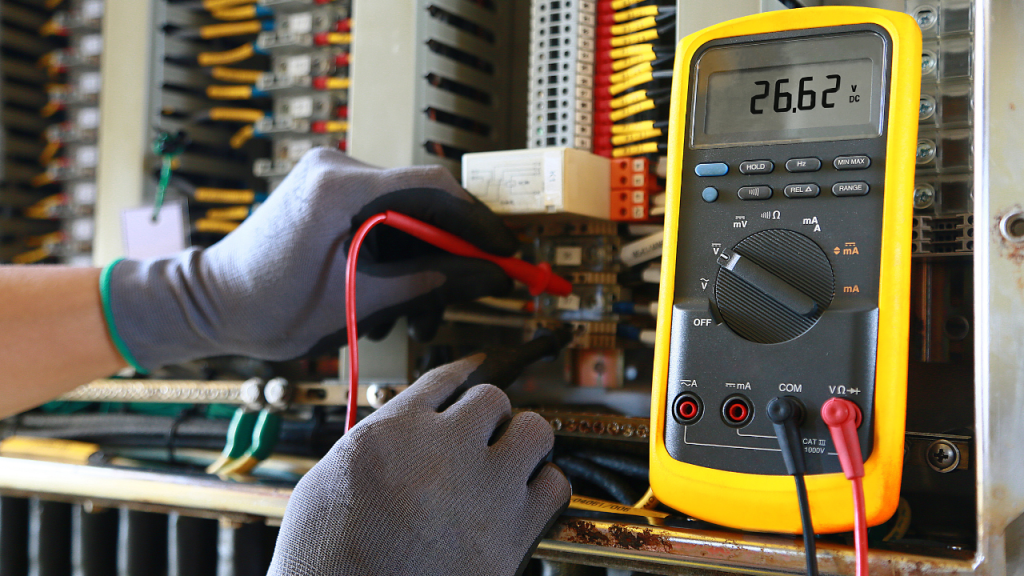
Regular checks reveal what the naked eye cannot. Infrared thermography, insulation resistance testing, and visual inspections detect early warning signs of overheating components and moisture buildup long before failure.
Cleaning, Tightening & Lubrication
Dust, vibration, and moisture are the silent destroyers of electrical systems. A routine cleaning schedule, torque checks, and proper lubrication keep everything in top condition and running efficiently.
Documentation & Compliance
It’s important to instill the mindset of “If it’s not documented, it didn’t happen”. Team members should record every test, every finding, and every fix. Not only does this keep your team accountable, but it also ensures that when regulators or insurers ask for proof, you’ve got it ready.
Safety Protocols
Every procedure begins and ends safely, so use lockout/tagout, wear proper PPE, and label hazards clearly. Having a CMMS in place ensures that all details of task completion and relevant activities are well-documented efficiently.
Applications of Electrical Preventive Maintenance
A manufacturing plant can set up a digital maintenance system to track every transformer, panel, and switchboard. Each inspection is logged, and each test is scheduled automatically. The thermal scan shows when the switchgear heats up far beyond its normal range. A quick fix later could help prevent a major power failure that could cost days of downtime.
Or imagine a hospital running routine thermographic checks every few months. One morning, the maintenance team spots a loose connection feeding a life-support unit. They tighten it up immediately. Power stays stable. Patients stay safe.
Electrical Preventive Maintenance doesn’t just save equipment; it might sound like a simple fix, but it saves operations and sometimes lives.
Today, standards and safety regulations don’t just recommend Electrical Preventive Maintenance; they expect it. Preventive maintenance isn’t an extra step. It’s part of what defines a responsible operation.
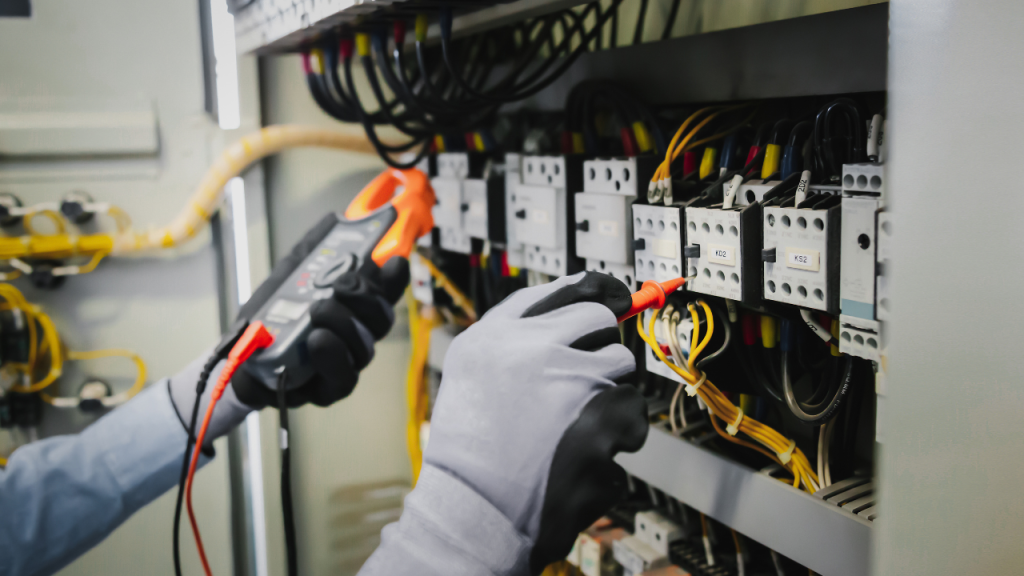
Maintenance Scheduling and Frequency Determination
Purpose of Scheduling
Maintenance scheduling ensures that electrical systems receive attention at the right time, not too late to cause failures, and not so early that resources are wasted. A structured schedule keeps inspections, testing, and servicing consistent, organized, and cost-effective.
Factors Influencing Maintenance Frequency
The ideal maintenance interval depends on several factors:
- Equipment criticality: Assets vital to safety or production should be inspected more frequently.
- Operating environment: Systems exposed to dust, vibration, humidity, or heat deteriorate faster and need shorter maintenance cycles.
- Usage intensity: High-load or continuously running equipment faces more stress and requires tighter schedules.
Industry Standards and Guidelines
When developing an electrical preventive maintenance (EPM) program, it’s important to refer to authoritative references to establish appropriate maintenance intervals. These resources include NFPA 70B: Recommended Practice for Electrical Equipment Maintenance, IEEE recommendations (such as those found in IEEE Std 3007.2-2022 for the Recommended Practice for the Application of Electrical Equipment in Industrial and Commercial Power Systems), and the manufacturer’s manuals for specific equipment. These documents provide baseline intervals and detailed guidance for various components, ensuring a comprehensive and effective maintenance strategy.
For instance, highly critical equipment like switchgear often requires annual testing to ensure its reliability and operational safety. This annual testing may involve visual inspections, thermography, insulation resistance testing, contact resistance testing, and functional checks of protective devices.
However, not all components necessitate such frequent in-depth testing. Visual inspections, which are a fundamental part of any EPM program, can be conducted more frequently, such as quarterly or even monthly, depending on the environment, the criticality of the equipment, and observed conditions. These inspections can identify early signs of wear, damage, overheating, or contamination, allowing for timely intervention before minor issues escalate into major failures. The specific frequency for each activity should be determined by a thorough risk assessment, considering factors like equipment age, operational criticality, environmental conditions, and historical performance data.
The Role of CMMS, IoT, and Predictive Analytics
Maintenance is currently in the digital era, where technology helps humans stay ahead of the curve. Electrical Preventive Maintenance uses these tools to track problems and fix them. Some recent tools include CMMS and IoT.
A Computerized Maintenance Management System (CMMS) has become the central command of Electrical Preventive Maintenance. It schedules inspections, tracks work orders, and sends reminders when something’s due.
IoT sensors are built into switchgear, breakers, and motors. They monitor conditions such as temperature, vibration, and equipment voltage 24/7 and send an alert when something looks off.
Modern systems even use artificial intelligence to spot patterns. Machine learning models can tell you that a motor’s insulation is wearing down or that a breaker’s about to trip weeks before it happens.
This is maintenance evolving into foresight. It’s not just about fixing; it is about predicting and preventing problems before they occur.

Reliability Centered Maintenance (RCM) in Electrical Systems
Every maintenance decision should answer one question: What matters most?
That’s the goal of Reliability-Centered Maintenance (RCM). It’s about focusing your resources where they make the most significant difference. Instead of treating all assets equally, RCM identifies which components are mission-critical and which can wait. It uses failure mode analysis to rank risks and target inspections where failure would cause the most harm. That same mindset now guides industrial maintenance everywhere: focus your effort where reliability counts most.
Electrical Preventive Maintenance reveals a bigger truth: reliability is invisible until it’s gone.
The same principles that protect power systems can be applied to other critical equipment, such as HVAC units, pumps, conveyors, and more. IoT sensors and predictive models help facility managers spot problems across entire infrastructures, often before human teams notice.
And in remote or high-stakes environments, offshore rigs, manufacturing lines, and data centers, preventive care isn’t optional. It’s essential for survival.
Reliability doesn’t start with power; it starts with mindset. Maintenance isn’t just a department; it’s a culture that shapes an organization’s operations.
The Future of Electrical Preventive Maintenance
Electrical Preventive Maintenance is evolving. Robots and drones inspect high-voltage systems, eliminating human risk. Digital twins simulate equipment behavior under stress or age. Edge computing processes data instantly at the source. Blockchain provides tamper-proof digital records of inspections and repairs. Prescriptive maintenance systems predict and automatically correct failures. For example, a breaker can detect a heat rise, recalibrate itself, and send a report. This represents the next generation of reliability in electrical preventive maintenance.
Compliance, Standards & Risk Mitigation
Modern standards now mandate preventive maintenance as a core component of electrical safety programs. These guidelines are in place because they are demonstrably effective at saving lives and significantly reducing operational downtime.
Consistent and regular electrical maintenance systematically lowers the risk of arc flash incidents, substantially extends the lifespan of critical equipment, minimizes costly unscheduled downtime, and fosters greater credibility with both auditors and insurance providers.
Implementing preventive maintenance is not merely a business requirement; it is recognized as a fundamental responsibility for every facility committed to optimizing the performance and longevity of its electrical infrastructure.
Conclusion
Electrical Preventive Maintenance is the foundation of electrical reliability, safety, and efficiency. This article explored how electrical preventive maintenance helps keep operations alive and how consistent preventive care prevents downtime.
Electrical Preventive Maintenance doesn’t happen by accident; it’s engineered through deliberate planning, structured inspections, and disciplined follow-through. A facility that invests in preventive maintenance prevents downtime and protects its people, assets, and productivity.
Electrical Preventive Maintenance. When supported by tools like CMMS platforms, IoT sensors, and predictive analytics, these principles evolve into a digital reliability ecosystem that gives facility teams real-time insight and predictive foresight.
Electrical maintenance also teaches a broader truth: reliability is universal. The same discipline that keeps electrical systems running applies to HVAC, manufacturing, and infrastructure management. Preventive and reliability-centered maintenance transforms operations from reactive firefighting to strategic control. It’s what separates facilities that survive from those that thrive.
As technology advances, maintenance will evolve from preventive to predictive and eventually to prescriptive. Artificial intelligence, edge computing, and digital twins will allow facility managers to anticipate problems before they surface and automate solutions before human intervention is needed. But even with all this innovation, one principle remains unchanged: maintenance is a human responsibility built on consistency, care, and attention to detail.

Related Articles


Unmanned Aircraft Systems and the Future of Autonomous Inspection

What is Predictive Run to Failure?
Boiler Water Chemistry Control: Preventive vs. Reactive Maintenance