Wind energy is one of the fastest-growing sectors in the renewable energy industry. However, there are short-term safety issues of wind energy that must be addressed to ensure the well-being of workers and communities involved in the construction, maintenance, and operation of wind farms. In this FAQ, we will explore some pressing safety issues and how JMS—a leader in wind energy solutions—effectively addresses them.
1. What are the most common safety hazards associated with wind energy?
The most common short-term safety hazards in wind energy stem from the installation and maintenance of wind turbines, as well as environmental and human factors. These hazards include:
– Fall Risks: Workers are often required to work at significant heights, leading to the risk of falls.
– Mechanical Failures: The moving components of wind turbines, if improperly handled, can pose serious threats.
– Electrical Hazards: Maintenance operations involve electrical components that can be dangerous if not adequately managed.
– Weather Conditions: Weather can adversely affect the safety of operations, like high winds or icy conditions.
– Transport and Logistics: The transport of large turbine components can pose risks on land and sea.
JMS Approach: JMS Energy employs robust safety protocols and state-of-the-art equipment to minimize these risks. Fall arrest systems, regular mechanical inspections, thorough electrical safety training, and real-time weather monitoring are all part of their comprehensive safety strategy.
2. How does JMS mitigate the danger of falls and related injuries during wind turbine installation and maintenance?
Falls present one of the biggest safety challenges due to the significant heights involved.
JMS Approach: JMS Energy prioritizes the use of certified fall protection systems, such as harnesses, guardrails, and safety nets. They implement intensive training programs, regular safety drills, and inspections to ensure compliance with safety standards and protocols.
3. What measures are in place to address the risk of mechanical failures during wind turbine operations?
JMS Approach: JMS uses a proactive mechanical inspection and maintenance schedule, along with advanced monitoring technologies to foresee potential issues. Predictive maintenance tools analyze data to detect anomalies, enhancing safety and efficiency.
4. How are electrical safety hazards in wind farms managed by JMS?
Electrical hazards come from high-voltage systems.
JMS Approach: Comprehensive procedures include rigorous employee training, LOTO practices, and PPE usage. Regular inspections by qualified electricians minimize risks.
5. What protocols does JMS follow to manage adverse weather conditions affecting wind turbine safety?
JMS Approach: Robust weather monitoring and forecasting systems, real-time monitoring, and personnel training in emergency preparedness ensure safety.
6. How does JMS handle the logistical and transportation challenges associated with wind turbines?
Transportation of large components poses risks.
JMS Approach: Meticulous planning, specialized transportation equipment, collaboration with logistics partners, and route assessments ensure safe transportation.
7. How does JMS ensure compliance with international safety standards and regulations in wind energy projects?
Compliance is vital for safety and success.
JMS Approach: Regular audits, adherence to OSHA and ISO standards, and continuous improvement ensure compliance with the latest safety standards.
8. What role do training and safety culture play at JMS in mitigating short-term safety issues of wind energy?
An educated workforce is key to preventing accidents.
JMS Approach: Ongoing training programs, a safety-first culture, open communication, and hazard reporting encourage a proactive safety approach.
Conclusion
The short-term safety issues of wind energy are multifaceted, involving various factors. JMS Energy demonstrates commitment to addressing these concerns through protocols, technology, and a strong safety culture. By prioritizing safety, JMS ensures wind energy remains a sustainable and safe power source, setting a benchmark in the industry.
When we have catastrophic events such as the club fire in RI, the inspection process that allowed code violations to go uncorrected for two years needs to be revisited. Many inspectors view their daily work in a way that results in the low hanging fruit getting picked, but the more difficult to reach fruit on high branches going untouched. When an agency is responsible for inspections for compliance with safety, health, fire and/or environmental standards there needs to be a meaningful quality control or improvement program in place. Citizens or your community deserve no less.
When we have catastrophic events such as the club fire in RI, the inspection process that allowed code violations to go uncorrected for two years needs to be revisited. Many inspectors view their daily work in a way that results in the low hanging fruit getting picked, but the more difficult to reach fruit on high branches going untouched. When an agency is responsible for inspections for compliance with safety, health, fire and/or environmental standards there needs to be a meaningful quality control or improvement program in place. Citizens or your community deserve no less.
Many explosions in the processing, manufacturing and bulk materials handling industries involve flammable gases or vapors and explosive dusts or fibers. Such chemicals are known as hazardous materials. The article provides a basic overview of the design requirements and maintenance practices for electrical equipment in hazardous areas.
Many explosions in the processing, manufacturing and bulk materials handling industries involve flammable gases or vapors and explosive dusts or fibers. Such chemicals are known as hazardous materials. The article provides a basic overview of the design requirements and maintenance practices for electrical equipment in hazardous areas.
Having a thorough understanding of what first aid skills for maintenance workers look like and why they matter is so critical. While the hope is that you never have to use the knowledge, it can be the difference between life and death in an urgent situation.
Having a thorough understanding of what first aid skills for maintenance workers look like and why they matter is so critical. While the hope is that you never have to use the knowledge, it can be the difference between life and death in an urgent situation.
In this advisory, we are going to demonstrate how hazardous, documented, service, repair, and troubleshooting recommendations have proliferated the fluid power industry, leaving unsuspecting persons vulnerable to possible injury or death. Unsafe service, repair, and troubleshooting recommendations are running rampant throughout the fluid power industry - and there is no end in sight!
In this advisory, we are going to demonstrate how hazardous, documented, service, repair, and troubleshooting recommendations have proliferated the fluid power industry, leaving unsuspecting persons vulnerable to possible injury or death. Unsafe service, repair, and troubleshooting recommendations are running rampant throughout the fluid power industry - and there is no end in sight!
There are three basic electrical hazards that cause injury and death: shock, arc-flash, and arc-blast. Following these safety principles can result in a safer work environment and prevent injuries or even death.
There are three basic electrical hazards that cause injury and death: shock, arc-flash, and arc-blast. Following these safety principles can result in a safer work environment and prevent injuries or even death.
Unfired pressure vessel inspections - are they necessary? Absolutely. Pressure vessels must be regularly inspected and be maintained in a safe operating condition. The higher the risk, the more stringent the requirements for operating and inspecting the vessel.
Unfired pressure vessel inspections - are they necessary? Absolutely. Pressure vessels must be regularly inspected and be maintained in a safe operating condition. The higher the risk, the more stringent the requirements for operating and inspecting the vessel.
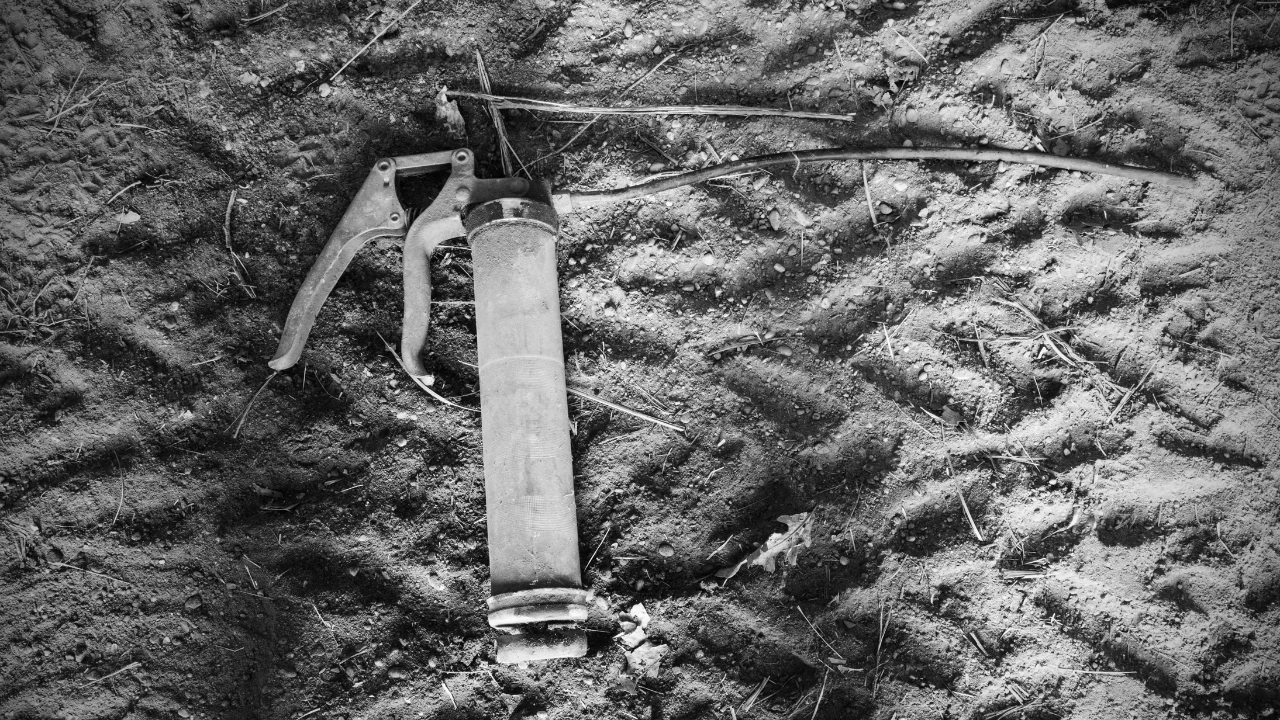
High-pressure injection injuries, also known as grease gun injuries, are caused by the accidental injection of a foreign material–such as grease, oil, or solvent under pressure–through the skin and into the underlying tissue. This is analogous to medical techniques used to administer immunization shots without a needle. A grease gun injury can cause serious delayed soft tissue damage and should be treated as a surgical emergency. Any person sustaining an injury of this sort should seek immediate medical attention, regardless of the appearance of the wound or its size. Accidents involving injection injuries can occur when using any type of pressurized equipment.
High-pressure injection injuries, also known as grease gun injuries, are caused by the accidental injection of a foreign material–such as grease, oil, or solvent under pressure–through the skin and into the underlying tissue. This is analogous to medical techniques used to administer immunization shots without a needle. A grease gun injury can cause serious delayed soft tissue damage and should be treated as a surgical emergency. Any person sustaining an injury of this sort should seek immediate medical attention, regardless of the appearance of the wound or its size. Accidents involving injection injuries can occur when using any type of pressurized equipment.