Automated Bearing Wear Detection
Alan Friedman, DLI Engineering
Click here to download the full pdf.
Alan Friedman, DLI Engineering
Related Articles

5 Ways to Enhance Maintenance Team Communication with Model Context Protocol (MCA)
The emergence of the Model Context Protocol (MCP) has given AI agents a standardized way to share context, understand intent, and collaborate across different tools and data environments. In essence, MCP is teaching machines how to talk — not just exchange data, but align on purpose.
The Seven Cs of Procedures
The Seven Cs are a way to help with the effectiveness of your procedures. The business unit of Operations is highly technical but most of all, it is human-centric, and as humans, we are prone to error and to bias. Using the Seven C’s can address the human variable in your procedure’s outcome, ultimately between success or failure.

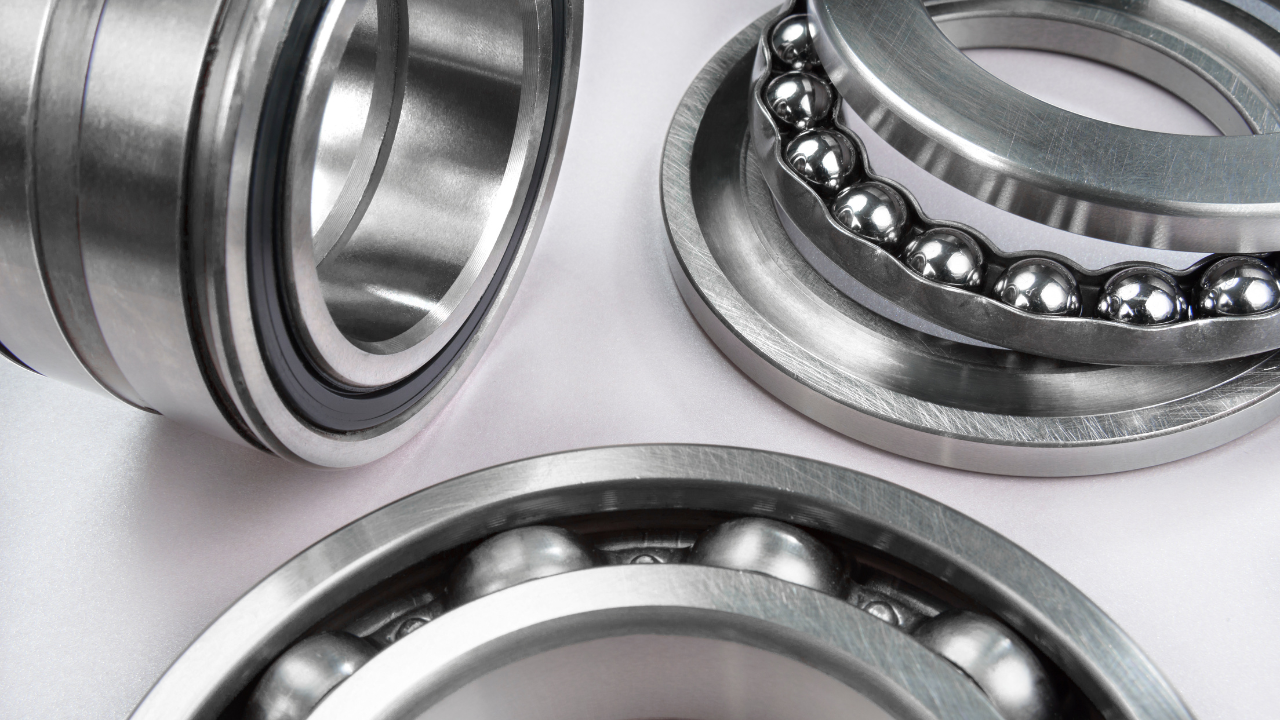
Installation Errors Shorten Bearing Life
Installation and mounting errors are responsible for 27% of all bearing failures, second only to lubrication problems. Most installation errors can be avoided through proper training, correct procedures and selection of products with design features that are compatible with operating conditions of the application.

Operator Driven Reliability — Who Owns Your Mill’s Equipment?
Over the years, our quest for lower production costs through technology has drastically changed the role the operator in our mills. Once an operator spent the majority of his day “on the floor.” This provided a hands-on knowledge of how equipment worked and what are the signs of it starting to fail. In today’s world, most operators are running the mill via computer-controlled systems.

Mentoring
A mentor can assume many different roles including teacher, motivator, advisor, coach, door-opener. A good mentor has some traits that are conducive to their role. They are supportive, patient, secure in their position and achievers. They tend to be accepting of others, even their shortcomings. Mentors require the ability to listen and possess questioning skills and a passion for their work and industry. They provide constructive and positive feedback and are able to plan and make decisions.