Safe Use of Clamps Through Proper Selection
The Hand Tools Institute
Like other hand tools, the safe use of clamps is very important.
True or False: Railroad spikes are best driven with a tack hammer?
The question may seem a bit absurd and the answer to it a resounding “FALSE!”, but it does point out two common attitudes that are responsible for many injuries related to using hand tools improperly.
The notions “one tool does all” or “any tool will do” result in wasted effort, poor quality work, damage to the misused tool, and exposing the user to possible injury, according to the Hand Tools Institute, an association of American manufacturers of quality hand tools.
As with hammers, pliers, wrenches and all other hand tools, design is a key element to the type of work a tool is intended to do properly and safely, says HTI.
Clamps are no exception and should be selected to conform to the work they are to perform.
Clamps are first cousins to vises and the most common relative is the C-clamp. Although C-clamps are extremely versatile, they will not, however, suffice for every job.
HTI suggests that C-clamps serve only as temporary devices for holding work securely in place. Clamps should be removed from the work as soon as the job has been finished.
Always select the proper clamps by determining the required opening, depth, strength and weight. The hindrance of a screw extending beyond the frame can be eliminated by selecting a clamp with a smaller screw.
Before each project, evaluate the type of clamp needed, whether it shall be a bar clamp, C-clamp, spring clamp, hand screw clamp, web clamp, miter clamp or any of the other varieties available.
The finest clamp, like any tool, can be damaged by rough handling, improper selection and overloading. Clamps should be kept in a rack to protect them from damage.
Some other suggestions for using clamps properly include:
– Use pads with C-clamps to avoid marring the work.
– Discard any clamp that has a bent spindle or frame.
– Before using, make sure the swivel end of the screw turns freely.
HTI also recommends wearing safety goggles at all times when using hand tools to guard against possible eye injuries.
Be choosy
The Hand Tools Institute suggests selecting the right type of clamp for the kind of work it is intended. Although there is a large selection of C-clamps available, opening size, depth, weight and strength are important criteria. C-clamps come in a variety of sizes and styles; there is even greater variety in the clamp family, from web clamps to bar and pipe clamps.
The Hand Tools Institute (HTI) is the trade association of North American manufacturers of non-powered hand tools and tool boxes. The objectives of the institute are to promote and further the interests of its members relative to manufacturing, safety, standardization, international trade and government relations.
Related Articles
There are three basic electrical hazards that cause injury and death: shock, arc-flash, and arc-blast. Following these safety principles can result in a safer work environment and prevent injuries or even death.
There are three basic electrical hazards that cause injury and death: shock, arc-flash, and arc-blast. Following these safety principles can result in a safer work environment and prevent injuries or even death.
See More
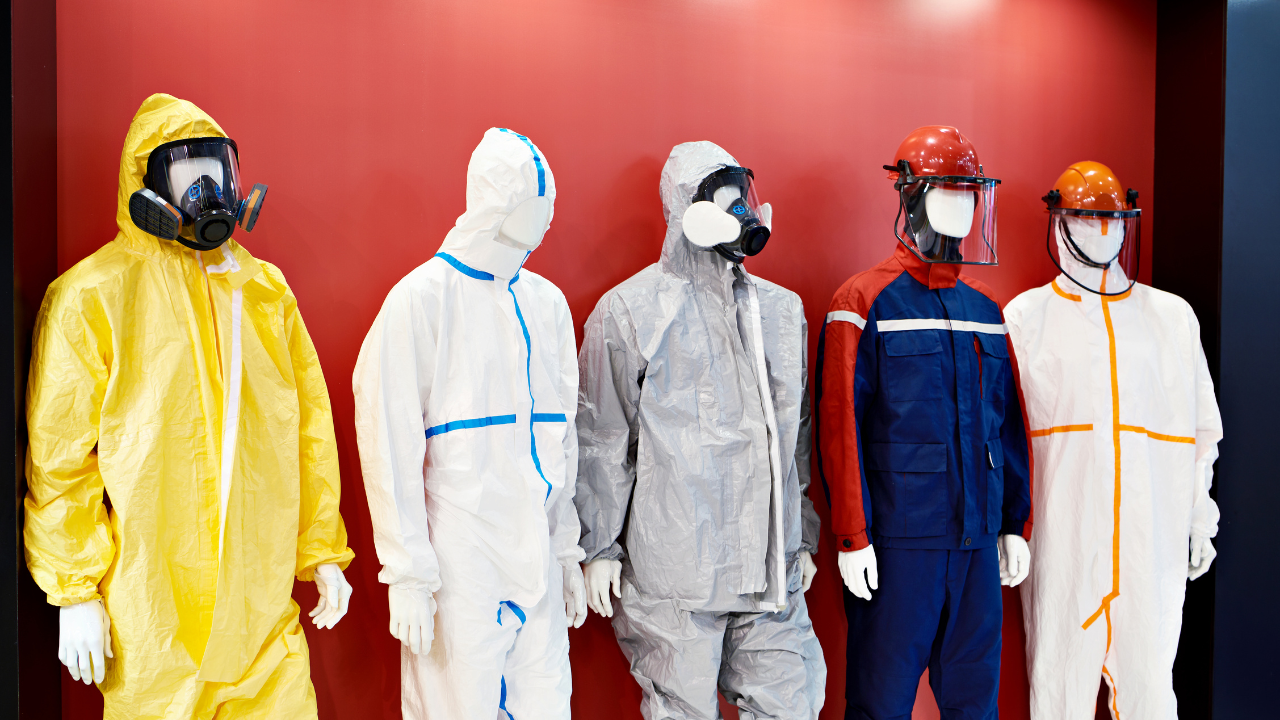
With literally thousands of dangerous materials being used/transported/discarded every day, the process of choosing protective clothing has become increasingly complex for today's safety and hygiene professional. It is important to understand the distinction between three broad types of protective garments used today. Generally classified as disposable, reusable, and limited-use garments, these three general categories provide a basic framework for clothing decisions.
With literally thousands of dangerous materials being used/transported/discarded every day, the process of choosing protective clothing has become increasingly complex for today's safety and hygiene professional. It is important to understand the distinction between three broad types of protective garments used today. Generally classified as disposable, reusable, and limited-use garments, these three general categories provide a basic framework for clothing decisions.
See More
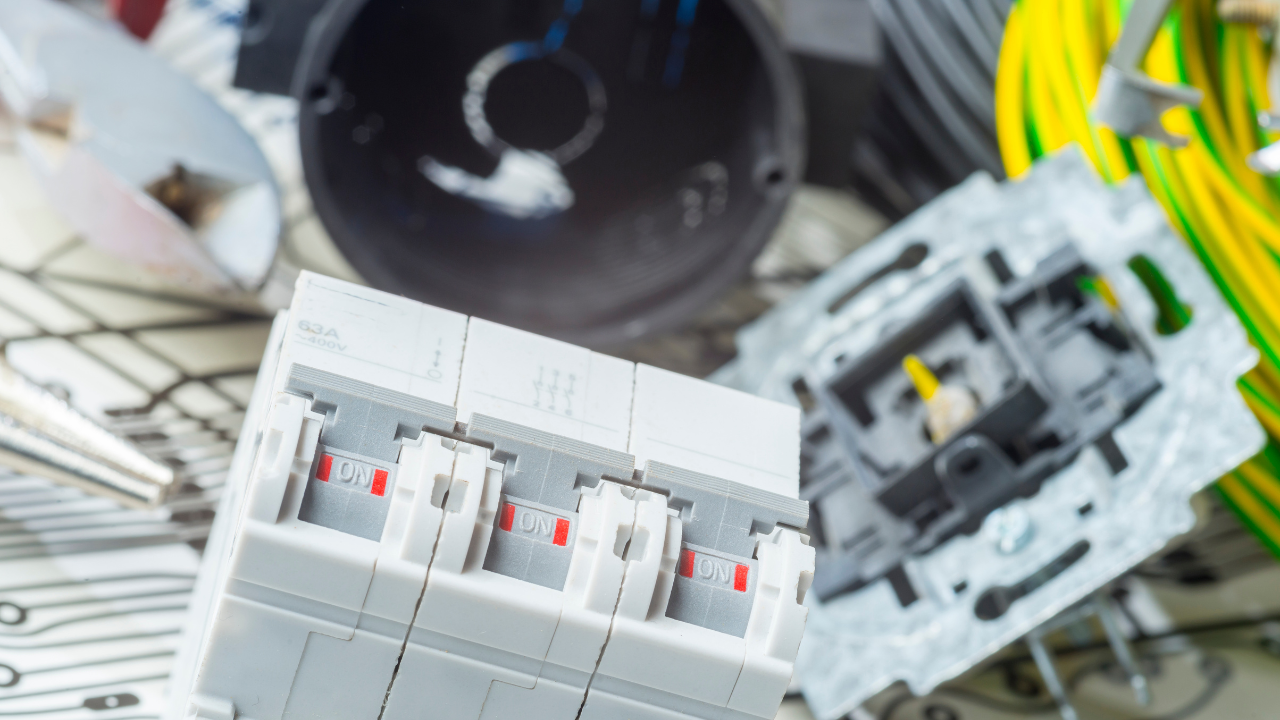
The force acting on a general purpose relay is near the fulcrum of the arm. With a force guided relay, the force acting on the relay is about as close to the contact point as one can reasonably get.
The force acting on a general purpose relay is near the fulcrum of the arm. With a force guided relay, the force acting on the relay is about as close to the contact point as one can reasonably get.
See More
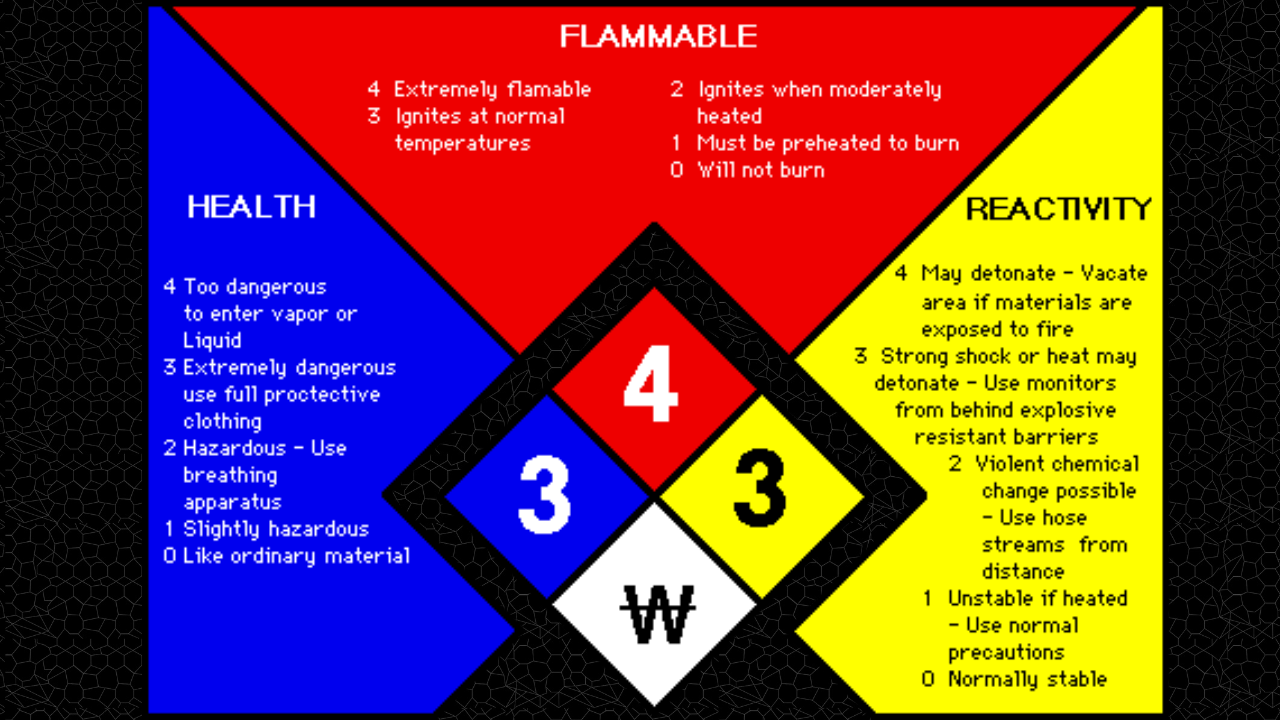
The National Fire Prevention Association (NFPA) developed a rating system to identify and rank the hazards of a material. If you have previously worked in construction you’ve probably seen the colorful labels used to explain these hazards. The NFPA's hazard rating is diamond-shaped, made up of four smaller diamonds. The NFPA symbol colors are blue, red, yellow and white. Inside the colored smaller diamonds are numbers or symbols loaded with a wealth of knowledge.
The National Fire Prevention Association (NFPA) developed a rating system to identify and rank the hazards of a material. If you have previously worked in construction you’ve probably seen the colorful labels used to explain these hazards. The NFPA's hazard rating is diamond-shaped, made up of four smaller diamonds. The NFPA symbol colors are blue, red, yellow and white. Inside the colored smaller diamonds are numbers or symbols loaded with a wealth of knowledge.
See More
Hydraulic systems must store fluid under high pressure. Three kinds of hazards exist: burns from the hot, high pressure spray of fluid; bruises, cuts or abrasions from flailing hydraulic lines; and injection of fluid into the skin. Safe hydraulic system performance requires general maintenance. Proper coupling of high and low pressure hydraulic components and pressure relief valves are important safety measures.
Hydraulic systems must store fluid under high pressure. Three kinds of hazards exist: burns from the hot, high pressure spray of fluid; bruises, cuts or abrasions from flailing hydraulic lines; and injection of fluid into the skin. Safe hydraulic system performance requires general maintenance. Proper coupling of high and low pressure hydraulic components and pressure relief valves are important safety measures.
See More
Life without standards would result in near chaos for both manufactures and consumers. Just think if you could not rely on the strength of a critical fastener in an aircraft fuselage, the quality of the glass in a high rise building, the voltage fluctuation of the electrical grid at a faraway vacation destination, a crucial replacement for an electrical motor, the purity of a critical medication or the mere annoyance of not finding a correct battery for that digital camera. In short, as consumers, we would soon notice the lack of standards when the safety, quality, fit, reliability and compatibility of the products we consume, purchase and rely on are compromised.
Life without standards would result in near chaos for both manufactures and consumers. Just think if you could not rely on the strength of a critical fastener in an aircraft fuselage, the quality of the glass in a high rise building, the voltage fluctuation of the electrical grid at a faraway vacation destination, a crucial replacement for an electrical motor, the purity of a critical medication or the mere annoyance of not finding a correct battery for that digital camera. In short, as consumers, we would soon notice the lack of standards when the safety, quality, fit, reliability and compatibility of the products we consume, purchase and rely on are compromised.
See More
Every year, tens of thousands of maintenance workers get injured on the job or develop work-related illnesses. While not all of these incidents can be avoided, many can be with the proper personal protective equipment (PPE for short).
Every year, tens of thousands of maintenance workers get injured on the job or develop work-related illnesses. While not all of these incidents can be avoided, many can be with the proper personal protective equipment (PPE for short).
See More