In late February, a steam explosion at a Schumann & Co. metals plant in Bedford, Ohio caused one fatality (a maintenance supervisor) and sent 15 other crew members to the hospital, 2 in critical condition at the time. An investigation has uncovered the reasons the accident occurred.
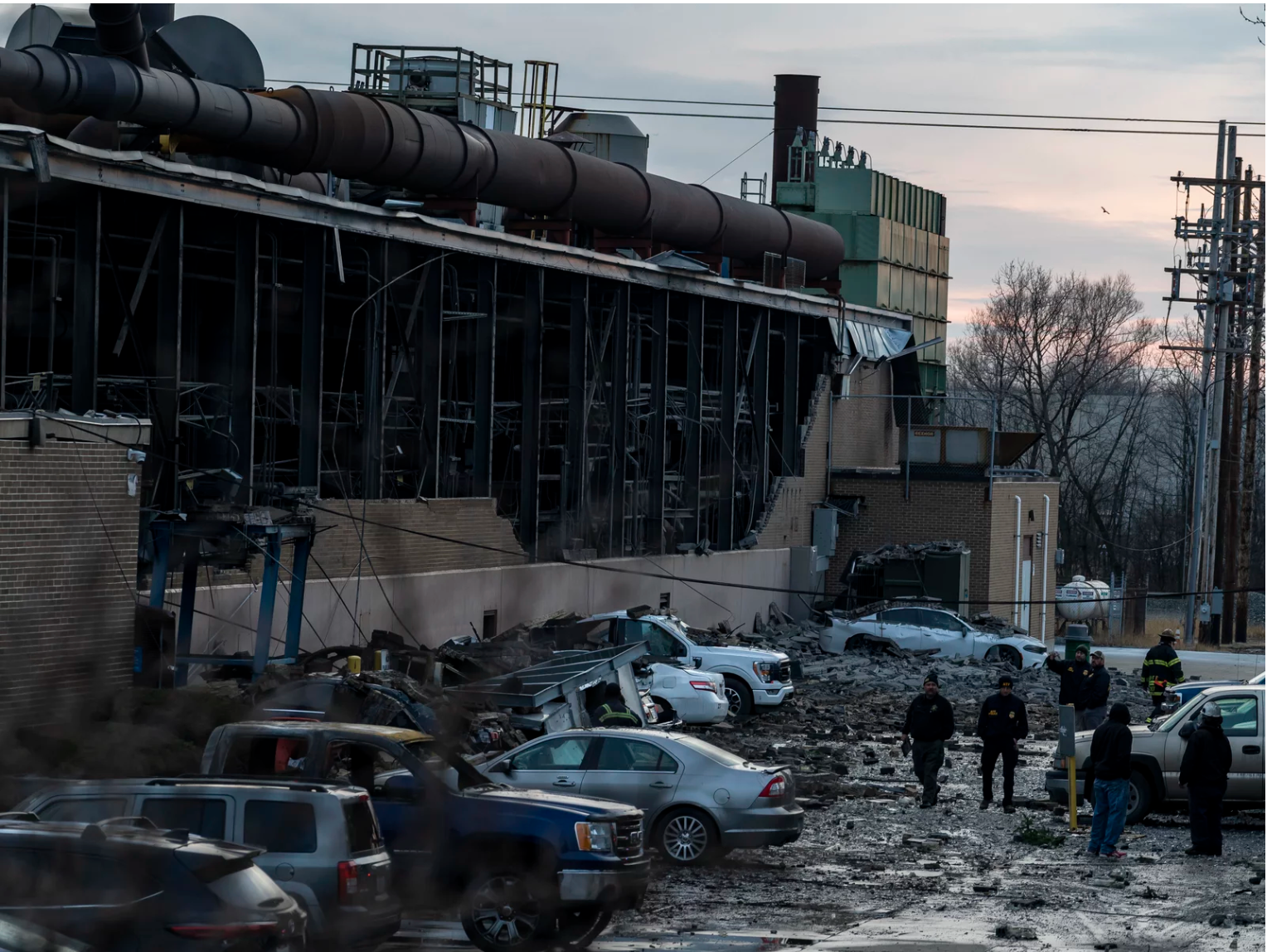
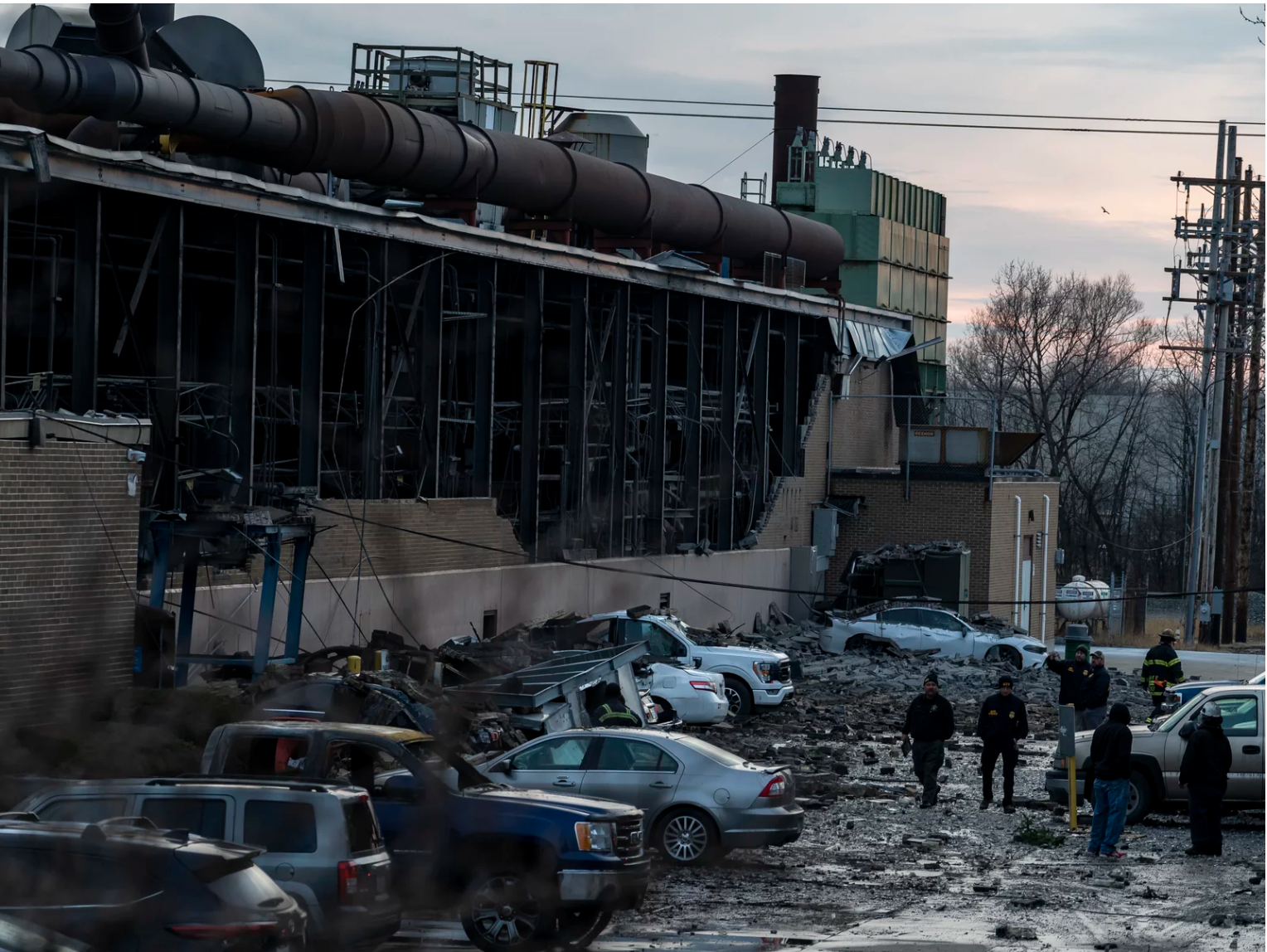
Image of the wall blown off in the Ohio Foundry Explosion
Michael Swensen/Getty Images – NPR
According to OSHA’s investigation, maintenance personnel were inspecting a water leak on a furnace used for smelting solid metals when the steam explosion happened. It was caused by water having leaked onto the molten metal inside of the furnace. Several safety violations led up to this event.
Before OSHA released an announcement on August 14th, citations were issued officially on August 4th for 6 violations:
1. Employees should be protected from recognized dangerous or fatal hazards. In this case, the hazard was steam explosions caused by water filtration into molten metal. It was found that the February incident was not the only time the crew wasn’t protected from this danger.
2. Procedures should be in place and followed to control potentially hazardous energy when employees are performing work in the area. Schumann & Co. did not ensure the procedure was followed to control the “hazardous gravitational, water, thermal, electrical, natural gas, and oxygen gas energy sources” while one of the rotary furnaces was being inspected by maintenance personnel.
3. Schumann & Co. did not make sure that lockout or tagout procedures were followed by maintenance personnel. These procedures included shutting down the furnace electrical rotation drive motor, both isolating and affixing lockout devices natural gas, oxygen gas, and electrical energy sources in the furnace, among others. Use the link to the violations for a complete list of violations in this section.
4. Failure to ensure that authorized employees (in this case the maintenance lead and maintenance supervisor) had affixed a personal lockout or tagout device to a group lockout device, group lockbox, or other comparable mechanism before inspecting (the furnace).
5. Procedures should outline the control of hazardous energy in complete detail. The organization failed to clearly identify specific procedural steps while inspecting the furnace for water leaks for safe shutdown, isolating, blocking, and securing the electrical, water, and thermal (liquid molten metal bath) energy sources. These procedures are in place to prevent the release of water from contacting the liquid molten metal bath (thermal energy) inside the furnace and causing a steam explosion.
6. Schumann & Co. did not ensure that a periodic inspection of the lockout/tagout procedure for the furnace was being performed at least annually. This inspection exists to make sure that the procedures and standards are being followed.
The citations total a proposed $62,500 in penalties. The organization has 15 days to comply with citations and penalties.
The Ohio foundry steam explosion is unfortunately one of many that highlights the importance of safety procedures including lockout/tagout, shutting down equipment when needed, and regular inspections and reviews of procedures.
According to OSHA, every year, dozens of workers die and thousands more become ill while working in hot or humid conditions. OSHA's Heat Illness Prevention campaign educates employers and workers on heat hazards and provides resources to keep workers safe. Let’s dive into OSHA’s heat illness prevention information for the workforce, what your employer’s responsibilities are, and ways you can keep yourself safe from the dangers and risks of heat illness.
According to OSHA, every year, dozens of workers die and thousands more become ill while working in hot or humid conditions. OSHA's Heat Illness Prevention campaign educates employers and workers on heat hazards and provides resources to keep workers safe. Let’s dive into OSHA’s heat illness prevention information for the workforce, what your employer’s responsibilities are, and ways you can keep yourself safe from the dangers and risks of heat illness.
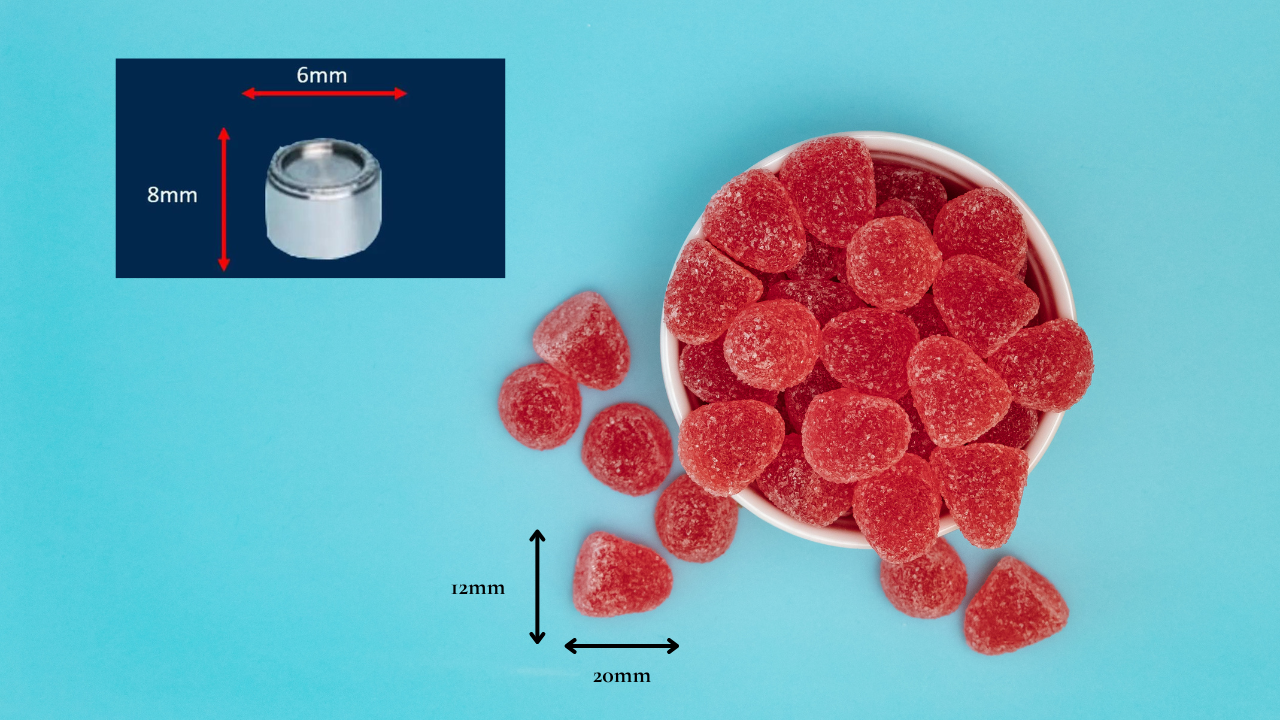
Preventive Maintenance is as important as ever and this is extremely evident considering a radioactive capsule was lost in the vast landscape of Western Australia for nearly 2 weeks. Emergency services had been scanning the truck’s route for the last seven days and finally found the capsule on Wednesday, February 1st. A team driving down the road used radiation detection equipment to locate the capsule on the side of the road, outside of Newman.
Preventive Maintenance is as important as ever and this is extremely evident considering a radioactive capsule was lost in the vast landscape of Western Australia for nearly 2 weeks. Emergency services had been scanning the truck’s route for the last seven days and finally found the capsule on Wednesday, February 1st. A team driving down the road used radiation detection equipment to locate the capsule on the side of the road, outside of Newman.
Do you want to write for Maintenance World? Sharing original content about reliability and maintenance generates discussion, helps with networking, and provides valuable information to maintenance professionals who need it while working on the factory floor. (It doesn't hurt to promote your brand as well!)
Do you want to write for Maintenance World? Sharing original content about reliability and maintenance generates discussion, helps with networking, and provides valuable information to maintenance professionals who need it while working on the factory floor. (It doesn't hurt to promote your brand as well!)
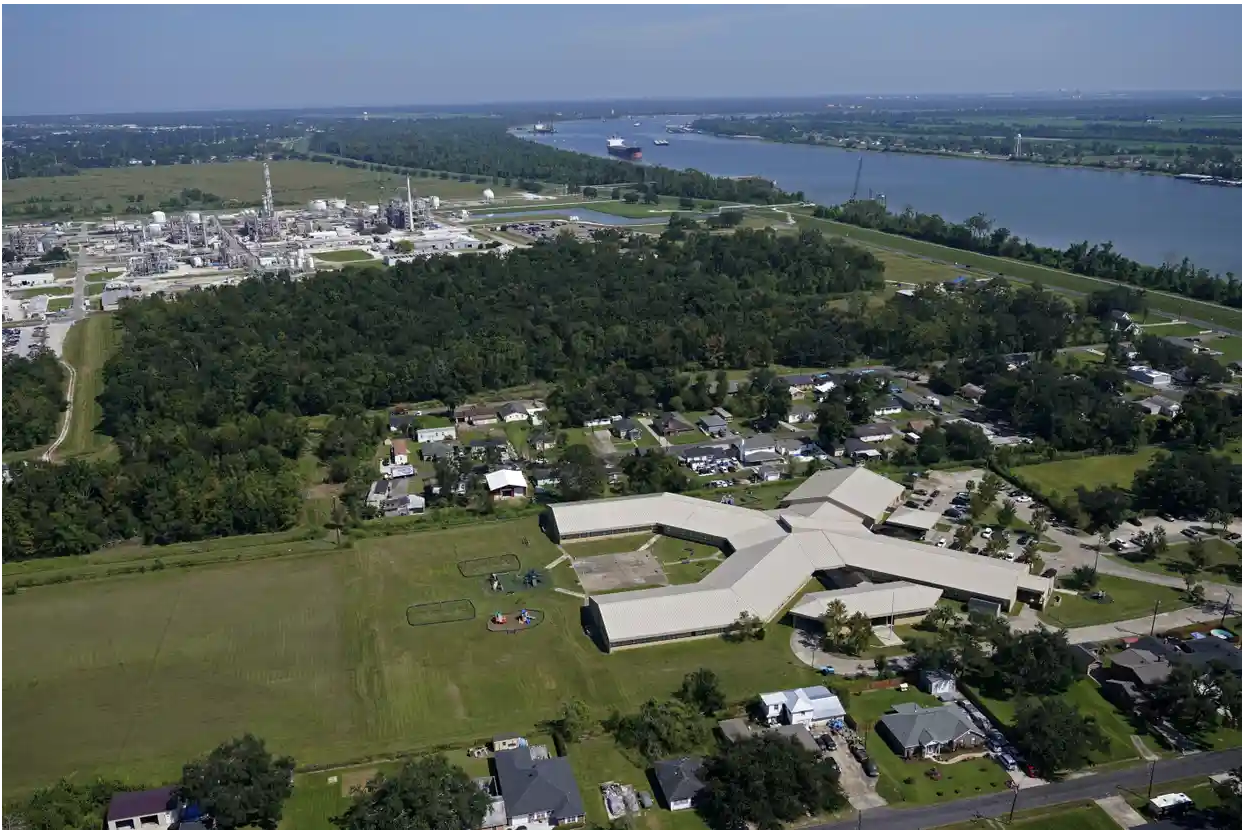
On February 28, 2023, the United States Department of Justice filed a complaint on behalf of the Environmental Protection Agency (EPA) against Denka Performance Elastommer LLC. The Denka manufacturing facility is located along the Mississippi River in LaPlace, Louisiana and produces chloroprene, a chemical used in the production of neoprene.
On February 28, 2023, the United States Department of Justice filed a complaint on behalf of the Environmental Protection Agency (EPA) against Denka Performance Elastommer LLC. The Denka manufacturing facility is located along the Mississippi River in LaPlace, Louisiana and produces chloroprene, a chemical used in the production of neoprene.
An industrial outbreak of blastomycosis is being investigated at a paper and packaging mill in Escanaba, Michigan. This is the first fungal outbreak of its kind in the history of the United States and the mill has decided to temporarily halt operations to ensure the health and safety of workers.
An industrial outbreak of blastomycosis is being investigated at a paper and packaging mill in Escanaba, Michigan. This is the first fungal outbreak of its kind in the history of the United States and the mill has decided to temporarily halt operations to ensure the health and safety of workers.
Additive manufacturing is changing and improving the manufacturing process in many industries. The methods eliminate the need for traditional subtractive processes, offering benefits like reduced waste and faster prototyping. In 2024, the industry is witnessing advancements in materials and technologies, integration with digital manufacturing, and a focus on reducing emissions. AM can not only improve reliability and maintenance, but also increases supply chain resilience.
Additive manufacturing is changing and improving the manufacturing process in many industries. The methods eliminate the need for traditional subtractive processes, offering benefits like reduced waste and faster prototyping. In 2024, the industry is witnessing advancements in materials and technologies, integration with digital manufacturing, and a focus on reducing emissions. AM can not only improve reliability and maintenance, but also increases supply chain resilience.
On February 20th around 2pm an explosion erupted at the I. Schumann & Co. Foundry in Bedford, Ohio. The foundry recycles scrap metal into bronze and brass ingots and pellets. Fire officials say the cause of the explosion is under investigation by state and federal authorities but it appears the blast originated near a kettle-like piece of equipment which holds molten metals before being poured into molds.
On February 20th around 2pm an explosion erupted at the I. Schumann & Co. Foundry in Bedford, Ohio. The foundry recycles scrap metal into bronze and brass ingots and pellets. Fire officials say the cause of the explosion is under investigation by state and federal authorities but it appears the blast originated near a kettle-like piece of equipment which holds molten metals before being poured into molds.