
Maintenance KPIs with a CMMS
The wind energy sector is experiencing a significant shift, characterized by the increasing longevity and efficiency of Wind Turbines (WTs). While WTs in Germany are often repowered before their standard 20-year design life, it is essential to know that the utilization of their remaining useful life and the prospect of continued operation beyond two decades are becoming crucial for many assets. Despite the new turbine types designed for lifespans of up to 30 years, they still need maintenance.
Operation and Maintenance (O&M) costs already represent a substantial portion—between 20% and almost 40%—of the Levelized Cost of Energy (LCOE). This economic reality underscores the critical need for sound operational management to ensure long-term profitability. We couldn’t know these figures if we didn’t measure KPIs
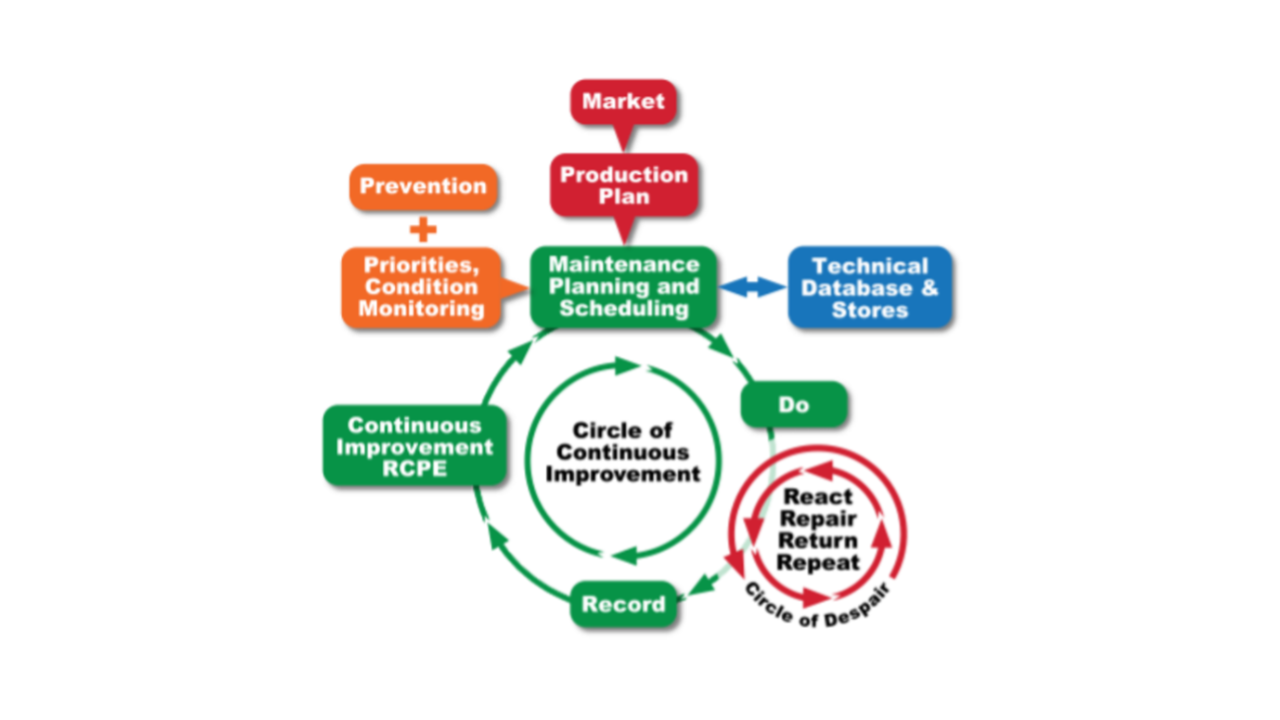
Such a case is pertinent not only to the field of wind energy and green technology but also to the operational capacity of a typical manufacturing company. The wear and tear on equipment, machinery, and spare parts remains a constant challenge for maintenance technicians aiming to maintain the highest productivity.
In this context, modern systems such as Computerized Maintenance Management Systems (CMMSs) have become essential. A CMMS enables maintenance teams to proactively manage equipment by collecting data on key performance indicators (KPIs).
In our next article, we will share the overall KPIs, focusing specifically on Mean Time To Repair (MTTR) as measured by a CMMS. This system measures MTTR in a way that allows management to track even micro-stops, providing a clearer, more granular view of downtime.

Maintenance KPI Examples
Maintenance Key Performance Indicators (KPIs) are crucial metrics used to evaluate the efficiency and effectiveness of a maintenance program. This evolved over the last decades. KPIs like Overall Equipment Effectiveness (OEE) and direct Equipment Downtime measurements quantify production losses, forcing management to address the root causes of stoppages.
Here are the examples:
Equipment Reliability KPIs
- Mean Time Between Failure (MTBF): Measures how long equipment operates successfully before a failure, indicating inherent asset reliability.
- Mean Time To Failure (MTTF): Tracks the average operational lifetime of non-repairable assets before they must be replaced.
Intervention Effectiveness & Speed
- Mean Time To Repair (MTTR): The average time required to repair failed equipment, reflecting the speed and efficiency of the repair process.
Composite Productivity Metric
- Overall Equipment Effectiveness (OEE): A composite KPI that combines Availability, Performance, and Quality into a single measure of overall manufacturing productivity.
Planning & Execution KPIs
- Completion Rate (Achievement Rate): Evaluates the accuracy of maintenance scheduling and the efficiency with which scheduled tasks are executed on time.
- Planning Rate: Measures the ratio of planned maintenance hours to the total available maintenance hours, assessing planning maturity.
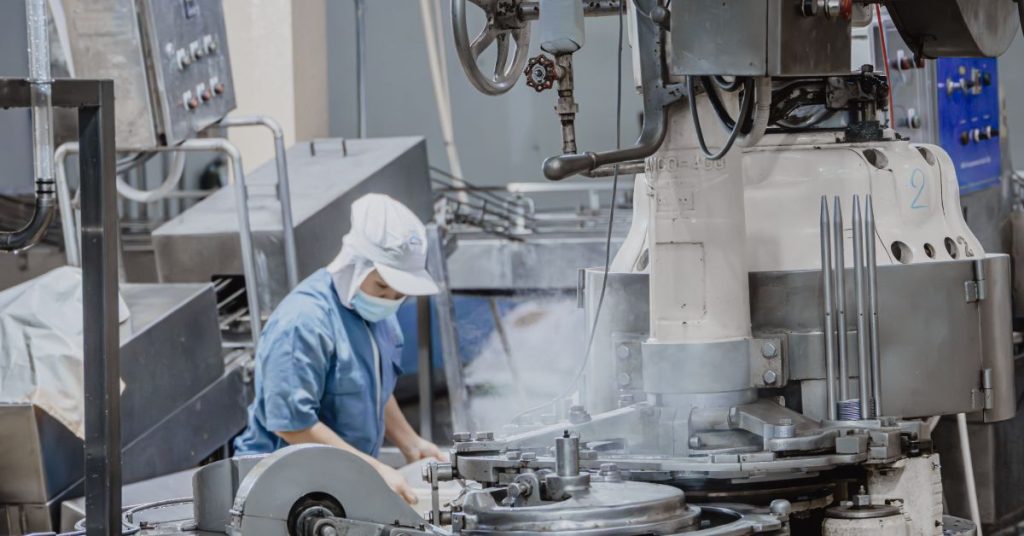
How to define MTTR (Mean Time To Repair)?
The Mean Time To Repair (MTTR) is a key performance indicator (KPI) that measures the effectiveness of maintenance interventions. It is defined as the average time required to restore equipment to its functional state, either through repair or the complete replacement of the defective component. This indicator is widely used across industries, including mining and manufacturing, as a standardized, specific measure of maintenance efficiency.
The practical application of reducing MTTR is demonstrated in case studies, such as one focused on the electrical part of coal mining equipment, which experienced 19 electric failures in 2022. The goal was to improve equipment reliability and operational efficiency.
By utilizing the Lean Six Sigma (LSS) methodology and implementing solutions such as designing a specialized tool for motor starter testing, the study achieved a significant reduction in MTTR, dropping it from 110 minutes to just 10 minutes. This improvement was statistically significant and led to a substantial increase in process capability (Cpk improvement from -2.94 to 6.96). This example, given by the Department of Operation PT. ABA, South Jakarta, Jakarta, Indonesia, demonstrates that actively implementing process improvements, such as LSS, can effectively reduce MTTR. So, it consequently increases equipment availability and overall operational efficiency.
How to measure maintenance performance indicators with CMMS software?
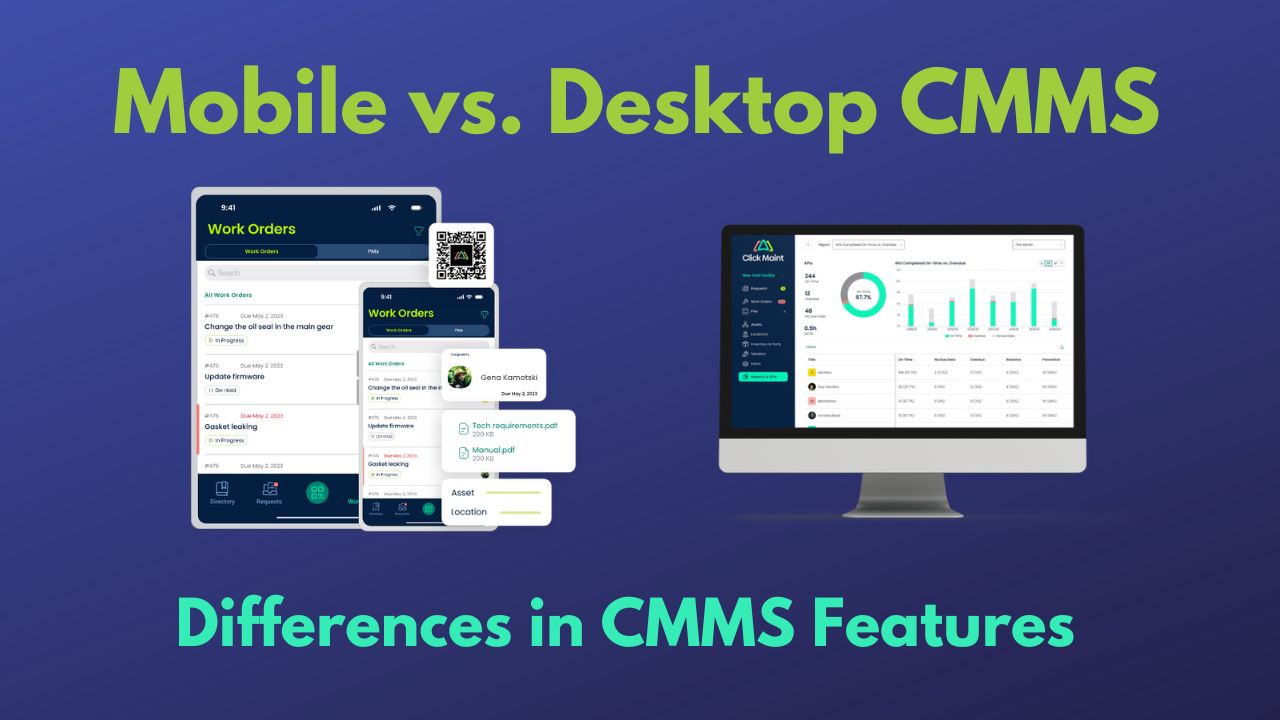
The Computerized Maintenance Management System (CMMS) uses QR codes and NFC tags as its primary method for collecting accurate, real-time data, which is essential for measuring maintenance performance indicators (KPIs) such as MTTR (Mean Time To Repair).
The core function of QR codes and NFC tags is to provide precise timestamps for maintenance activities, which is critical for measuring time-based KPIs such as MTTR.
- Work Order Initiation: When a technician is dispatched to an asset, they scan the QR code or tap the NFC tag affixed to the equipment using a mobile device (smartphone or tablet) running the CMMS mobile application.
- Measurement: This action automatically logs the intervention start time in the CMMS, initiating the MTTR timer.
- Work Completion: Upon completing the repair or replacement, the technician uses the CMMS app to close out the work order. This typically involves another scan/tap or simply logging the status change in the asset’s digital profile, accessible via the tag.
- Measurement: This action automatically logs the intervention’s end time, stopping the MTTR timer.

Summary: Maintenance KPIs with a CMMS
The increasing demand for long-term operational efficiency in sectors like wind energy and general manufacturing underscores the critical role of maintenance management. With Operation and Maintenance (O&M) costs accounting for a significant share (20% to 40%) of the Levelized Cost of Energy (LCOE), optimizing equipment performance is essential to profitability.
Well, then, in summary, a CMMS serves as the central platform for collecting, analyzing, and acting upon essential maintenance KPIs. This enables organizations to move from reactive fixes to proactive ones. You collect data-driven maintenance strategies that sustain productivity. Want to know more about how to maximize asset lifespan?

Related Articles

Too Small for a CMMS? Think Again
Bill of Materials: A List of Parts to Streamline Maintenance Work Management

Fault Reporting: How to Improve Workflows in Maintenance Operations

A CMMS for Employee Engagement

Navigating O&M’s new responsibilities with Connected CMMS
Mobile vs. Desktop: Differences in CMMS Features